
Last updated November 18, 2026
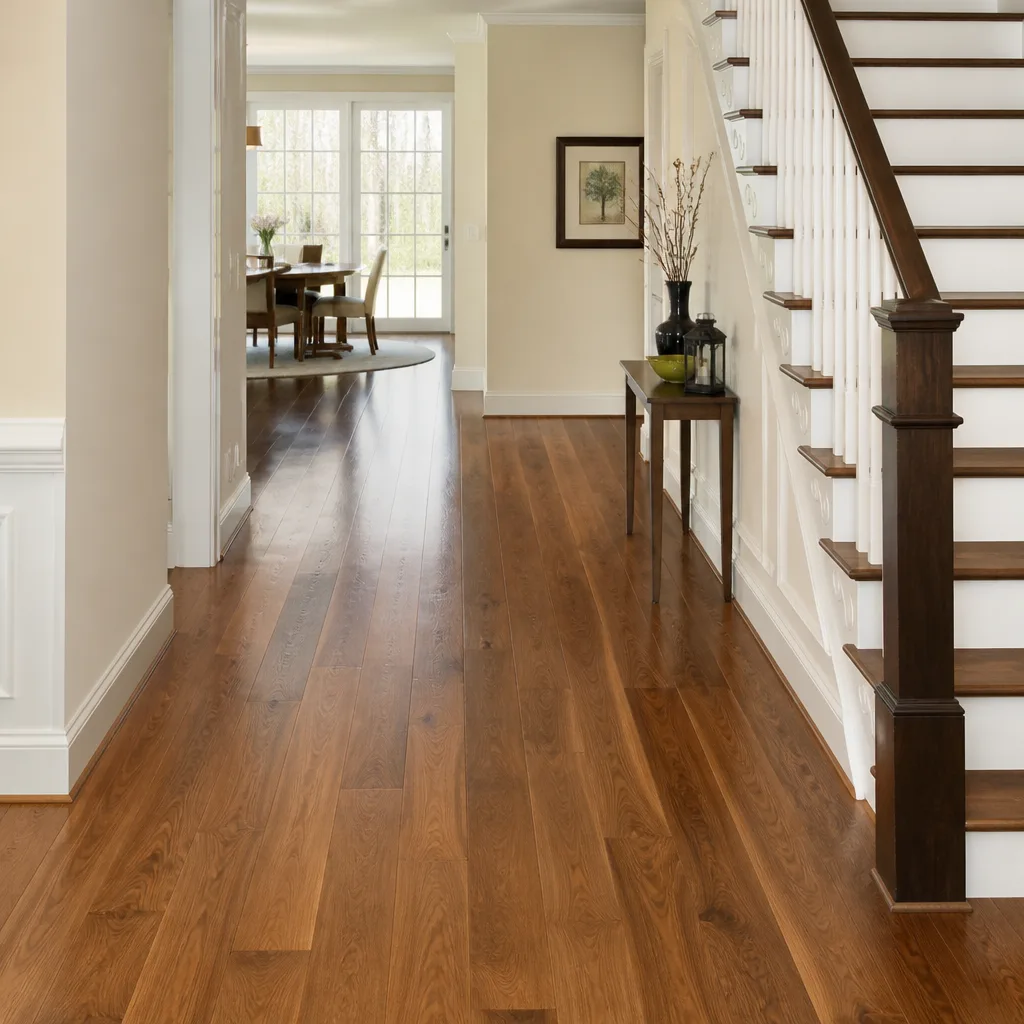 Hardwood
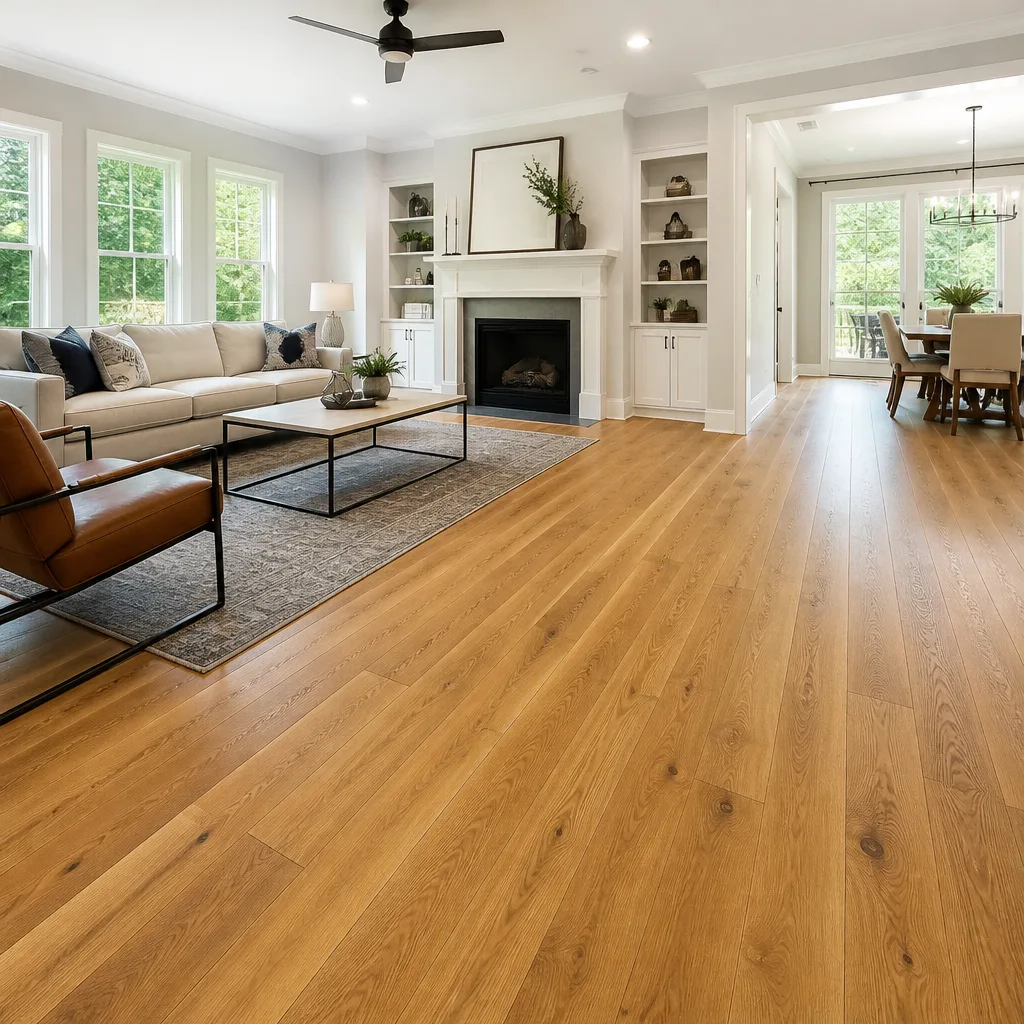 Engineered hardwood
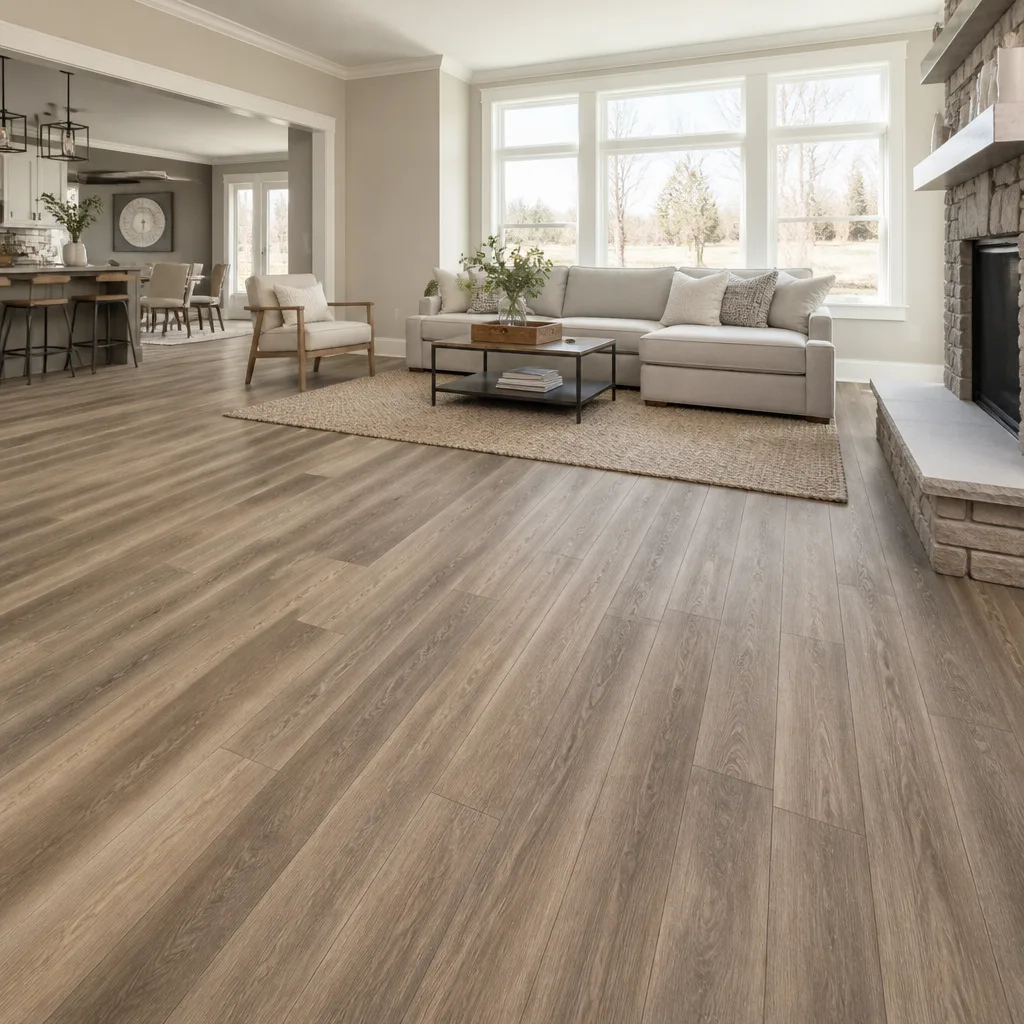 Luxury vinyl plank
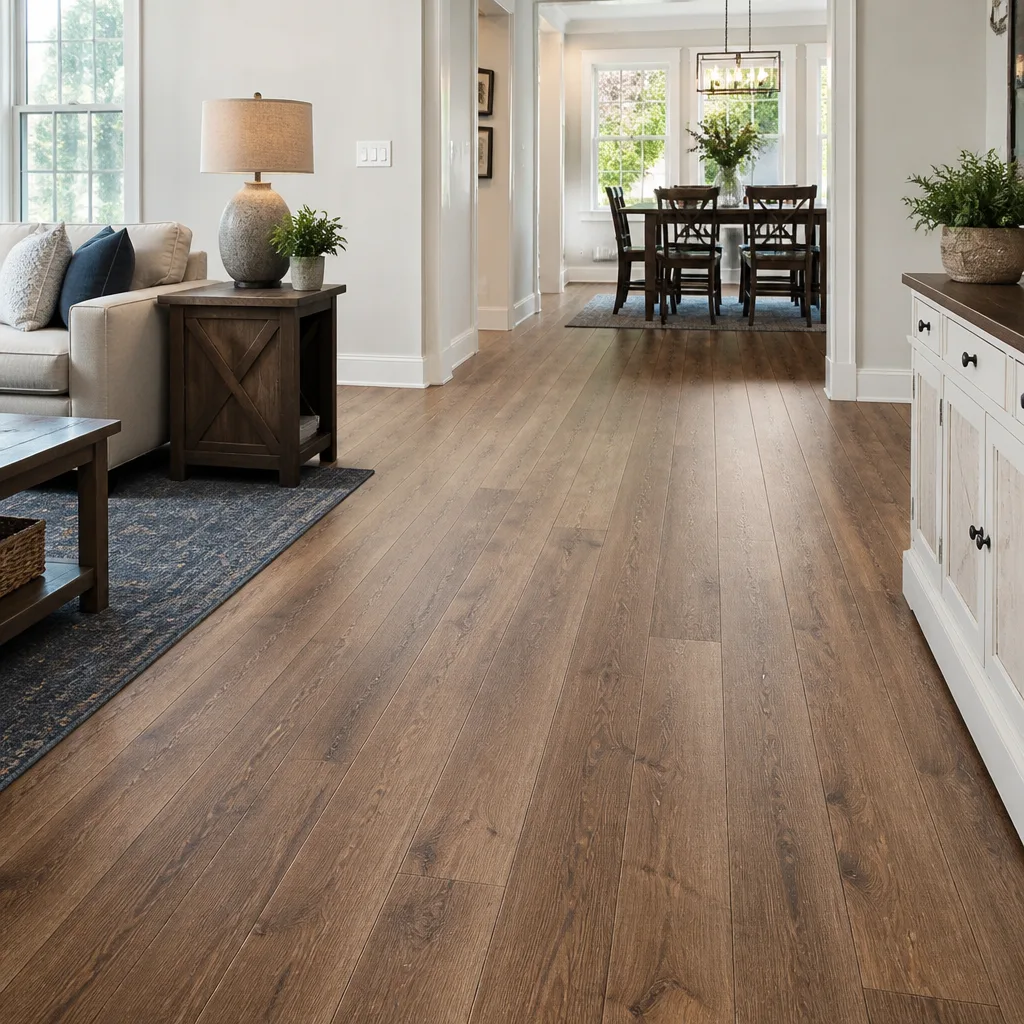 Laminate
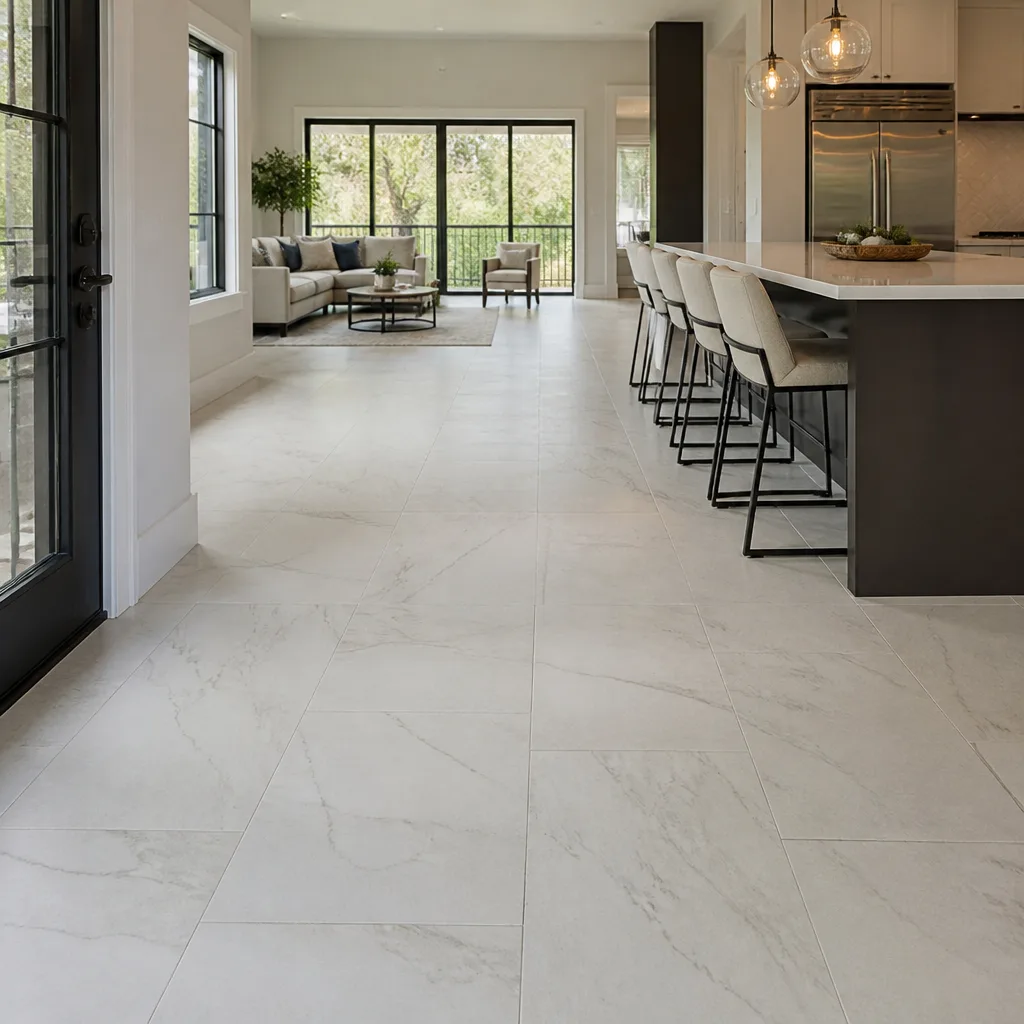 Porcelain tile
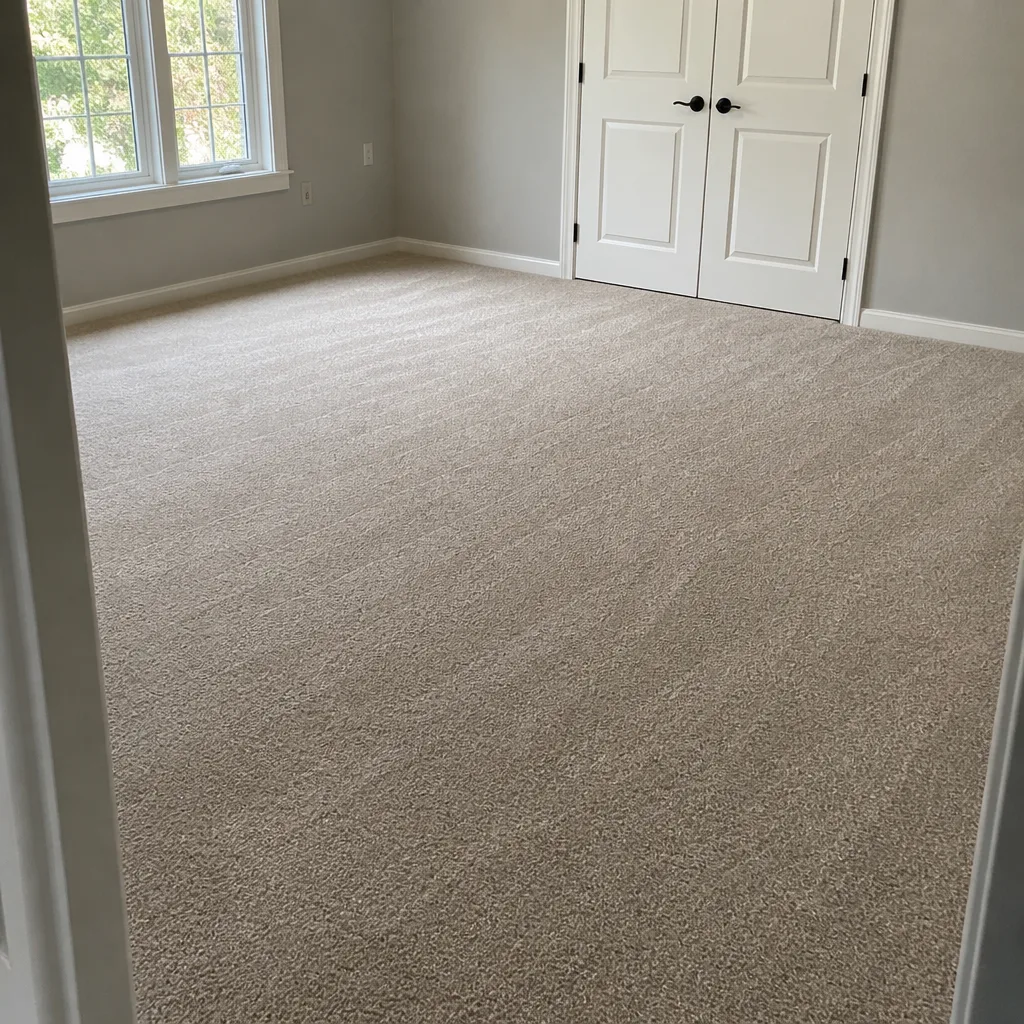 Carpet
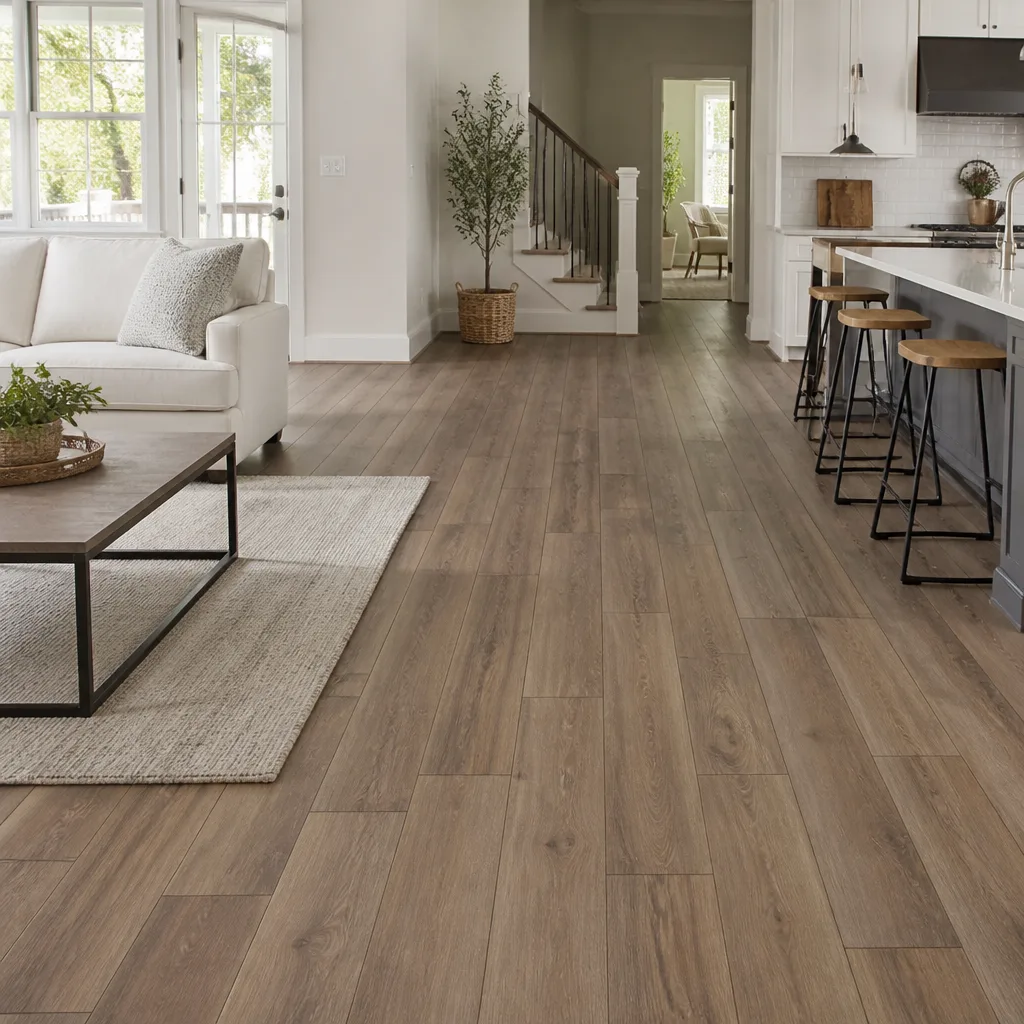 Shaw
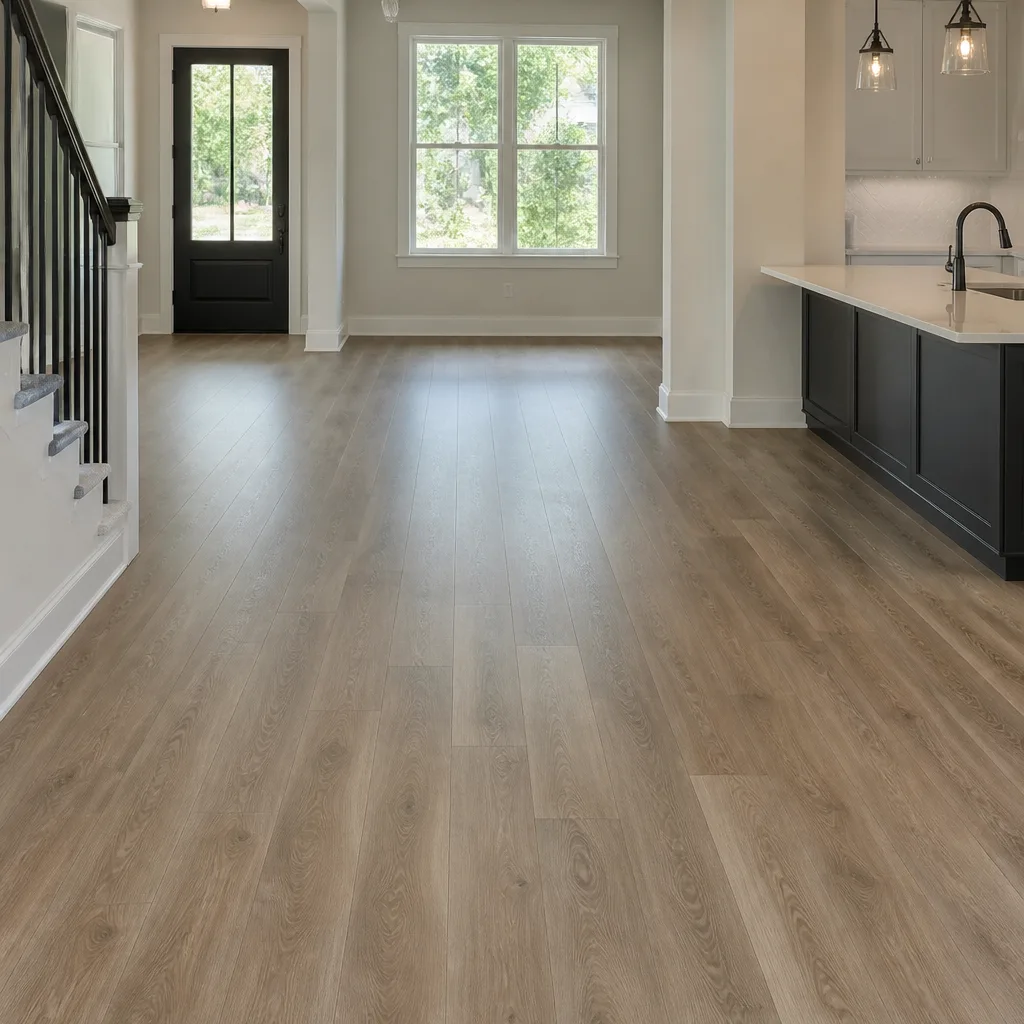 Mohawk
 COREtec
 Pergo
Free in-home measure and written estimate: Shaw, Mohawk, COREtec and Pergo lines compared on your own rooms, with carpet, tile, vinyl plank, laminate and hardwood laid out side by side
Get your free estimateFlooring Cost Breakdown: The North Las Vegas Homeowner’s Reference for 2026
A homeowner budgeting for a 400-square-foot living room sees a “$3.99 per square foot” sign for luxury vinyl plank and does the math: about $1,600. The final invoice comes in closer to $2,900. Nothing dishonest happened. The gap came from things the sign never mentioned – subfloor leveling, furniture hauling, transition strips, and waste on a room with three doorways and a fireplace notch. The per-square-foot sticker is the least useful number in a flooring project, and this reference is here to show you the rest. We’ll walk through what a North Las Vegas floor actually costs in 2026, line by line.
Quick Answer
Flooring installation in North Las Vegas typically runs $3 to $12 per square foot installed, depending on material, with carpet at the low end and porcelain tile or refined hardwood at the high end. Hardwood refinishing usually costs $3 to $6 per square foot and can save you the cost of replacement. The written estimate – not the showroom tag – sets your final price, and it should itemize material, labor, subfloor prep, removal, and haul-away separately.
Styles & brands we work with
- Hardwood
- Engineered hardwood
- Luxury vinyl plank
- Laminate
- Porcelain tile
- Carpet
- Shaw
- Mohawk
- COREtec
- Pergo
Table of Contents
- What does each flooring material cost in North Las Vegas?
- Why three numbers matter more than one: material, labor, and prep
- The hidden cost multipliers in North Las Vegas homes
- Diagonal and herringbone: what pattern really adds
- What “free installation” promotions usually leave out
- Restore before you replace: the hardwood refinishing math
- How to build a realistic flooring budget
- Common mistakes to avoid
What does each flooring material cost in North Las Vegas?
Every major flooring category sells in North Las Vegas at a wide range, and the spread comes from the product tier as much as the material itself. Engineered and solid wood both cost more than a resilient core product, a rectified porcelain costs more than a standard ceramic, and a plush carpet costs more than a builder-grade loop. The table below gives typical installed ranges for 2026. Treat them as planning figures, not quotes.
- Carpet installation: $3 to $6 per square foot installed, including pad and standard stretch-in work.
- Luxury vinyl plank (LVP): $4 to $8 per square foot installed, with a waterproof core and a thicker wear layer at the upper end.
- Laminate: $4 to $7 per square foot installed.
- Ceramic tile: $6 to $10 per square foot installed.
- Porcelain tile: $7 to $12 per square foot installed, more on large-format rectangular tile.
- Hardwood refinishing (sand and finish): $3 to $6 per square foot.
Those ranges assume a room with a normal shape, a sound subfloor, and standard transitions. The last three assumptions are where North Las Vegas budgets usually wobble. A bedroom in a newer community off the I-215 corridor is a much simpler install than a 1990s resale in the older central neighborhoods near Craig Road, where you may be pulling tile out before you put anything down. The range doesn’t change because the material is different; it changes because the job is different.
We work with nine brands across these categories – Shaw and Mohawk for carpet, COREtec and LifeProof for LVP, Daltile for tile, and Karndean, Mannington, and Armstrong for hardwood and resilient. The point isn’t the names. It’s that you can see entry-level durability and premium design-led lines side by side and decide what your money buys before you commit.
Why three numbers matter more than one: material, labor, and prep
Every honest flooring quote splits into three buckets, and the bucket most homeowners underestimate is the third one. Material is the product on the pallet. Labor is the time to lay it. Prep is everything that has to happen before the first board, tile, or tack strip goes down. Prep is invisible on a showroom tag, and in a North Las Vegas home it’s frequently the difference between a straightforward job and a complicated one.
- Material. Priced per square foot, plus a waste allowance (typically 5 to 10 percent for a straight-lay room, more on a diagonal). Pad, adhesive, grout, and trim are separate line items.
- Labor. Priced per square foot for straight-lay installation. Pattern work, large-format tile, and stairs all price differently.
- Prep. Removal of existing flooring, subfloor patching or leveling, moisture assessment on a slab, and transition and threshold work. These are the line items a promotional quote tends to fold away.
The reason this matters in North Las Vegas specifically is the housing stock. Homes built in the 1990s and early 2000s were frequently finished in ceramic tile through kitchens, entries, and hallways. That tile is often set on a concrete slab with a thin-set mortar bed, and it doesn’t come up in tidy squares. It has to be chipped, scraped, and ground back to a clean surface before a new floor can go in. That’s labor, and it belongs on the quote in its own line.
Our technicians have up to 11 years of experience, and the single most reliable thing they’ll tell you about a North Las Vegas estimate is this: ask what’s in the prep line before you sign. A quote with a prep section spelled out is a quote that will hold up.
The hidden cost multipliers in North Las Vegas homes
Three prep conditions come up again and again in this market, and each one adds to the job in a predictable way. Knowing them up front is how you bench a realistic number instead of the sticker number.
Existing tile removal
Removing a previous tile floor is one of the most labor-intensive prep steps in residential flooring. It’s not just the tile – it’s the mortar bed, the dust control, and the sheer volume of debris that has to be hauled away. On a 400-square-foot area, removal and disposal can add meaningfully to the job before you’ve spent a dollar on new material. If a room in a 1990s or 2000s North Las Vegas home has tile, plan for this in the budget.
Concrete subfloor leveling
Desert slabs move. Hairline cracks and high and low spots are common, and a floor laid over an out-of-flat surface telegraphs the problem – you’ll hear it as a click underfoot in an LVP install, or feel it as a hollow spot under a tile. Leveling compound and the labor to apply it belong on the quote. Some products tolerate more variance than others, and the product instructions set the standard; ask at the estimate visit how flat your slab is and what it takes to get it there.
Thresholds and transitions in open floor plans
North Las Vegas homes tend to run open – kitchen into great room into hallway with wide openings. Each transition where flooring changes is a separate piece of trim, a separate cut, and a separate hour of skilled labor. A plan that installs one material through most of the main level keeps that cost down. A plan that runs carpet in the bedrooms and tile in the baths and LVP everywhere in between has more transitions, and the quote should reflect it.
Diagonal and herringbone: what pattern really adds
Pattern changes cost more than most homeowners expect, and they cost more in two places at once. A diagonal layout sends more material to the cut pile than a straight-lay room does – a waste allowance that runs 5 to 10 percent on a square layout can climb to 15 percent or higher on a 45-degree lay. And the labor goes up because every edge cut is at an angle, every cutoff is a decision, and there are more of them. Herringbone and chevron patterns push the waste and labor both higher again.
Roughly speaking, plan on 10 to 15 percent more on both material and labor for a diagonal pattern over the same square footage laid square. Herringbone runs meaningfully above that. Whether the visual payoff is worth it comes down to three questions:
- How much of the floor will you actually see at an angle? A long, narrow hallway exaggerates a diagonal. A square room doesn’t.
- Does the material show the pattern well? A plank with a strong grain line reads dramatically on the diagonal. A tile with a subtle pattern reads mostly as texture.
- Are the room’s angles clean? A diagonal layout has to negotiate every non-square corner, doorway, and cabinet run. A room with a lot of bumps in the plan costs more to lay on an angle than a clean rectangle.
If you’re weighing it, ask for both a square-lay and a diagonal price on the same material. The difference is a real number, and it’s a decision you should make with the number in hand.
What “free installation” promotions usually leave out
A “free installation” promotion on flooring almost always covers the simplest possible version of the job – the labor to lay the material on a clean, level subfloor in a straight-lay room. What it usually excludes is the exact list of things that make a real North Las Vegas floor job. That’s why the number at the register and the number on the final invoice so rarely agree.
Common exclusions:
- Subfloor prep. Patching, leveling, and out-of-flat correction. Frequently priced separately after the material is ordered, which is the worst time to find out.
- Existing floor removal and disposal. Tile removal especially. Hauling the debris off-site isn’t usually part of the promotion.
- Furniture moving. Clearing a room is on you unless it’s in writing.
- Transitions and trim. Threshold strips, baseboard reinstatement, and stair work.
- Upgrades to the material. A thicker wear layer, a better pad, a premium brand tier – all price above the promotional base.
A specialist quote works differently. We itemize prep, removal, and transitions upfront so the written estimate you get before the job is the one you’ll pay at the end. If a subfloor condition changes at the estimate visit, it changes the written estimate – not the invoice.
Restore before you replace: the hardwood refinishing math
Hardwood refinishing is a restoration service, not an installation service, and it’s the cost comparison most homeowners never run. If your existing floor is solid wood with enough thickness left, a sand-and-refinish job typically runs $3 to $6 per square foot. A full replacement in a new hardwood or premium engineered product is a different project entirely, and it usually costs more – before you’ve accounted for the removal and disposal of the old floor.
At the estimate visit we check two things that determine whether refinishing is a fit. First, the thickness of the wood: too thin, and there isn’t enough material to sand through the old finish and still leave a sound surface. Second, the condition: pet stains, deep scratches, water marks, and previous finishes can all limit what a sand-and-finish will achieve. Neither can be checked from a photo. Both have to be seen on-site, and the answer for your floor may be yes, no, or yes with caveats.
If the answer is yes, refinishing means you keep the floor you already own, you don’t pay for removal and disposal, and you get a new finish on top of sound material. That’s the “restore before you replace” logic in one sentence. If the answer is no, we’ll tell you that too – and we’ll walk you through the replacement options in Mannington, Armstrong, and Karndean alongside the new-install figures in the table above.
How to build a realistic flooring budget
A real flooring budget has four lines, not one. Build it from the bottom up and you’ll stop being surprised by the invoice.
- Square footage plus waste. Measure each room and add a waste allowance. Use 10 percent for a straight-lay, 15 percent or more for a diagonal.
- Material and pad. Pick your tier – entry-level, mid-, or premium – and price it per square foot at that tier. The brand roster matters here: LifeProof and Pergo sit in the durable-regular-use range, while Karndean and Daltile commercial-grade lines sit higher.
- Prep. Budget for removal of existing flooring if you have it, subfloor work if your slab is out of flat, and transitions at every material change. This is the line homeowners reliably underestimate.
- Contingency. Set aside a real buffer for surprises. Subfloor conditions in older North Las Vegas housing stock turn up more often than homeowners expect – an un-leveled slab or a stubborn mortar bed can add to the job in ways a phone estimate can’t see.
The way to shrink the contingency is to get a written estimate that itemizes prep. A quote that shows you the subfloor line, the removal line, and the transition line is a quote that lets you budget with confidence. If you’re redoing several rooms at once – carpet in the bedrooms, tile flooring installation through the kitchen and baths, and a new resilient floor in the great room – a single specialist can quote the whole project on one written estimate, which makes the whole picture visible at once.
What a typical install looks like, step by step
- Free in-home measure and estimate. We walk the rooms, check the subfloor, and write a line-item quote. No charge for the visit.
- Material selection. You choose the material and tier within your budget, and the written estimate reflects it.
- Prep day. Removal, disposal, and subfloor correction happen before the first new board or tile.
- Install day. The scheduled install happens on the day set at the estimate. Carpet, tile, or resilient go down according to the written scope.
- Final walkthrough. Transitions, trim, and cleanup are checked before the job is closed out.
The schedule is set at the estimate – not promised over the phone – because it depends on the prep your specific floor needs.
Common Mistakes to Avoid
- Budgeting from the showroom sticker alone. The per-square-foot tag doesn’t include prep, removal, or transitions. Add them before you set your number, or the invoice will do it for you.
- Skipping the subfloor check at the estimate. A slab that looks flat to the eye can be out of tolerance for the product you chose. Ask at the estimate visit and get it in writing.
- Assuming a “free installation” promotion covers your job. It usually covers the simplest version of the job. Read what’s excluded before you sign.
- Under-buying waste on a diagonal. A 45-degree lay uses more material than a straight-lay. Budget the extra 15 percent or more, and don’t let the installer buy short.
- Refinishing a floor that’s too thin. If there isn’t enough material left to sand through the old finish, refinishing isn’t a fit. Get it checked at the estimate visit rather than committing to the service blind.
- Forgetting thresholds in an open floor plan. Every place the material changes is a piece of trim and an hour of skilled labor. A whole-home plan should account for each one.
- Choosing a material by name alone. A waterproof core is a real benefit in a kitchen or a pet household – that’s where COREtec and LifeProof earn their place. It’s less of a benefit in a formal living room that never sees moisture. Match the material to the room.
See the difference
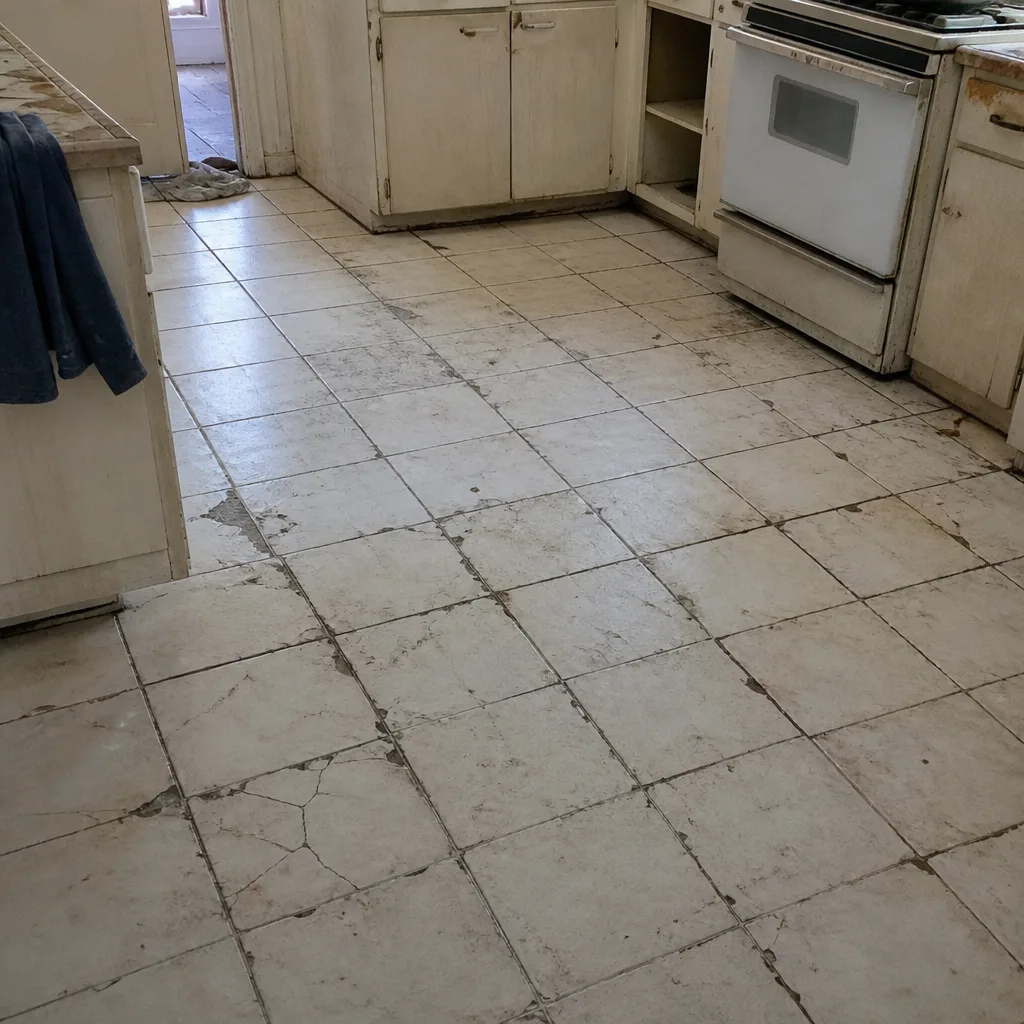 Before
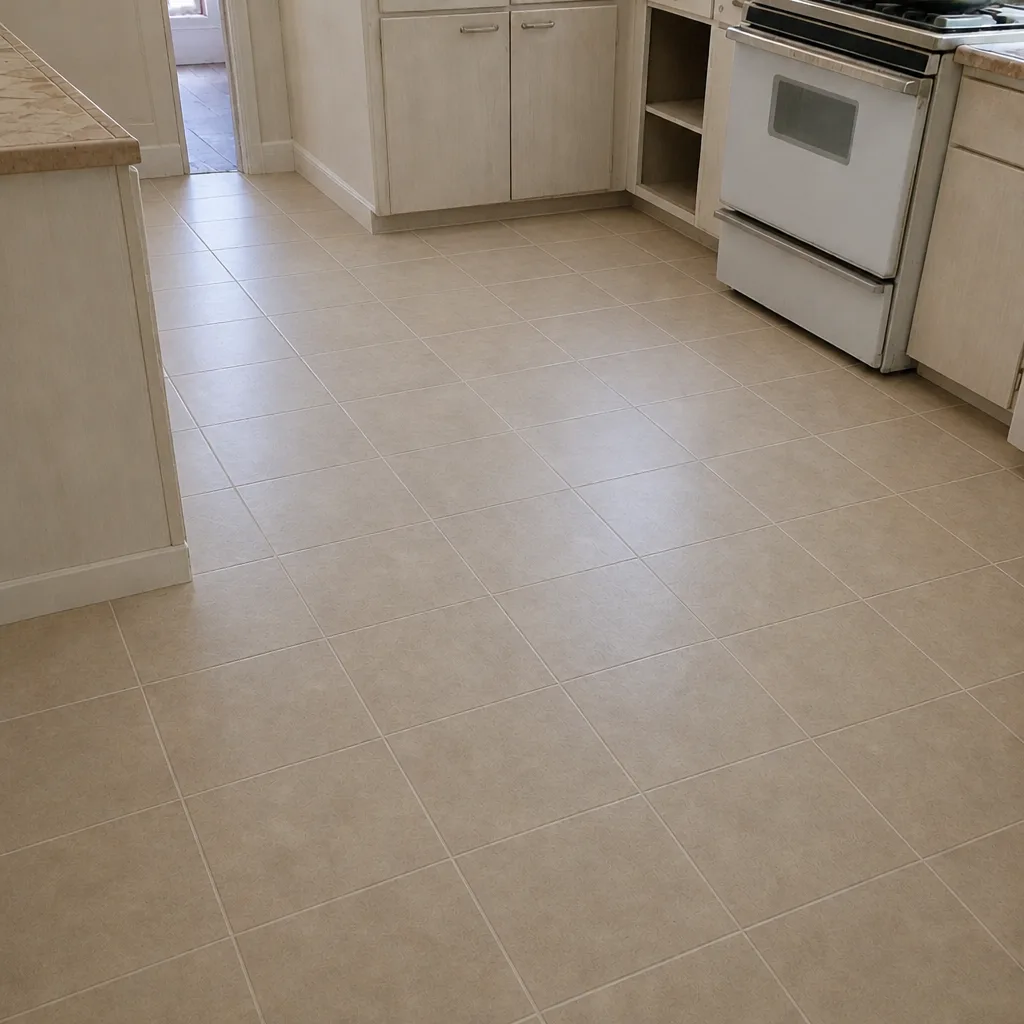 After
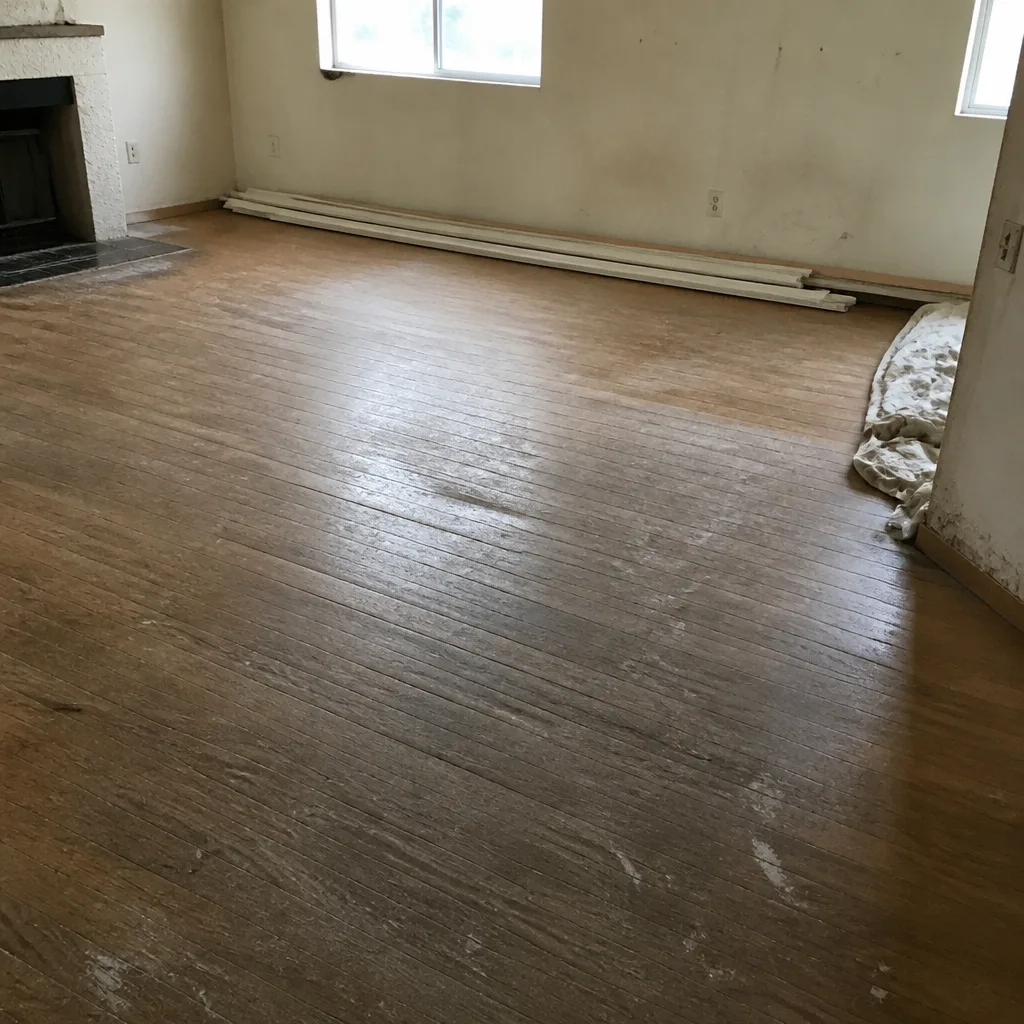 Before
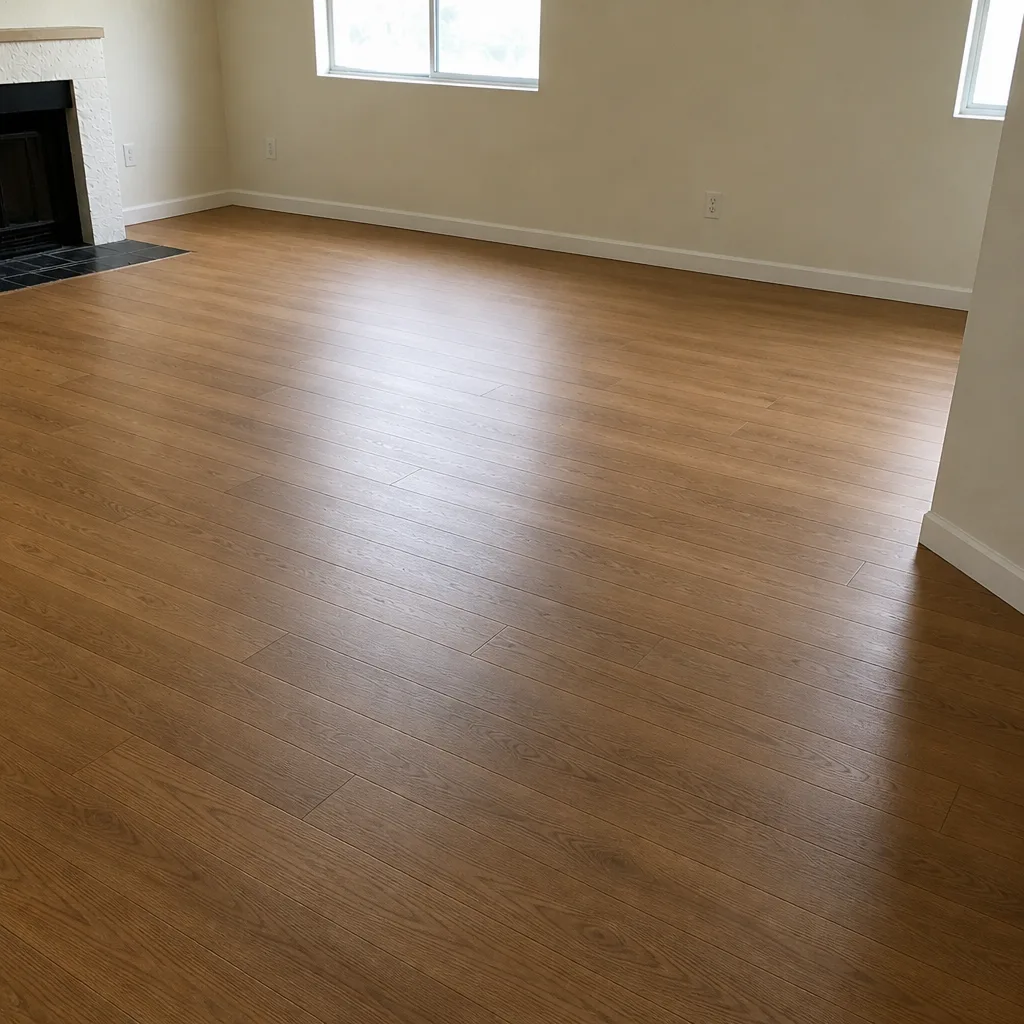 After
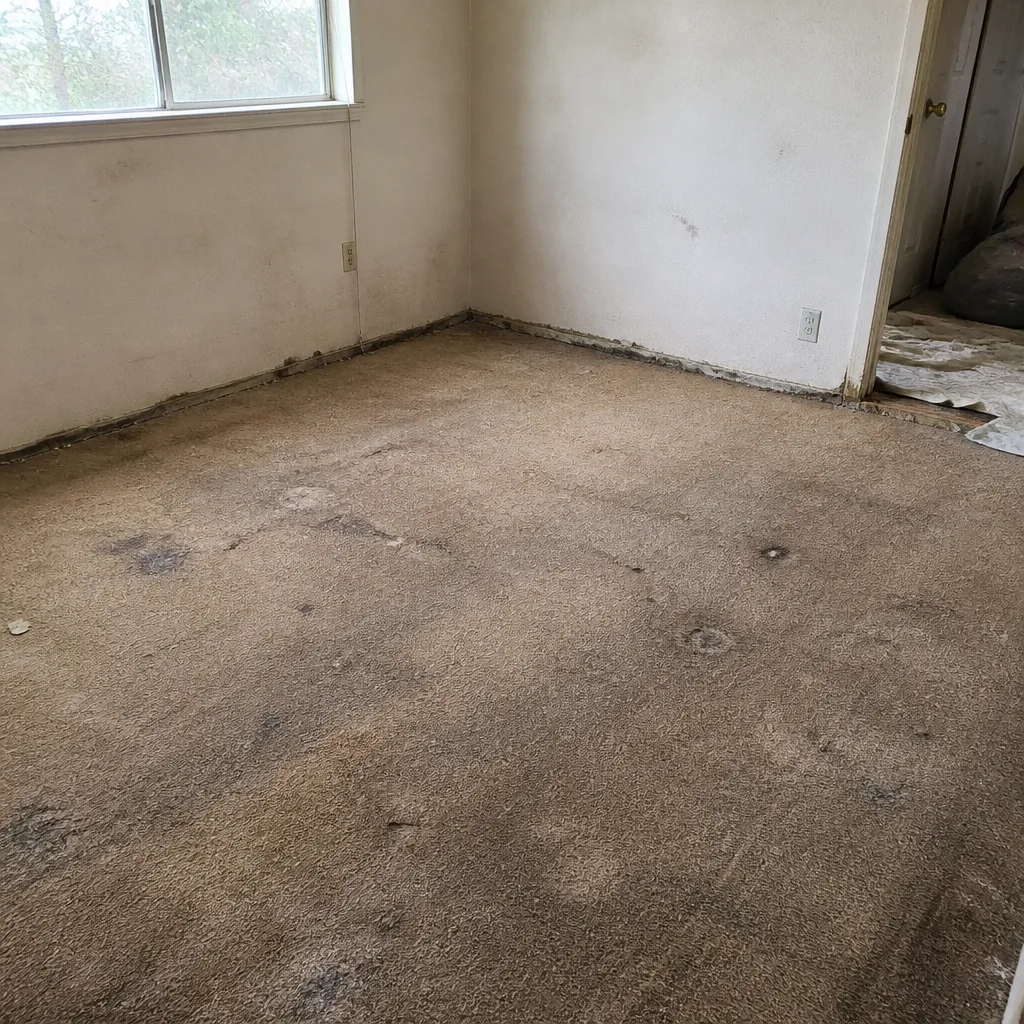 Before
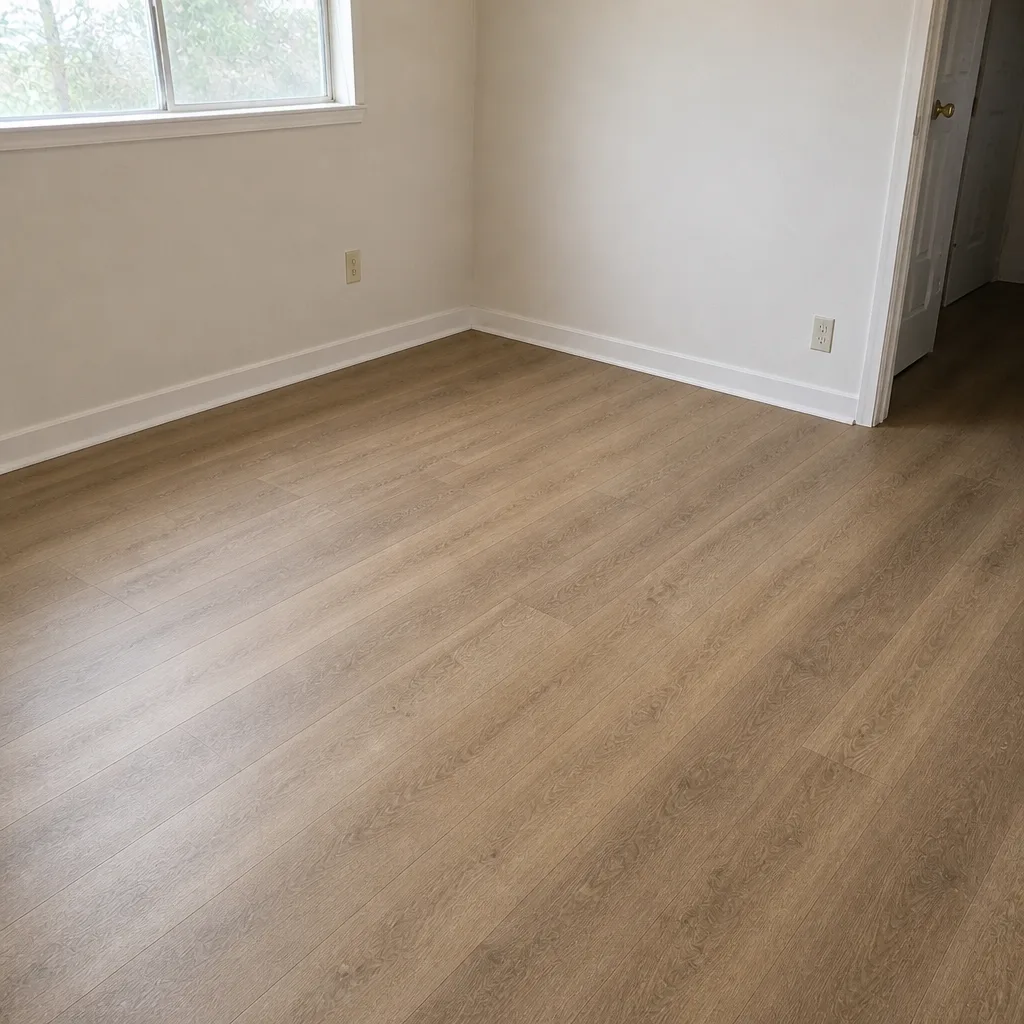 After
When to Call a Professional
Some flooring decisions are simple and some aren’t. Call a professional when the floor is over a concrete slab you haven’t had checked for flatness. Call when there’s existing tile to remove, because the removal is where most budgets go sideways. Call when you’re weighing refinishing against replacement on an existing hardwood floor, since only an on-site inspection of the wood thickness and condition can tell you which way to go. Call when you’re redoing more than one room and the transitions between them matter. And call when the quote you got from a big-box store has the prep line blank – that’s the number you need before you commit.
Floors North Las Vegas offers free estimates in North Las Vegas – call (888) 393-9180. We answer 24/7. Fast dispatch from 7am to 7pm, Sunday through Friday. The written estimate sets your final price, and the visit is free.
Frequently Asked Questions
Flooring installation in North Las Vegas typically runs $3 to $12 per square foot installed, depending on material – carpet at the low end, porcelain tile and premium hardwood at the high end. Hardwood refinishing runs $3 to $6 per square foot. Those are planning ranges; the written estimate from an on-site visit sets your actual price. Call (888) 393-9180 for a free estimate.
Because the per-square-foot price covers material and labor only. Subfloor leveling, existing tile removal, transition and threshold work, and haul-away add to the job, and those items are frequently left off promotional quotes. A written estimate that itemizes prep will match your invoice; a sticker price won’t. Call (888) 393-9180 to get an itemized estimate of your own.
Tile removal is one of the more labor-intensive prep steps in a North Las Vegas home, particularly on a concrete slab where the tile sits on a mortar bed. It’s priced per the specific job – the area, the mortar, and the access all matter – so it belongs on a written line in your estimate rather than a ballpark guess. Call (888) 393-9180 and we’ll quote it as part of your free estimate.
Usually, yes, if your wood is thick enough and in sound condition. Refinishing typically runs $3 to $6 per square foot and avoids the removal and disposal cost of a full replacement. Whether it’s a fit for your specific floor depends on the thickness of the wood and its condition, checked at the estimate visit. Call (888) 393-9180 to schedule one.
Yes. A diagonal lay typically adds 10 to 15 percent to both material waste and labor over the same square footage laid square, and herringbone runs higher still. The upcharge is real and should be on your written estimate as a separate figure. Call (888) 393-9180 and ask for both a square-lay and a diagonal price on the material you’re considering.
Yes. The in-home measure and written estimate are free, and there’s no charge for the visit. You get an itemized quote with material, labor, prep, and transitions spelled out – no obligation to book the job. Call (888) 393-9180 to schedule yours. We answer 24/7. Fast dispatch from 7am to 7pm, Sunday through Friday.
The Bottom Line
The per-square-foot number is a starting point, not a budget. A real flooring budget in North Las Vegas in 2026 has four lines: square footage plus waste, material and pad at the tier you choose, prep for removal and subfloor and transitions, and a contingency for what the estimate visit turns up. Get the prep itemized in writing, ask for both a straight-lay and a diagonal price if you’re weighing a pattern, and check hardwood floors for refinishing before you assume replacement. That’s the whole framework, and it’s the one that keeps the invoice matching the estimate.
If you’re ready to price a project – one room, several, or a whole home in carpet, tile, and resilient across the North Las Vegas area – we can put the numbers in front of you on a single written estimate. Our carpet installation and tile work and hardwood refinishing all come with free estimates. Nine brands, one specialist, one crew for the whole job. Call Floors North Las Vegas at (888) 393-9180 to schedule your free estimate. We answer 24/7. Fast dispatch from 7am to 7pm, Sunday through Friday.
Written by the team at Floors North Las Vegas.