
Last updated November 18, 2026
 Hardwood
 Engineered hardwood
 Luxury vinyl plank
 Laminate
 Porcelain tile
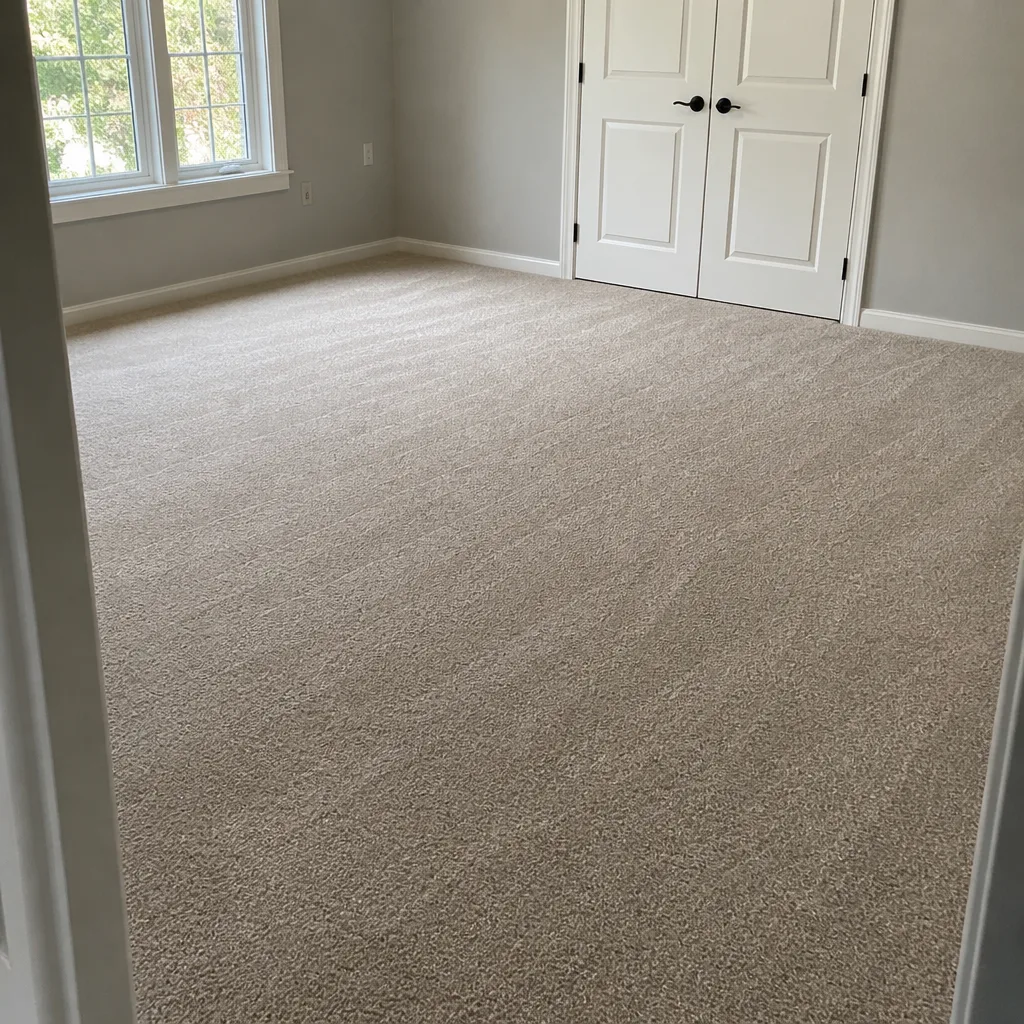 Carpet
 Shaw
 Mohawk
 COREtec
 Pergo
Free in-home measure and written estimate: Shaw, Mohawk, COREtec and Pergo lines compared on your own rooms, with carpet, tile, vinyl plank, laminate and hardwood laid out side by side
Get your free estimateFlooring Installation Questions to Ask Before You Sign
Homeowners tend to walk into a flooring project with two questions: how much per square foot, and how soon can you start. Both are fine questions, but neither one protects you. The question that actually tells you what you’re buying is simpler and far more useful: what does that price include, and what does it exclude, in writing? A quote that doesn’t define scope is just a number, and numbers are easy to change once your old floor is in a dumpster. What follows is the set of questions we believe every homeowner should ask before signing, drawn from working on floors across North Las Vegas and the surrounding valley. You’ll learn how to pin down scope, warranty coverage, installer accountability, and the change-order process so nothing about the job surprises you after the crew leaves.
Quick Answer
The questions that matter most before signing a flooring contract are about scope (what subfloor prep, furniture moving, and disposal are included), warranty structure (who backs the labor versus the product), installer accountability (same crew, employee or subcontractor), change-order protocol (how overages get authorized), and the post-install punch list. Price and timeline are downstream of those answers. A contractor who can’t give you clear, written responses to all five isn’t ready to start.
Styles & brands we work with
- Hardwood
- Engineered hardwood
- Luxury vinyl plank
- Laminate
- Porcelain tile
- Carpet
- Shaw
- Mohawk
- COREtec
- Pergo
Table of Contents
- What does the quote actually include? (Scope questions)
- What happens if the subfloor isn’t what you expected?
- Whose warranty covers what? Manufacturer vs. labor
- Who is actually installing your floor?
- How are unexpected costs authorized? The change-order protocol
- What happens after installation? Punch lists and defect reporting
- Material-specific questions for carpet, tile, and hardwood
- Climate and home-specific questions for North Las Vegas
What Does the Quote Actually Include? (Scope Questions)
Scope is the single biggest source of flooring disputes. Two quotes can show the same square footage and the same product and still represent wildly different jobs, because one includes removal, subfloor prep, and haul-away while the other doesn’t. Before you sign anything, get the contractor to spell out, line by line, what’s in and what’s out. That means asking directly: is demolition of the existing floor included? Is the old material hauled away or left at the curb? Is furniture moving part of the job or yours to handle?
These are not nitpicks. On a whole-home project in North Las Vegas, moving furniture out of three bedrooms and a living room can take half a day, and removal and disposal of old carpet, tile, or glued-down hardwood is real labor. A quote that quietly assumes you’ll handle those things isn’t cheaper, it just pushes the work back onto you after the crew arrives.
Here are the scope questions we recommend asking in writing:
- Is removal and disposal of the existing floor included, and where does it go?
- Is furniture moving included? Which rooms, and does it cover large items like beds and dressers?
- Is appliance moving included (refrigerator, washer, dryer)?
- What subfloor preparation is included, and what counts as “extra prep”?
- Are transitions, thresholds, and trim included?
- Is there a minimum job size or a charge for small rooms?
- What’s the payment schedule, and how much is due before work starts?
If a contractor hesitates on any of these, that’s your answer. The written estimate should be a complete picture of the job, not a starting point for negotiation once the floor is torn up.
What Happens if the Subfloor Isn’t What You Expected?
Almost every flooring project hits at least one surprise once the old material comes up. Uneven concrete, a soft spot in the plywood, moisture under a bathroom threshold, old adhesive that has to be ground off. These aren’t unusual; they’re the norm in older North Las Vegas homes and in newer builds where the concrete slab needs flattening before a rigid floor goes down. The question isn’t whether surprises happen but how they get handled.
Ask the contractor before work begins: how do you handle subfloor issues you find after removal? Do you stop and get authorization, or do you proceed and bill the extra later? What’s your process for showing me the issue? Are there photos? Do I get to approve the fix before it’s done?
The right answer is that the contractor stops, documents the problem, explains the fix, and gets written approval before proceeding. The wrong answer is “we’ll just handle it and add it to the invoice.” That’s how a project that was quoted in a comfortable range ends up in a different range entirely.
A few subfloor specifics worth covering at the estimate visit:
- How will you check for flatness and moisture on the slab, especially before installing hardwood, Karndean, or large-format tile?
- If leveling is needed, what’s the method and how is it priced?
- Is there a cap on how much unexpected prep can be added without a new written estimate?
- Who pays for the fix if the subfloor issue turns out to be something you should have caught at the estimate?
That last one matters. A good contractor takes responsibility for issues visible at the estimate. Ask where that line is drawn before you sign.
Whose Warranty Covers What? Manufacturer vs. Labor
Two warranties apply to every flooring installation, and homeowners routinely confuse them. The manufacturer’s warranty covers the product: if the wear layer on a LifeProof plank fails or a Karndean tile delaminates under normal use, the manufacturer is on the hook for the product. The labor warranty covers the installation: if the carpet ripples six months later or a tile comes loose, that’s on the installer. They are separate. They have different terms, different exclusions, and different claim processes.
Ask your contractor which warranty they back and which they don’t. Some flooring companies pass the manufacturer’s warranty through and offer a labor warranty of their own. Others pass both through and disappear after the job. Either arrangement can be legitimate, but you deserve to know which one you’re buying.
Specific warranty questions worth asking:
- Is the manufacturer warranty on the product backed by you, or do I file with the manufacturer directly?
- Does your labor warranty cover installation defects only, or also material failure?
- What’s the process for filing a labor claim, and who do I call?
- Does the warranty transfer to a new homeowner if I sell?
- What voids the warranty? (Frequent exclusions include moisture damage from below, improper cleaning, and DIY repairs.)
- Will you show me the written warranty documents before I sign, not just describe them verbally?
If a contractor can’t produce a written labor warranty, assume there isn’t one. Verbal promises about standing behind the work mean very little once the crew has moved on to the next job.
Who Is Actually Installing Your Floor?
One of the most common surprises in residential flooring is that the company you contracted isn’t the company doing the install. Many flooring companies, especially big-box retailers and generalist contractors, subcontract install work to independent crews. That’s not automatically a problem, but it changes who you call when something goes wrong. Ask the question directly: are the installers employees of the company, or independent subcontractors?
Either way, the follow-up questions matter more than the answer:
- Will the same crew who shows up on Day 1 finish the job, or could crews rotate? Continuity matters. A tile floor half-installed by one crew and finished by another is where quality slips.
- What’s the company’s process if installer quality is poor? Ask them to describe, concretely, what happens if a seam is visible or a grout line is uneven. Do they pull the crew off? Send someone back? What’s the escalation path?
- Who inspects the finished work, and on what day? Is there a walkthrough before the crew leaves, or is the quality of the install assumed?
- Who is your point of contact during the install? One name and one phone number, or a dispatch line?
These questions separate flooring specialists from generalist operations. A company whose business is floors has an install process, not just a subcontractor list. When you’re comparing contractors in North Las Vegas, the willingness to answer these questions directly is a good proxy for how carefully the work will be done.
How Are Unexpected Costs Authorized? The Change-Order Protocol
A change order is a written amendment to the original contract that adds, removes, or modifies work. Every honest contractor uses them; every nightmare flooring story involves a project that changed dramatically without one. The difference is authorization. If work beyond the original quote gets done without your written sign-off, you have no protection and no leverage at the end of the job.
Before you sign, ask four questions about changes:
- What’s the process for authorizing additions? Is it a signed change order, an email, a text? Written is what matters.
- Do you stop work and notify me before proceeding with anything beyond the estimate? Or do you complete it and invoice me afterward?
- Is there a cap on how far the project can deviate from the original quote without a new estimate? A hard percentage cap in writing is one of the best protections a homeowner can ask for.
- How are credits handled? If something included in the original quote turns out not to be needed, does the price go down?
A contractor who hesitates on a cap is telling you something. A contractor who confirms they’ll stop, show you the issue, and get written approval before doing any extra work is telling you something too. The second conversation is the one you want to be having.
What Happens After Installation? Punch Lists and Defect Reporting
The punch list is a written list of outstanding items to be completed or corrected before the job is considered finished. Every project has one; the good ones are short, and the bad ones grow longer once the crew leaves. Ask, before installation, what the punch list process looks like. Who creates the list? Does the contractor walk the job with you at the end, or do you submit items in writing afterward? When do corrections happen?
Beyond the punch list, ask about the defect reporting window. Every flooring installation has a period during which minor issues are expected and corrected without a fight. Carpet seams may need attention after settling. A tile might work loose. Transition strips can shift. Ask the contractor to spell out the timeframe for reporting defects, and how those reports get handled: an email to the company, a phone call, or a routed claim with the manufacturer directly.
Specifics worth asking:
- What’s the walkthrough process at the end of the job?
- Do I get a written closing document showing the punch list items are complete?
- How long do I have to report defects after installation?
- Are cosmetic issues (a scratch, a small gap) covered separately from functional issues (loose tile, wrinkled carpet)?
- If a repair is needed, who comes out, and on what schedule?
The best answer here is that the company handles defects directly and handles warranty claims as a single point of contact. The worst is a shrug and a referral to the manufacturer’s customer service line. When you’re buying a floor, you’re also buying the process of having issues resolved.
Material-Specific Questions for Carpet, Tile, and Hardwood
Once general scope and process questions are answered, material-specific questions come into play. Each surface has its own set of things worth knowing. Working with a flooring specialist who handles all three primary categories means you can ask these questions in one conversation rather than three. For carpet, for example, ask about face weight and the difference between a plush and a textured surface, plus how the installer will handle seams in a room wider than the roll. For tile, ask about rectified versus non-rectified edges, grout joint width, and whether crack isolation membrane is included over concrete.
For hardwood and refinishing, ask how they plan to check for existing finish thickness before sanding, and how they’ll handle a stain sample approval. Refinishing isn’t possible on every floor; it depends on the wood’s thickness and condition, which is checked at the estimate visit. For projects across multiple rooms, ask whether one crew will handle the whole job or whether you’ll be coordinating different installers for different surfaces. Running carpet in one wing and tile in another under a single scope is one of the reasons we encourage homeowners to have a single specialist rather than three contractors.
Brands matter here too, but in a specific way. Ask which brands the company works with, and whether the brand you want is actually in their regular portfolio or special-ordered. A shop that carries Shaw and Mohawk for carpet, COREtec or LifeProof for vinyl, Daltile for tile, and Karndean for premium resilient is a shop that can speak to trade-offs across the whole surface list. A shop that has one house brand is a shop that will steer you toward it, whether it fits your room or not.
Climate and Home-Specific Questions for North Las Vegas
North Las Vegas homes deal with a specific combination of conditions that affect flooring choices: dry air most of the year, intense summer sun through west- and south-facing windows, and a lot of slab-on-grade construction. Those factors show up in the details, and the right contractor will have answers. Ask how the install accounts for dry interior air in winter and the expansion that comes with summer heat. Ask whether the flooring product being quoted is rated for the temperature swings a room facing the afternoon sun will see. Ask how the slab in a room you’re planning for tile or vinyl will be checked for moisture, because moisture wicking up through concrete is a real concern over time and standing water or below-slab moisture still has to be dealt with, even with water-resistant materials.
Neighborhoods across North Las Vegas, from older ranch homes to newer construction, have different subfloor realities. An older home might have a floor that’s been added over original slab, with layers to sort out. A newer build might have plywood or engineered subfloor that responded to valley temperature swings. Neither is a problem, but each calls for a different approach at the estimate. Ask the contractor what’s typical for the age and construction of your specific home, and what prep they’d expect.
The sun itself is worth a question. A room with years of direct sun exposure will show wear differently than a shaded one, and the surface you choose should match that reality. Whether it’s carpet in a bedroom that gets morning sun or tile in a kitchen that takes afternoon light, the right product and install approach account for it. In our experience, homeowners who ask about sun exposure and slab moisture before installation end up happier with the finished floor than ones who don’t. If you’re weighing carpet installation against tile or hard surface for a sun-baked room, that conversation is worth having.
Common Mistakes to Avoid
- Signing a quote with no written scope. If the estimate is one line and one number, you’re not buying a defined job. Ask for a line-item scope before signing.
- Assuming furniture moving is included. It often isn’t. Confirm in writing which rooms and which pieces the contractor moves.
- Confusing the product warranty with the labor warranty. They’re different. Confirm who backs each one and get the paperwork.
- Accepting “we’ll sort it out if there are issues” on subfloor prep. That’s not a protocol. Ask for the written stop-and-authorize process.
- Not asking whether the same crew will finish the job. Rotating crews is a common quality problem. Get a commitment.
- Skipping the punch list walkthrough. If you don’t walk the job with someone at the end, you’ve handed away your chance to catch issues while they’re easy to fix.
- Choosing a contractor who only handles one surface. If you’re doing carpet in one room and tile in another, a single specialist is easier to coordinate than two or three contractors with different schedules.
- Assuming hardwood refinishing is always possible. It depends on the wood’s thickness and condition. Ask how they check, and be prepared for the answer to be no.
- Overlooking the local climate’s effect on the install. Slab moisture and sun exposure change what’s right for a room. Ask about them.
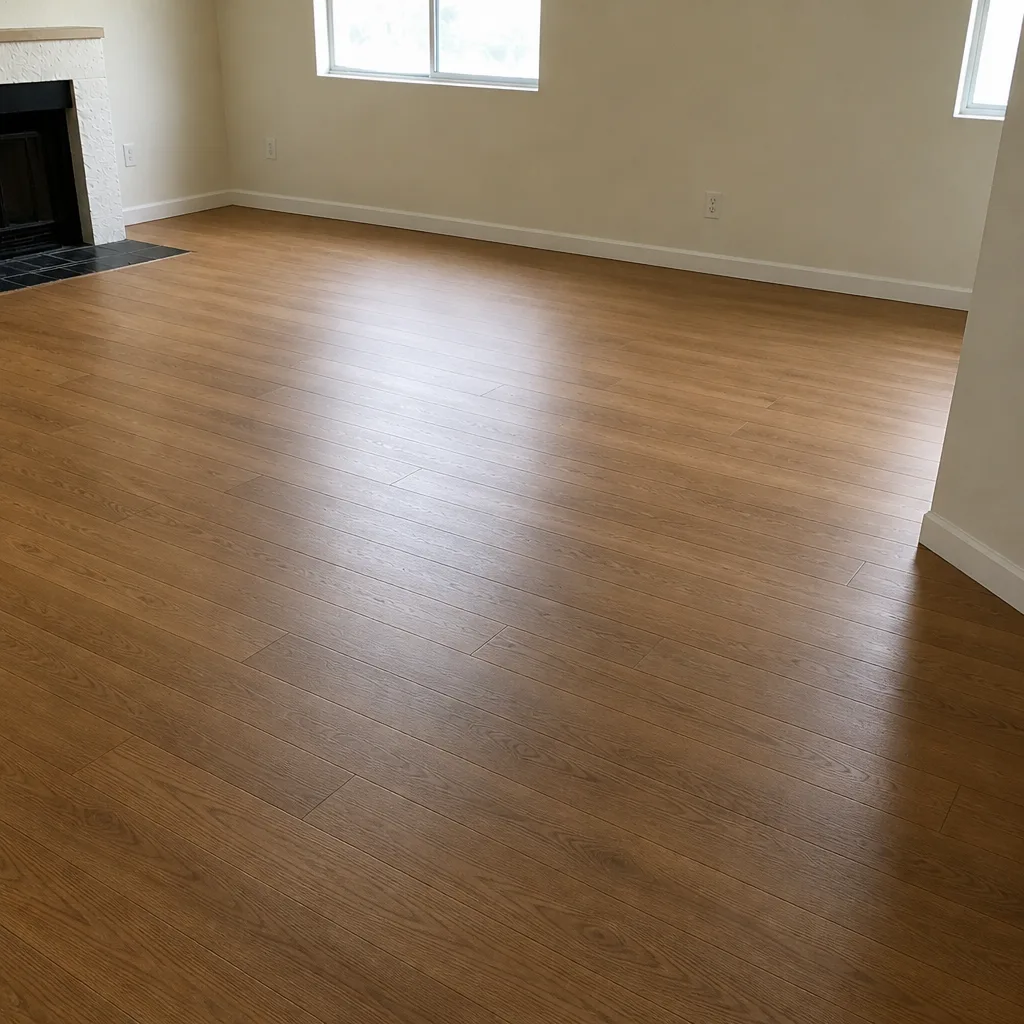
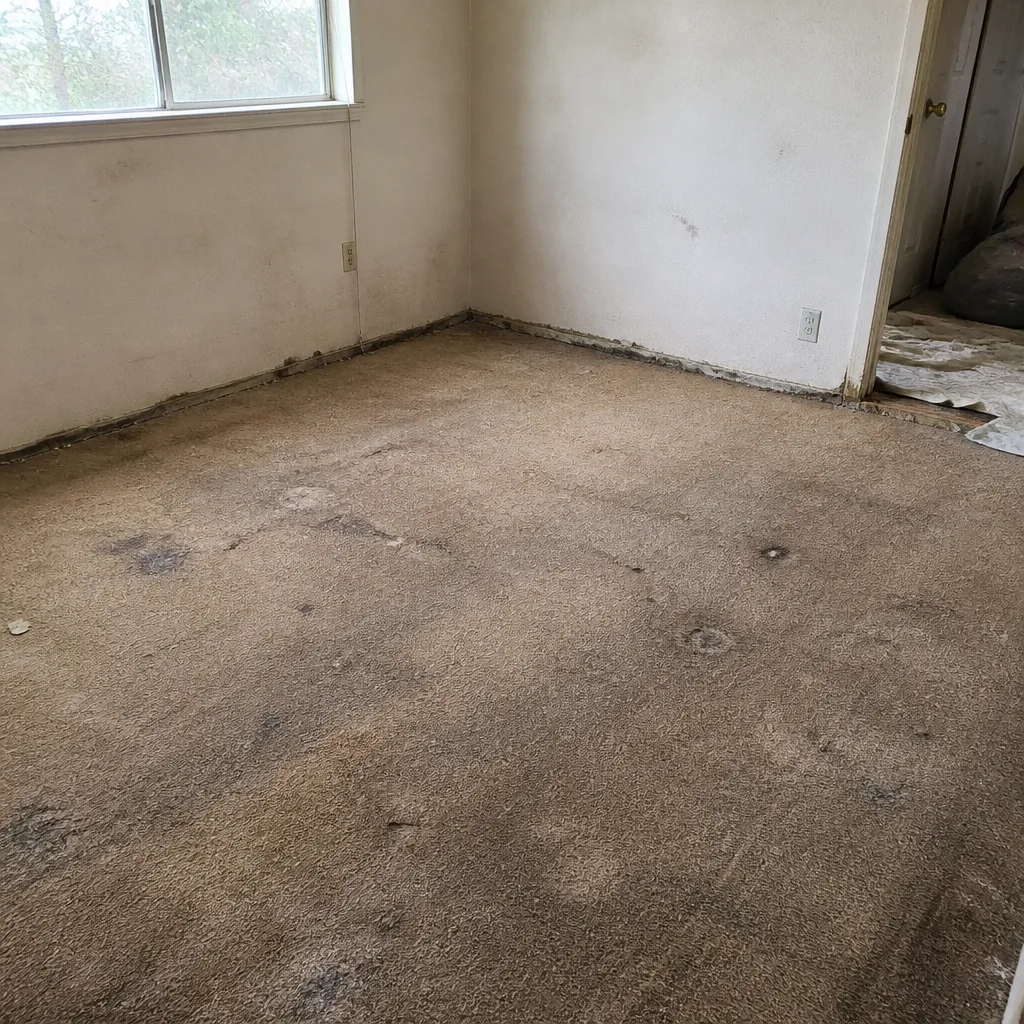
See the difference
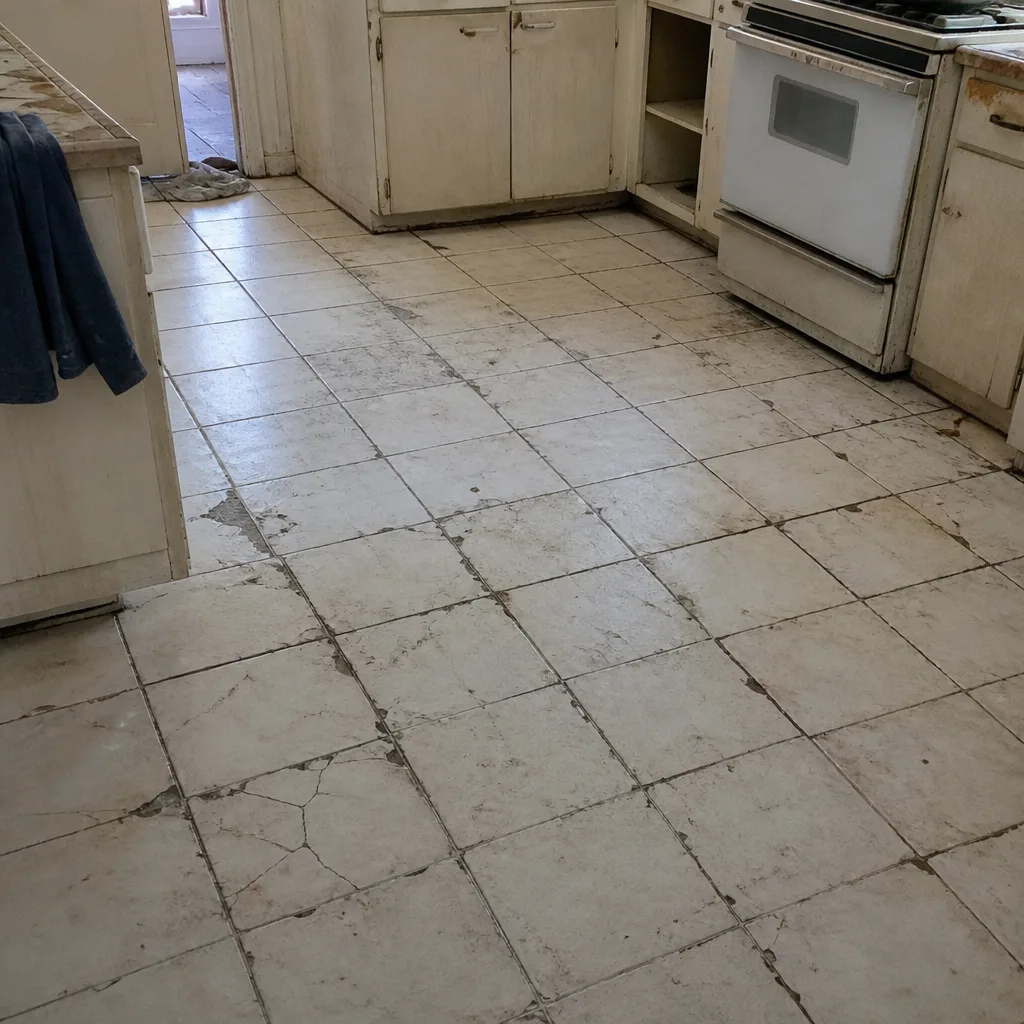 Before
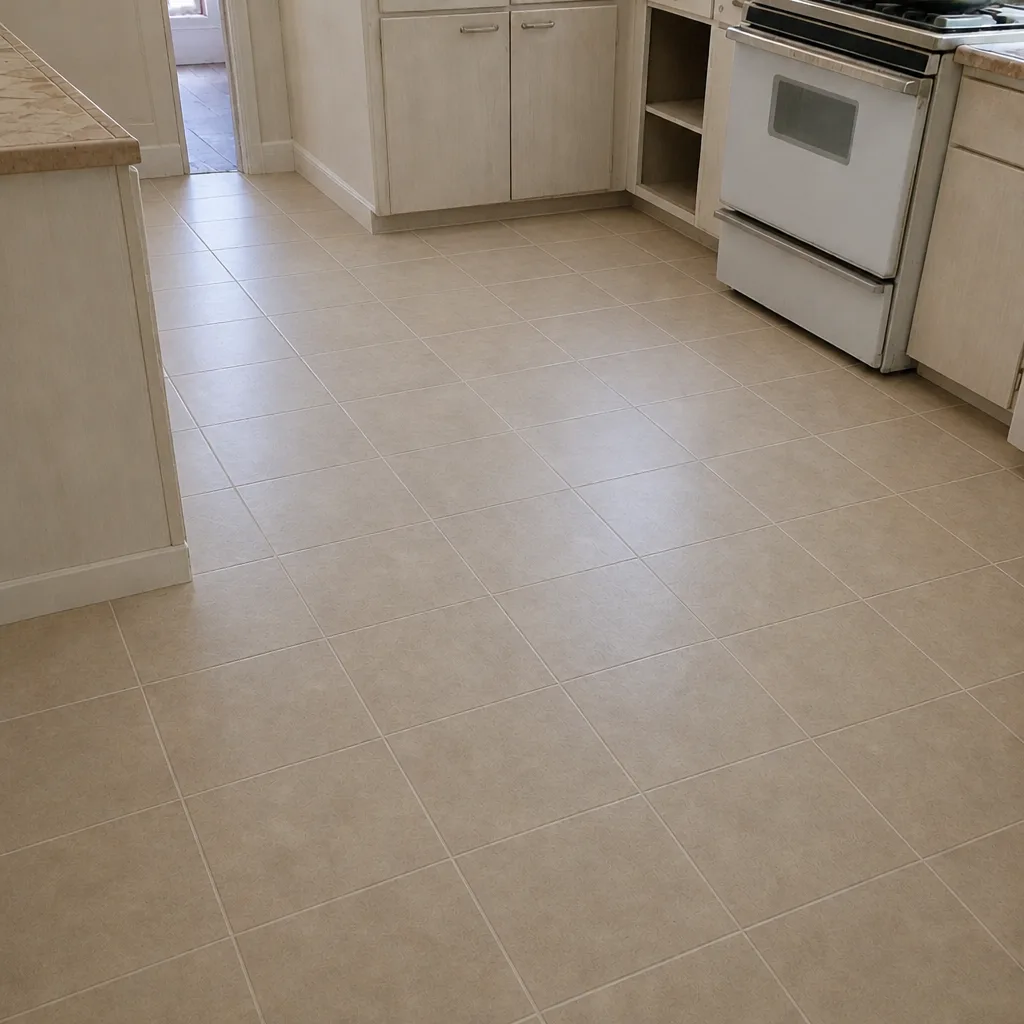 After
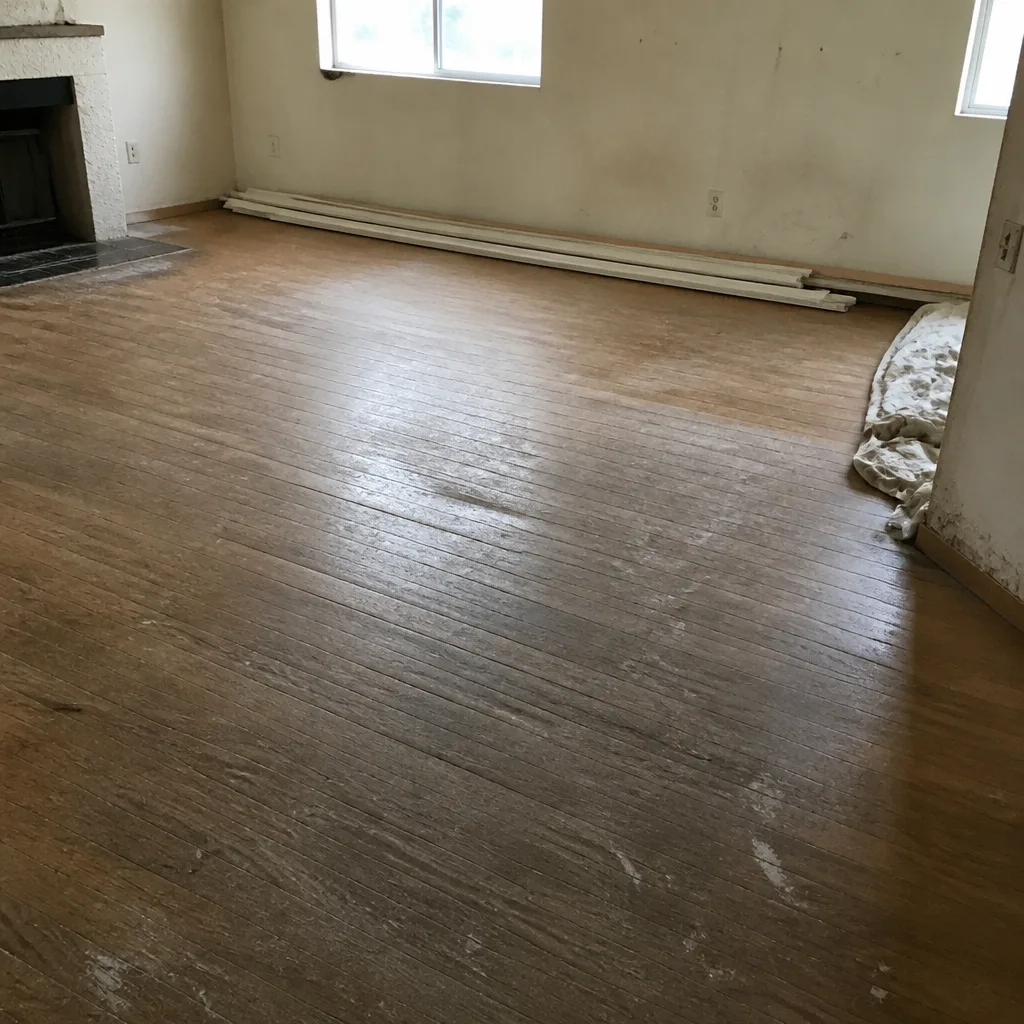 Before
 After
 Before
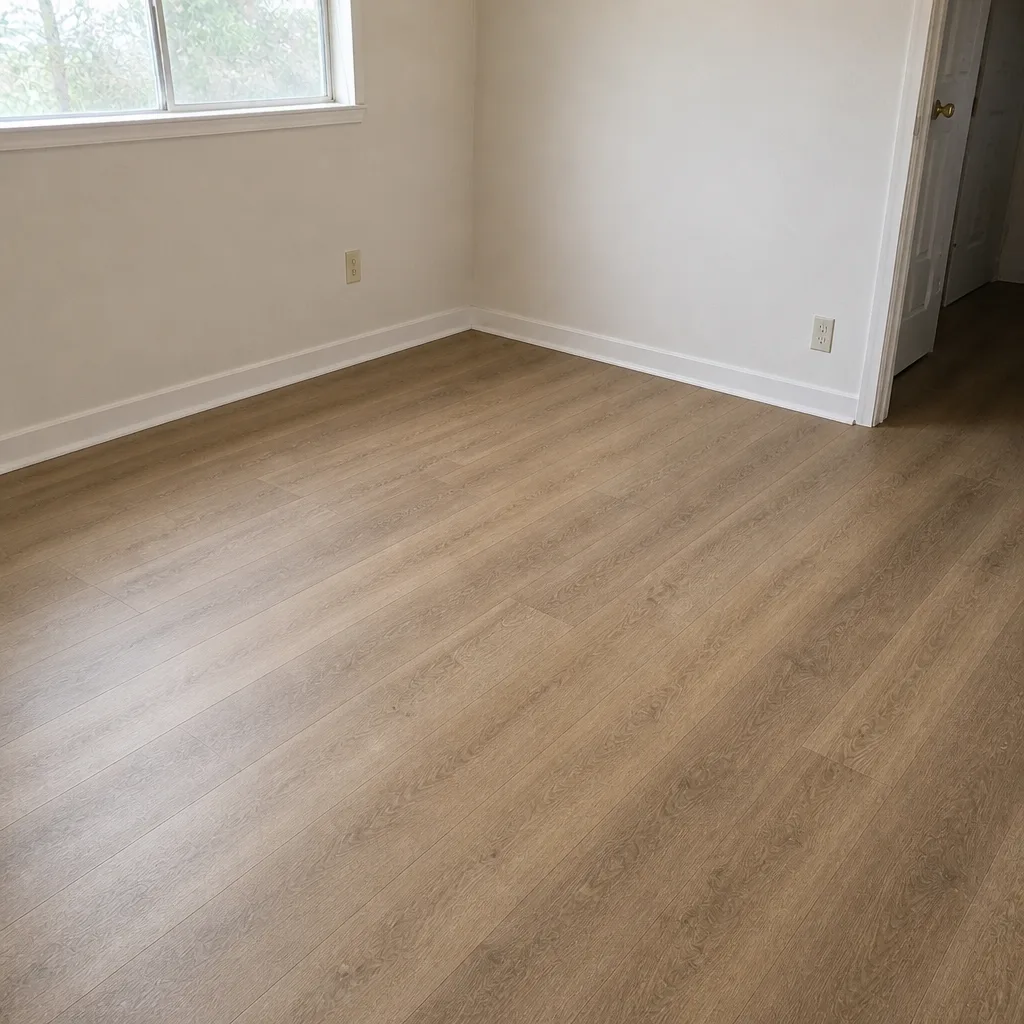 After
When to Call a Professional
Some flooring projects are within reach for a confident homeowner. Most aren’t, and the ones that go wrong tend to go wrong expensively. If you’re pulling up old carpet, installing tile over a concrete slab, laying hardwood, or making any repair where moisture is a factor, you’re better served by a trained installer. The same goes for refinishing: sanding a floor isn’t a weekend project, and a badly executed refinish can’t be undone without removing the wood. Structural questions, subfloor issues, and anything that touches an existing floor system belong in a pro’s hands. If you’re unsure where your project falls, call. Floors North Las Vegas offers free estimates in North Las Vegas, and our technicians have up to 11 years of experience working with carpet, tile, hardwood, and premium resilient floors. Call (888) 393-9180. We answer 24/7. Fast dispatch from 7am to 7pm, Sunday through Friday.
Frequently Asked Questions
Ask about scope (what’s included in removal, subfloor prep, furniture moving, and disposal), warranty structure (who backs the labor versus the product), installer accountability (same crew, employee or subcontractor), change-order protocol (how overages are authorized in writing), and the punch list process (walkthrough, defect-reporting window, and how claims are handled). Price and timeline matter, but those five questions are the ones that protect you after the work begins.
No, they cover different things. The manufacturer warranty covers the product itself; the labor warranty covers installation defects, like a carpet seam coming loose or a tile that lifts. Ask your contractor which warranties they back directly and which pass through to the manufacturer. Get both in writing before signing. Call (888) 393-9180 if you’d like to talk through how warranty coverage works for the specific product you’re considering; estimates are free.
Installation timing depends on the surface, the size of the rooms, subfloor condition, and product. Carpet in a typical room can go in fairly quickly; tile and hardwood take longer per square foot because of setting, cutting, and finish work. The best way to know is to get a written estimate with an install schedule attached. Call (888) 393-9180 to schedule your free in-home estimate in North Las Vegas, and the timeline is yours in writing.
That’s common, especially with slab-on-grade construction in North Las Vegas. The right process is for the contractor to stop work, show you the problem, explain the fix in writing, and get your approval before doing the additional prep. Ask your contractor to confirm this stop-and-authorize process before signing. If they plan to “handle it and add it to the invoice,” find another contractor.
Yes. We provide free estimates for whole-home and multi-room projects across North Las Vegas, whether you’re replacing carpet in one bedroom, installing tile in a bathroom and kitchen, or refinishing hardwood in a living space. Call (888) 393-9180 to schedule your estimate. Estimates are free and the written quote sets the price.
Not necessarily. Furniture moving is sometimes included and sometimes not, so ask specifically. Confirm in writing which rooms and which items the contractor handles. Large pieces like beds, dressers, and appliances are worth naming directly to avoid confusion on install day. If furniture moving isn’t included in the quote, you’ll want to plan for it yourself before the crew arrives.
The Bottom Line
The flooring questions that protect you aren’t about price per square foot. They’re about scope, warranty, installer accountability, change-order protocol, and what happens after installation. Get clear, written answers to those five, and you’re set up for a smoother project than most homeowners get. Also ask about how the local climate affects your specific home and room, because North Las Vegas conditions show up in ways a national product page won’t mention. If you’re planning a flooring project and want to start with a real conversation, call us. We work with nine brands across carpet, tile, hardwood, and premium resilient floors. tile flooring installation and North Las Vegas projects are a regular part of what we do.
Ready to walk through your project? Call (888) 393-9180 to schedule a free estimate in North Las Vegas. We answer 24/7. Fast dispatch from 7am to 7pm, Sunday through Friday. The estimate is free, the written quote sets the final price, and you’ll leave the conversation knowing exactly what you’re buying before you sign anything.
Written by the team at Floors North Las Vegas.