
Last updated November 18, 2026
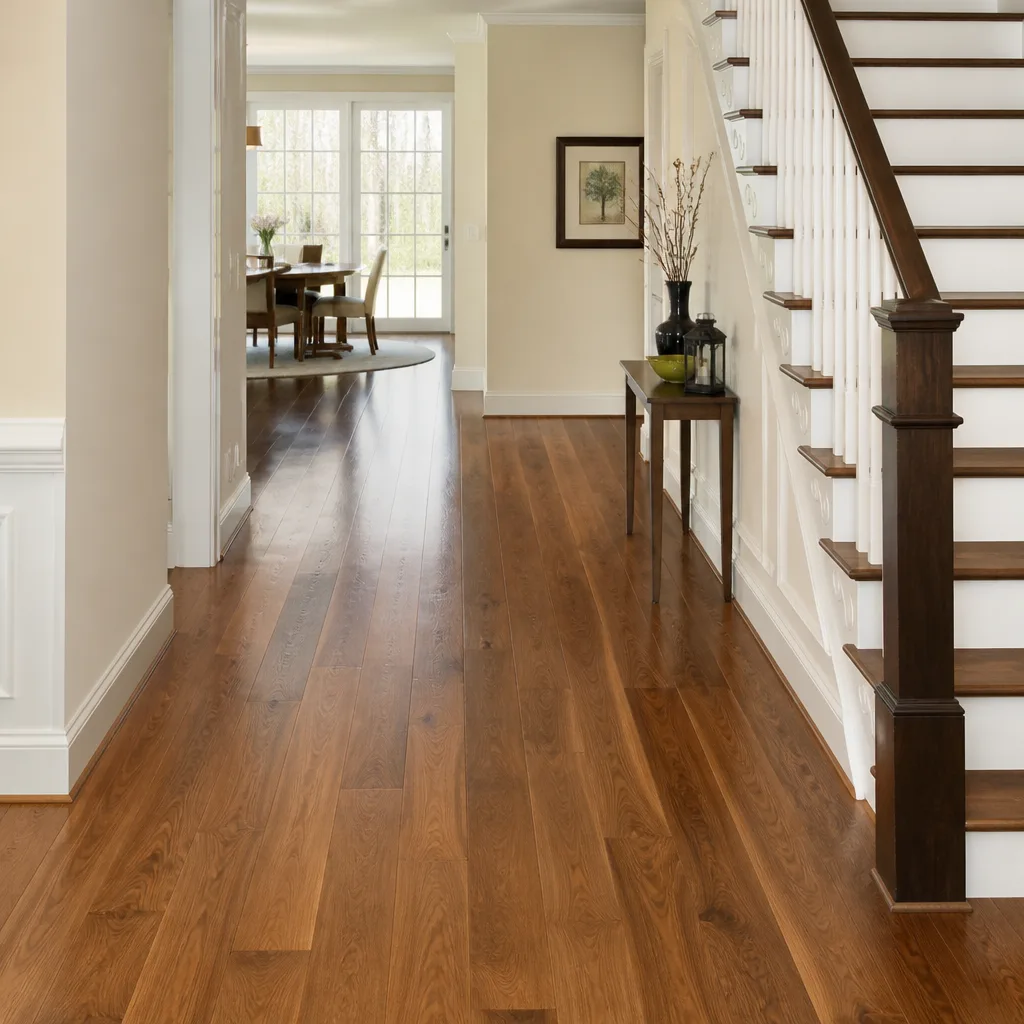 Hardwood
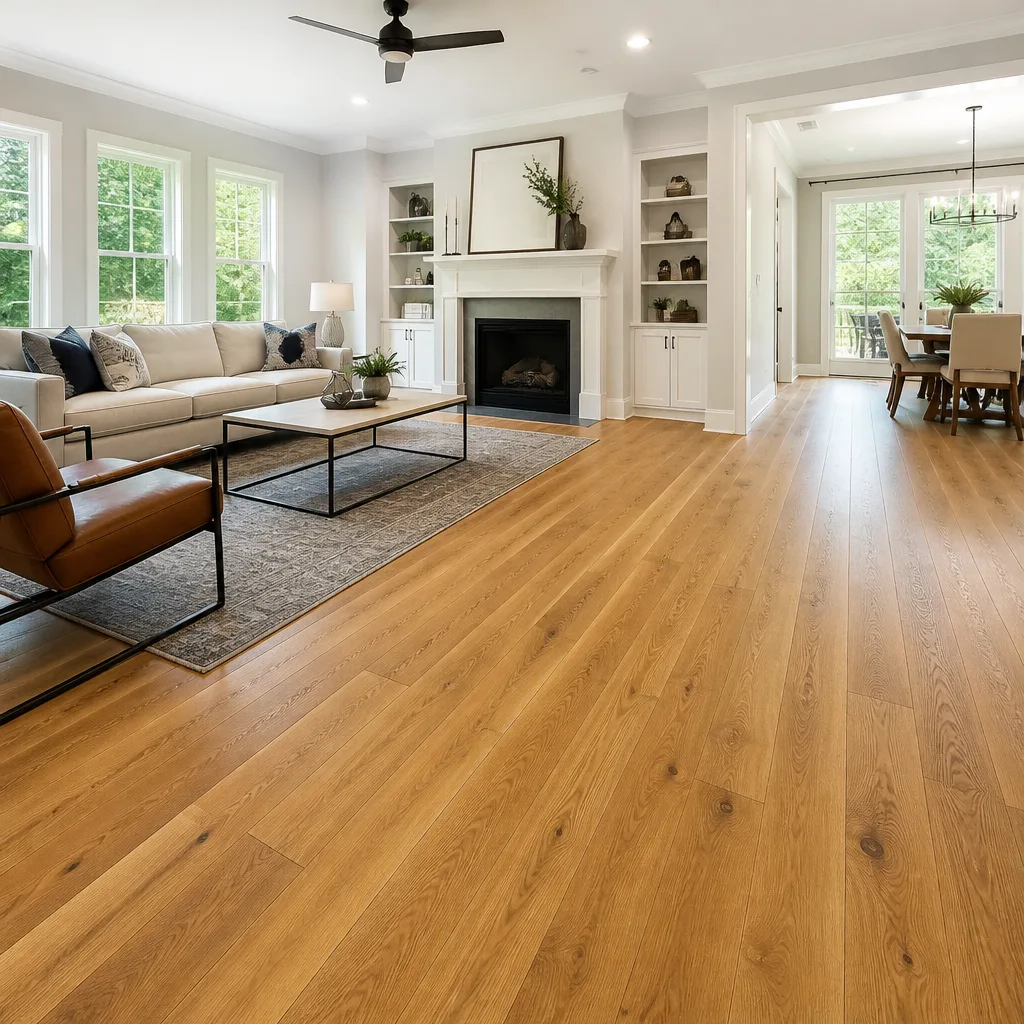 Engineered hardwood
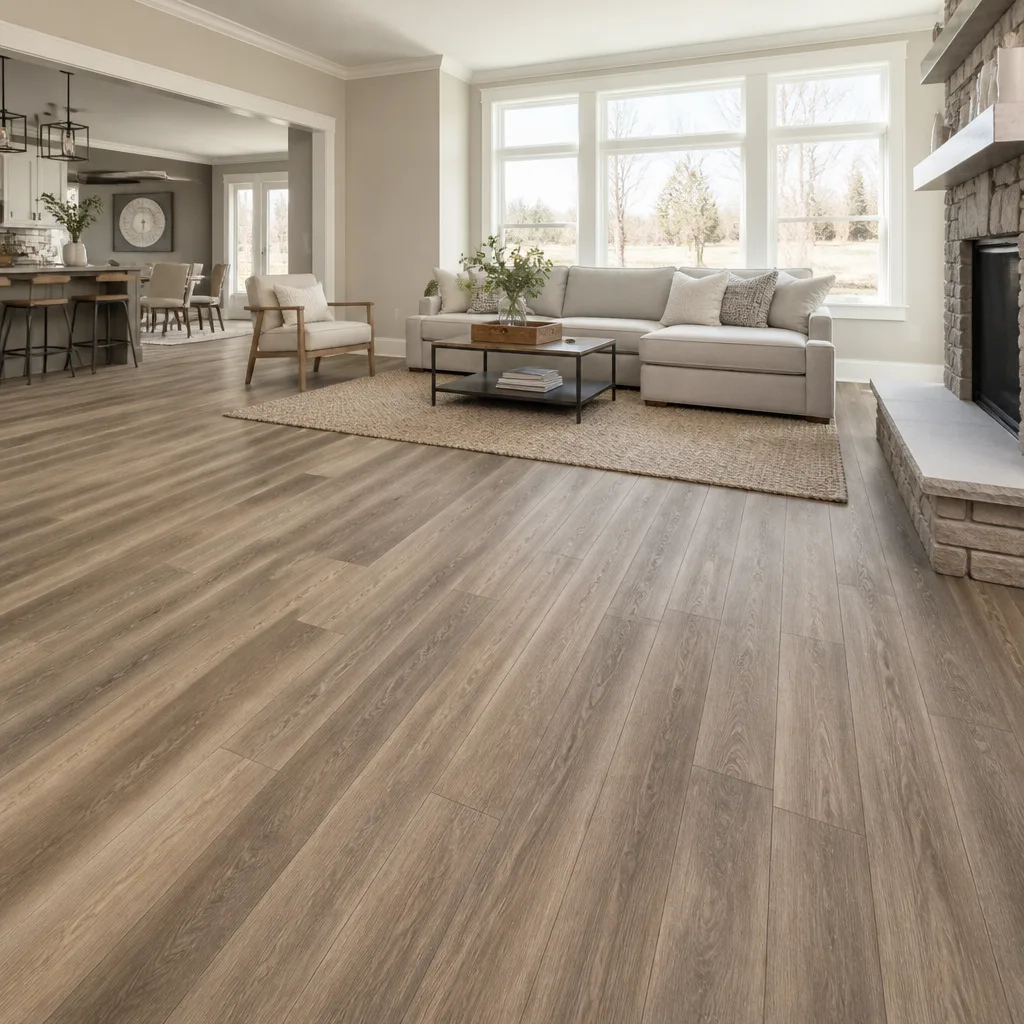 Luxury vinyl plank
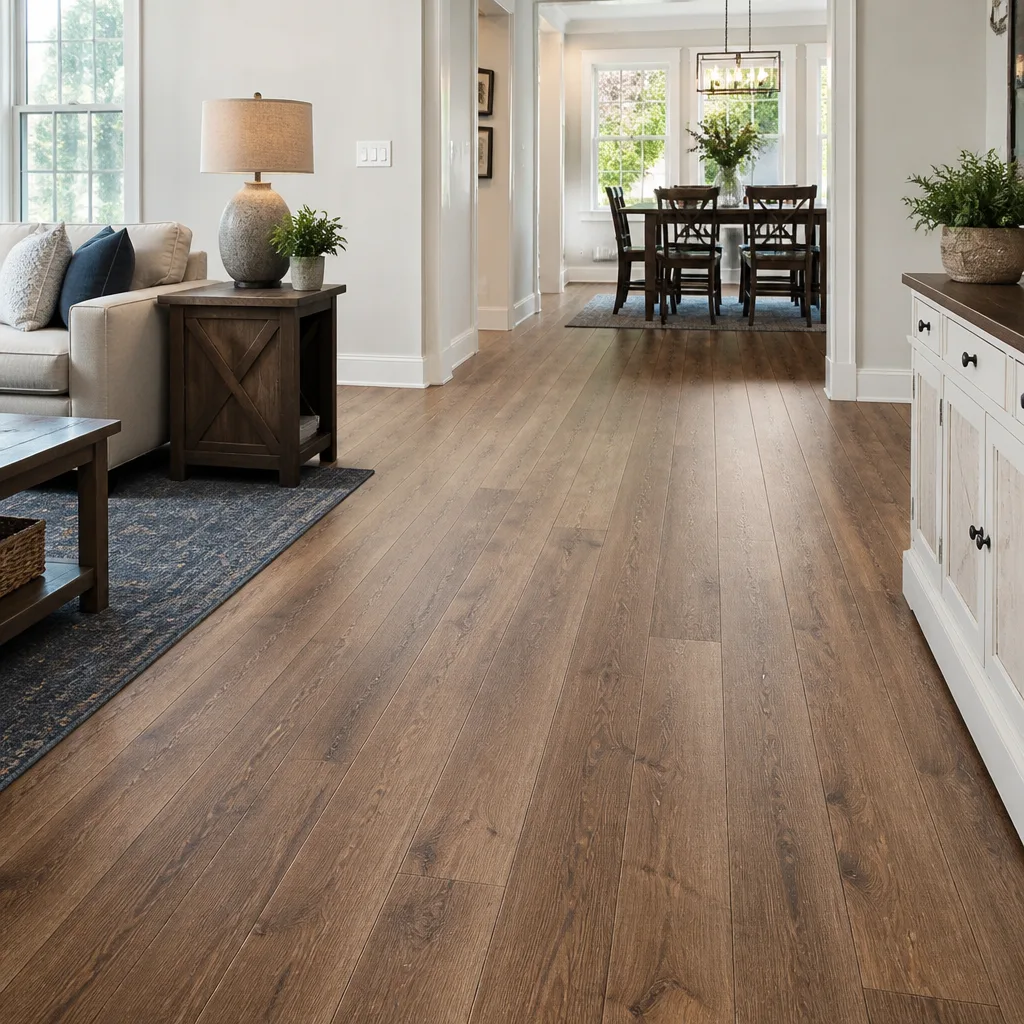 Laminate
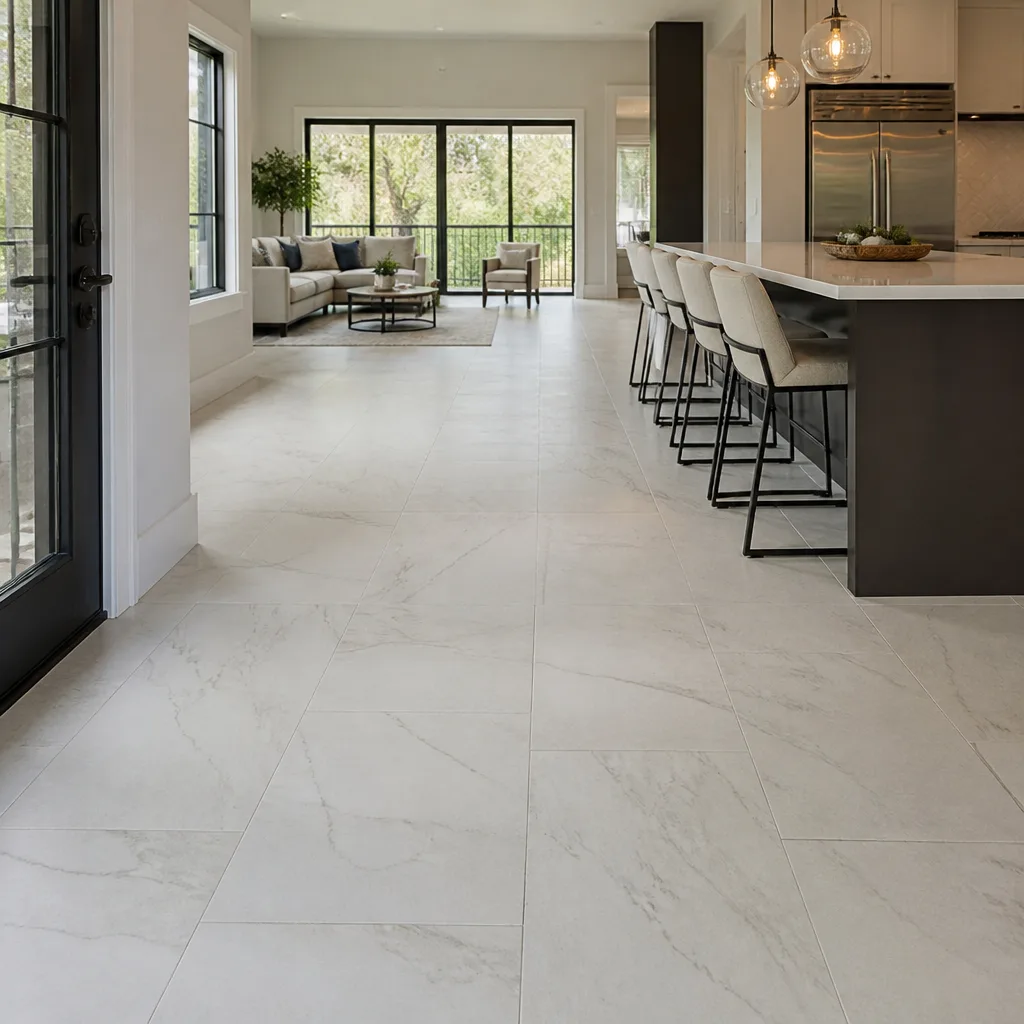 Porcelain tile
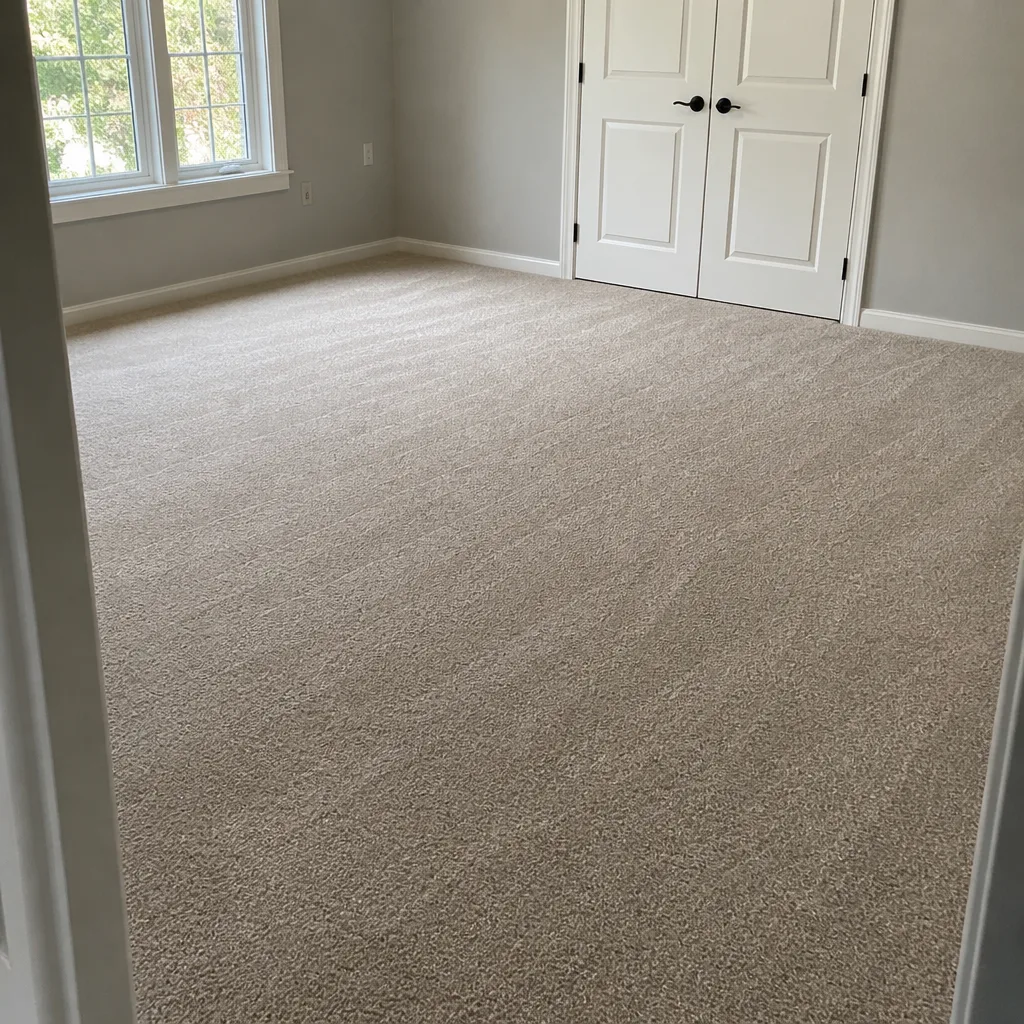 Carpet
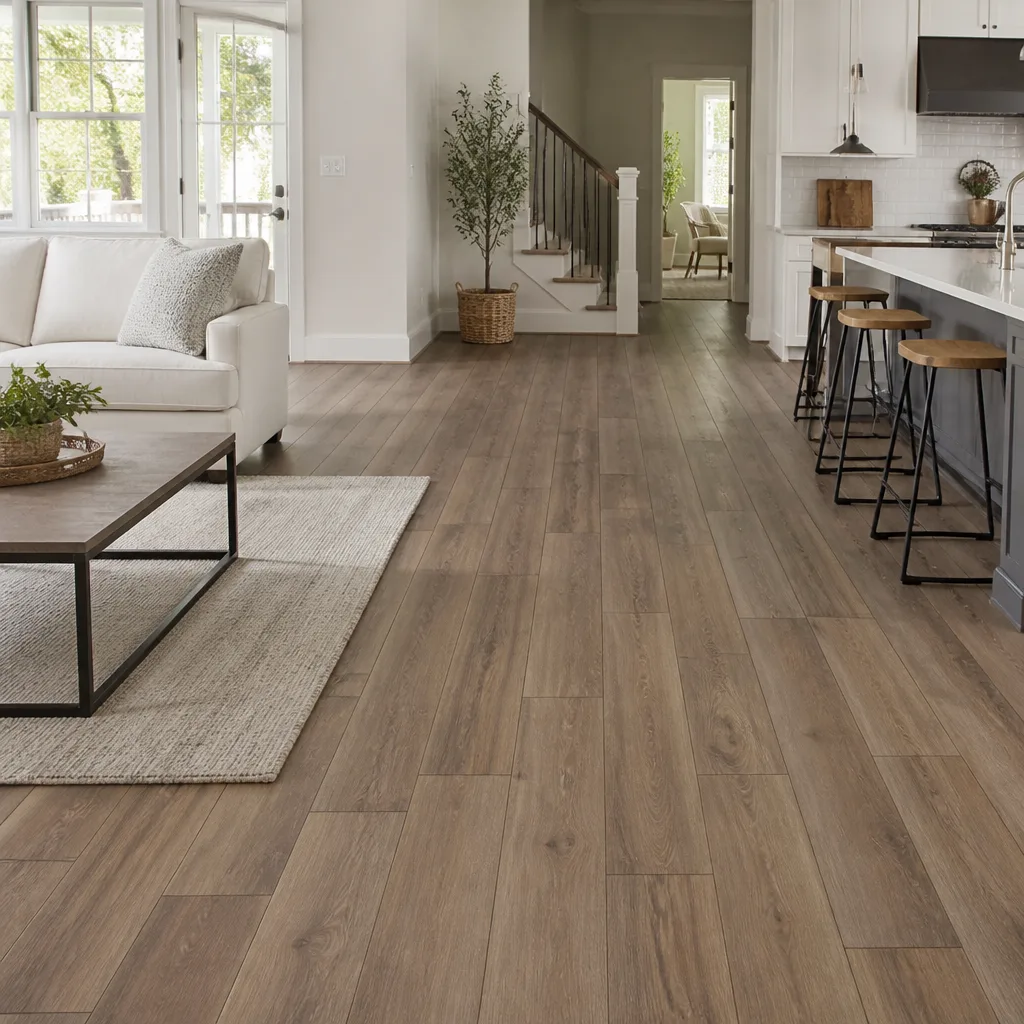 Shaw
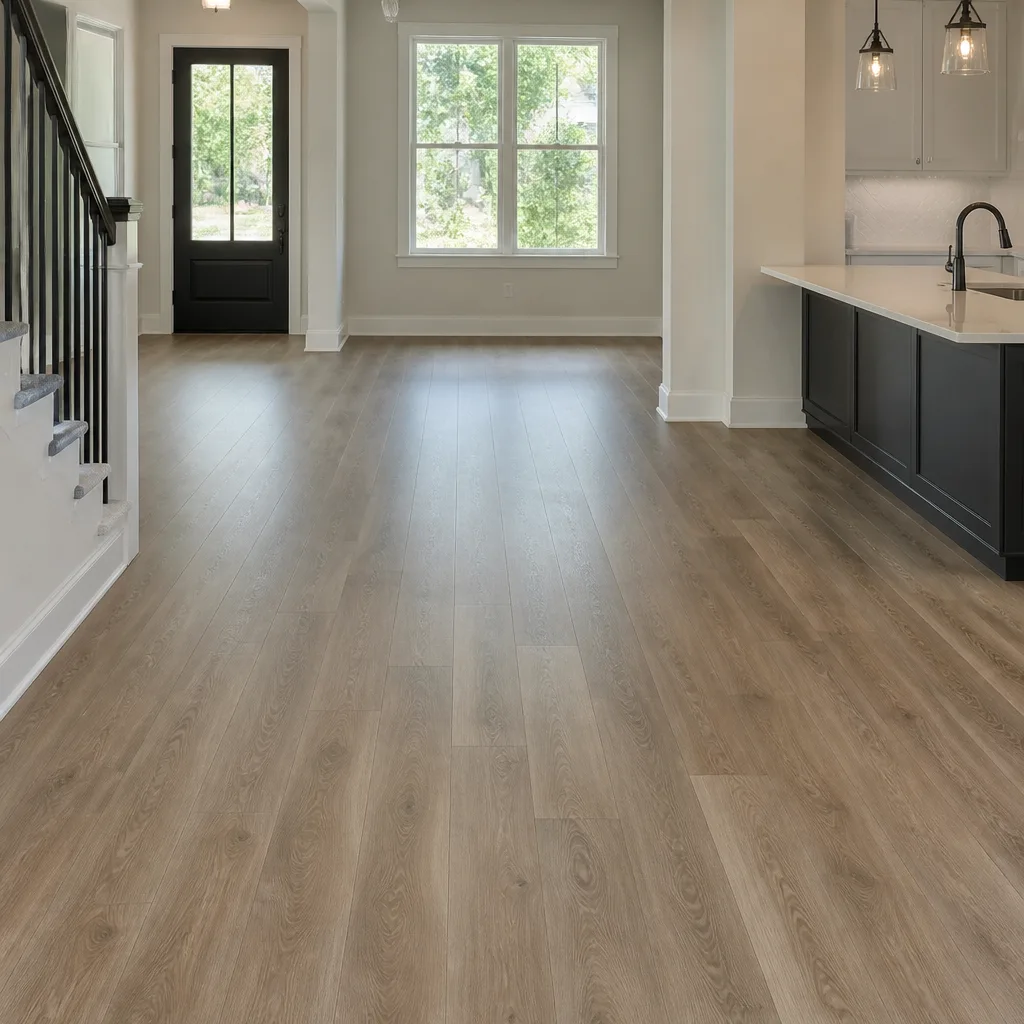 Mohawk
 COREtec
 Pergo
Free in-home measure and written estimate: Shaw, Mohawk, COREtec and Pergo lines compared on your own rooms, with carpet, tile, vinyl plank, laminate and hardwood laid out side by side
Get your free estimateFix It or Start Over: Flooring Repair vs Replacement
Most homeowners who ask “repair or replace?” are really asking for a price. That’s the wrong first question. A $200 patch on a floor with moisture creeping under the subfloor buys you a few months before the same failure comes back bigger. The decision that actually matters is whether the damage is cosmetic, mechanical, or systemic – and only the first two reliably support a repair. North Las Vegas adds a wrinkle to that math: desert heat and dry air stress floors in ways that humid climates don’t, and the resulting damage often looks like a surface problem when it isn’t. This guide walks through how to tell the three damage types apart, how they play out in hardwood, tile, LVP, and carpet, and how to run the numbers honestly.
Quick Answer
Repair a floor when the damage is cosmetic or a contained mechanical failure – surface scratches, a few loose boards, one cracked tile with sound substrate underneath. Replace when the damage is systemic: subfloor moisture, failed adhesive across a whole room, widespread buckling, or wood too thin to refinish. The practical rule most flooring specialists use is repair cost versus replacement cost, plus the age of the floor and whether the damage is spreading. If a repair fixes a symptom rather than a cause, it usually costs more over two years than replacing once.
Styles & brands we work with
- Hardwood
- Engineered hardwood
- Luxury vinyl plank
- Laminate
- Porcelain tile
- Carpet
- Shaw
- Mohawk
- COREtec
- Pergo
Table of Contents
- The Three Types of Floor Damage (and Which Ones Support Repair)
- Hardwood: When Refinishing Saves the Floor and When It Doesn’t
- Tile: Why One Cracked Tile Is Rarely Just One Cracked Tile
- Carpet and LVP: The Honest Limits of Patching
- How the North Las Vegas Desert Changes the Math
- The Repair-or-Replace Decision Framework
- What Repairs and Replacements Typically Cost
- Common Mistakes to Avoid
The Three Types of Floor Damage (and Which Ones Support Repair)
Every flooring problem falls into one of three buckets. The bucket determines whether repair is a real option or a delay tactic. Getting this wrong is the single most expensive mistake homeowners make, and it’s why a free estimate matters more than a phone quote.
Cosmetic damage
Surface scratches, dulled finish, stains, scuffed edges, small chips at the wear layer. Cosmetic damage lives in the top millimeter or two of the floor. It doesn’t move, spread, or compromise the structure underneath. Repair is usually the right answer here, and for hardwood, refinishing is often the better move than replacement because it restores the entire surface rather than patching one spot. Cosmetic damage is also the most common category, which is why so many people assume their floor is in better shape than it turns out to be.
Mechanical damage
Gaps between boards, individual planks that have lifted, loose tiles, a section of carpet that’s pulled away at a seam, isolated cupping in a few boards. Mechanical damage is a failure of fasteners, adhesive, or the installation itself, in a contained area. These are repairable in many cases – one lifted plank, one cracked tile, one re-stretched carpet seam. The catch is that mechanical damage is often the first visible sign of something structural happening below. A single cupped board can be a humidity swing. A row of cupped boards is usually moisture moving upward.
Systemic damage
Subfloor moisture intrusion, a failed adhesive bed across an entire room, widespread buckling, mold or rot under the floor, deflection in the subfloor itself. Systemic damage means the floor surface is the symptom, not the problem. Repairing the surface without fixing the cause is where homeowners get burned. A patch over a wet subfloor fails within a season. A re-grout over a cracked mortar bed cracks again in the same places.
Here’s the practical filter we use when we walk a house in North Las Vegas:
- Cosmetic: repair, refinish, or spot-fix. Replacement rarely justified unless the floor is already near the end of its useful life.
- Mechanical: repair first, but inspect the substrate. If the substrate is sound, fix it. If not, the repair won’t hold.
- Systemic: replacement is usually the only honest answer, even if the visible damage looks small.
The most common miscalculation is treating a systemic problem as mechanical because the visible damage is small. A few soft spots in a wood floor can sit above a subfloor that’s been damp for months. A hairline crack in a tile can hide a failed mortar bed. The size of the damage and the scope of the problem are not the same thing, and only an on-site inspection tells you which one you’re dealing with.
Hardwood: When Refinishing Saves the Floor and When It Doesn’t
Hardwood is the material where repair most often makes sense, because refinishing restores the top surface instead of replacing the floor. It’s also the material where the limits are hardest to see without measuring. Refinishing sands down the top layer and applies a new finish. Whether that’s viable depends on how much wood is left above the tongue, not on how the floor looks.
Refinishing is typically a good candidate when:
- The wear layer is thick enough above the tongue that sanding won’t expose the groove. Engineered wood has a thinner top layer than solid, and some engineered products have very little to work with.
- The wear is surface-level – scratches, dulled finish, traffic patterns – rather than structural.
- Individual cupped boards are isolated and the cupping hasn’t become widespread. Mild cupping can sometimes be sanded flat; severe or widespread cupping usually means moisture is still present and sanding won’t fix it.
- The tongue-and-groove joints are intact. When boards crack at the tongue or the groove splits, the repair scope usually exceeds the value of refinishing.
Refinishing is usually not viable when:
- The wood is too thin to sand safely. The product instructions and a physical check settle this – it’s not a judgment call you can make from photos.
- Cupping or crowning is significant across the room. That indicates moisture that has to be resolved before any surface work.
- The boards are cracked at the joints, rotted at edges, or loose enough that a fresh finish won’t hold over them.
- The floor has been refinished enough times that there’s little material left.
This is where Floors North Las Vegas differs from shops that only install. Refinishing is a restoration service, and it’s how a hardwood floor in a North Las Vegas home avoids replacement when the wood still has meat on it. We work with Karndean, Mannington, and Armstrong in the resilient and wood-adjacent category, but for refinishing the material question is what’s already on the floor. If the existing wood can be saved, we’d rather save it than tear it out. If it can’t, the estimate visit tells you why, and you decide with numbers rather than guesses.
Tile: Why One Cracked Tile Is Rarely Just One Cracked Tile
A single cracked tile looks like a $150 repair. Sometimes it is. Often it isn’t, because the crack is a pressure release from a mortar bed that’s already failing underneath. The tile is the visible casualty of a problem spreading through the substrate.
Before committing to a tile repair, a professional checks for the signs of a failed mortar bed:
- Tap test. A hollow sound across multiple tiles near the crack suggests the tile has debonded from the mortar, which means the crack is part of a wider failure rather than a localized impact.
- Check for movement. A tile that rocks slightly underfoot, or shifts when pressed at a corner, has lost its bond.
- Look at the grout lines. Cracks that follow grout lines in a grid, or grout that’s crumbling in a pattern, point to movement in the substrate rather than isolated impact.
- Check for moisture at the edges. Discoloration at the perimeter, mold at the baseboard, or a musty smell near a bathroom or kitchen floor is a systemic sign.
- Confirm the source of the original damage. If the crack came from a dropped object and the surrounding tiles are sound, spot replacement is reasonable. If the crack appeared with no impact, suspect the substrate.
If the mortar bed is sound and the crack was impact damage, replacing a single tile is a clean fix and the right call. If the bed is failing, replacing the one tile just moves the failure to the next tile over. In that case, the honest choice is usually to address the area – sometimes a small section, sometimes the room – rather than patch.
Rectified tile, the kind with tightly controlled edges, is less forgiving of a bad substrate because the grout joints are thinner and any movement shows. We install tile flooring installation with Daltile products, and the substrate work matters more than the tile pattern for the long-term result. If a homeowner is trying to decide between repairing a tile floor and replacing it, the substrate is the deciding vote.
Carpet and LVP: The Honest Limits of Patching
Partial carpet repair almost always shows, and it’s better to say so up front. Carpet has pile direction, dye lot, and pile crush that all shift over time. A patch from a spare box of the same carpet, laid a few years later, will sit at a slightly different angle, catch the light differently, and look like a stitched-in rectangle. Sometimes that’s acceptable – under a piece of furniture, at the back of a closet, in a hallway. In the middle of a living room, it usually isn’t.
When carpet repair makes sense:
- Seam separation from a failed install, fixed by re-stretching rather than patching.
- Damage at a doorway or in a closet where a patch is out of sight.
- Pet damage contained to one small area, with spare material on hand.
- Re-stretching a room that’s rippled, which is a repair that restores the whole room rather than patching a spot.
When carpet replacement is the better answer:
- Damage across a high-traffic path or an entire room.
- No spare material available, or the original has been discontinued.
- Widespread staining or pile crush that a patch won’t solve.
- Multiple rooms that all need the same work anywhere – it’s usually easier to handle them in one job.
With LVP, the crux is matching. LVP planks are sold in dye lots, and a discontinued plank pattern can’t be matched once the original run is gone. COREtec and LifeProof both market water-resistant and waterproof-core lines that see heavy use in kitchens, bathrooms, and homes with pets, but even water-resistant planks won’t fix a water problem coming from below. We install carpet installation and also work with Shaw and Mohawk on the soft-side material, but the same honest limit applies: if the pattern or dye lot is gone, spot repair isn’t a real option, and the choice becomes either an entire room replacement or living with the damage until you’re ready to replace.
How the North Las Vegas Desert Changes the Math
Flooring in North Las Vegas gets two things most of the country doesn’t: low humidity year-round with big daily temperature swings, and heat that pushes indoor humidity well below typical wood-floors-comfortable ranges. Both affect how damage develops and what repairs actually work. The desert isn’t a metaphor here – it’s a real reason a floor can fail in ways that look confusing.
The most important pattern: in a dry climate, wood floors tend to lose moisture and shrink, not swell. That shows up as gaps between boards, especially in summer. Those gaps often close on their own when the season turns, which is one reason patch repairs made in peak summer can look worse once the boards move back. In the sweaty aftermath of monsoon season, the same floor can cup briefly, then flatten again. Neither is structural damage on its own, but both point to a real humidity swing that’s happening inside the house and worth addressing at the HVAC level rather than the floor level.
The desert’s other twist is that when moisture does get into a floor here, it often comes from one of three places that have nothing to do with the climate:
- Slab moisture. Concrete slabs in North Las Vegas can hold residual moisture that wicks upward over time. LVP with a waterproof core helps, but the slab still has to be tested before install.
- Plumbing leaks under the slab or in a wall. Slow leaks show up first as a floor problem.
- Grading and irrigation at the exterior. Water pooling at a foundation wall can migrate inward. This is a common issue in newer developments where landscaping settled unevenly.
When our technicians walk an estimate in a North Las Vegas home, the first question is often “where did the water come from” rather than “which tile do you want.” That’s a different conversation than in more temperate climates, and it’s why a repair booked without an inspection can be a costly detour. For homeowners in neighborhoods around Aliante or the older blocks near Cheyenne, the slab question comes up often enough that it’s worth asking about before replacing a floor that’s already been replaced once.
The Repair-or-Replace Decision Framework
Here’s the framework we’ve used on real estimates. It’s not a formula that fits every floor, but it’s a starting point that saves a lot of second-guessing. Run it in this order:
- Classify the damage. Cosmetic, mechanical, or systemic. Systemic damage almost always means replacement. Cosmetic damage almost always means repair or refinish.
- Estimate the remaining life of the floor. A repair on a floor with a decade of life left is money well spent. A repair on a floor with two or three years left is a bridge, not a fix.
- Compare repair cost to replacement cost. As a rough threshold, if a repair costs more than about 40% of the replacement cost, and the floor is more than halfway through its life, replacement is usually the better financial decision. Below that threshold, repair usually makes sense.
- Check whether the damage is spreading. Repairs fix a point in time. If the problem is moving, the repair will need to be repeated, and the cost comparison above undercounts the true cost.
- Check material availability. If matching material is available, repair is a real option. If it’s discontinued, spot repair becomes guesswork, and replacement of the affected area is often the honest answer.
- Confirm the substrate. Every repair sits on top of a substrate. If the substrate is failing, no surface repair is reliable.
Two numbers usually tip the decision. First, age: a floor that’s already been repaired two or three times in the same area is telling you something, and it usually isn’t that the next repair will work. Second, spread: damage that stays in one spot is repairable. Damage that started in one room and is now in three is a whole-home conversation. When both signals point at replacement, that’s the answer even if a repair is technically possible.
What Repairs and Replacements Typically Cost
Pricing is per job by written estimate, and the numbers below are typical ranges, not quotes. The estimate visit and written estimate set the final price, because the substrate, the subfloor condition, and the material all shift the total. Here’s how the two paths usually break down:
| Work | Typical Estimated Range | Notes |
|---|---|---|
| Single cracked tile replacement (sound substrate) | $150 – $400 | Includes matching tile where available |
| Hardwood refinish, one room | $600 – $1,800 | Depends on floor size and wood thickness |
| Hardwood refinish, whole home | $1,800 – $5,500 | Multiple rooms handled in one job |
| Carpet re-stretch, one room | $150 – $350 | Ripples and seam separation, no new material |
| Carpet replacement, one room | $600 – $1,800 | Includes new carpet and pad |
| LVP plank replacement, spot repair | $150 – $400 | Depends on discontinued pattern matching |
| LVP whole-room replacement | $1,200 – $4,000 | Material and install, room-size dependent |
The 40% threshold from the framework above is the tool to apply against these numbers. A $250 tile repair on a tile floor with plenty of life left is well under 40% of replacing the room. A $1,200 LVP room that keeps failing because the slab is wet isn’t a repair situation at all – the replacement has to address the slab, and no repair will change that.
One more honest note: when multiple rooms are involved, doing them at the same time is usually more efficient than scheduling separate jobs. Coordinating one visit, one estimate, and one install schedule for a whole-home project is simpler than five separate contractors for five separate surfaces. That’s the practical case for working with one specialist. Floors North Las Vegas covers all three primary surfaces – carpet, tile, and hardwood and LVP – so a whole-home redo is one conversation.
Common Mistakes to Avoid
- Repairing without testing the substrate. A patch over a moist subfloor fails within a season. Have the subfloor checked before you accept a repair price, especially in a North Las Vegas slab home where moisture wicks upward.
- Treating a single tile crack as a one-tile job. It’s often a symptom of a failed mortar bed. Tap test the surrounding tiles and confirm the crack came from impact before you commit to spot replacement.
- Refinishing wood that’s too thin. Sanding past the wear layer exposes the tongue and gives you a floor you can’t refinish again. The wood thickness is measurable, and a floor that’s been refinished before may already be close to its limit.
- Patching carpet in a visible area. A patch from a different dye lot almost always shows. Under furniture or in a closet, fine. In the middle of the living room, it’ll bother you every time you walk past it.
- Assuming the brand survives a discontinued pattern. COREtec and LifeProof lines rotate. If your original plank has been discontinued, no amount of brand loyalty fixes the match, and the honest options become a room replacement or waiting it out.
- Ignoring seasonal wood movement. Gaps that open in summer and close in winter are a humidity swing, not structural damage. Patching them at the wrong time of year makes them harder to live with the following season.
- Booking a replacement before fixing the water source. A new floor over an unresolved plumbing leak or slab moisture problem is the most expensive way to learn the same lesson twice. Fix the cause first, then install.
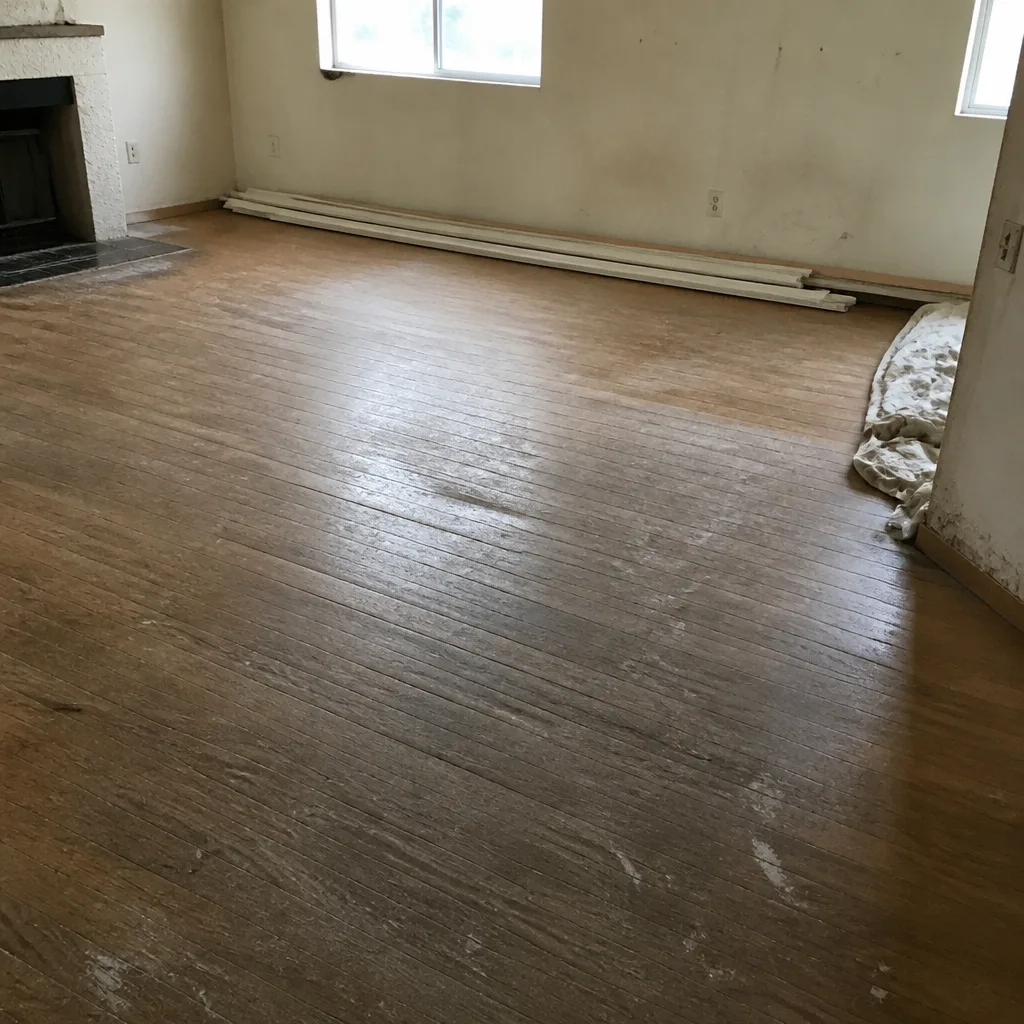
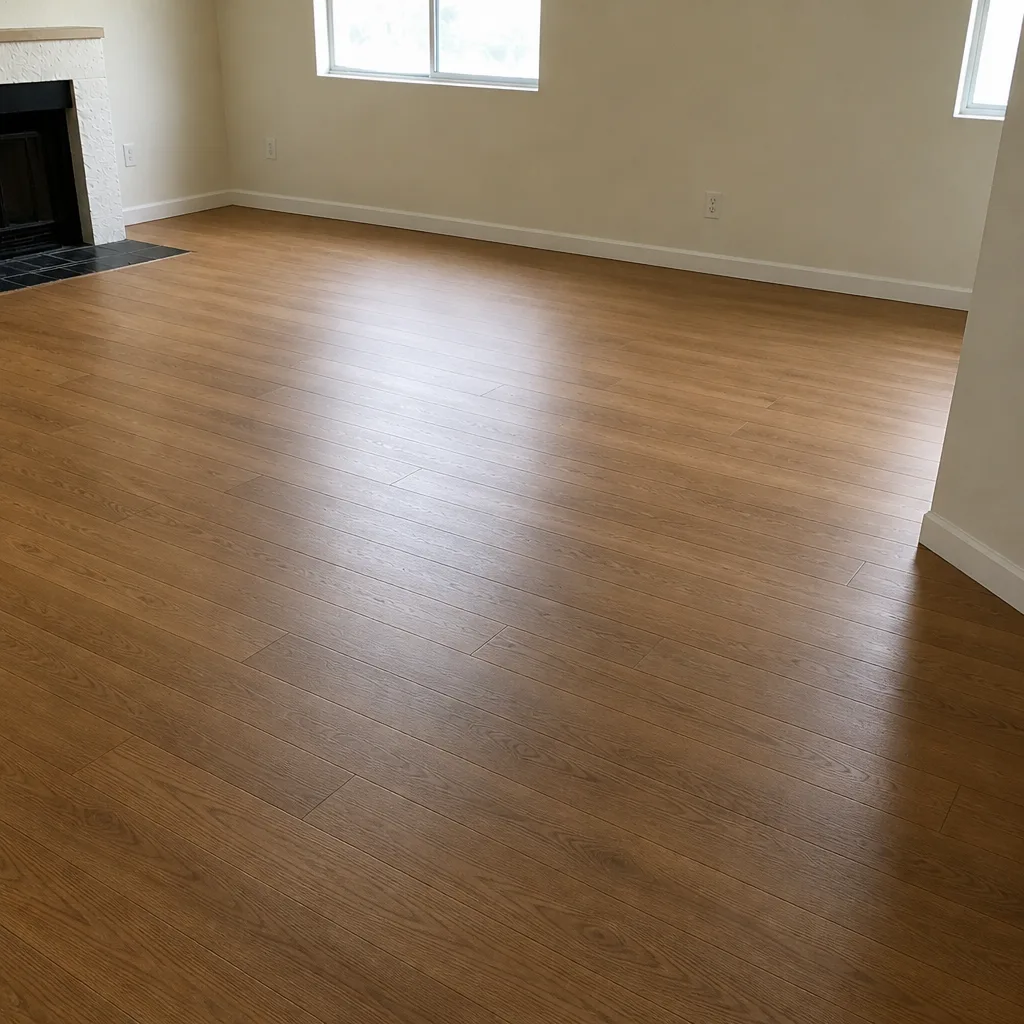
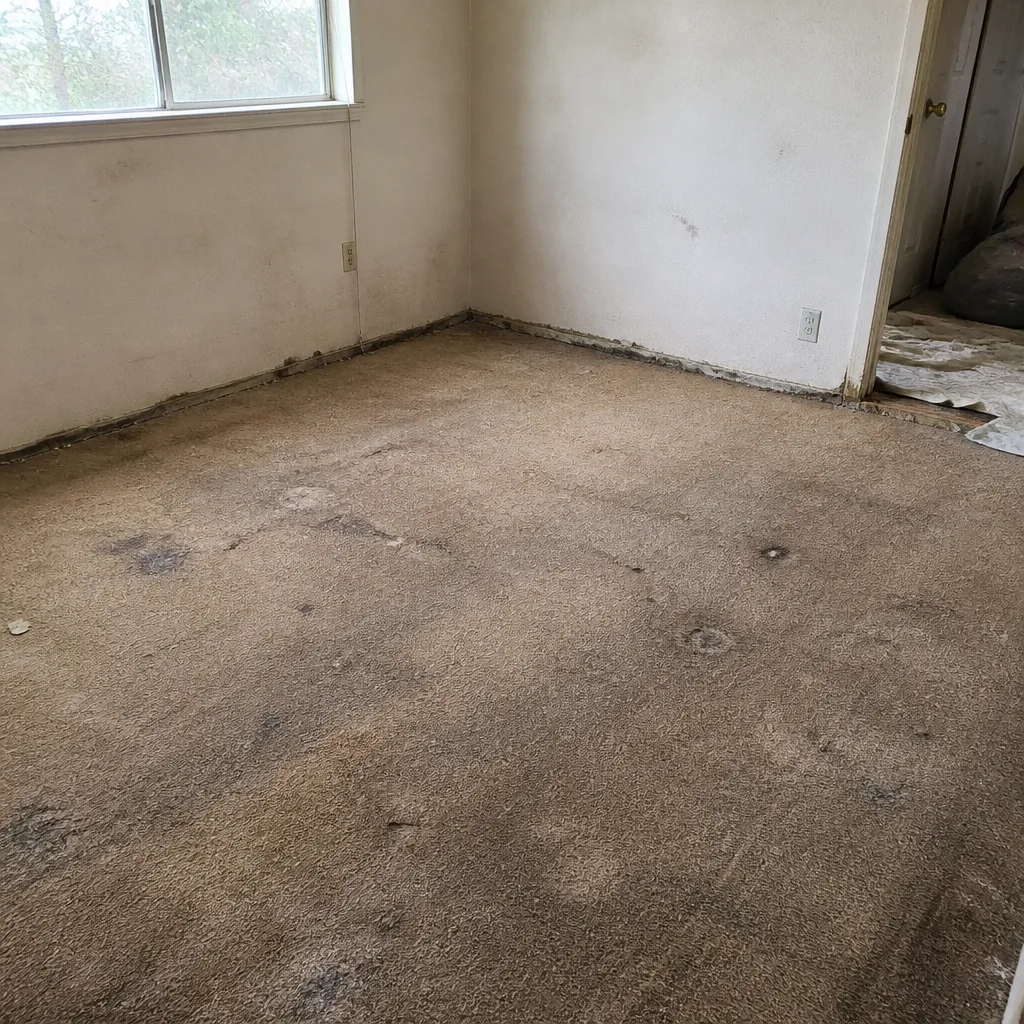
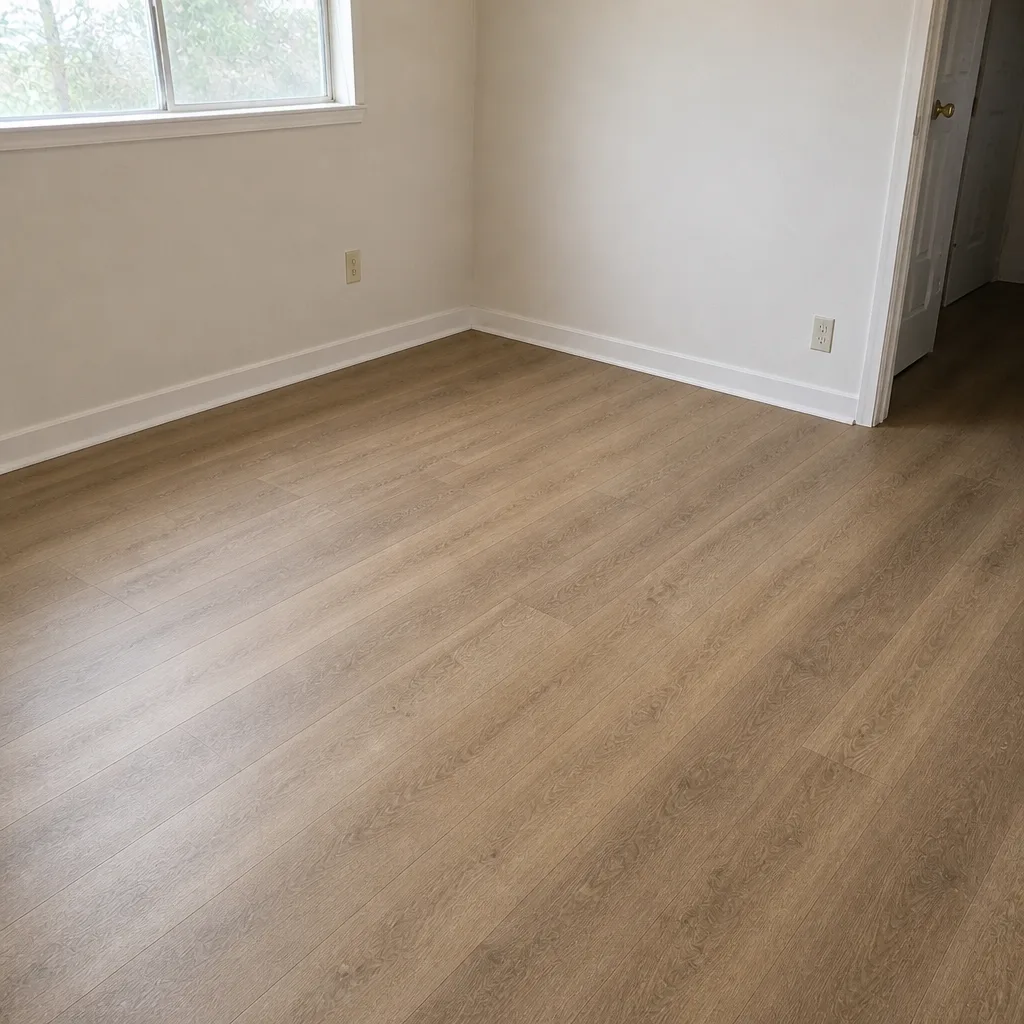
See the difference
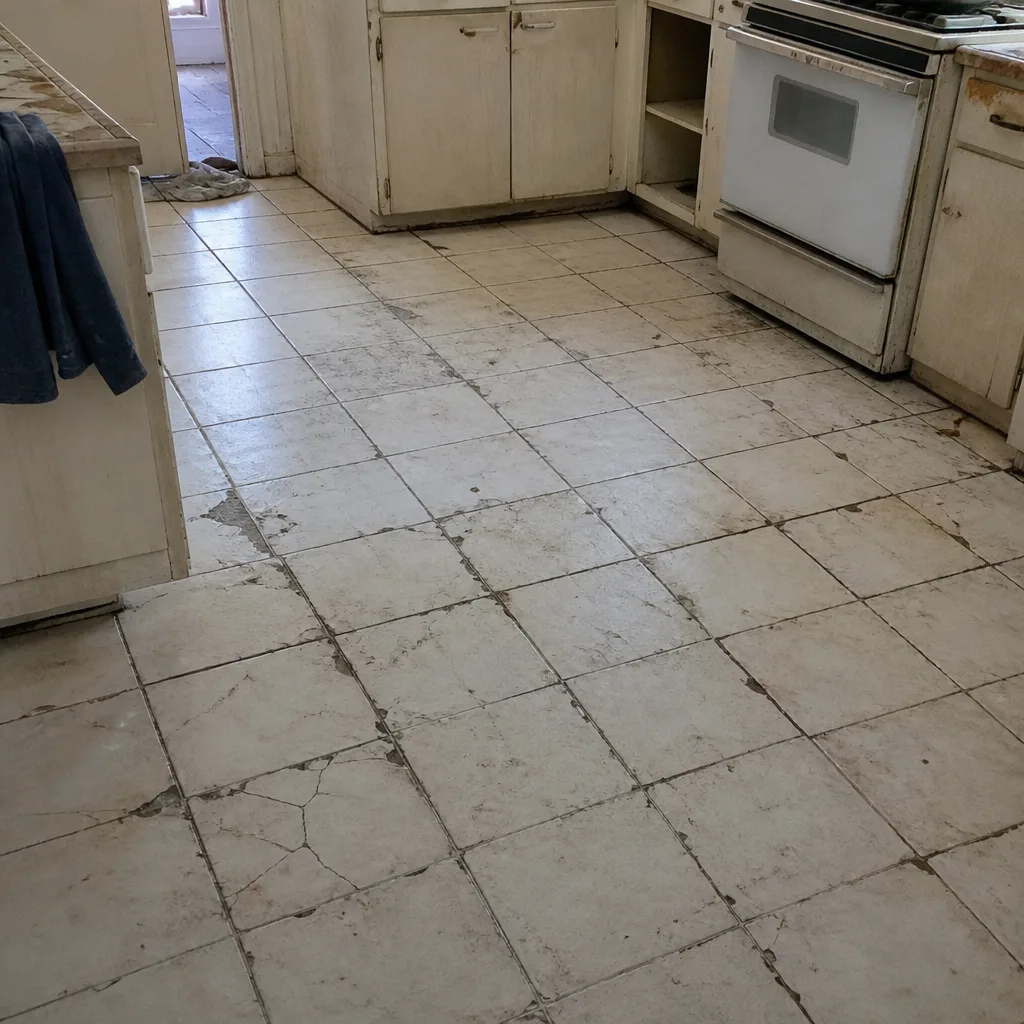 Before
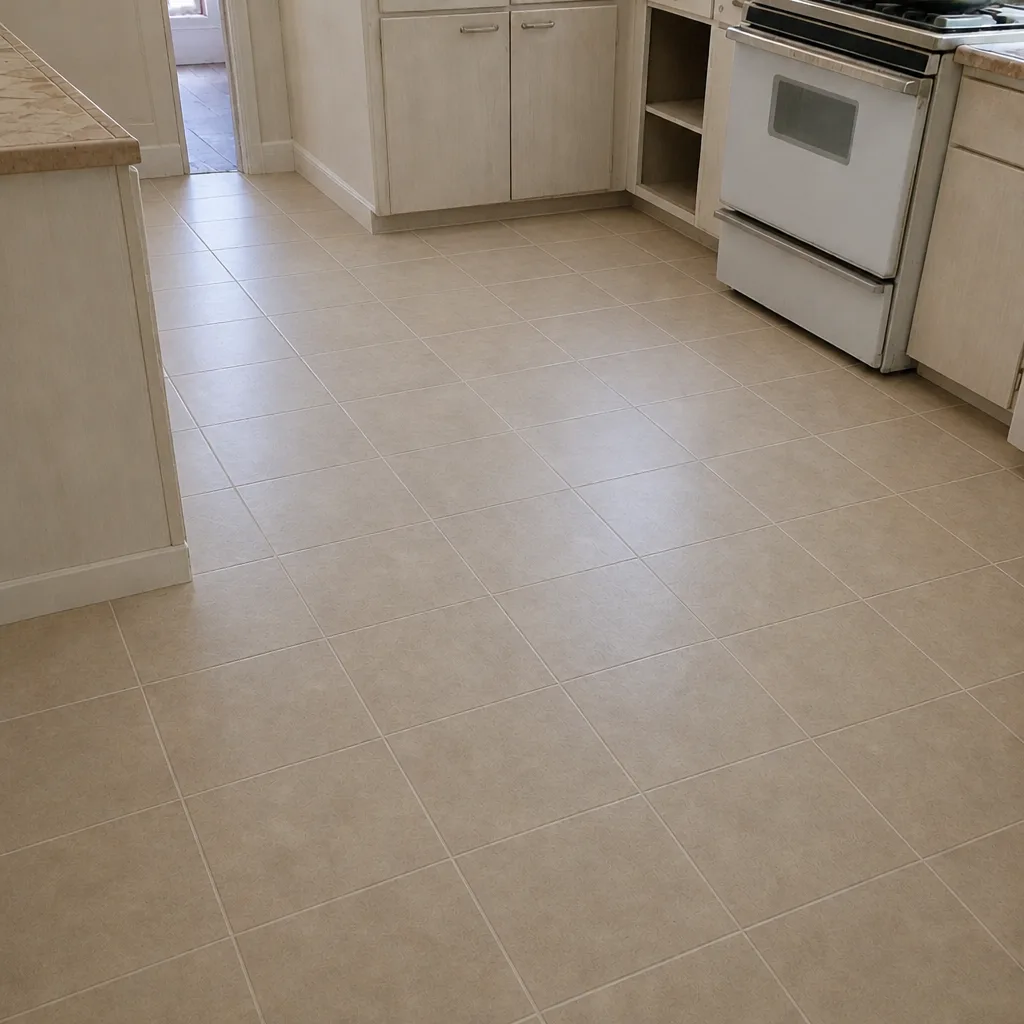 After
 Before
 After
 Before
 After
When to Call a Professional
The decision gets clearer once someone measures the substrate, tests the mortar bed, or checks the wood thickness. Those are the three things homeowners can’t judge from photos. Call us when a repair quote feels high and you want a second opinion, when a tile or plank crack has no obvious cause, when wood gaps are spreading, or when water damage of any kind is involved – because water is the one thing that always changes the answer from “repair” to “fix the cause first.” We answer 24/7, and fast dispatch from 7am to 7pm runs Sunday through Friday. Floors North Las Vegas offers free estimates in North Las Vegas – call (888) 393-9180. Our technicians have up to 11 years of experience, and the estimate visit is the right place to get a written number rather than a phone guess.
Frequently Asked Questions
The tell is whether the damage is systemic rather than cosmetic or mechanical. Subfloor moisture, a failed adhesive bed across a whole room, widespread buckling, or wood too thin to refinish all point to replacement. Surface scratches, isolated loose boards, and one clean tile crack with a sound substrate usually support repair. An on-site inspection settles it. Call (888) 393-9180 for a free estimate.
Usually yes, when the wood has enough thickness above the tongue to sand again. Refinishing a room is typically a fraction of the cost of replacing it, and it keeps the original material. When the wood is too thin, cupped beyond a sandable amount, or cracked at the tongue-and-groove, refinishing isn’t viable and replacement becomes the honest choice. The estimate visit tells you which case you’re in. Call (888) 393-9180 – estimates are free.
Yes, if the mortar bed underneath is sound and the crack came from impact. No, if the mortar bed is failing, because a new tile on a failing bed cracks again in the same area. You can test this with a tap test and a check for movement in the surrounding tiles. Our technicians have up to 11 years of experience with this exact diagnostic. Call (888) 393-9180 to schedule an estimate.
In North Las Vegas, seasonal gaps are usually a humidity swing rather than structural damage. Dry air in summer pulls moisture out of the wood and the boards shrink; monsoon humidity can close them back up. Gaps that close and reopen with the seasons are normal. Gaps that keep widening, or that come with cupping or movement, need an inspection. Call (888) 393-9180 for a free look.
It’s a rough threshold: if the repair cost exceeds about 40% of the replacement cost and the floor is more than halfway through its expected life, replacement usually wins financially. Below that threshold, repairs usually make sense. It’s a starting point, not a hard rule, because the age of the floor and whether the damage is spreading both matter. The written estimate sets the final number. Call (888) 393-9180 for a free quote.
Sometimes, if the same dye lot or pattern is still available. Often not, especially with LVP patterns that rotate out and carpet lines that have been discontinued. When matching isn’t possible, the honest choices are replacing the affected room or living with the damage until you’re ready to do so. It’s better to know that at the estimate than after the patch is in. Call (888) 393-9180 for a free consultation.
The Bottom Line
The repair-or-replace question is really a damage-type question. Cosmetic damage supports repair. Mechanical damage supports repair if the substrate underneath is sound. Systemic damage means replacement, even when the visible footprint is small. Hardwood gets a real chance to be saved through refinishing, tile usually hinges on the mortar bed, and carpet or LVP patching only works when the material is matchable and the location is out of sight. In North Las Vegas, the desert swings add a seasonal layer and make slab moisture the single most expensive correction to skip. Run the 40% threshold, check the substrate, and let the written estimate set the price.
Ready to price your repair or replacement? Call (888) 393-9180. We answer 24/7. Fast dispatch from 7am to 7pm, Sunday through Friday. Floors North Las Vegas offers free estimates in North Las Vegas, and our technicians have up to 11 years of experience working with carpet, tile, and hardwood across the northern valley.
Written by the team at Floors North Las Vegas.