
Last updated November 18, 2026
 Hardwood
 Engineered hardwood
 Luxury vinyl plank
 Laminate
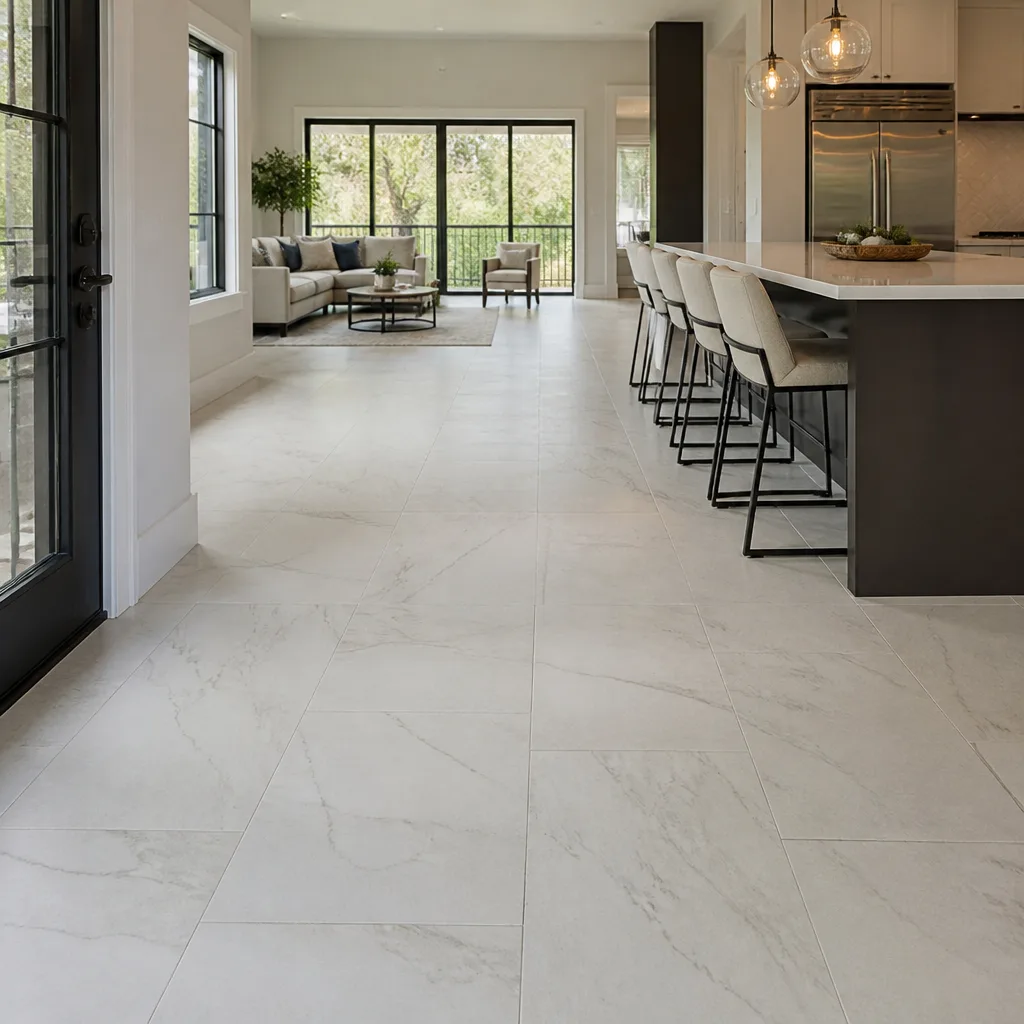 Porcelain tile
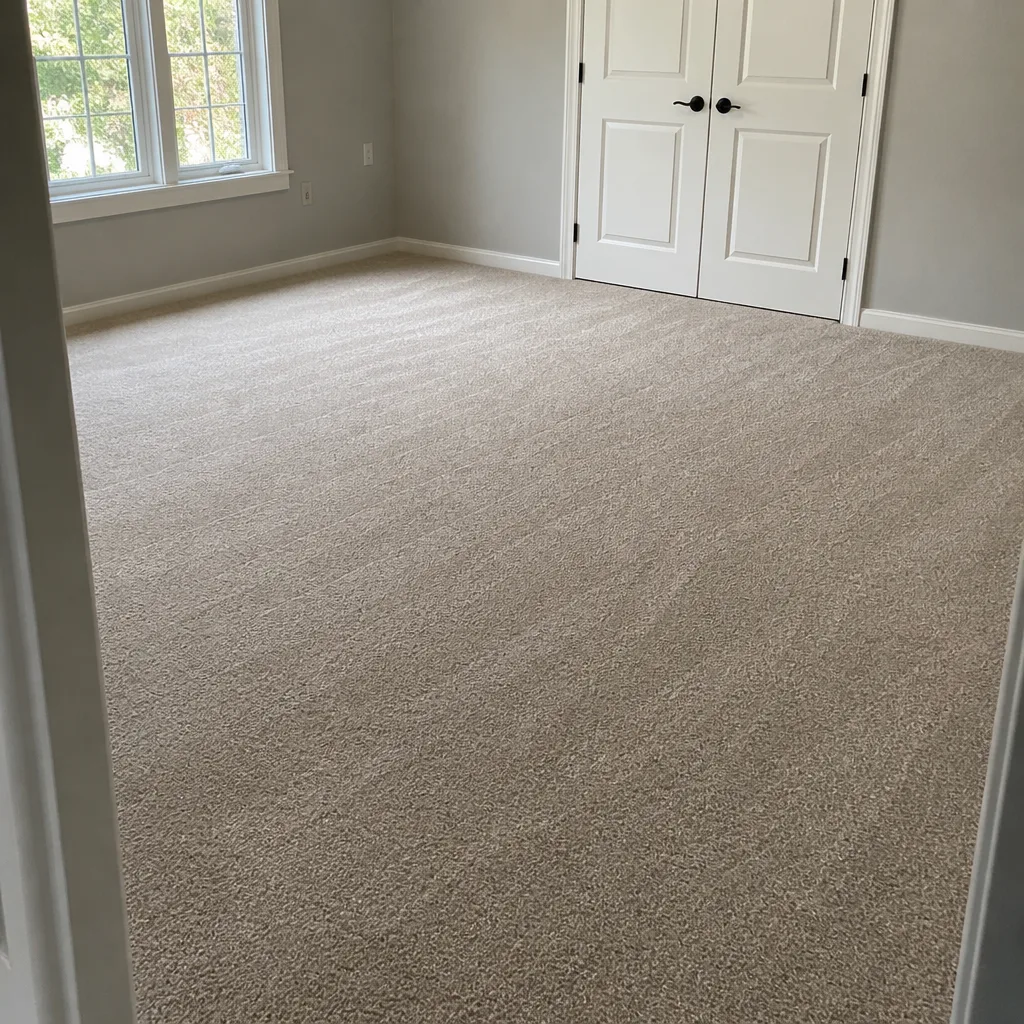 Carpet
 Shaw
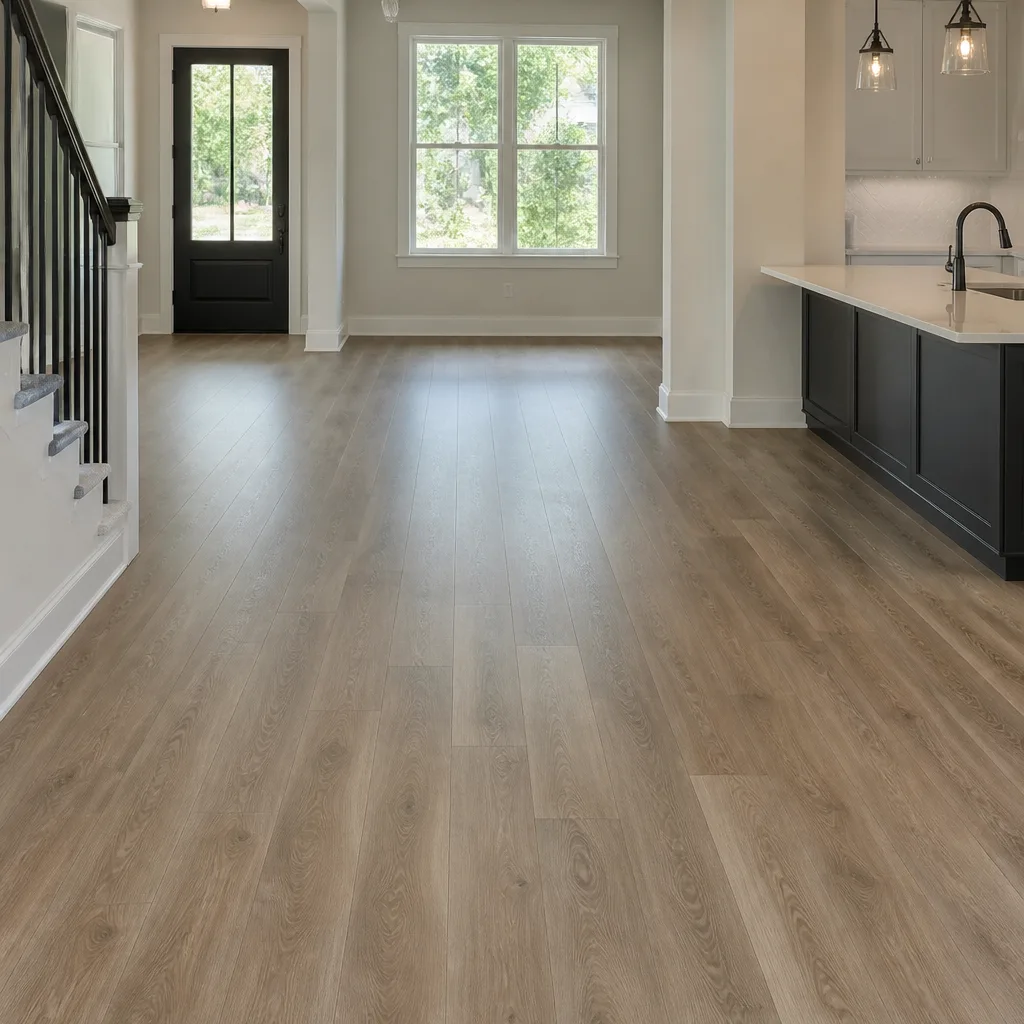 Mohawk
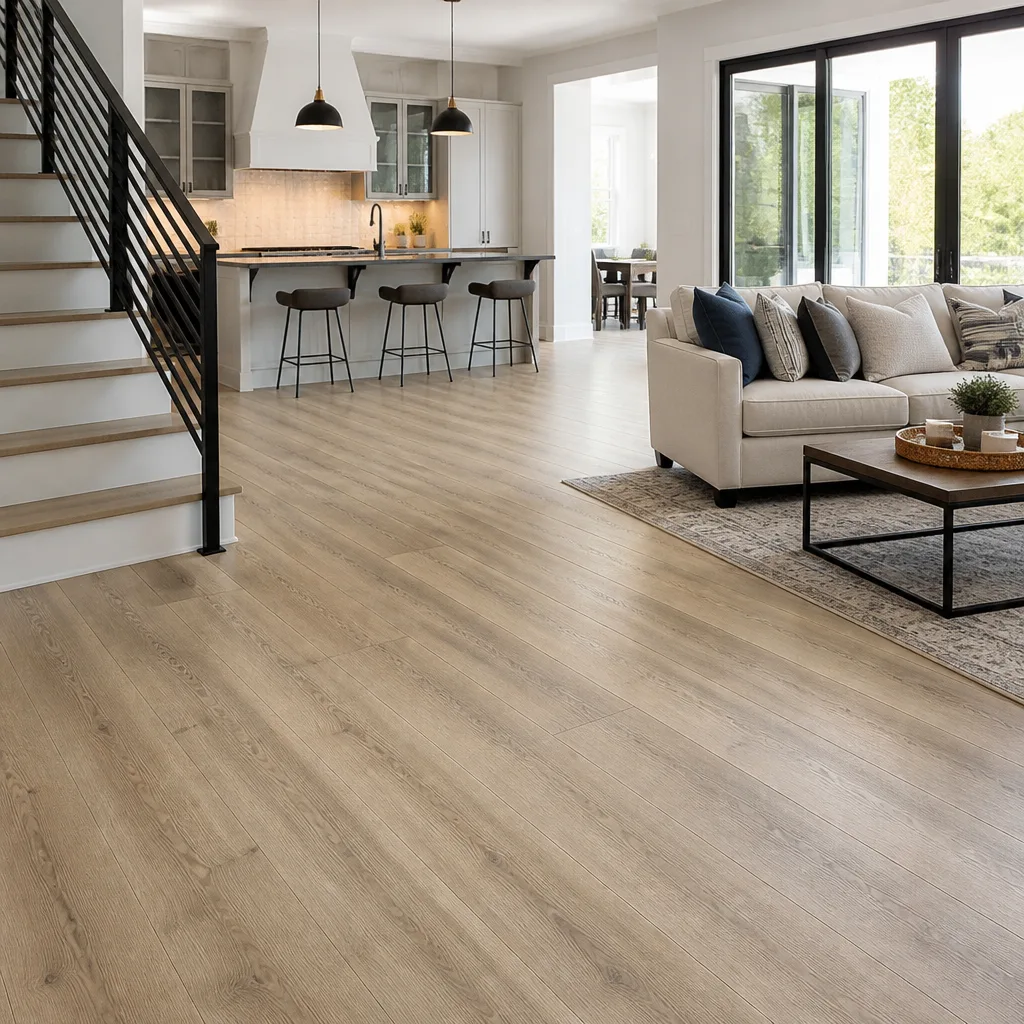 COREtec
 Pergo
Free in-home measure and written estimate: Shaw, Mohawk, COREtec and Pergo lines compared on your own rooms, with carpet, tile, vinyl plank, laminate and hardwood laid out side by side
Get your free estimateWhat Happens at a Free In-Home Flooring Estimate in North Las Vegas
If the estimator spends 40 minutes in your home and leaves with a quote, that’s a good sign. If they’re done in 12 minutes, you’re probably getting a ballpark number built on assumptions, and assumptions become change orders. A free in-home flooring estimate is not a sales call. It’s a technical assessment, and the quality of that assessment decides how accurate your quote is, how long the install actually takes, and how many surprises land on your invoice at the end. In this guide, we walk through what a thorough estimator is physically inspecting, measuring, and asking during an in-home visit in North Las Vegas, and what it means when those steps get skipped. You’ll learn how to read a real written quote, what questions you should be answering while the estimator is in your house, and how to use the visit to evaluate the company, not just the price.
Quick Answer
A free in-home flooring estimate in North Las Vegas is a 30-to-60-minute technical assessment where an estimator measures every room, checks subfloor condition, door clearance, transition heights, and slab moisture, then asks about usage, pets, and timeline before writing a line-item quote. The visit is free, there’s no obligation, and a legitimate estimator will encourage you to answer questions and ask your own. If the visit feels rushed or the quote that follows is a single number on a text message, you’re getting an assumption, not an estimate.
Styles & brands we work with
- Hardwood
- Engineered hardwood
- Luxury vinyl plank
- Laminate
- Porcelain tile
- Carpet
- Shaw
- Mohawk
- COREtec
- Pergo
Table of Contents
- Why a Flooring Estimate Is a Technical Assessment
- What the Estimator Should Physically Inspect
- How Room Measurements Should Actually Work
- The Questions You Should Be Answering During the Visit
- Verbal Ballpark vs. Written Quote: What a Real Estimate Includes
- How to Use the Estimate to Evaluate the Company
- The Material Conversation: Carpet, Tile, Hardwood, and LVP
- What Happens After the Estimate: Scheduling and Install Day
Why a Flooring Estimate Is a Technical Assessment
Most homeowners we meet in North Las Vegas start the estimate visit expecting a price. What they get, when the visit is done right, is a diagnosis. Flooring is one of the few home upgrades where the visible product hides almost all the work. The subfloor, the slab, the door jambs, the transitions, the adhesive or underlayment, the perimeter expansion gap, the removal and disposal: all of it lands in the quote, and none of it is visible in a photograph.
An estimator who treats the visit as a technical assessment is solving for two numbers at once. The first is your cost. The second is your timeline. A room that measures 180 square feet can be an easy half-day job or a two-day job with subfloor repair, depending entirely on what’s under the old carpet. If the estimator doesn’t look under anything, they can only guess, and guessing is how change orders happen.
The 40-minute visit versus the 12-minute visit isn’t a judgment about personality. It’s about what data got collected. A 40-minute visit that includes measuring every room, popping a door threshold, checking the slab, and asking about your pets is a visit that produces a quote you can trust. A 12-minute visit produces a number, and that number is built on whatever assumptions the estimator walked in with.
This is why we treat the estimate as the most important hour of the project. If you’re comparing us against other options in North Las Vegas, compare the visits, not just the bottom line. A thorough first visit usually means fewer phone calls in the middle of the install.
What the Estimator Should Physically Inspect
Here’s the short answer: a qualified estimator should physically check subfloor condition, existing floor height relative to transitions, door clearance, and moisture presence on any concrete slab. If any of those four items are skipped, the quote that follows is incomplete. North Las Vegas homes present some specific twists on each of these, which is why an estimator who works primarily in this market reads certain things faster than a generalist.
The four inspections that matter
- Subfloor condition. Under the old carpet or tile is a surface that supports the new floor. If it’s plywood, the estimator checks for soft spots, previous water damage, and how level it is. If it’s a concrete slab, they check for cracks, curling, and whether a moisture barrier is needed.
- Existing floor height at transitions. The new floor will sit at a specific height. If it’s thicker than the old floor, every doorway, every transition to a neighboring room, and every baseboard becomes a small adjustment. An estimator who doesn’t measure that difference is going to find it during install.
- Door clearance. The bottom of the interior doors needs to clear the new floor. Some doors get trimmed. Some thresholds get replaced. Either way, an estimator should open the doors and slide a tape measure under them.
- Moisture on concrete slabs. Slab moisture is the single most common reason a floor fails early in this climate. The estimator should test or ask about it, depending on the material being quoted.
Why slab moisture matters more in North Las Vegas
Homes here sit on slabs that go through wide temperature swings over the year. The desert climate keeps surface moisture low, but that’s not the whole story. Pour-water from construction, irrigation that finds its way under a slab, and the way temperature differentials pull moisture through concrete can all put water vapor against the bottom of a new floor. That moisture has to be identified before the quote is written, because the fix (a moisture barrier, a specific underlayment, or choosing a product engineered for slab conditions) changes the cost and the timeline.
This is where material choice becomes a real conversation. COREtec, LifeProof, and other rigid-core luxury vinyl products are engineered to handle moisture at the subfloor better than most options, and carpet installation over a slab involves different prep than carpet over plywood. An estimator who tests and explains this is doing their job. One who eyeballs it is not.
How Room Measurements Should Actually Work
Pulling square footage from a listing site is not the same as measuring a room. The number you see on a real estate portal is typically the finished, interior, “as-listed” figure. It doesn’t tell the installer where the walls actually sit, where the corners go off-square, or how many extra boxes are needed for cuts, waste, and pattern matching. A real flooring estimate is built on measured square footage with an allowance for waste, and that waste percentage depends on the room’s geometry.
Why measured square footage is different
An estimator walks each room with a tape or a laser, records the actual length and width at multiple points, and notes the shape. A rectangular bedroom might come out almost exactly the same as the listing figure. An L-shaped living room connected to a hallway, with four doorways and an angled wall, will not. Rooms in older North Las Vegas neighborhoods often have that kind of geometry, and rooms in newer construction sometimes have more awkward offsets than the floor plan suggests.
How room geometry affects waste
Waste isn’t a markup. It’s the material the installer cuts off and can’t use. A simple, open room might need a modest waste allowance. A room with many corners, an angled wall, or a diagonal installation may need considerably more, because small pieces cut from ends of planks or tiles can’t be reused. Tile with a rectified edge and a specific pattern layout uses more material than a straightforward grid. Carpet is a different story: because carpet is cut from a roll and comes in fixed widths, the waste calculation depends on how the room lines up against the roll width, not just total square footage.
Ask the estimator to explain how they calculated the waste allowance on your specific rooms. A good one will show you the math. A vague “we add a box or so” is an estimator who’s guessing, and guessing on waste is how you end up with a short material order and a stalled install.
The Questions You Should Be Answering During the Visit
The estimate is a two-way interview. The estimator measures and inspects, but you’re also supplying information that changes the recommendation, the material, and the schedule. Homeowners who come prepared for these questions get a better estimate than homeowners who don’t, because the estimator isn’t guessing at what you actually need.
What a good estimator will ask you
- How is each room used? A formal living room that sees light traffic gets a very different material than a family room with kids, a dog, and a twice-weekly workout.
- Do you have pets? This is not small talk. Pet accidents are the leading cause of premature carpet replacement and are a real consideration for LVP choices in moisture-prone rooms. Products are not pet-proof, but the right material and pad system handle accidents better than the wrong one.
- Do you have radiant heating? Some flooring materials and underlayments are compatible with in-floor heat and some are not. The estimator needs to know before the quote is written.
- What’s your timeline? Whether you’re moving in next month or planning a renovation over the next six months changes the material lead times and the scheduling options.
- Are you staying in the home during install? The answer affects how the crew stages material, moves furniture, and phases the work across rooms.
- Are you keeping the existing baseboards or replacing them? Small decision, real impact on the estimate and schedule.
- Is there anything you’d change about the current floor? Cold floors, uneven transitions, a squeaky spot, an uneven color. Each one has a fix, and each one has a place in the quote.
The material conversation that follows is where brand knowledge matters. If the estimator is recommending carpet, Shaw and Mohawk are the standard starting point. If they’re recommending LVP for a kitchen or a bathroom, COREtec and LifeProof are the names most homeowners already know. If they’re recommending tile in a bathroom or entryway, Daltile is a mainstream, well-established option. A flooring specialist should be able to talk through these without steering you into a single house brand.
Verbal Ballpark vs. Written Quote: What a Real Estimate Includes
A verbal ballpark is a single number, delivered at the door or over the phone, and it’s the reason so many flooring projects come in over budget. A written quote is a line-item document with the material, the labor, the prep, the removal, the disposal, the transitions, and the trim broken out. You can’t make a real decision on the first one, and you shouldn’t try.
Line items a legitimate estimate should always include
- Measured square footage per room, with the waste allowance stated separately. This is the number the material order is built on.
- The specific product, by brand and line. “LVP” is not a product. “COREtec, specific color and collection” is. Same for carpet, tile, and hardwood.
- Material cost and labor cost, itemized. Bundling them into one number hides what changes when the material changes.
- Removal and disposal of the existing floor. Unless the quote specifically says “installation over existing floor,” this should be a line item, not a surprise.
- Subfloor prep and any repair identified during the visit. If the visit turned up soft spots or a leveling need, the quote should say so.
- Transitions, thresholds, baseboard removal and reinstall, and quarter round. These are the items that quietly add thousands to an unfinished quote.
- Furniture moving or a note that the homeowner moves it. Not every job includes this, but the quote should be clear either way.
- Acclimation, careful scheduling language, and what triggers a change order. You should know in advance what could push the price up and what the process is if that happens.
Read the whole quote before you compare it to another one. The lowest bottom line is often the quote with the fewest line items, and that’s how a $7,000 job becomes a $9,000 job two weeks into install. Ask for the quote by email so you can review it line by line.
How to Use the Estimate to Evaluate the Company
The estimate visit is the best window you’ll get into how a flooring company actually operates. You’re not just pricing a floor, you’re pricing a working relationship that lasts from the first visit through the final walkthrough. Three things to watch during the visit tell you more than any review site can.
Responsiveness to your questions
Ask questions during the visit. Specific ones. “Why are you recommending this over that?” “How does this hold up with a large dog?” “What’s the difference between this product and the one I saw at the big-box store?” An estimator who answers with substance and trade-offs is one to keep. An estimator who deflects, defers, or keeps steering back to a single product is one to be careful with.
Honesty about trade-offs
Every material has a trade-off. Carpet is warm and quiet but asks more maintenance in high-traffic zones. Tile is durable and easy to clean but cold underfoot and unforgiving on a dropped item. LVP handles moisture well but needs care at transitions and at sun-exposed sliding doors. Hardwood can be refinished, but only if the wear layer allows it, and that depends on the wood’s condition and thickness, checked at the visit. A good estimator will tell you where the material they’re recommending falls short.
Whether they’re selling you what you need or what margins them best
This one takes a bit of calibration. Ask about two or three options in a budget range and a premium range, and see whether the recommendation changes with your stated needs or stays fixed. If a homeowner walks in saying “I have two dogs and I’m worried about the kitchen,” the recommendation should reflect that. If they walk in saying “I want something design-forward in the primary bedroom,” it should reflect that instead. A flooring specialist who carries nine brands has room to make that recommendation honestly. A generalist contractor with one supplier does not.
Karndean and Mannington are worth asking about if you’re drawn to a design-led look; both are products that generalist retailers rarely stock, and they open up options the big-box route can’t offer.
The Material Conversation: Carpet, Tile, Hardwood, and LVP
The material decision is the biggest cost swing in the whole project, and it’s the place where the estimate visit earns its keep. Here’s what the conversation should cover for each surface.
Carpet
Carpet in North Las Vegas is a real decision, not a default. Dry desert air means low humidity year-round, which is generally kind to carpet fibers, but dust and fine desert particles get tracked in more than in wetter climates. A higher-density carpet with a good pad holds up better to that traffic. Shaw and Mohawk both offer solid mainstream options, and we’re set up to install either. Carpet is a scheduled job: a free in-home measure and estimate first, then a written price, then a booked install day.
Tile
Tile in entryways, bathrooms, and kitchen spaces handles desert dust better than most surfaces because it wipes clean. Daltile offers a wide range of rectified and non-rectified options, and the difference matters for how closely the grout lines read. The tile conversation should also touch grout choice, which affects both looks and maintenance. tile flooring installation involves more prep than most homeowners expect: setting, grout, cure time, and getting the subfloor right before the first tile goes down.
Hardwood
Hardwood refinishing is a restoration, not an install. If your existing hardwood has surface wear but plenty of thickness left, refinishing is often a better answer than replacement. That’s a service most install-only shops don’t provide, and it’s why we offer it. Every floor is different, so whether refinishing is right for yours is a question for the estimate visit: the wood’s thickness and condition decide it, not the color of the stain you’d like to see.
Luxury vinyl plank
LVP has become the default answer for kitchens, bathrooms, laundry rooms, and pet-owner households, and for good reason. LifeProof and COREtec are the two names customers ask about most, and Armstrong and Mannington round out the alternatives. None of these products is fully waterproof in the sense of surviving a standing water event, but water-resistant construction with a rigid core handles moisture from above and occasional spills far better than a traditional floor. Moisture from below still has to be dealt with, which is why slab testing during the estimate matters as much as the product choice.
What Happens After the Estimate: Scheduling and Install Day
Once the quote is in your hands, the rest is scheduling and execution. Here’s the sequence a well-run flooring project follows.
- You review the quote. Take the time you need. Ask questions by phone or email. A legitimate estimate doesn’t expire in 24 hours.
- You confirm the material. Product, color, and quantity get locked in, and the material is ordered.
- You get a booked install day. The schedule is set at the estimate, not promised on the spot. Flooring is a scheduled job with a real lead time on material and a real booking calendar.
- Prep happens on site. Removal, disposal, and any subfloor work are done first, and any surprises here go through the change order process described in the quote.
- Install happens. If you’re staying in the home, the crew phases the work so you keep access to the essentials.
- Final walkthrough. You inspect the work before final payment.
If you live in an HOA community in North Las Vegas, you may also need to check the HOA’s rules about installation hours or noise, and if you’re in a condo or townhome, the association may have requirements about sound transmission that affect underlayment choice. Ask your HOA before install day, not after.
Common Mistakes to Avoid
- Accepting a verbal ballpark as a quote. A phone number without line items is a guess, and it’s not a document you can hold anyone to.
- Using a listing-site square footage figure. The number in a real estate portal isn’t a measurement, and it doesn’t account for waste, geometry, or cut-offs. An estimate built on that number is built on a guess.
- Skipping the subfloor inspection. If the estimator doesn’t pop a threshold or look under the existing floor, they’re not estimating the job they’re actually going to do.
- Choosing the material before the visit. Walking in with the product picked out and the quote already in mind means the estimator can’t recommend what you actually need.
- Not disclosing pets, kids, or radiant heat. These change the recommendation, the underlayment, and sometimes the material. Say them out loud during the visit.
- Comparing bottom-line-only quotes. Two quotes with the same dollar figure can cover dramatically different scopes. Line items are what you compare.
- Not planning for install-day disruption. Even a smooth install moves furniture, limits kitchen access, and involves some dust. Plan for it, because the estimator should have told you what to expect.
See the difference
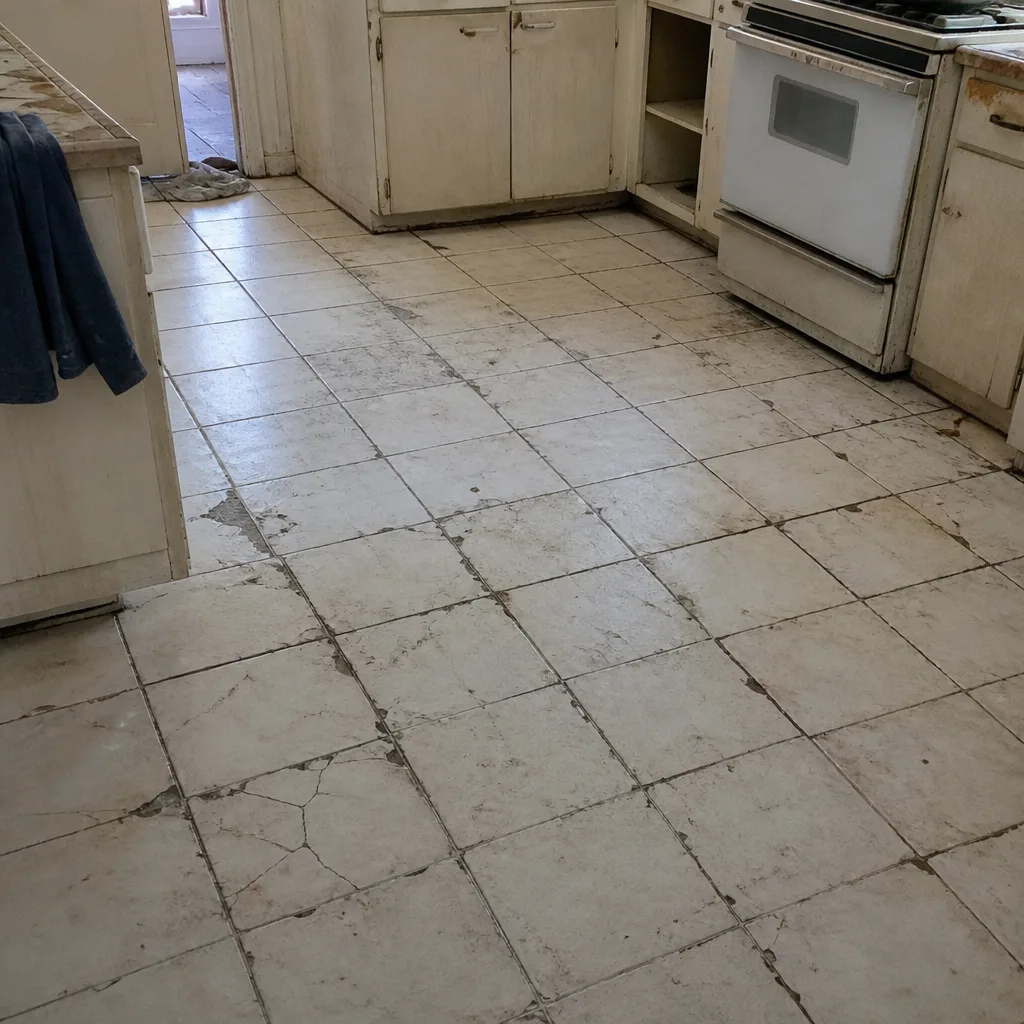 Before
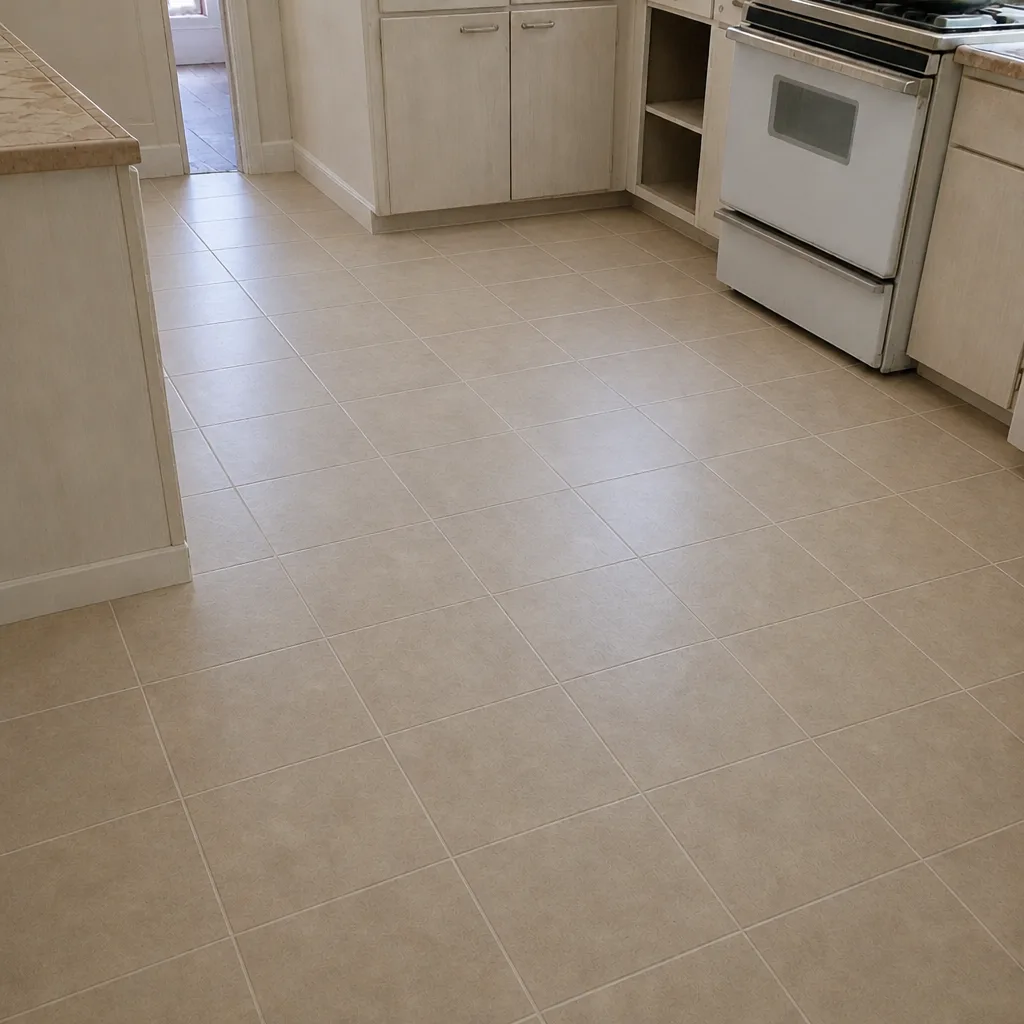 After
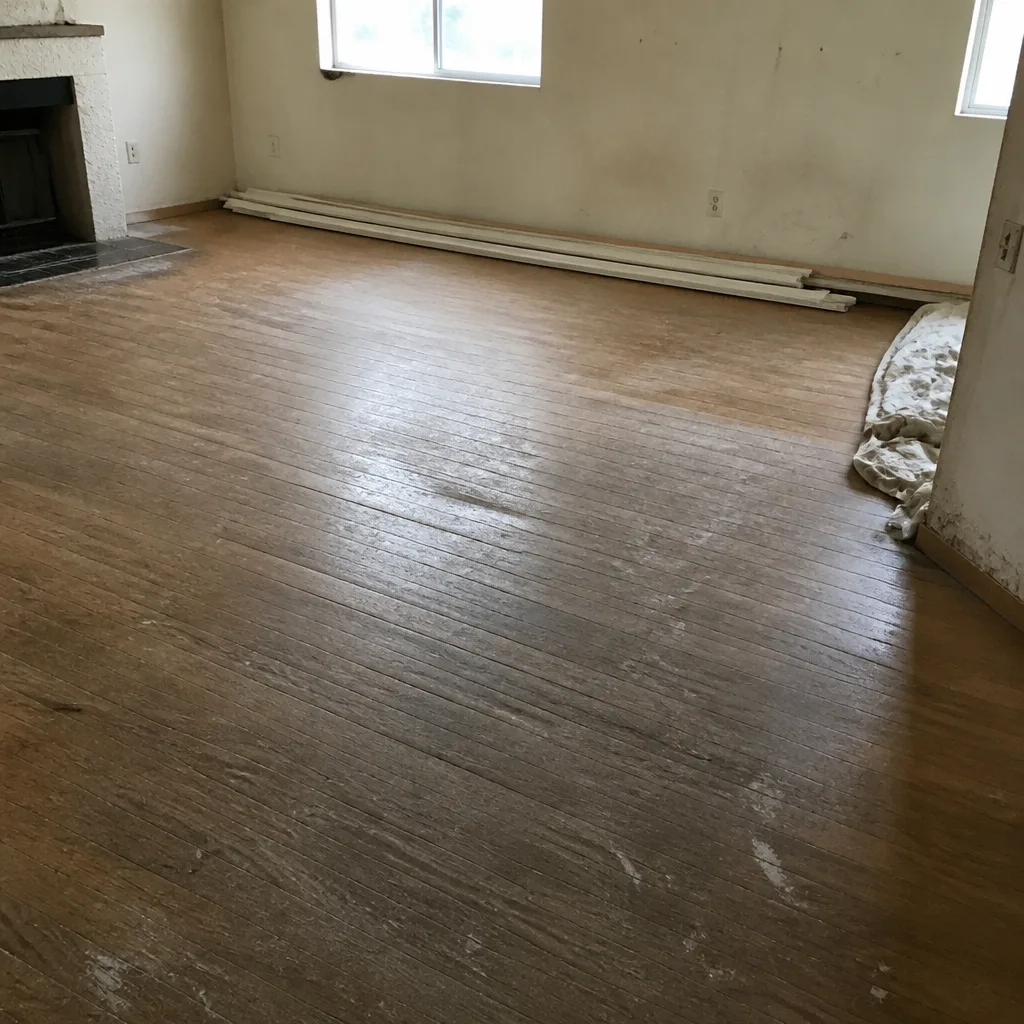 Before
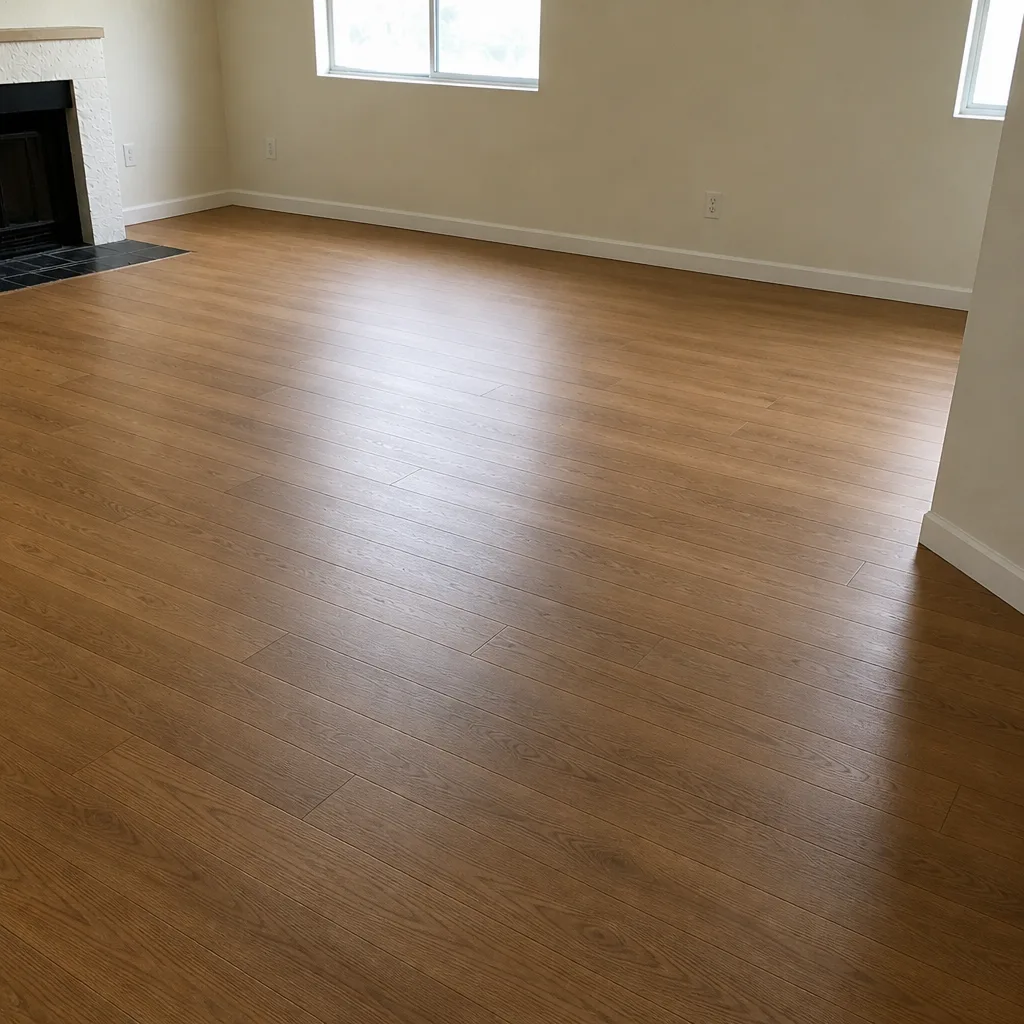 After
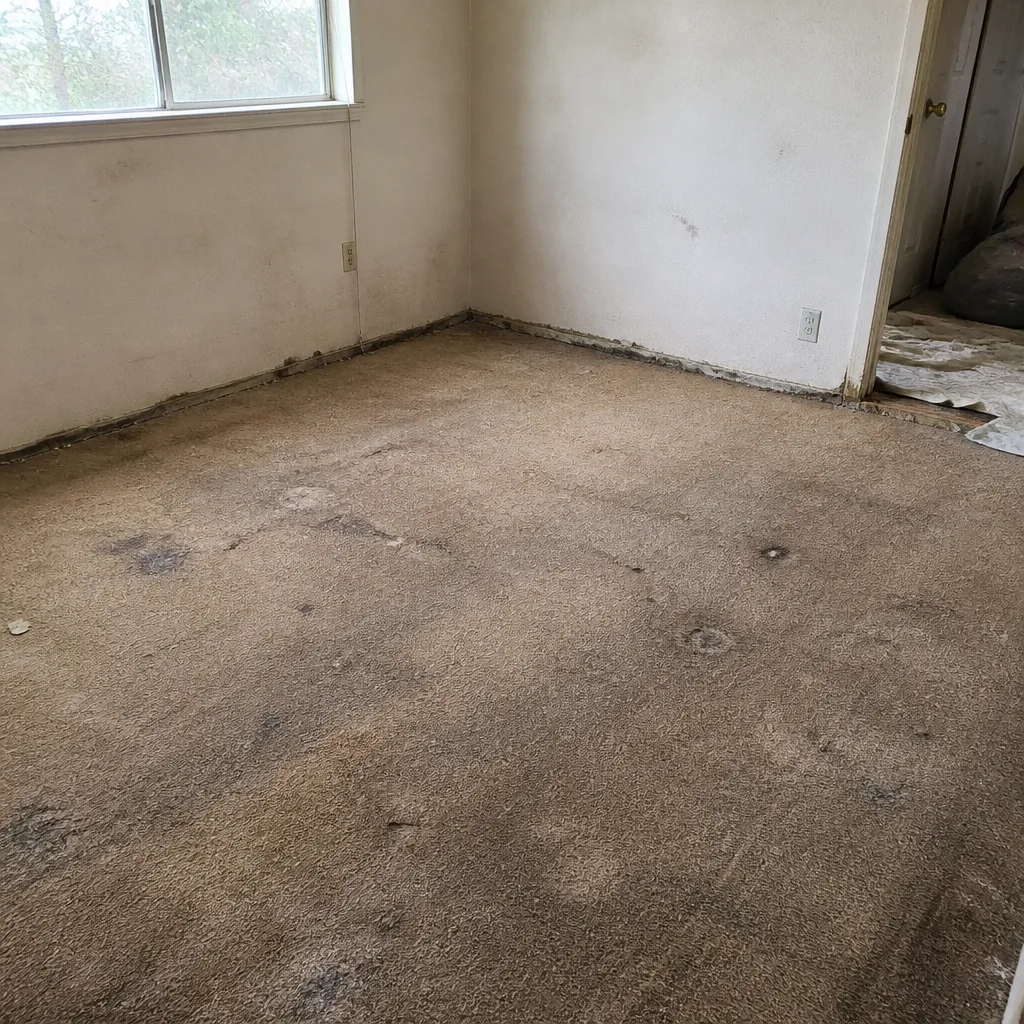 Before
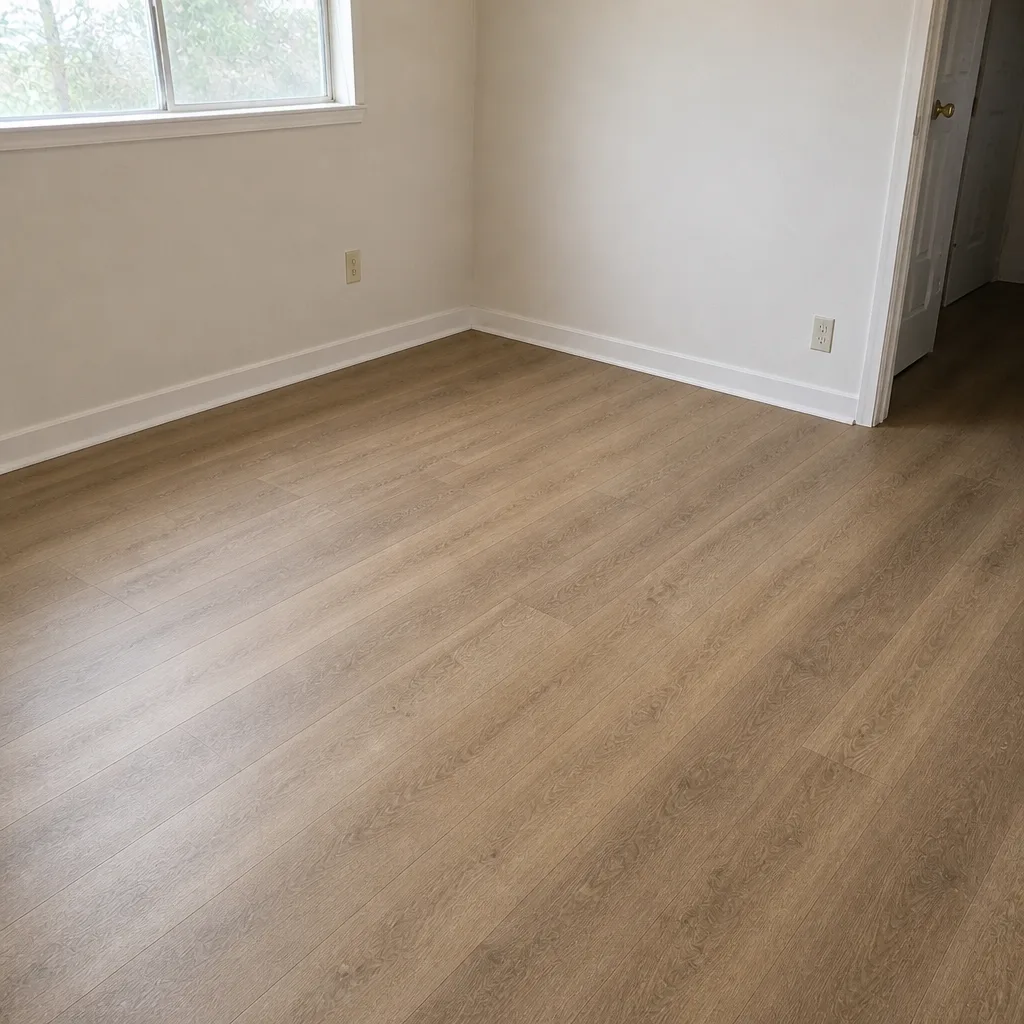 After
When to Call a Professional
Some flooring questions are easy to answer over the phone. Others need eyes on the room. If you’re seeing a soft spot in the existing floor, a moisture smell near a slab, a failed transition between two rooms, or old carpet that’s past the point of cleaning, it’s time for an in-home visit. Same if you’re putting a home on the market, if you’re renovating multiple rooms at once, or if you’re weighing refinishing an existing hardwood floor against replacing it. A floor that can be saved is often the smarter call, and only an in-person visit can tell you which side of that line you’re on. If your HOA has sound or hour requirements, or if you’re in a condo, name those during the call so they land in the estimate. Floors North Las Vegas offers free in-home estimates throughout North Las Vegas. Call (888) 393-9180 to book one. We answer 24/7, and we dispatch from 7am to 7pm, Sunday through Friday.
Frequently Asked Questions
A thorough in-home estimate in North Las Vegas usually takes 30 to 60 minutes, depending on how many rooms you’re pricing and whether the estimator needs to run a slab moisture test. If the visit wraps in 12 minutes and the estimator never opens a door threshold or measures a room’s actual walls, you’re getting a ballpark number built on assumptions, not an estimate. Call (888) 393-9180 to schedule yours. We answer 24/7.
Yes. The in-home estimate and the written quote that follows it are free, and there’s no obligation to book the install. We treat the visit as a technical assessment, and we don’t bill for it. Call (888) 393-9180 to book one. We answer 24/7, and we dispatch from 7am to 7pm, Sunday through Friday.
Have a rough sense of which rooms you’re flooring, whether you have pets or young kids in the home, whether there’s radiant heating, your timeline, and whether you’re planning to stay in the home during install. Clear access to the rooms and doors so the estimator can measure and open thresholds. Those five details produce a better quote than any magazine photo you’ve saved.
That depends on the existing floor, the new material, and what the estimator finds during the visit. Some installations can go over existing hard flooring, but carpet almost always comes up first, and existing tile or hardwood over a soft subfloor usually has to be addressed before anything new goes down. The written quote will say exactly which approach is priced, so you know what you’re approving.
The install length depends on the material, the square footage, and how much prep the subfloor needs, so the schedule is set at the estimate rather than promised on the spot. A small carpet room is a very different timeline than a whole-home tile install. The written quote should state the expected install window in working days, and the actual booking day is set once you approve the quote and the material order is confirmed.
Yes. We work throughout North Las Vegas and the surrounding Valley, from older established neighborhoods to newer construction on the north and west sides. Slab construction, HVAC-driven dry air, and HOA rules vary by area, and the estimator reads those quickly on the visit. Call (888) 393-9180 to schedule a free estimate in North Las Vegas.
It happens, and the honest answer is that finding it now is far better than finding it during install. If the visit turns up subfloor damage, an unexpected moisture issue, or a leveling problem, the estimator should tell you before the quote is written and price the fix as a line item. That’s the whole reason a real estimate is a technical assessment instead of a quick look and a number.
The Bottom Line
A free in-home flooring estimate is the most valuable part of the whole project, and it’s the part most homeowners skip past on the way to the price. The visit should measure every room, check subfloor condition, door clearance, transition heights, and slab moisture, and ask you about pets, radiant heat, timeline, and whether you’re staying in the home during install. The written quote should be line-item, not a single number. Use the visit to evaluate the company as much as the price, because the working relationship lasts longer than the estimate. Our technicians have up to 11 years of experience, and we install carpet, tile, and hardwood, plus refinish existing hardwood when the floor is worth saving. Nine brands, one specialist. Call (888) 393-9180 to schedule your free estimate in North Las Vegas. We answer 24/7. Fast dispatch from 7am to 7pm, Sunday through Friday.
Written by the team at Floors North Las Vegas.