
Last updated November 18, 2026
 Hardwood
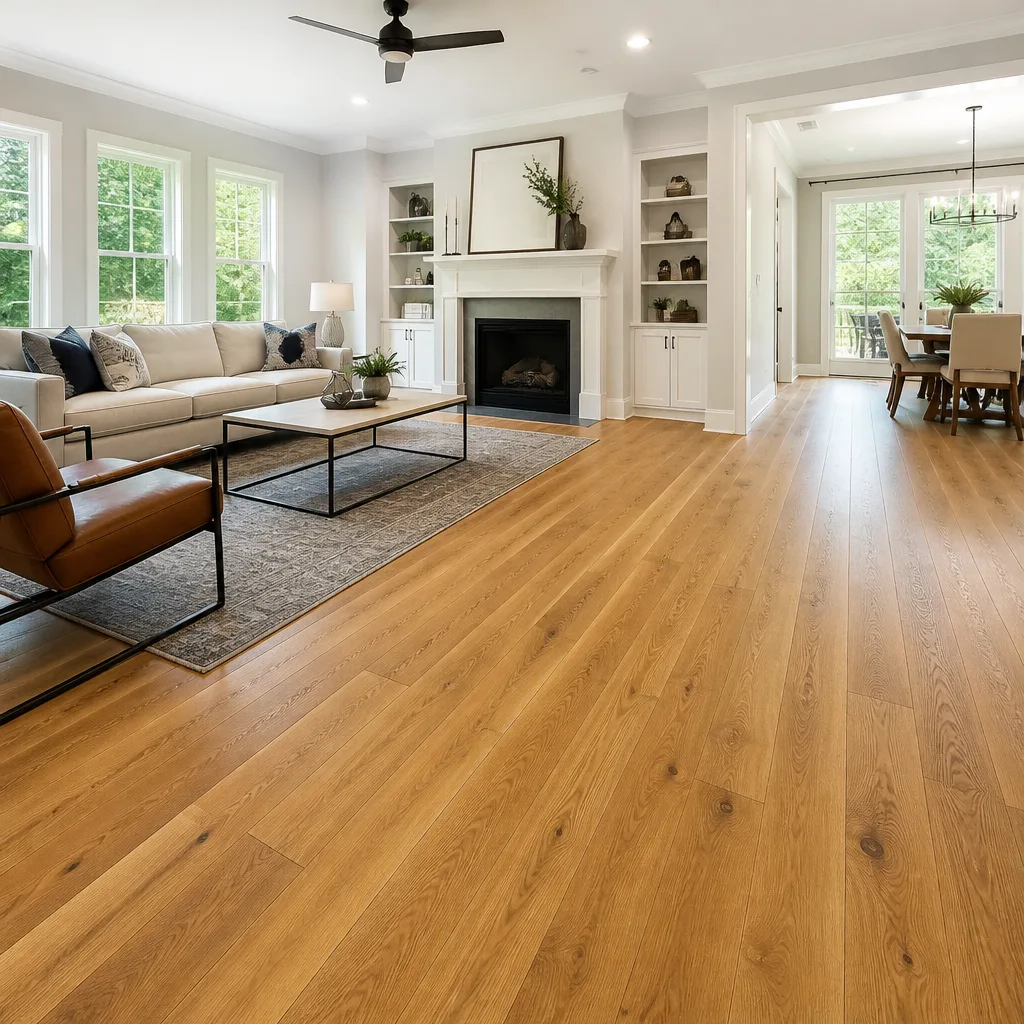 Engineered hardwood
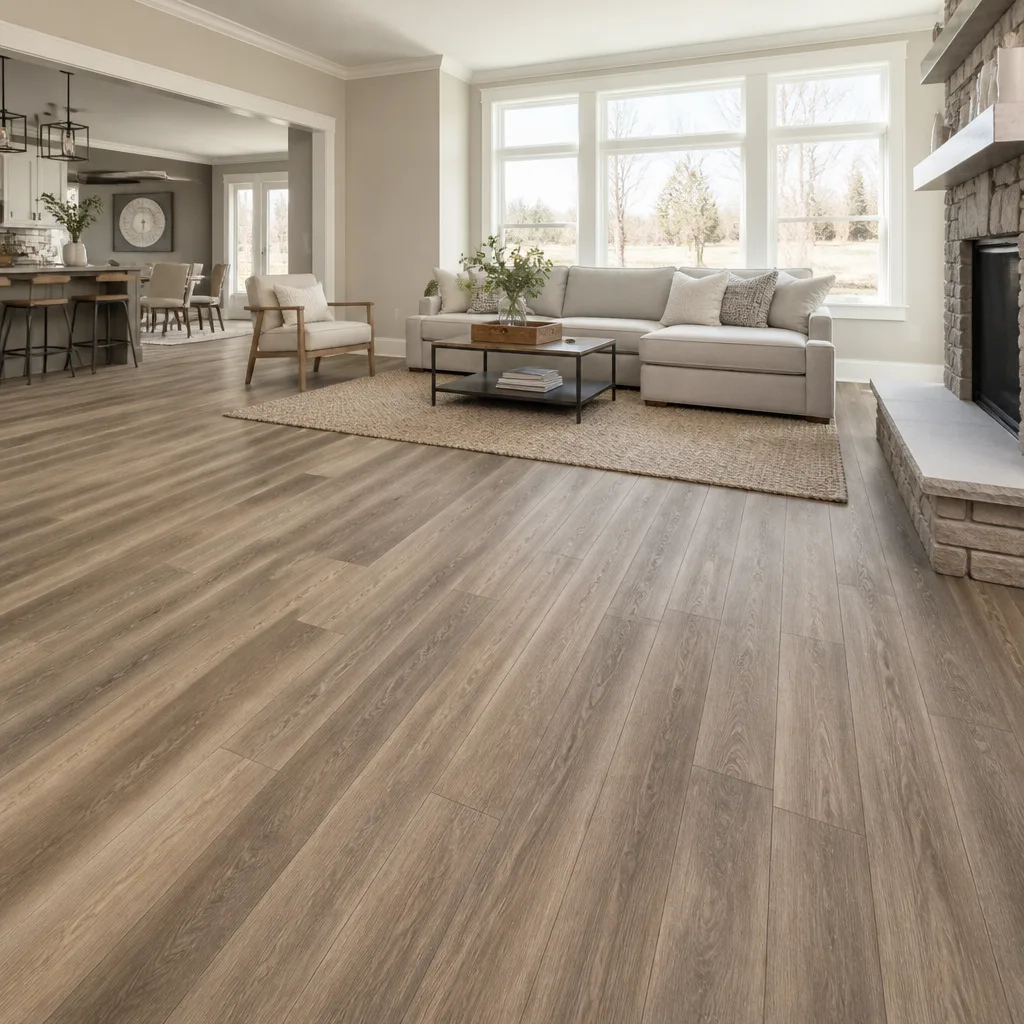 Luxury vinyl plank
 Laminate
 Porcelain tile
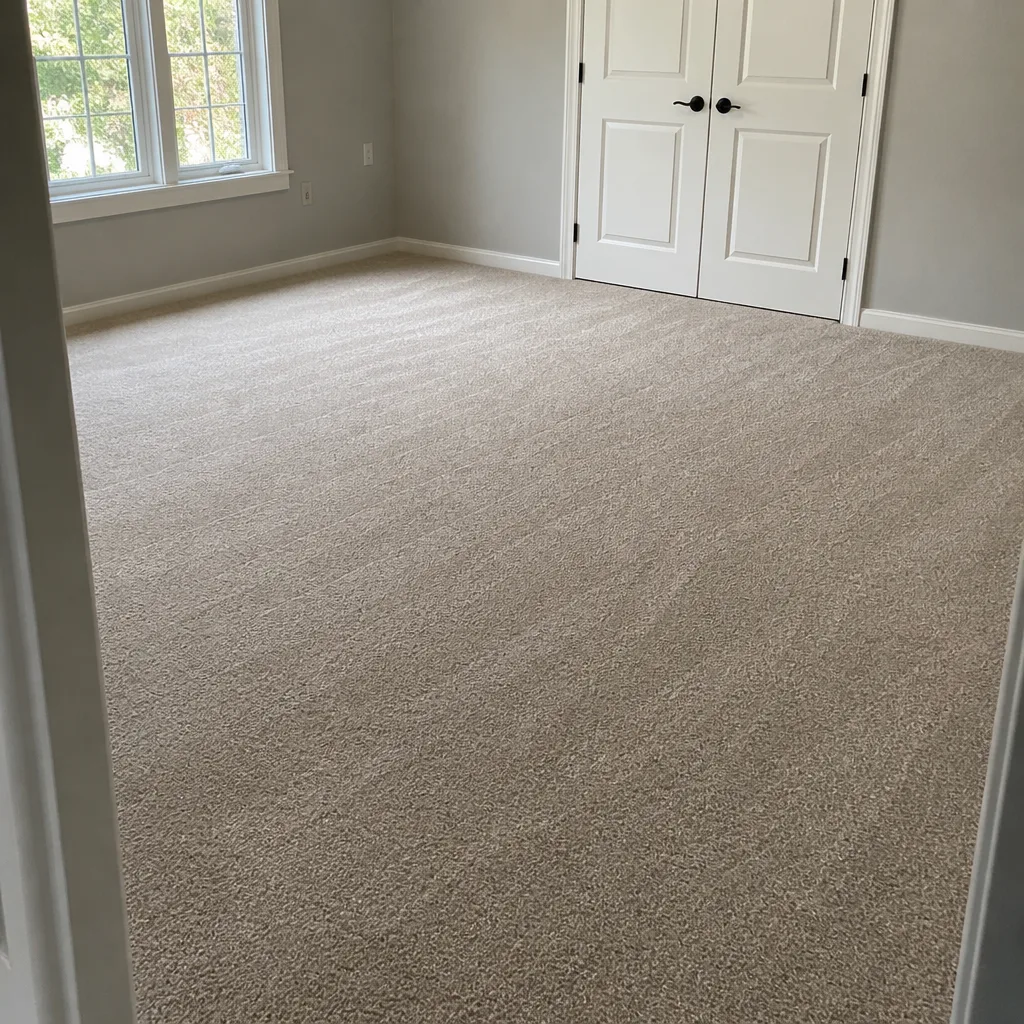 Carpet
 Shaw
 Mohawk
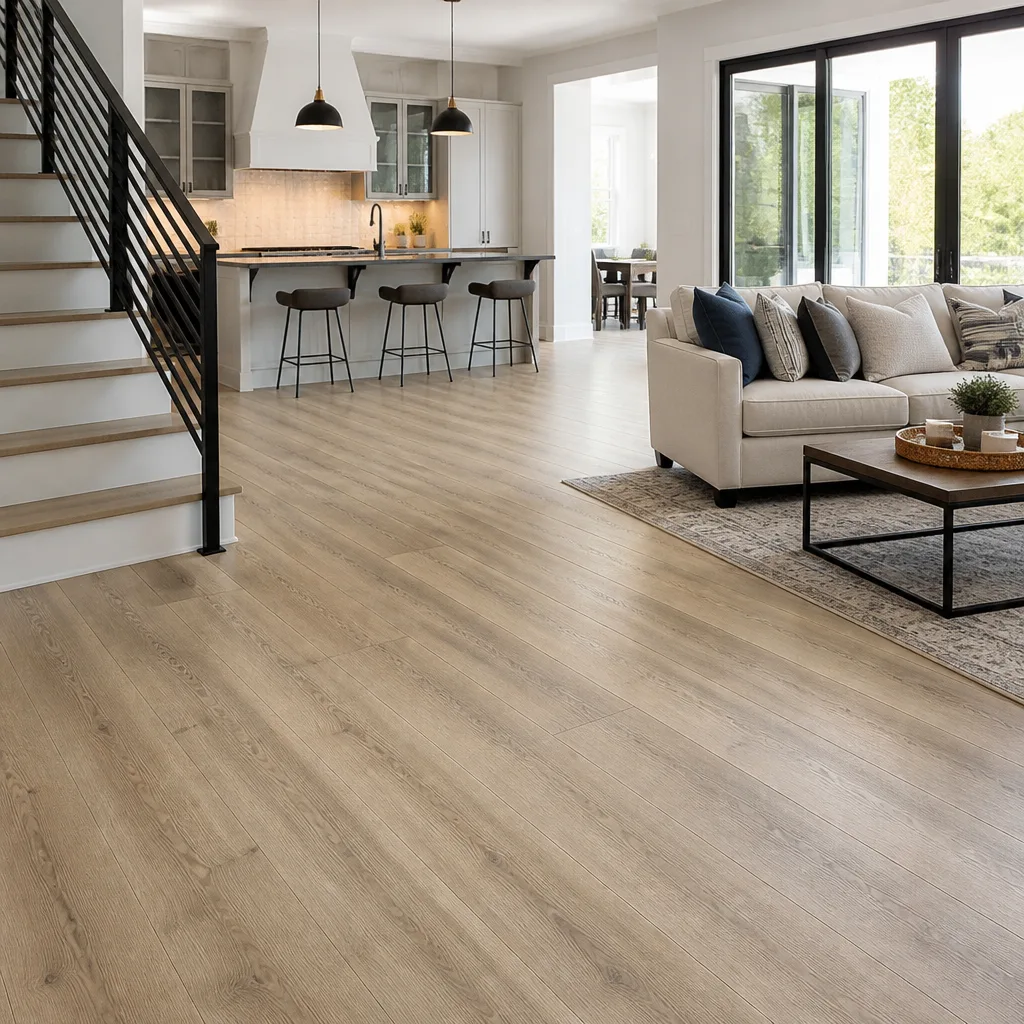 COREtec
 Pergo
Free in-home measure and written estimate: Shaw, Mohawk, COREtec and Pergo lines compared on your own rooms, with carpet, tile, vinyl plank, laminate and hardwood laid out side by side
Get your free estimateHow to Hire a Flooring Contractor in North Las Vegas: A Step-by-Step Guide
Three quotes for the same luxury vinyl plank job come back at $1,800, $2,400, and $3,100. The homeowner signs the lowest one and only later finds out the scope was never the same. One quote covered tear-out, one didn’t. One included subfloor prep, one assumed it. One named the product, one didn’t. The number that looked lowest wasn’t cheaper; it was smaller. Comparing flooring quotes in North Las Vegas without a framework for what should be inside them is how people end up paying twice. This guide walks through licensing, quote structure, installer vetting, and the red flags that show up in the in-home estimate, so you can read a flooring bid the way a specialist reads it.
Quick Answer
Hiring a flooring contractor in North Las Vegas means verifying their Nevada State Contractors Board license, insisting on a line-item written quote that names the product and covers tear-out and subfloor prep, and confirming the people who will actually install your floor. The lowest bid is only the lowest bid if every quote covers the same scope, so structure is what you compare, not the bottom line.
Styles & brands we work with
- Hardwood
- Engineered hardwood
- Luxury vinyl plank
- Laminate
- Porcelain tile
- Carpet
- Shaw
- Mohawk
- COREtec
- Pergo
Table of Contents
- Does a flooring contractor in North Las Vegas need to be licensed?
- Why do flooring quotes vary so much in North Las Vegas?
- What a line-item quote should include
- What should happen during the in-home estimate
- How to evaluate installer experience (not years in business)
- Subcontractor practices: who actually shows up?
- How North Las Vegas conditions affect your floor choice
- Questions to ask before you sign
Does a flooring contractor in North Las Vegas need to be licensed?
Flooring installation in North Las Vegas generally requires a state contractor’s license, and for residential flooring work you’ll typically see a C-20 classification on a bid. The Nevada State Contractors Board issues and regulates these licenses. Any contractor quoting you a flooring job should be able to hand over their license number, and you should verify it yourself through the Board’s public lookup before any work begins. That’s not suspicion; it’s the step that separates a professional from a handyman with a truck.
Here’s what verification actually gets you:
- An active license in good standing – the Board’s lookup shows whether the license is current, expired, or suspended.
- The right classification – C-20 covers flooring specifically; a general contractor license doesn’t automatically mean they install floors.
- Insurance on file – licensed contractors carry liability coverage; the Board can confirm what’s required.
- Recourse if something goes wrong – the Board runs a complaint process that unlicensed operators sidestep entirely.
A word of caution: a general contractor who does “everything” is not the same as a flooring specialist. Many homeowners in North Las Vegas hire a GC for a full renovation and assume floors are included in the subcontracting chain. They often are, but at a mark-up, and the company whose name is on the invoice is not the one laying the plank. Ask the GC directly: who is doing the flooring, and are they licensed for it?
If you’re working directly with a flooring specialist, the C-20 should be on their bid before you sign anything. If it isn’t, ask for it.
Why do flooring quotes vary so much in North Las Vegas?
Two flooring contractors can quote the same room and land thousands of dollars apart, and it’s rarely because one is overcharging. It’s because the scope is different, and the quote doesn’t say so. A flooring specialist quotes by line item: material, tear-out, subfloor prep, trim, disposal, and installation labor each get their own number. A generalist often bundles it into a single figure, which sounds simple until you realize you can’t see what’s inside.
This is the core reason to compare quote structure before you compare prices. Look at what a specialist’s quote typically discloses:
- Material by brand and product – not “LVP” but COREtec, LifeProof, Karndean, or whatever the actual product is. Brand names anchor the price because they tell you what you’re getting.
- Square footage measured – with a stated allowance for cuts and waste, which is material-specific.
- Tear-out and haul-away – removing the old floor, disposing of it, and prepping the surface beneath.
- Subfloor prep – leveling, patching, moisture checks. This line is frequently omitted by contractors who don’t want to be pinned to it.
- Trim, transitions, and thresholds – the small stuff that separates a finished install from a job that “needs a touch-up.”
- Old materials disposal – separate from tear-out in some quotes, included in others. Make sure you know which.
When a generalist hands over a single number, they may have skipped any of the above. When you sign, they fill in the gaps on the fly, and that’s when the final bill drifts from the original quote. A line-item quote is a framework for accountability, not just a document.
In our experience in North Las Vegas, the biggest gap between bids is subfloor prep. A 1970s ranch home with slab-on-grade construction and old adhesive can need a lot of prep before any plank goes down. A bid that omits prep and a bid that includes it are not competing on price; they’re competing on two different jobs.
What a line-item quote should include
A proper flooring quote in North Las Vegas breaks the job into components you can read, question, and compare. If you can’t tell from the document what’s covered, ask the contractor to itemize it before you commit. Here’s the structure a specialist’s quote typically follows:
- Project summary – rooms, measured square footage, and a one-paragraph scope of the work.
- Material selection – brand, product name, and color or finish. For tile, this includes the grout; for hardwood, the stain or factory finish.
- Material quantity – square footage with a stated waste allowance, which varies by product and layout.
- Tear-out line item – cost to remove the old flooring, including staple and adhesive removal.
- Subfloor prep allowance – leveling, patching, or moisture remediation, itemized separately from installation.
- Installation labor – the labor cost per area, with any specific layout notes (herringbone, diagonal, and pattern work price differently).
- Trim and transitions – baseboards, shoe molding, thresholds, and stair nosings.
- Disposal of old flooring – as a separate line or explicitly included.
- Schedule and payment terms – when work begins, how long it’s expected to take, and the payment schedule.
Every one of those items should have a number next to it. If your quote has paragraphs of description but only one dollar figure, ask for the breakdown. A specialist writes it without hesitation; a generalist may struggle, which tells you something.
For higher-end materials, itemization becomes even more important. A quote for tile flooring installation in a bathroom should say what happens if a tile cracks during installation, how grout is selected for a wet area, and what kind of substrate prep the room needs. A quote for Daltile porcelain and a quote for ceramic tile can look the same on the invoice until you read the fine print.
What should happen during the in-home estimate
The in-home estimate is where you learn whether a contractor is serious. Anybody can show up, glance at the room, and hand you a number. A real estimate takes time, and it produces specific information. Here’s what a proper visit looks like in North Las Vegas:
- They measure the room. Actual measurements with a tape or laser, not eyeballing. Ask them to walk you through the math so you understand the square footage and waste allowance.
- They inspect the existing floor. Old tile, carpet, and hardwood each come off differently. Adhesive left behind, staples, and damaged subfloor all matter.
- They check subfloor condition. For slab-on-grade homes – which are common across North Las Vegas – they should check flatness, moisture, and any existing cracks. For wood subfloor, they should check deflection and any soft spots.
- They ask about your household. Pets, humidity sources, sun exposure, kids, and traffic patterns. A material recommendation that doesn’t account for any of these is generic.
- They name the product. Not just “LVP” but “COREtec” or “Karndean” or whatever specific product they’re quoting. Brand-level specificity is a test of whether they actually know the material they’re selling.
- They talk about the schedule honestly. Not a same-day promise or an exact arrival time, but the process: material ordering, prep, install, and any post-install detail.
- They hand you the written quote. Not a verbal ballpark. A line-item document that sets the final price per the written estimate.
The best estimate visits also discuss material alternatives without pressure. A specialist who has carpet installation, tile, hardwood, and LVP under one roof can walk you through the trade-offs in person, side by side, in your kitchen rather than on a showroom floor. That’s genuinely useful, and it’s a different experience than a single-material contractor who will only quote you what they install.
If you don’t get measurements, subfloor questions, and a branded product recommendation, ask for them. If the estimator can’t or won’t provide them, that’s the answer you needed.
How to evaluate installer experience (not years in business)
Years in business tells you how long a company has existed. It doesn’t tell you how often their installers have laid floor. These are different things, and the difference matters at the moment your tile starts to crack or your plank starts to lift. When you’re evaluating a flooring contractor in North Las Vegas, weight these signals over a number on a website:
- Install volume – how many floors does this team complete in a typical month? A high-volume installer sees edge cases regularly; a generalist might see one floor a week.
- Product-specific experience – Karndean and Daltile are not the same material. Ask whether their installers regularly work with the specific product you’re buying.
- Manufacturer relationships – authorized dealers and installers typically work within manufacturer guidelines, which matters at warranty time. Ask what brand relationships they maintain.
- Warranty backing – what does the contractor warranty, and does it sit alongside the manufacturer warranty? Anything in writing is more trustworthy than a verbal promise.
- Installation method expertise – floating, glue-down, nail-down, and thinset are different skills. Ask how they plan to install your specific product and listen for the specificity.
Our technicians have up to 11 years of experience across these categories, and that’s the kind of background you’re looking for when you’re evaluating a bidder: not the age of the company, but the depth of the hands actually doing the work. The question at the estimate should be “who installs this and what have they installed lately,” and any specialty contractor should answer it clearly.
One more thing: ask how the contractor handles material defects and post-install issues. Brand-backed products like Shaw and Mohawk come with defined pathways for warranty claims. A contractor who can explain that pathway is one who’s done this before. A contractor who can’t may leave you navigating it alone.
Subcontractor practices: who actually shows up?
Many larger flooring operations subcontract installation to day-labor crews. This is common in North Las Vegas as it is elsewhere, and it isn’t inherently bad – but it changes your accountability picture. The name on the invoice is not necessarily the crew on the jobsite. When something goes wrong (a mislaid pattern, a damaged tile, a smudged grout line), there can be a gap between the company you paid and the crew that installed. That gap is where disputes get stuck.
Here’s how to get clear on who’s actually doing the work:
- Ask directly. “Will your employees install this, or a subcontractor?” Either answer is acceptable; evasiveness is not.
- Ask about supervision. If a sub is used, who from the main company is on site to check quality? A name and a role, not “we check in by phone.”
- Ask about licensing. Subcontractors working under a licensed contractor are typically covered by that license, but the arrangement should be stated. Nevada rules vary, so confirm the structure in writing.
- Ask about continuity. Will the same crew do the whole job, or does it change day to day? Continuity matters for pattern matching, grout consistency, and finish work.
- Ask about the warranty holder. Who is responsible for fixing a defect – the crew, the sub, or the company? Only the company should be the answer.
We work only with independent local professionals, and we tell homeowners that up front. The right answer isn’t “no subs ever,” it’s “here’s exactly who will be in your house and who you call if there’s a problem.” Any honest flooring specialist in North Las Vegas will answer that question without flinching.
How North Las Vegas conditions affect your floor choice
North Las Vegas is deep desert. That means dry air, intense sun through windows, slab-on-grade construction in most homes, and temperature swings that stress certain materials more than others. None of that rules out any category of flooring, but it does inform which product makes sense for which room. A bid that ignores climate is a bid that hasn’t thought about how your floor will look in five years.
Some practical considerations for a North Las Vegas home:
- Moisture comes from the slab, not the sky. Slab-on-grade construction means moisture wicks up from below. That’s why subfloor prep is a critical line item and why a moisture check belongs in the estimate. It’s also why COREtec and LifeProof – both engineered with moisture-resistant construction – are frequently a good fit for kitchens, bathrooms, and laundry rooms.
- Sun exposure affects finish. South and west-facing rooms take a lot of direct sun. Wood and wood-look floors may develop uneven color over time if not managed with shades or UV-rated coverings. Ask your contractor about finish options and any sun-related concerns for the specific product you’re choosing.
- Tile does well here. Porcelain and ceramic handle heat and low humidity without issue, and they stay cool underfoot. Daltile products are a common choice for North Las Vegas kitchens, bathrooms, and entries.
- Hardwood refinishing is often the smartest move. If you have existing hardwood that’s showing wear, refinishing – sanding and recoating – restores the floor without replacement. Not every floor can be refinished; that depends on the thickness of the wood and its condition, which is checked at the estimate. But when it’s viable, refinishing saves cost and material.
- Carpet holds up in bedrooms and closets. Shaw and Mohawk make carpet families that work well in low-traffic rooms, where underfoot comfort matters more than water exposure.
The point is not that one material wins. It’s that the right choice depends on the room, the construction, and the household, and a contractor who asks about any of those during the estimate is a contractor worth talking to. Our team at Floors North Las Vegas works across carpet, tile, hardwood, and resilient because the answer to “which floor should I put here” is different for a kitchen, a bedroom, and a hallway – and often different for two adjacent rooms in the same house.
Questions to ask before you sign
Before you commit to any flooring contractor in North Las Vegas, walk through this list. Every one of these has a specific answer, and any contractor who fumbles one of them is telling you something useful.
- What’s your license number, and can I verify it? Write it down and look it up on the Nevada State Contractors Board site yourself.
- Who will actually install this floor? Employees, subcontractors, or a mix – and who supervises?
- What’s the exact product and brand? Not “LVP” but COREtec, Karndean, LifeProof, or whatever the quote names.
- What’s the subfloor prep allowance, and what happens if more prep is needed? Slab-on-grade homes often surprise people here. Ask how that contingency is priced.
- What’s covered in the quote, and what’s an add-on? Tear-out, disposal, trim, thresholds, transitions. Ask for the full list in writing.
- How will you handle a defect or a warranty claim? What’s your process, and how does the manufacturer warranty factor in?
- When does work begin, and how long will it take? No fixed arrival promises – but a clear schedule ordered around material delivery.
- What’s the payment schedule? Deposit, progress payments, final. Match it against the schedule so you understand what each payment buys.
Ask for the answers in writing, attached to the quote. If the contractor hesitates about putting it in writing, that’s a signal. Every professional flooring specialist puts the scope in writing because the written estimate is what sets the final price.
Common Mistakes to Avoid
- Comparing three quotes without checking scope. If one includes subfloor prep and tear-out and another doesn’t, the numbers aren’t comparable. Side-by-side line-item reviews are the only honest comparison.
- Skipping the license lookup. Even if the contractor shows you a number, verify it yourself on the Nevada State Contractors Board lookup. It takes two minutes and eliminates a whole category of risk.
- Accepting a verbal bid. A handshake and a ballpark figure are not a quote. The written estimate is what sets the final price, so insist on one before scheduling.
- Ignoring subfloor condition. In North Las Vegas, slab-on-grade construction and old adhesive are common in older neighborhoods, and prepping the surface properly is what keeps a new floor flat and stable. A contractor who doesn’t ask about it isn’t asking the right questions.
- Choosing material by price alone. The cheapest plank at the store is not the same as the cheapest floor. Brand-level choice – COREtec, LifeProof, Karndean, Daltile, Shaw, Mohawk, Armstrong, Mannington, Pergo – gives you real trade-offs between cost, durability, and finish, and skipping that conversation leaves money and quality on the table.
- Not asking who’s installing. The crew on the invoice and the crew in your house should be the same. If they aren’t, that should be clear up front.
- Assuming refinishing means replacement. A hardwood floor that’s worn isn’t necessarily a floor you have to tear out. Ask whether refinishing is a possibility before you write off the existing wood – many homeowners don’t realize it’s an option until someone mentions it.
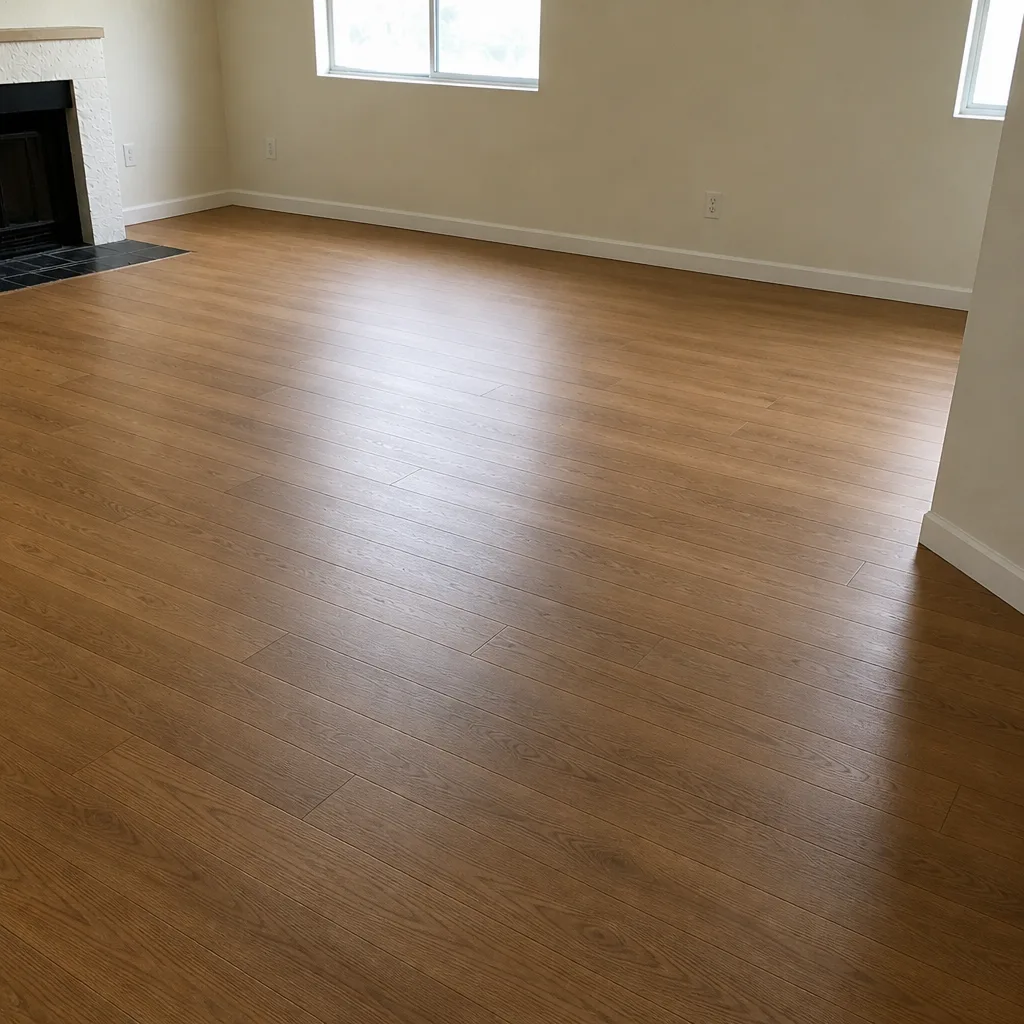
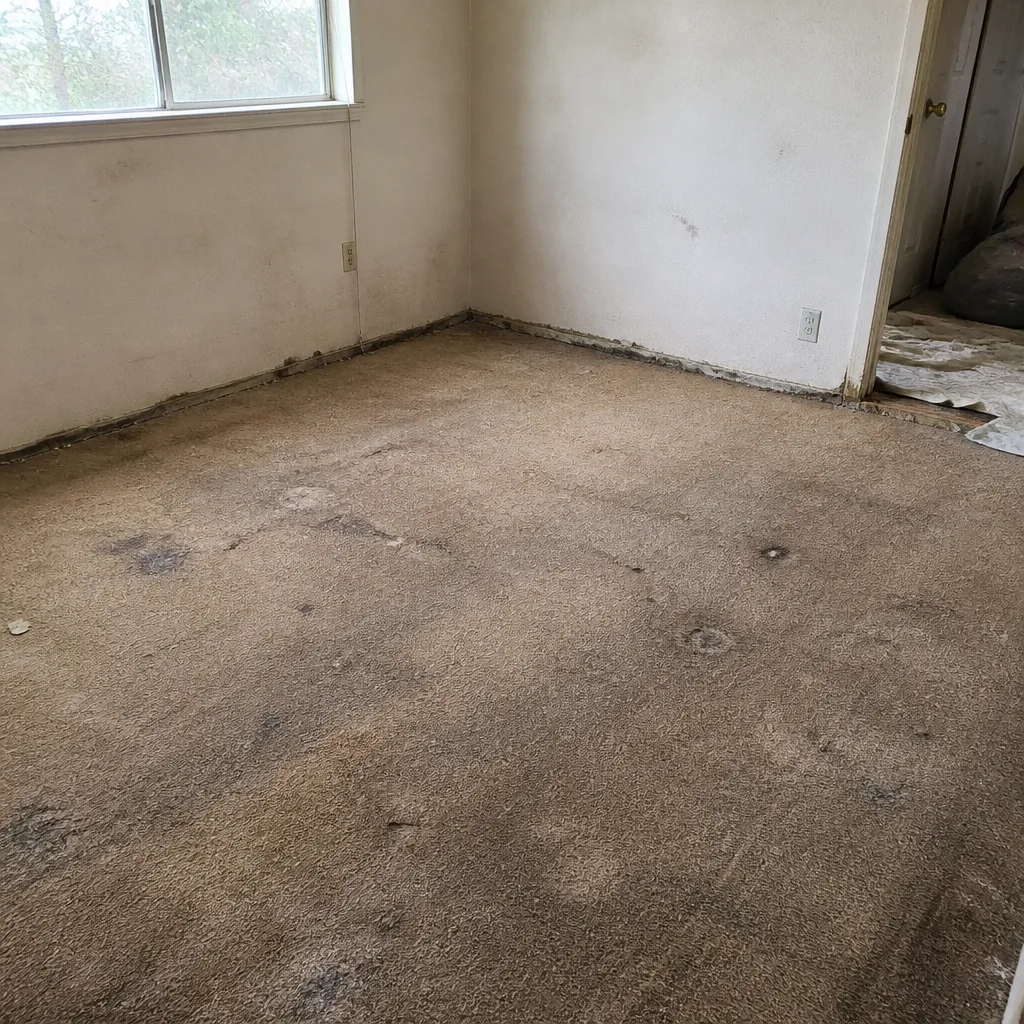
See the difference
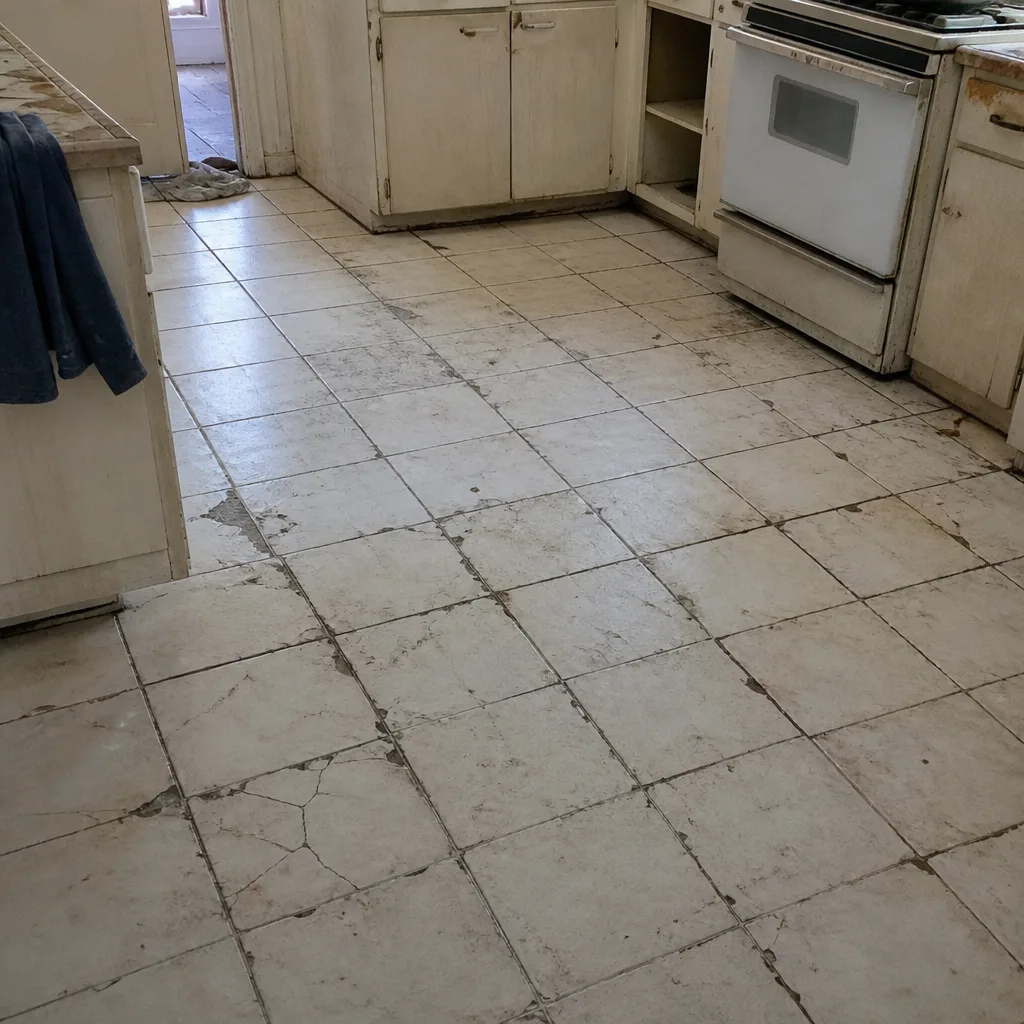 Before
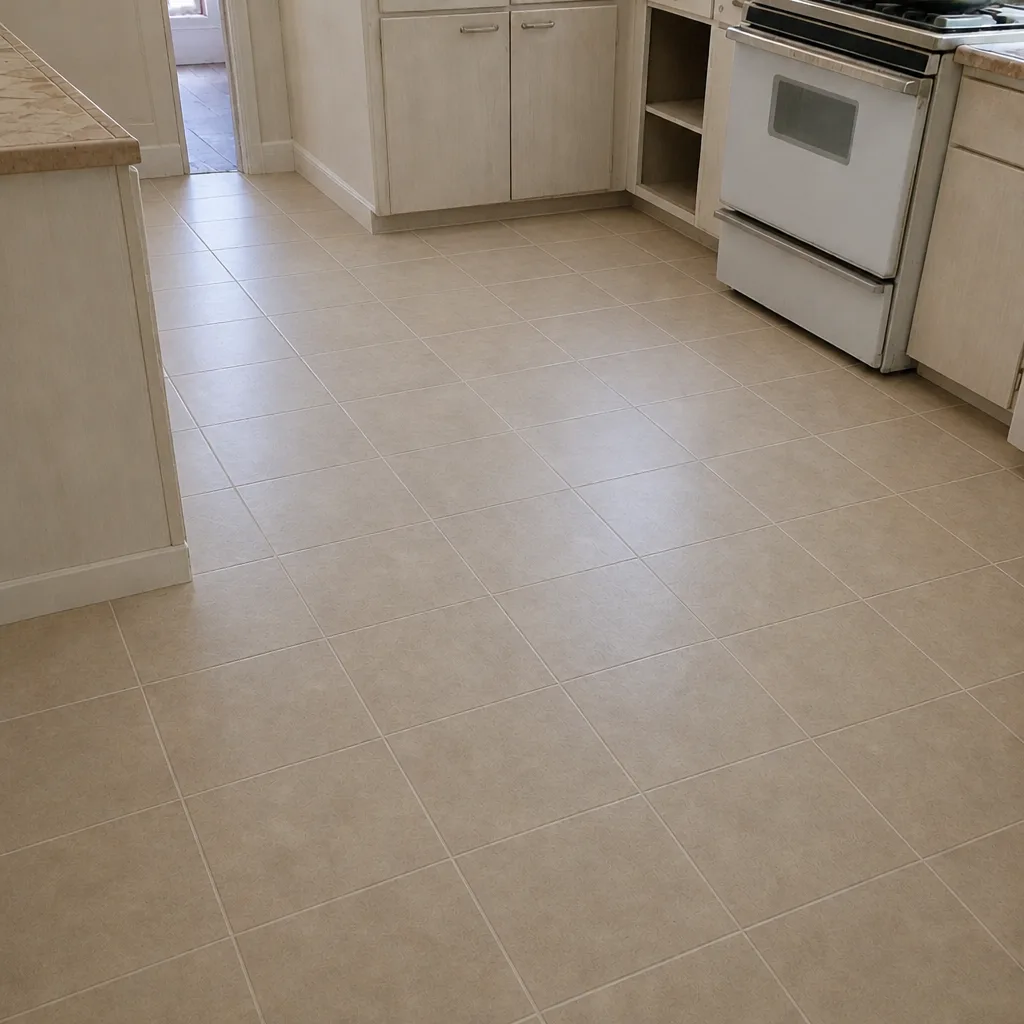 After
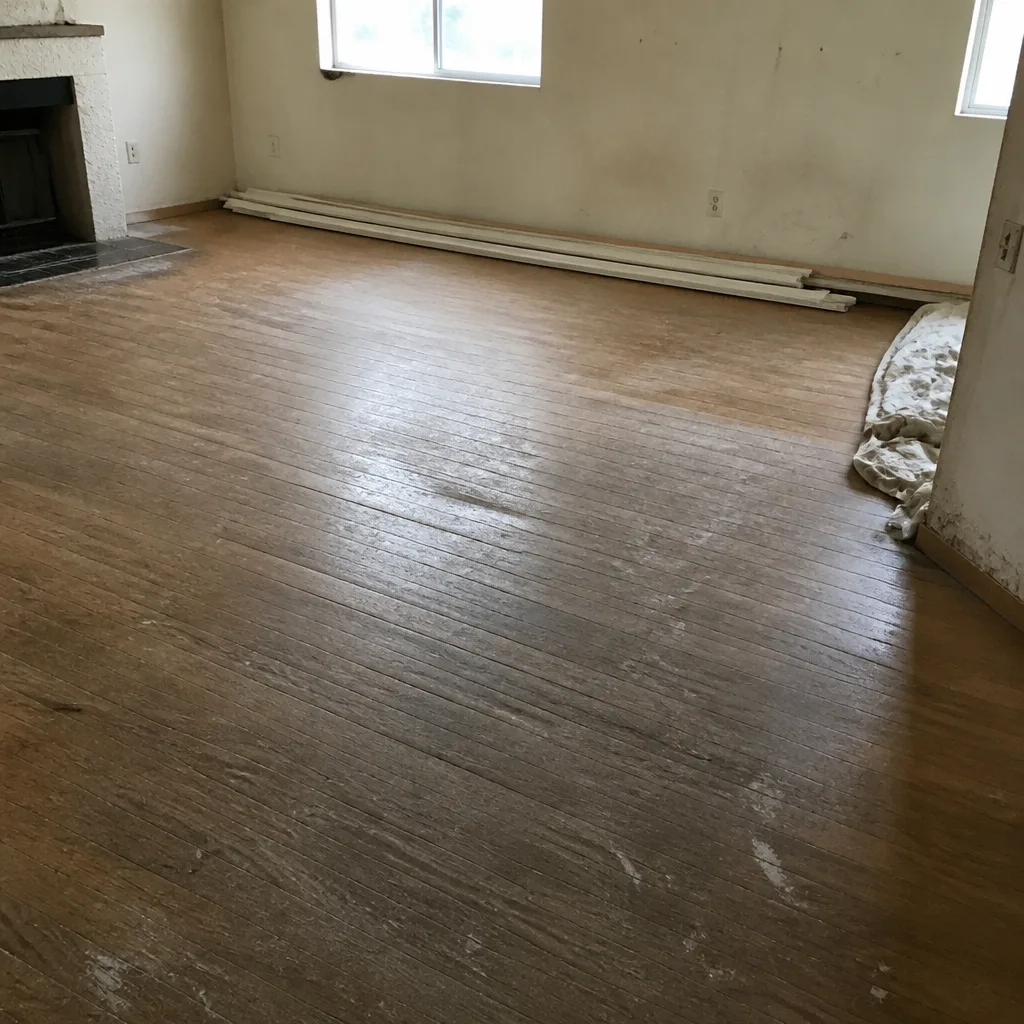 Before
 After
 Before
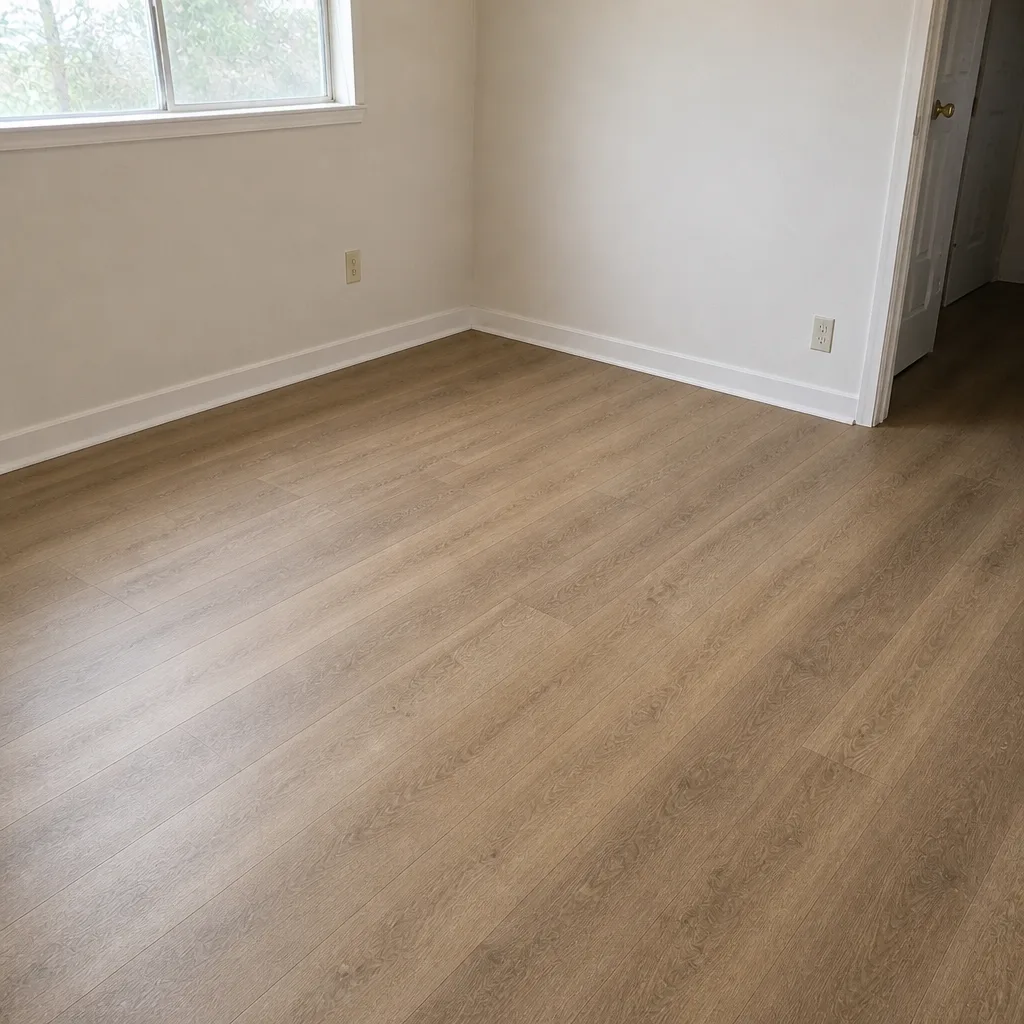 After
When to Call a Professional
Some flooring decisions genuinely call for a professional look. If you’re tearing out old tile and adhesive on a slab, if a moisture problem has surfaced under an existing floor, if your subfloor is out of level, or if the existing hardwood might be refinishable rather than replaceable, get someone who does this work to look at it. Hardwood refinishing in particular isn’t a DIY job – the sanding equipment alone requires training to run without gouging, and a stain color match depends on the condition of the wood beneath. If you’re weighing multiple rooms or materials at once – carpet for bedrooms, tile for a bathroom, plank for the hallway – a single specialist reduces coordination overhead and keeps the materials choices coherent.
Floors North Las Vegas offers free estimates in North Las Vegas – call (888) 393-9180. We answer 24/7. Fast dispatch from 7am to 7pm, Sunday through Friday. Our technicians have up to 11 years of experience, and every quote is written, line-item, and set by the estimate. If you’re in North Las Vegas, we can come to you, measure the space, and walk you through the material trade-offs in person.
Frequently Asked Questions
Look up the contractor’s license number on the Nevada State Contractors Board’s public lookup, which shows whether the license is active and in good standing. For residential flooring work, look for a C-20 classification or the appropriate flooring subclass. Any legitimate contractor will give you the number without hesitation.
A proper flooring quote itemizes the material by brand and product, the installed square footage, tear-out and disposal, subfloor prep, installation labor, and trim and transitions, plus a payment schedule and estimated timeline. If your quote has only one dollar figure, ask for the breakdown before comparing it to another bid.
They’re usually quoting different scopes, not different prices for the same work. Subfloor prep, tear-out, and disposal are the most commonly omitted line items, and any of those can shift the number significantly. Compare line-by-line, not bottom line.
You need a flooring specialist who offers refinishing as a service, because sanding, staining, and coating are different skills than installation. Whether your specific floor can be refinished depends on the thickness of the wood and its condition, which is checked at the estimate visit. Not every floor qualifies, but many do – call (888) 393-9180 to schedule a free estimate and we can tell you whether refinishing is an option for your floor.
Yes, the estimate is free and comes with a written quote. There’s no obligation to book the job. Call (888) 393-9180 and we’ll schedule a visit to measure, inspect the existing floor, and put the scope in writing.
Independent local professionals perform the work, and any flooring specialist should tell you up front whether the crew is on staff or subcontracted, who supervises, and who holds the warranty. Ask before you sign, not after – the answer should be clear.
The Bottom Line
Hiring a flooring contractor in North Las Vegas comes down to three questions: is this person licensed, is the quote itemized, and who is actually installing the floor. The price matters, but only inside a scope you can read and compare against the other bids. A specialist who names the product, checks the subfloor, and puts every line item in writing is not a safer bet because they cost more – they’re a better bet because you can see exactly what you’re paying for. Nine brands, one specialist: carpet, tile, and hardwood under one crew, handled by Floors North Las Vegas. Call (888) 393-9180 for a free estimate. We answer 24/7. Fast dispatch from 7am to 7pm, Sunday through Friday.
Written by the team at Floors North Las Vegas.