
Last updated November 18, 2026
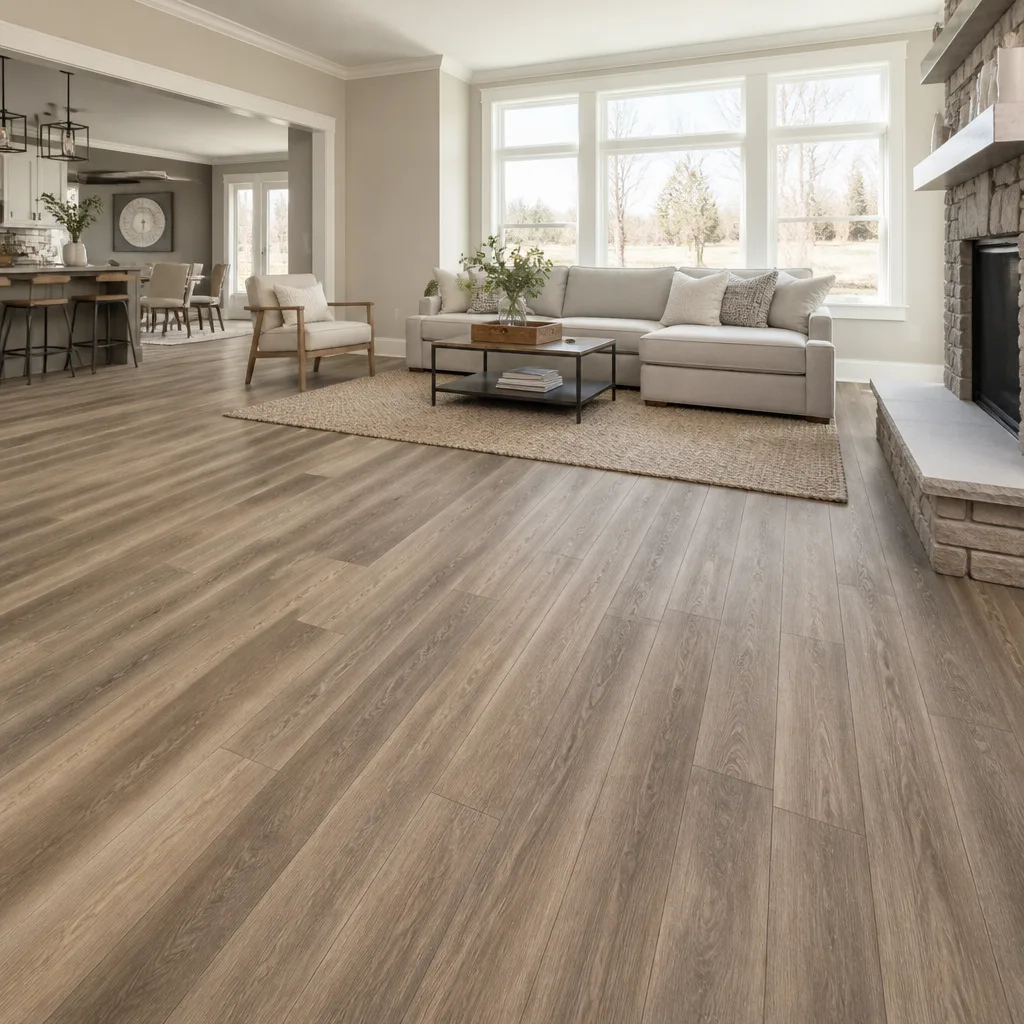 Luxury vinyl plank
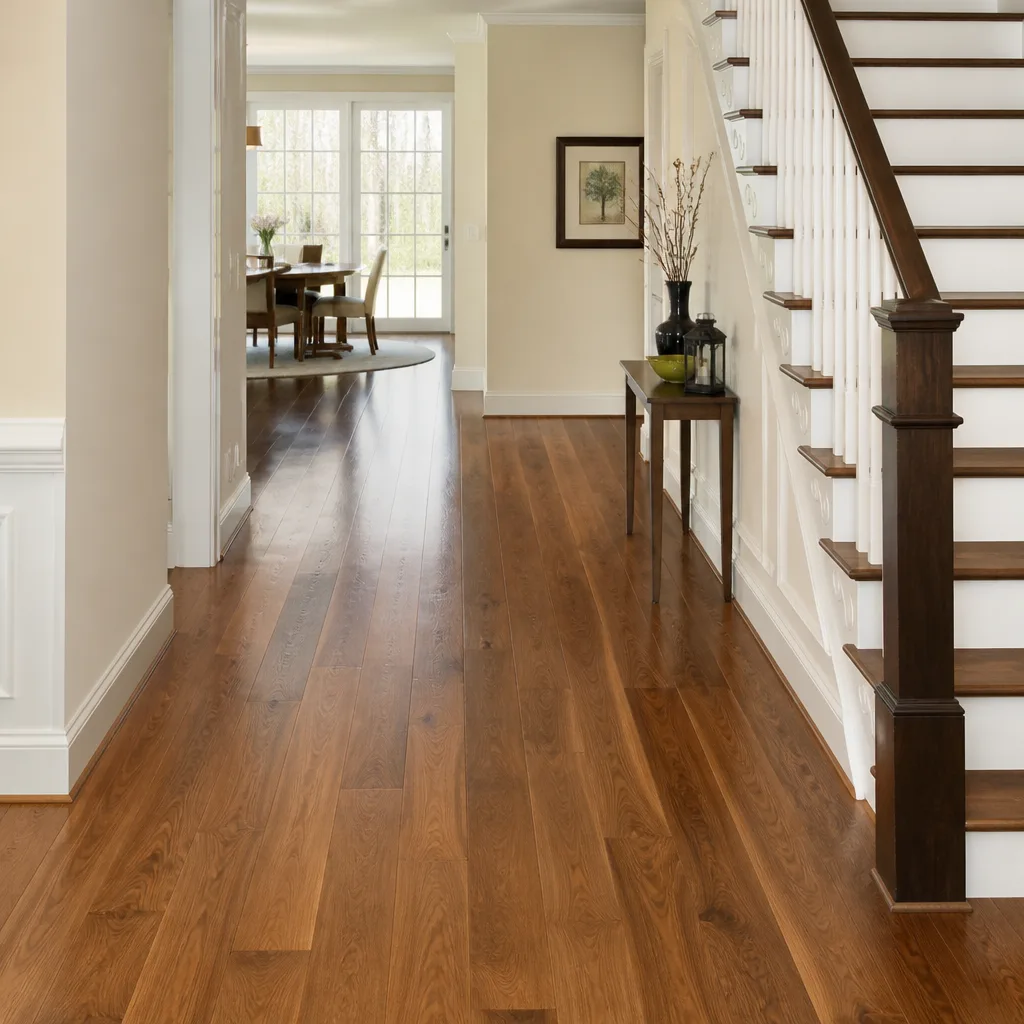 Hardwood
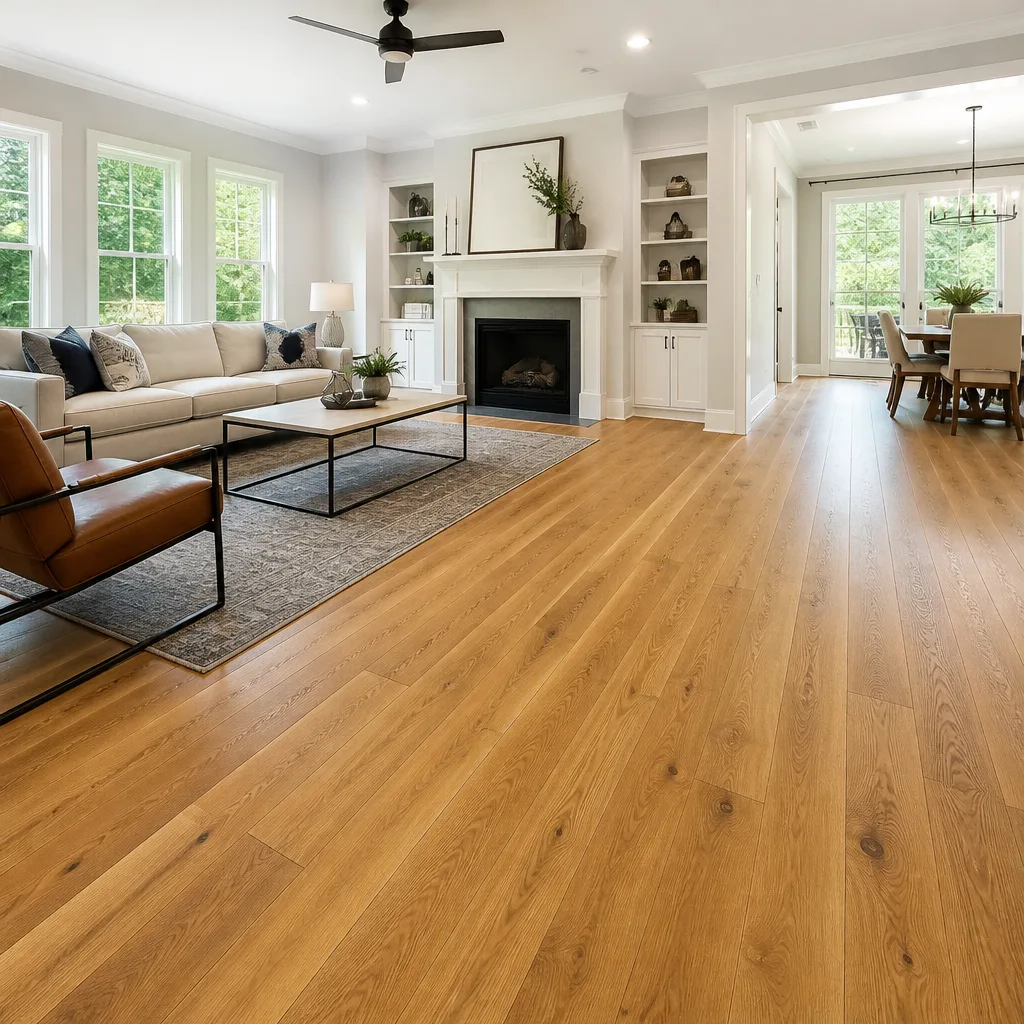 Engineered hardwood
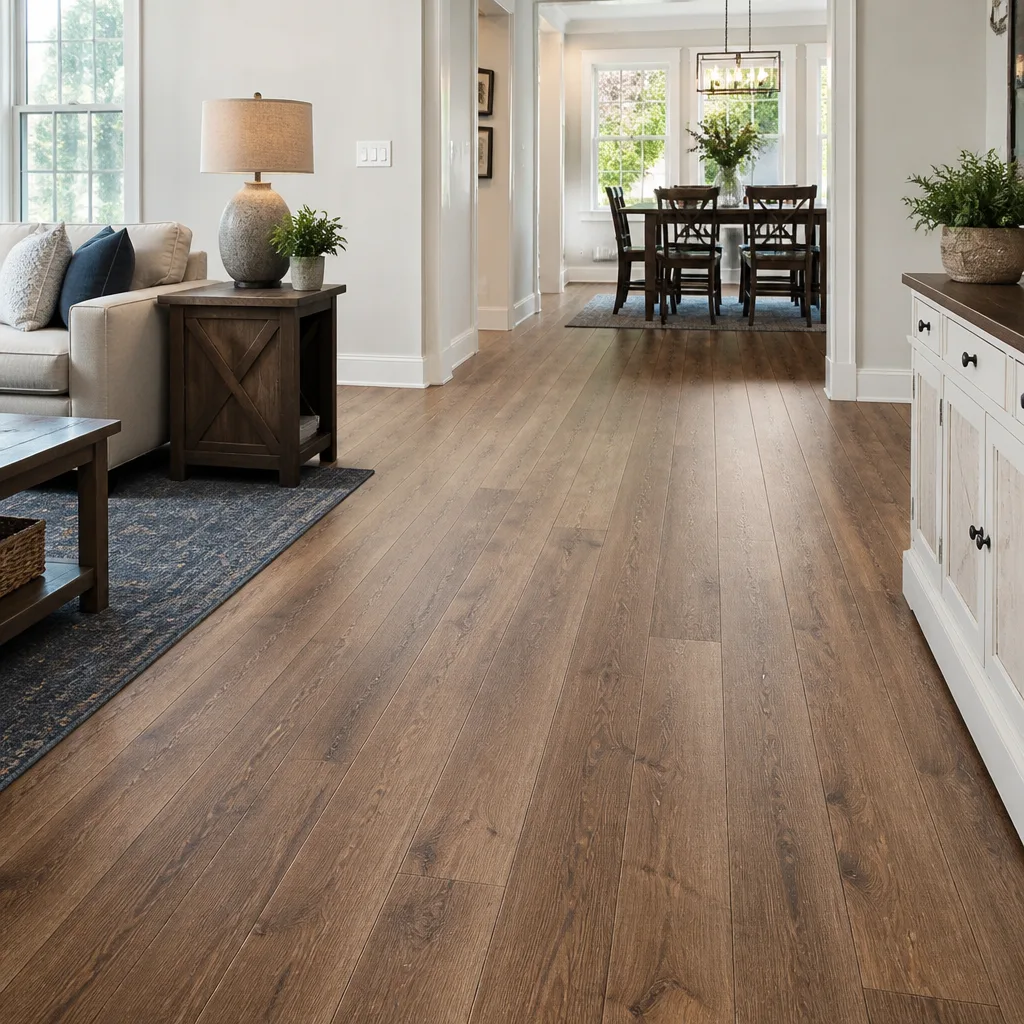 Laminate
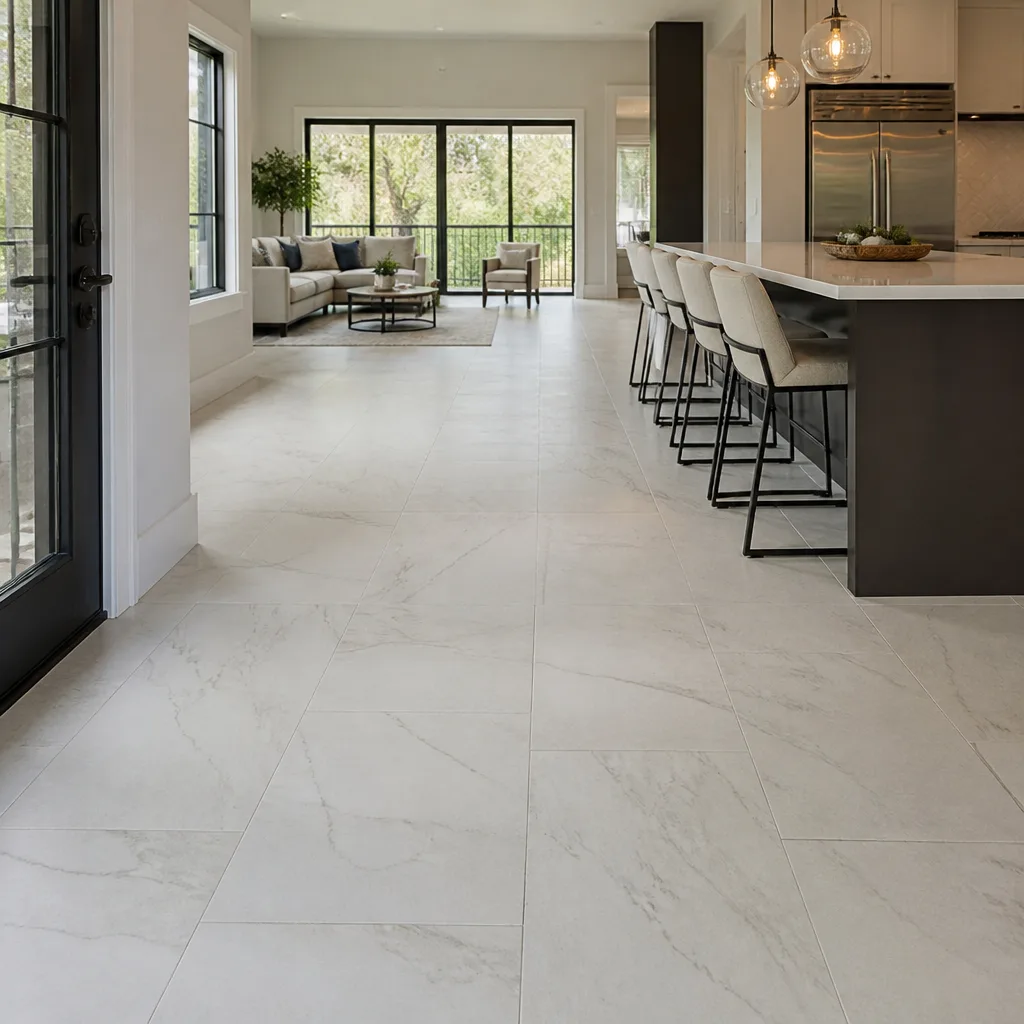 Porcelain tile
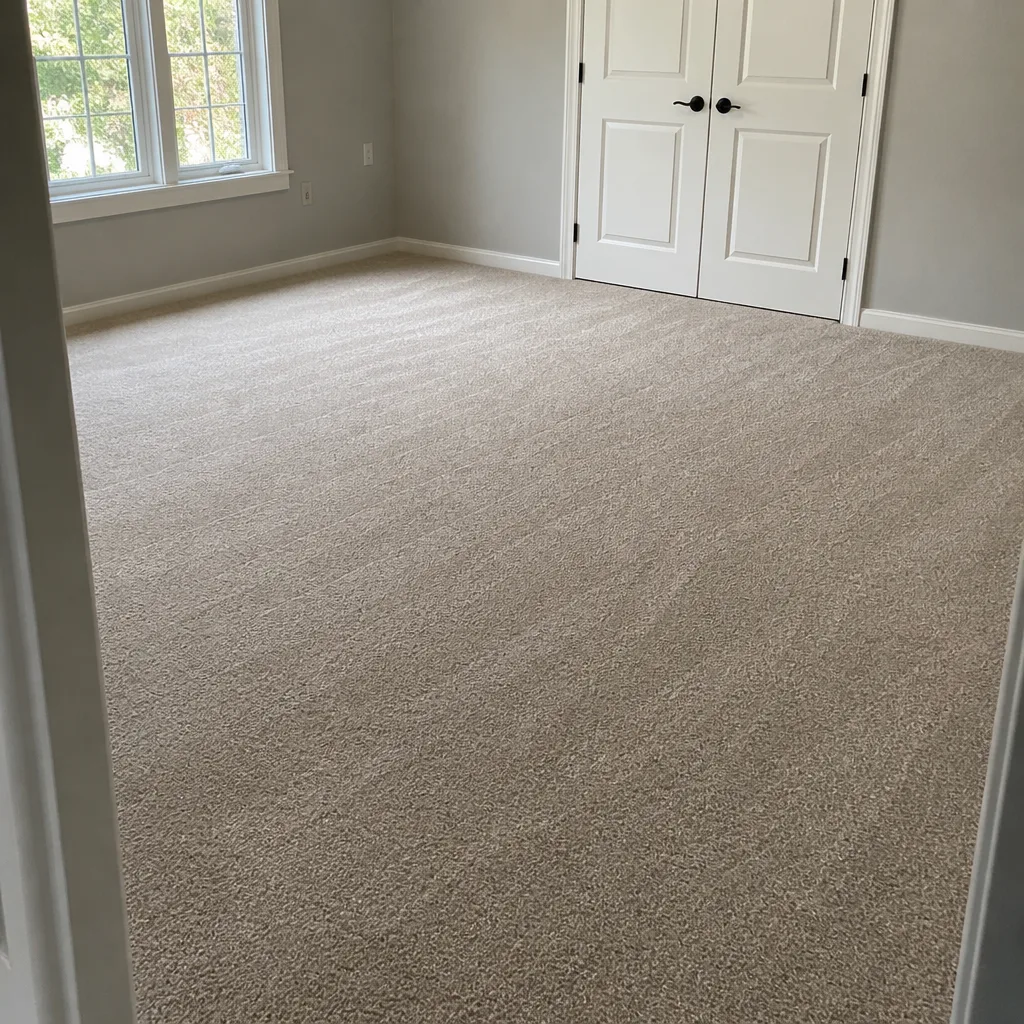 Carpet
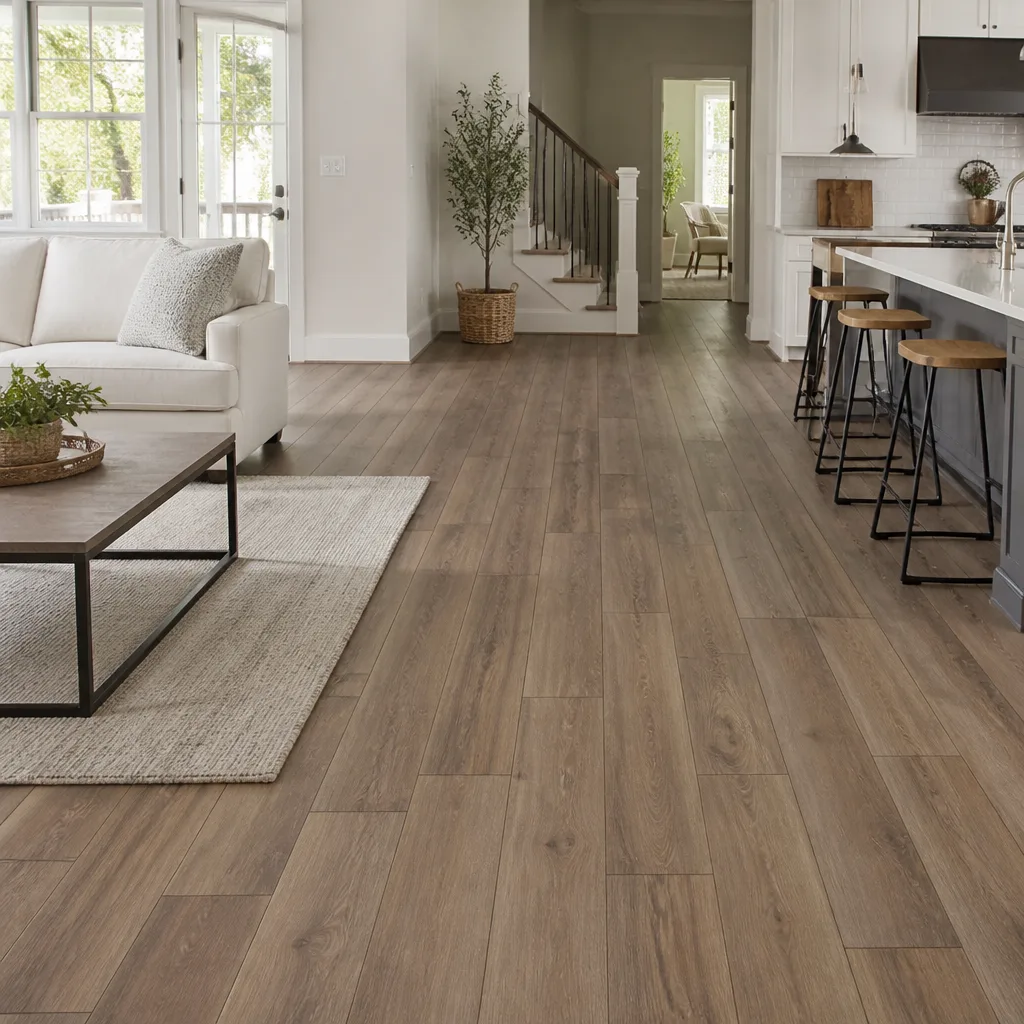 Shaw
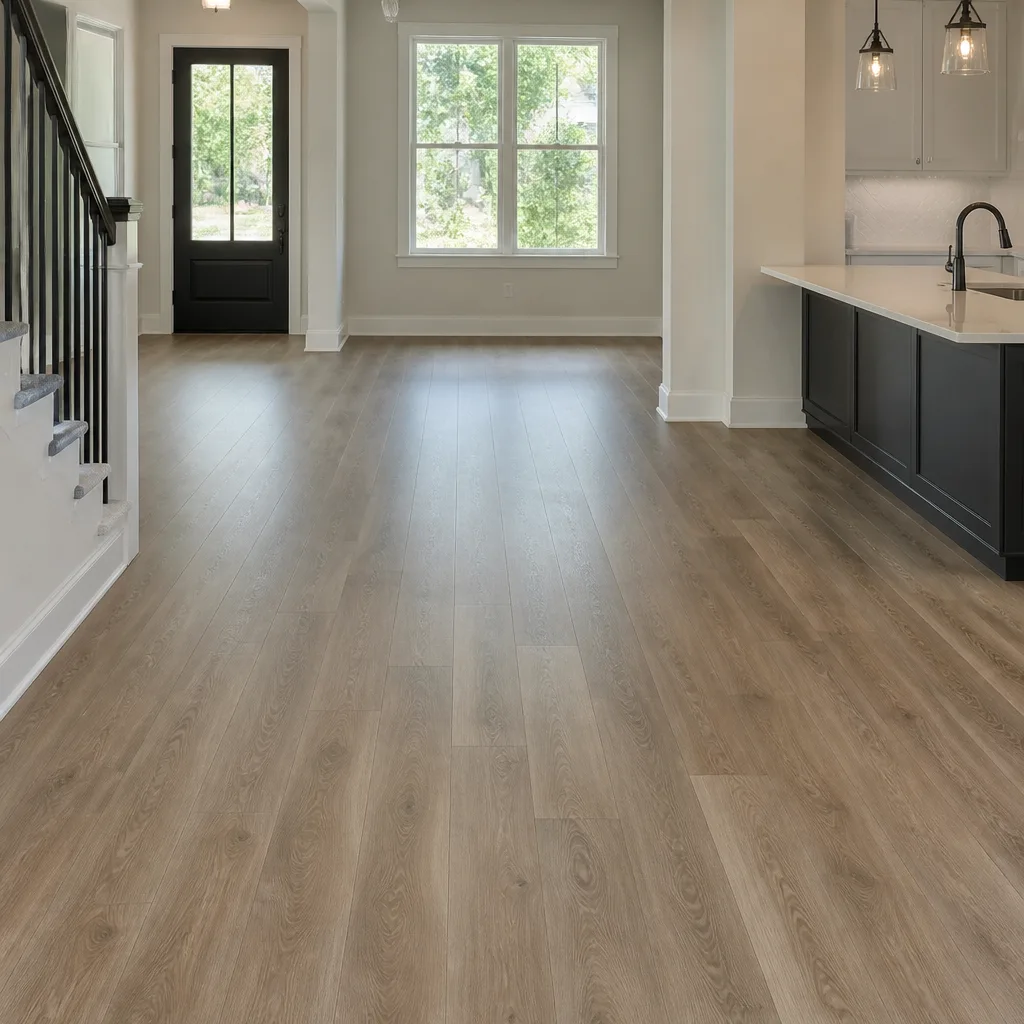 Mohawk
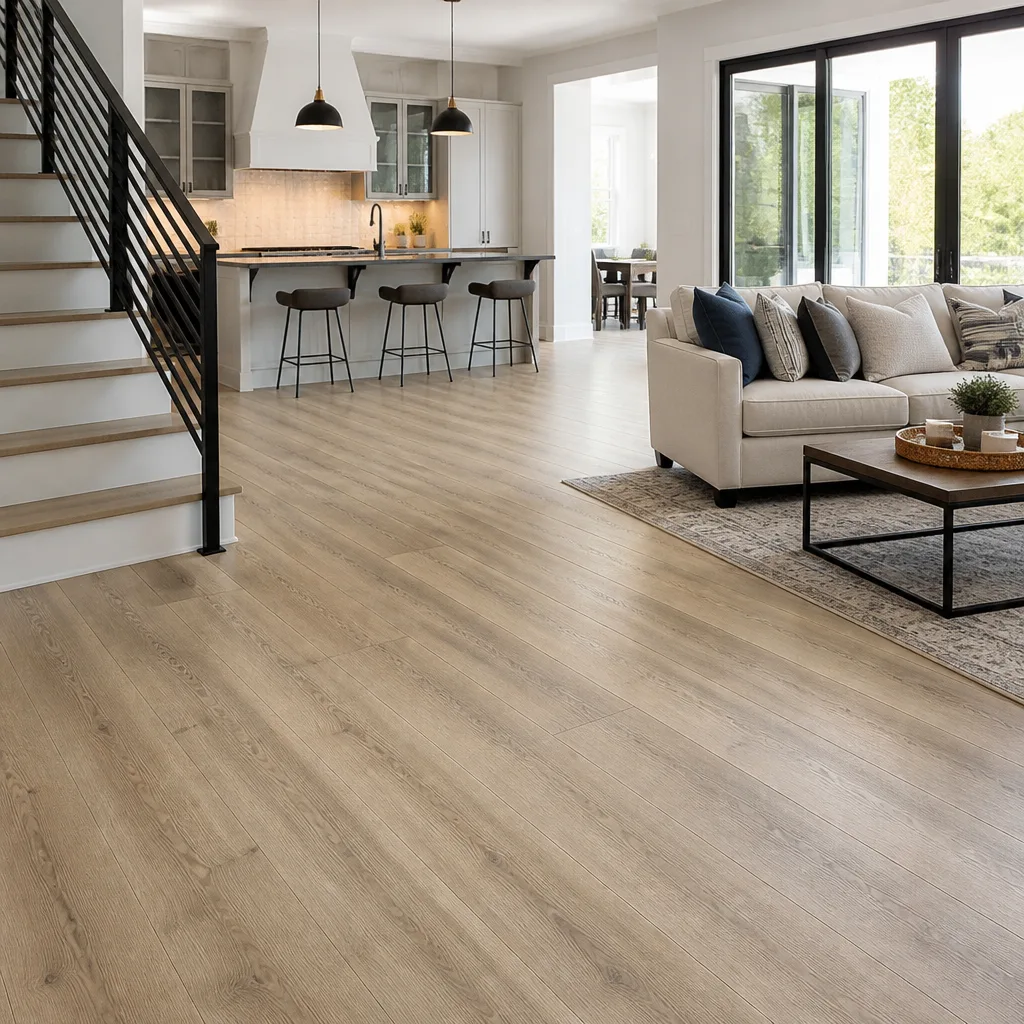 COREtec
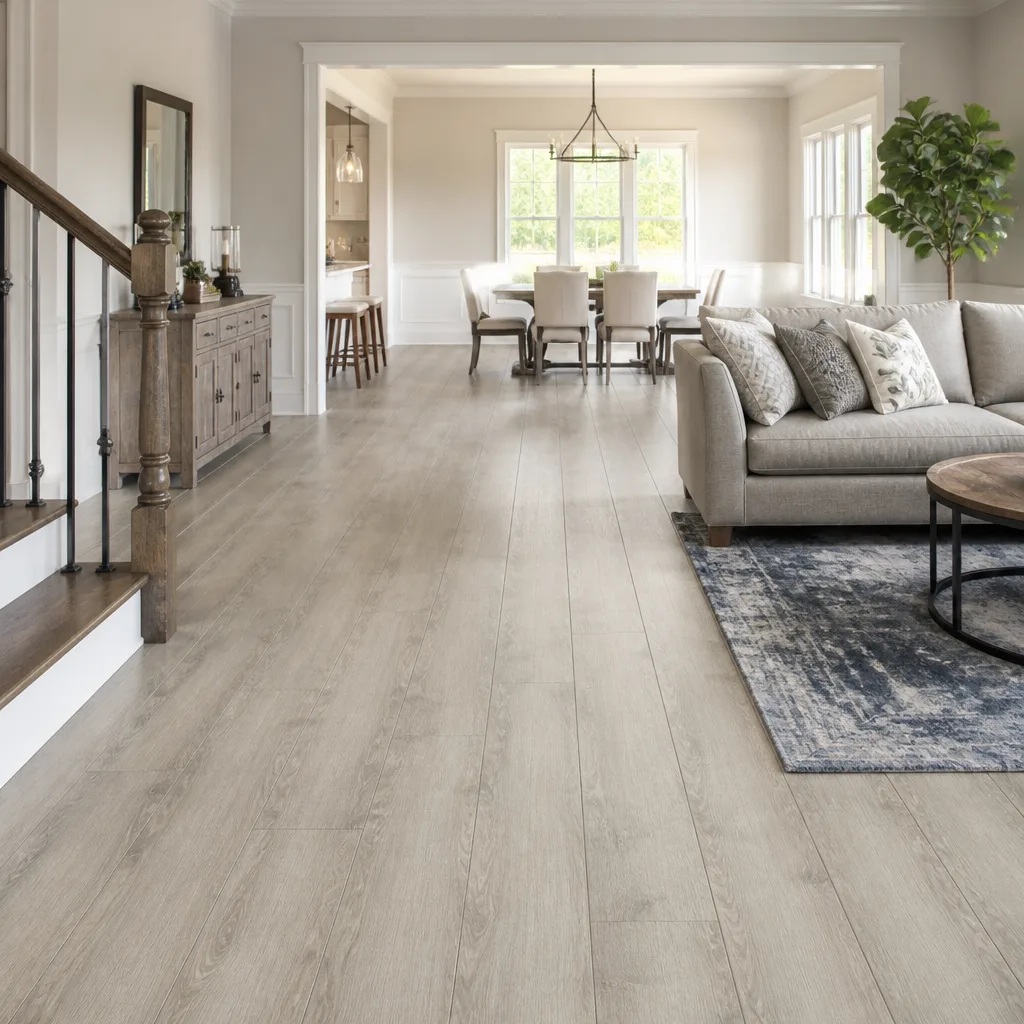 Pergo
Free in-home measure and written estimate: Shaw, Mohawk, COREtec and Pergo lines compared on your own rooms, with carpet, tile, vinyl plank, laminate and hardwood laid out side by side
Get your free estimateHardwood, Vinyl Plank, Laminate or Tile: How North Las Vegas Homeowners Decide
Hardwood flooring gets sold in North Las Vegas showrooms every week, and a surprising share of those sales are engineered products going into concrete slabs that solid hardwood could never survive. The category name is doing a lot of marketing work there. “Hardwood” sounds like one thing; structurally it’s two very different products. That gap matters more in North Las Vegas than in most U.S. markets, because the way homes here are built and the way the climate behaves here narrow the field faster than anywhere else. This guide walks through all four floors honestly: what each one is, where it fails here, and which one wins for each priority a homeowner actually has. By the end you’ll know which category fits your home, not just which one looks best online.
Quick Answer
For most North Las Vegas slab-on-grade homes, engineered hardwood or luxury vinyl plank is the right call for living areas, large-format porcelain tile is the most climate-rational choice for kitchens, entries and anywhere moisture lives, and laminate is best kept to dry rooms where its budget advantage isn’t undercut by monsoon humidity. Solid hardwood is largely off the table because it can’t be glued or floated over a slab the way engineered wood and resilient floors can. Pick by use case first, then by look, not the other way around.
Styles & brands we work with
- Hardwood
- Engineered hardwood
- Luxury vinyl plank
- Laminate
- Porcelain tile
- Carpet
- Shaw
- Mohawk
- COREtec
- Pergo
Table of Contents
- Why North Las Vegas Slab Construction Changes Everything
- What “Engineered Hardwood” Actually Means Structurally
- Luxury Vinyl Plank: The UV and Wear Layer Questions
- Laminate and Monsoon Season: Where It Fits and Where It Doesn’t
- Large-Format Porcelain Tile: The Climate-Rational Choice
- The Decision Matrix: Match the Floor to Your Priority
- Refinish Before You Replace: The Hardwood Option Most Shops Skip
- Whole-Home Continuity: One Specialist, Multiple Surfaces
Why North Las Vegas Slab Construction Changes Everything
Most homes in North Las Vegas sit on slab-on-grade foundations. There’s no crawlspace underneath, no wood subfloor to nail into. That single fact eliminates more flooring options here than any design trend ever will. Solid three-quarter-inch hardwood wants to be nailed to a wood subfloor or installed on sleepers over concrete. Nailing is out on a slab, and sleepers raise the floor height and add cost and complexity. The practical result: most solid hardwood gets ruled out before you ever get to color and finish.
There are more slab realities to plan around:
- Moisture from below. Concrete wicks moisture, and every floor covering has a different tolerance for it. Testing at the estimate visit is not optional.
- Floor height transitions. Any build-up over the slab creates a step at doorways and thresholds. That has to be planned, not discovered.
- Underlayment rules. Some resilient and laminate products require a specific underlayment; tile wants a proper crack-isolation membrane in many cases. The product instructions and the written estimate set what applies to your home.
- Surface preparation. Slabs aren’t always flat, and the tolerance for flatness depends on the product going on top. That gets checked at the estimate, not guessed at.
None of that means a slab home is limited. It means the floor has to be chosen for the slab, not against it. If you’re redoing the whole house, Floors North Las Vegas handles the surfaces across all the rooms, which matters when the same slab conditions apply to carpet in the bedrooms and tile in the kitchen.
What “Engineered Hardwood” Actually Means Structurally
Engineered hardwood is real wood, just not a single solid plank. It’s built in layers: a top layer of the species you’re choosing, backed by a core of cross-layered plywood or a composite core, with the grain running perpendicular from layer to layer. That cross-ply construction is what makes it stable. Rather than a slab of wood that wants to expand and contract in one direction, you get a plank that resists movement across its width. That’s the whole ballgame on a concrete slab.
What’s different from solid hardwood:
- Installation method. Engineered planks can be glued directly to concrete or floated over an approved underlayment. Solid wood generally can’t. That’s why a large share of what’s sold as “hardwood” in this market is engineered.
- Wear layer thickness. The top veneer on engineered planks varies. A thicker wear layer allows more resurfacing later; a thin one may only be refreshed, not fully sanded. That trade-off gets measured at the estimate.
- Stability under dry heat. The cross-ply core handles the seasonal humidity swings here better than a solid plank, though indoor humidity still matters for any wood floor.
- Look. You can’t tell engineered from solid once it’s down. The visible surface is real wood, so the hand-scraped and wire-brushed finishes read the same.
We carry Mannington and Armstrong in the engineered hardwood category, both with real wood faces in a range of species and finishes. The honest framing: if you want a wood floor in a North Las Vegas slab home, engineered is what you’re shopping for. Solid hardwood is a specialty case, not the default.
Luxury Vinyl Plank: The UV and Wear Layer Questions
Luxury vinyl plank is the fastest-growing floor in North Las Vegas for a reason: it floats over a slab, handles moisture at the surface, and now comes in patterns that pass for wood at arm’s length. But there are two details most comparison articles skip, and both matter here. The first is UV. North Las Vegas gets around 300 sunny days a year. Rooms with west-facing windows or patios get intense afternoon sun, and low-end vinyl can yellow or discolor under that exposure over time. The fix isn’t complicated: look for a UV-cured wear layer rated for sunlight, and don’t put the cheapest plank in the sunniest room in the house.
The second is wear layer thickness. This is the transparent top layer above the printed design. It’s the thing your feet and furniture actually touch. In the residential market, 12 mil is common and 20 mil is the higher-end residential standard. Thicker wear layers hold up better and provide more resurfacing margin, which matters for resale. In our experience most homeowners comparing LVP quotes never ask what the wear layer is, and most cheap quotes hope they won’t.
Worth knowing before you shop:
- Waterproof core is not the same as waterproof flooring. COREtec and LifeProof are the leading waterproof-core lines and they deserve that reputation for surface spills and pet accidents. Standing water and moisture coming from below the slab still have to be dealt with. No plank stops a slab problem.
- Wear layer thickness correlates to price, but the jumps aren’t clean. A 20 mil product is usually higher quality and more expensive, but the printed design and core quality also vary. Ask what you’re paying for.
- Pergo and LifeProof cover the budget and mid-range durable end of the market. Karndean, a premium design-led line, sits above that. It’s rarer at generalist dealers and heavier on design-led finishes and smaller tile-format vinyl.
Laminate and Monsoon Season: Where It Fits and Where It Doesn’t
Laminate has a reputation issue that’s mostly historical, but the material still has real constraints in North Las Vegas. Laminate is a wood-fiber composite core with a photographic layer and a clear top wear layer. Because the core is wood fiber, it reacts to humidity. In the dry rest of the year that’s manageable. During monsoon season, typically July into August, North Las Vegas can get sharp spikes in humidity when moisture moves in from the south, and those spikes are exactly what laminate cores are vulnerable to. Edges can swell, seams can lift, and the damage isn’t always fixable in place.
Where laminate works well: bedrooms, hallways, closets, and other dry interior spaces with stable conditions. Where it gets risky: laundry rooms, bathrooms, and any room where a plumbing leak or an open window in a monsoon storm could get the edges wet. On a per-square-foot basis laminate is usually the lowest-cost realistic option if you’re after the look of wood on a budget, and Pergo remains the name most people associate with a durable laminate.
The AC rating matters too. AC ratings are the wear classification scale laminate products carry: AC-3 is rated for residential, AC-4 for heavier residential and light commercial, AC-5 for commercial. Here’s the honest read: an AC-5 laminate is not automatically a better choice for a wet room. A high wear rating speaks to abrasion resistance, not water resistance. Ask both questions before you buy.
You can see why, if a whole home is being refinished at once, a mixed-material plan often beats forcing laminate into a kitchen that would be better served by tile flooring installation.
Large-Format Porcelain Tile: The Climate-Rational Choice
Porcelain tile is the floor that most closely matches the realities of North Las Vegas: it doesn’t care about humidity, it doesn’t fade in UV, it doesn’t mind the slab, and it holds up against the sun and heat hitting south- and west-facing rooms. Large-format porcelain means planks and tiles usually 12 by 24 inches or bigger, which cuts the grout lines and gives you a cleaner look. Rectified tile, meaning the edges are machined square after firing, allows very tight grout joints and a cleaner plane. It’s the most climate-appropriate floor for main living areas, entries, kitchens and bathrooms.
So why do homeowners push back on it? Three reasons, all of which come up in every showroom consultation:
- Cold underfoot. Porcelain feels hard and cool to bare feet in the morning and in winter. That’s the trade-off for a floor that doesn’t care about monsoon humidity.
- Hardness. Anything dropped on it is more likely to break, and standing on it for long periods is harder on the body than resilient floors.
- Perception of cost. Large format and rectified tile tend to sit above vinyl in installed cost. The honest counterpoint is that it doesn’t need to be replaced every 15 or 20 years.
Daltile provides the widest range here, from budget porcelain to large-format and rectified lines. The most common trade we see is a careful split: tile in the kitchen, laundry, and bathrooms; engineered hardwood or LVP in the main living area where people sit on the floor and walk barefoot. That mixed approach is practical in a North Las Vegas home, not a compromise.
The Decision Matrix: Match the Floor to Your Priority
This is the part most comparison articles won’t give you. Here’s which floor wins based on what actually matters to you, stated plainly.
- If resale value at the top of your list is the driver: porcelain tile in kitchens and bathrooms and engineered hardwood in main living areas. Those are the categories buyers expect to see and they age the best in this climate. A 20 mil LVP is a solid second for living areas.
- If comfort is the driver: LVP in the main living areas, engineered hardwood if the budget allows, and carpet in bedrooms. Bedrooms are the one place where carpet installation still wins on comfort and warmth underfoot.
- If lowest long-term maintenance is the driver: porcelain tile in every high-traffic and wet room, LVP in dry living areas. Nothing beats tile for durability against weather and humidity.
- If budget is the driver: laminate in dry rooms, Pergo and LifeProof for LVP in the higher-traffic rooms, and tile limited to the wet rooms. Room-by-room decisions per surface get you the most house for the money.
- If you’re redoing the whole house at once: plan a material mix. Pushing one floor into every room usually means compromising in the rooms that matter most.
The key is to decide the priority before you walk into any showroom. Anyone helping you will have a floor for your priority; the question is whether the priority is yours or theirs.
Refinish Before You Replace: The Hardwood Option Most Shops Skip
If there’s already a wood floor in the house, or you’re buying a North Las Vegas home with one, refinishing deserves a serious look before anyone quotes a replacement. Refinishing is sanding the existing floor back to bare wood and applying a new finish. It saves material, saves the floor, and keeps original wood that a replacement can never reproduce. Most installation-only shops don’t offer it because it’s a different skill from laying new flooring, and it’s the skill that separates a flooring specialist from an installer.
What refinishing involves, step by step:
- Assess the floor. The thickness of the wood and its condition are checked first. Engineered floors have a veneer top, so how much it can be sanded depends on that layer; solid floors generally have more room.
- Prepare the room. Furniture out, trim protected, and the whole job planned so it doesn’t happen all at once in a house someone is living in.
- Sand to wood. Drum sanding removes the old finish and levels minor surface damage. Any repair to boards happens before finish goes on.
- Finish. A stain is applied if a color is chosen, followed by the top coats. Stains don’t always match a sample exactly; the species and the existing tone determine how close you can get.
Not every wood floor can be refinished, and no honest company promises it without seeing the floor first. Anything over-thinned or damaged beyond the top layer needs replacement instead. If you’re not sure what you have, the estimate visit is the place to find out.
Whole-Home Continuity: One Specialist, Multiple Surfaces
Most flooring projects in North Las Vegas aren’t a single room. They’re a whole house being brought up to date one budget at a time, or a purchase where every room needs attention. That’s where coordinating separate contractors for carpet in three bedrooms, tile in two baths, and vinyl plank through the main floor creates a problem: nobody is responsible for thresholds, transitions between materials, or how the schedule fits together. Each surface gets quoted by someone with a different plan.
We’ve built how we work around that problem rather than around a single material. We cover all three primary residential surfaces: carpet, tile, and hardwood or resilient floors. Nine brands across those categories means you’re choosing a product, not a house brand. From North Las Vegas to the surrounding valley, the plan stays the same: one estimate for the whole project, written per surface, and a schedule that books each install day in sequence rather than against each other.
What that looks like in practice:
- One measure, multiple rooms. The estimate visit covers every room you’re changing, so transitions and height differences are planned together.
- Surface-specific installation. Tile gets proper substrate and crack-isolation preparation. Carpet and resilient get the underlayment their instructions call for. The written estimate sets out exactly what’s included.
- Restoration as an option. If you have wood floors worth saving, refinishing can be folded into the same plan instead of getting a separate specialty quote.
Common Mistakes to Avoid
- Buying solid hardwood for a slab home. It sounds better, but it won’t perform on a North Las Vegas slab without a system underneath it that few jobs can justify. Ask the structural question before the style question.
- Comparing LVP quotes without asking the wear layer. Two quotes can look identical on the line item while one is 12 mil and the other 20 mil. That difference shows up years later as visible wear, not in the first price.
- Putting cheap vinyl in a west-facing room. North Las Vegas gets intense afternoon sun, and low-end planks without a UV-rated wear layer can discolor. Sun exposure is a product selection factor here, not an afterthought.
- Running laminate into a bathroom or laundry room. The core is wood fiber; monsoon humidity or a slow leak finds it. Keep laminate in dry rooms and put porcelain in the wet ones.
- Rejecting tile for comfort and then regretting it in the summer. A cool floor feels like a problem in January and a feature in July. If the room sees a lot of sun and foot traffic, think about the whole year, not one season.
- Skipping the refinishing assessment. A house with existing wood floors sometimes gets a full replacement quote when a refinish would restore the floor. Get the condition checked before the replacement decision is made.
- Choosing per-room from different shops. Multiple contractors on one whole-home project means transition conflicts and scheduling gaps. One planned estimate for all the surfaces avoids that.
See the difference
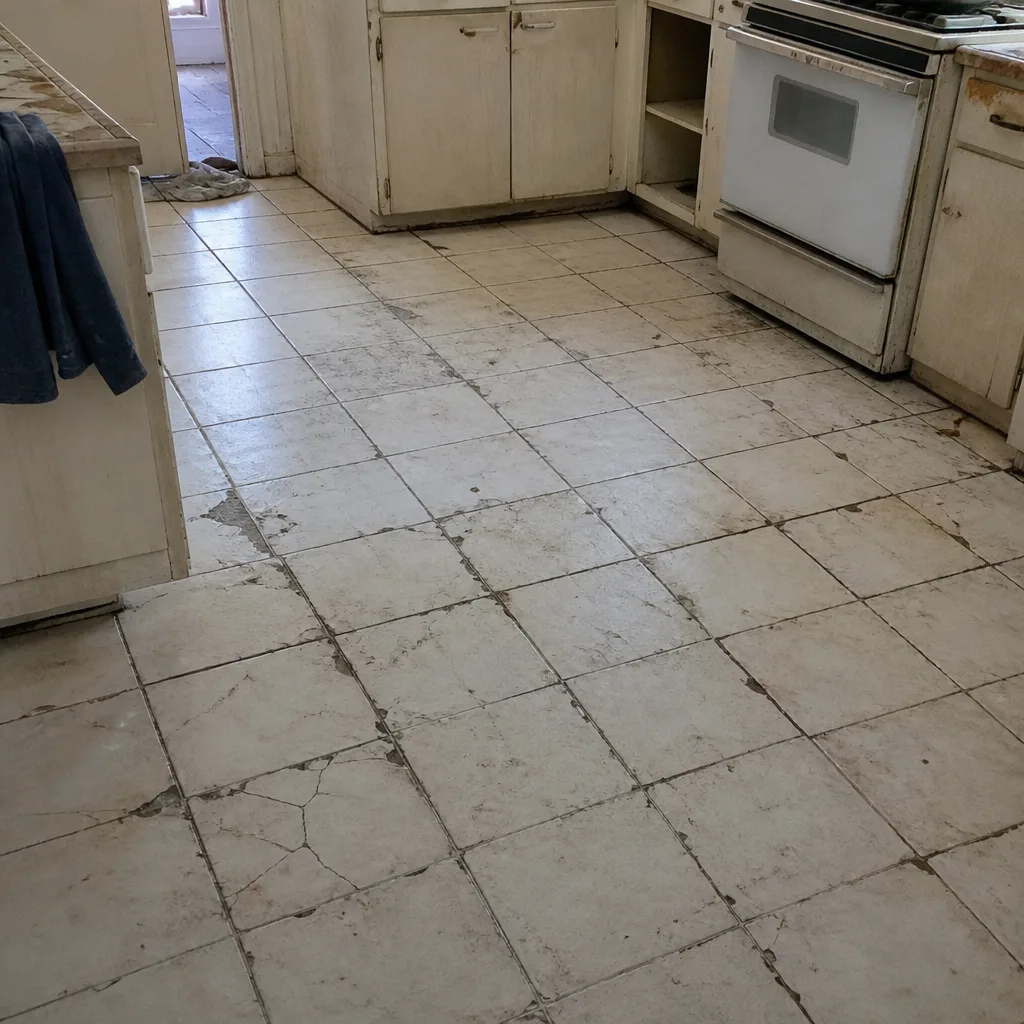 Before
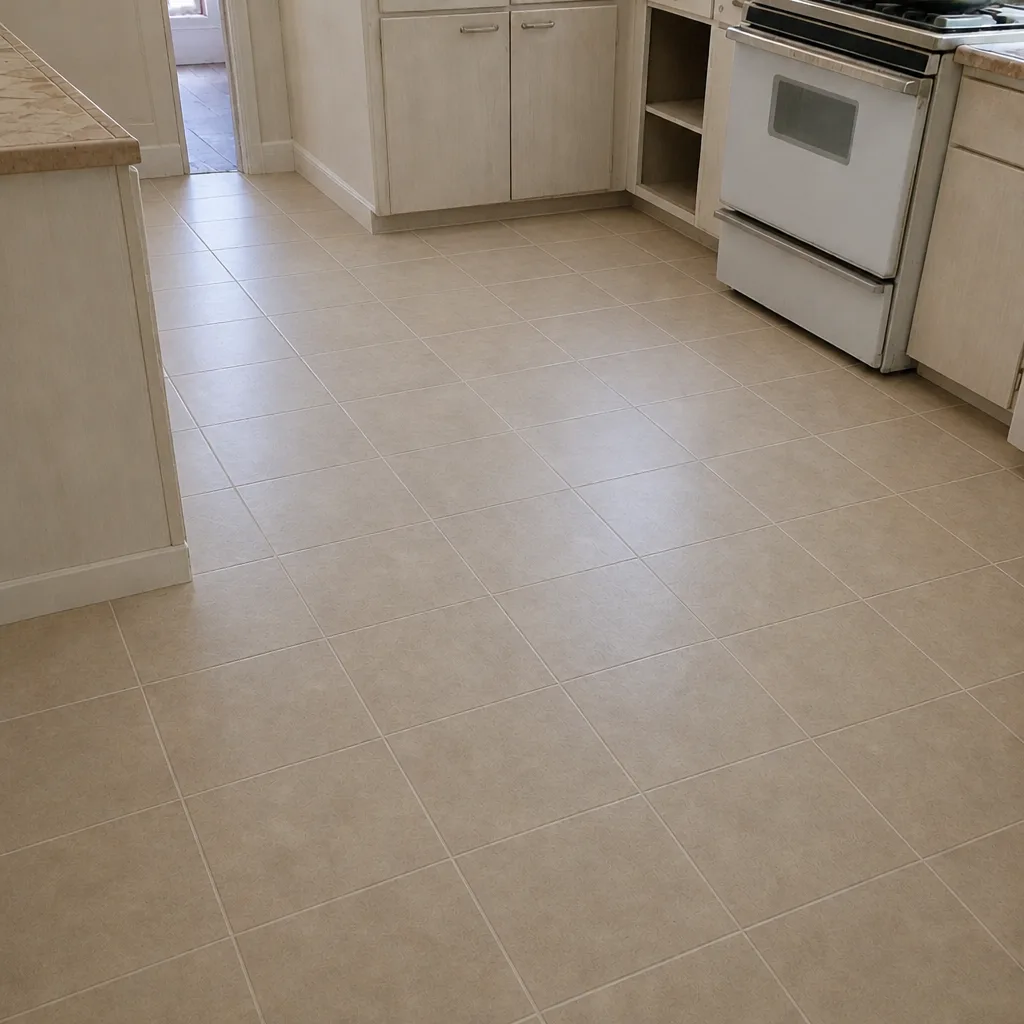 After
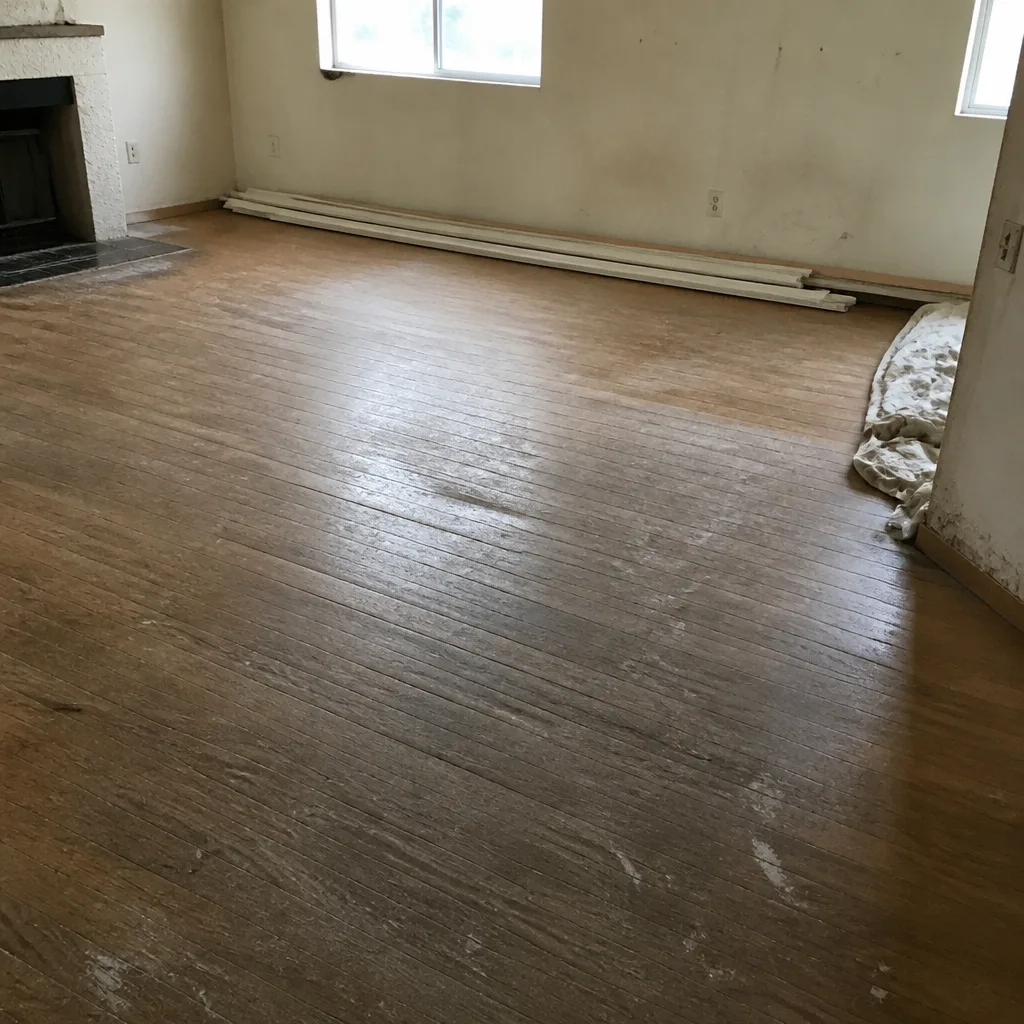 Before
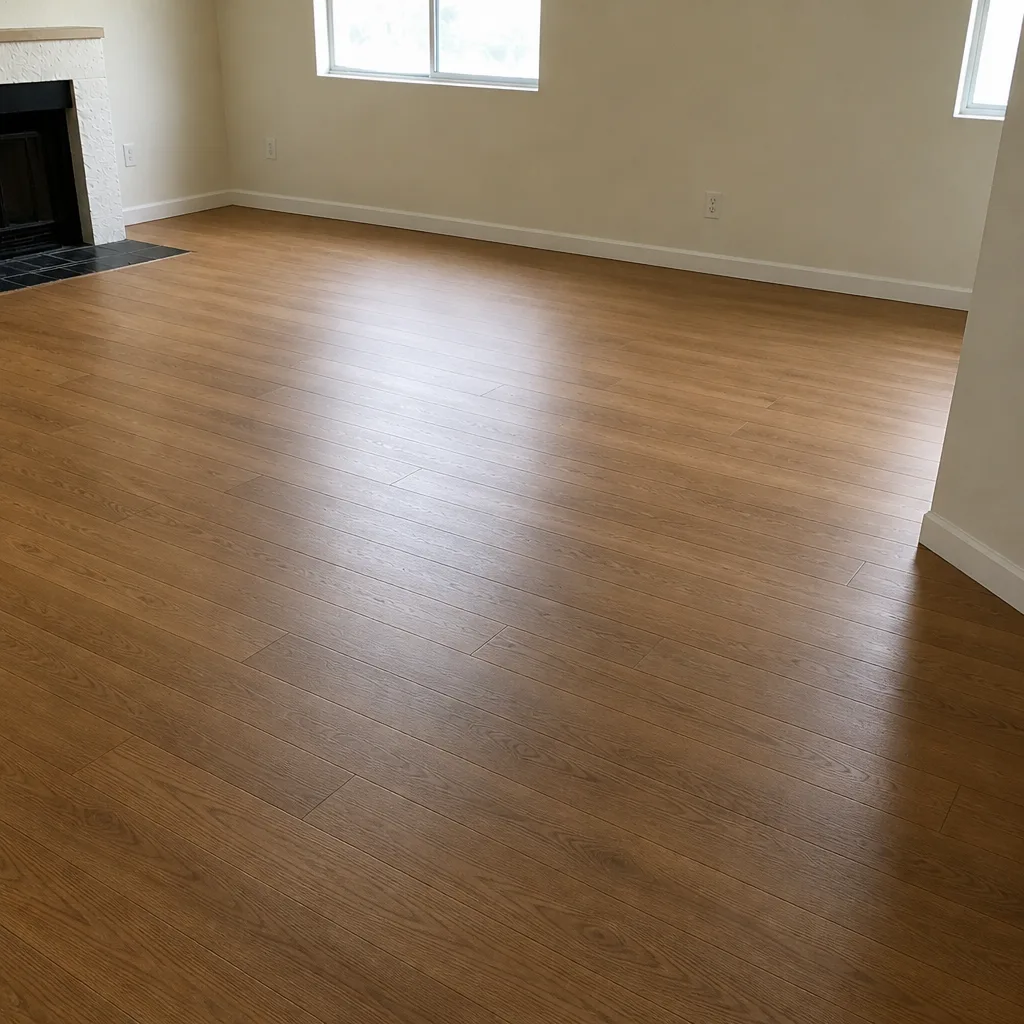 After
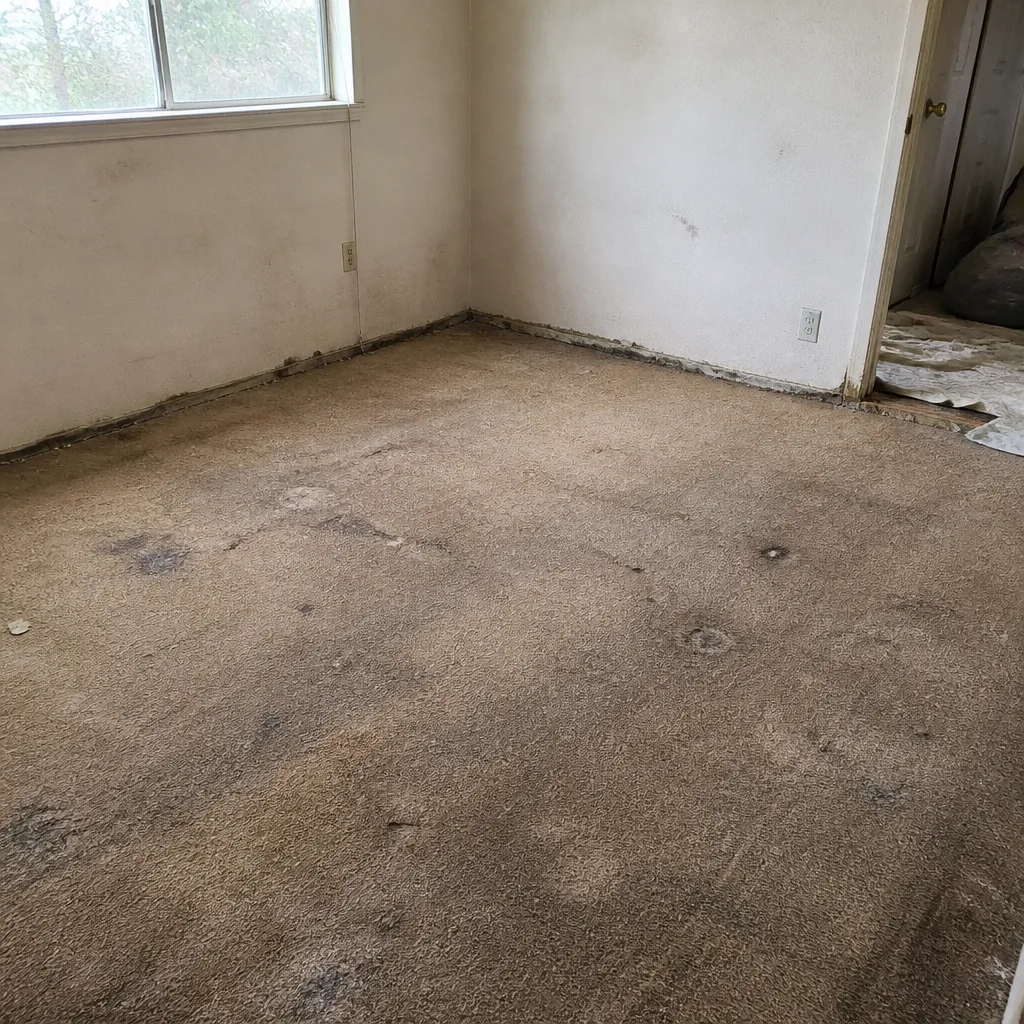 Before
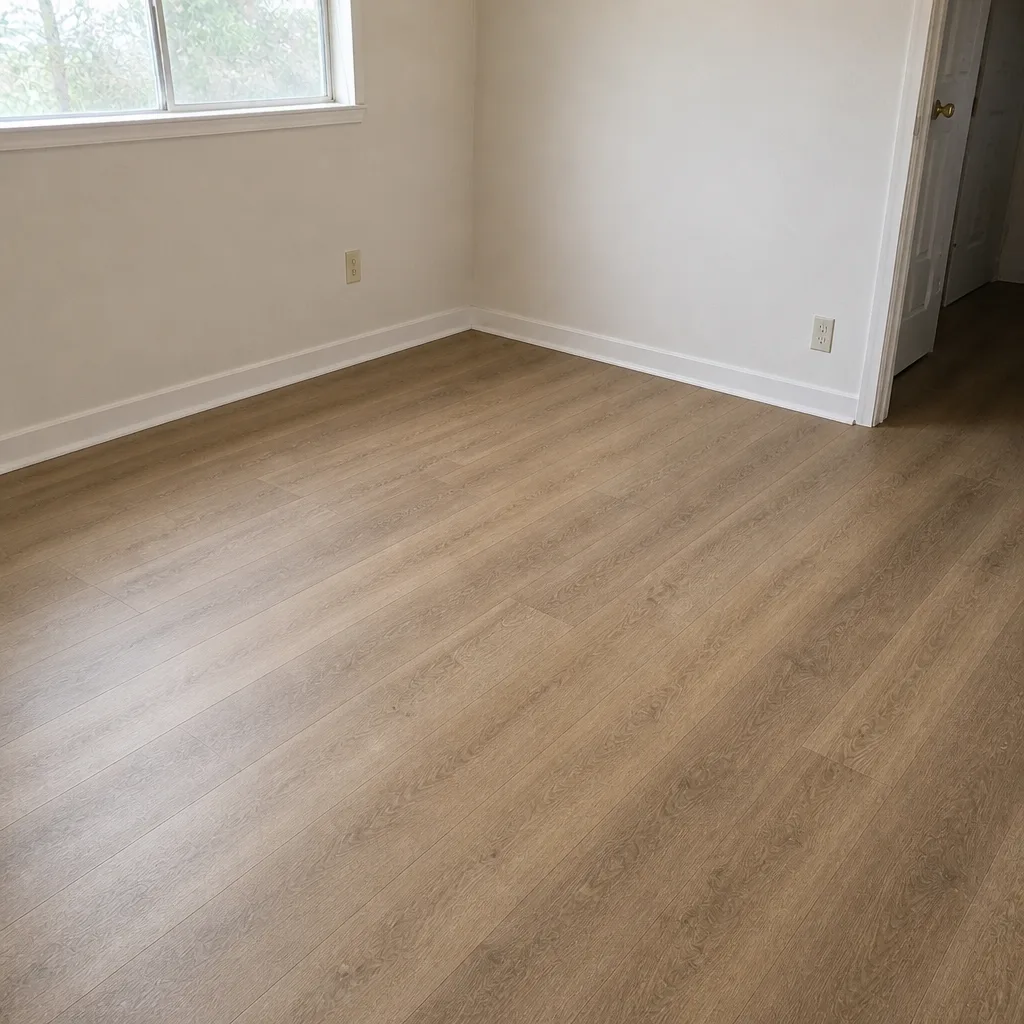 After
When to Call a Professional
Some flooring work looks manageable as a weekend project until it’s on a slab. The moment your plan involves a concrete floor, underlayment requirements, tile substrate preparation, or refinishing a wood floor, it’s worth getting a professional assessment before buying product. We see the same failure points repeatedly: tile popping loose because it was set on a slab that wasn’t prepared, plank floors that telegraph every high spot in the concrete, laminate that was laid tight to the wall and then buckled when the humidity moved. If you’re changing more than one type of floor, coordinating a whole-home plan responsibly is much easier with one specialist in the room than several. Floors North Las Vegas offers free estimates in North Las Vegas – call (888) 393-9180 to schedule one.
Frequently Asked Questions
Engineered hardwood or luxury vinyl plank for most dry living areas, and porcelain tile for kitchens, bathrooms and entryways. Solid hardwood is typically not a realistic choice over a slab. The best floor depends on the room, the sun exposure and the moisture it will see. Bring those details to the estimate and we’ll match the product to the conditions. Call (888) 393-9180 to schedule an exact quote – estimates are free.
It can, if the plank lacks a UV-rated wear layer. North Las Vegas sees intense afternoon sun, and west-facing rooms get the most of it. When you’re comparing LVP options, ask whether the wear layer is rated for sunlight and pay attention to the wear layer thickness, typically 12 mil or 20 mil in residential products. Call (888) 393-9180 for a quote on a product suited to your sunniest room – estimates are free.
Not in dry rooms, but it’s a risk in wet ones. Laminate cores are wood fiber and can swell when humidity spikes, especially in bathrooms, laundry rooms, or near doors and windows that get rain exposure in July or August. An AC-5 rating signals abrasion resistance, not water resistance. Keep laminate in bedrooms and hallways and use tile in the wet rooms. Call (888) 393-9180 to plan a room-by-room floor – the estimate is free.
Often, yes, but it depends on the thickness of the wood and its condition, which we check at the estimate visit. Solid hardwood usually has more refinishing room than an engineered plank with a thin veneer. A stain doesn’t always match a sample exactly; the species and the original tone determine how close it gets. Call (888) 393-9180 to schedule the assessment – estimates are free.
The install is a scheduled job set at the estimate, not a same-day service. The schedule depends on the surfaces, the square footage, and how the rooms connect, and the estimate visit is where we plan the sequence. Once the written estimate is agreed, an install day is booked. Call (888) 393-9180 to set up the measure and estimate – it’s free.
Yes. We come out, measure, check the slab and subfloor conditions, and give you a written estimate with no charge and no obligation. The estimate is also where we tell you what we don’t recommend, which is often as useful as the price. Call (888) 393-9180 to schedule yours. We answer 24/7. Fast dispatch from 7am to 7pm, Sunday through Friday.
The Bottom Line
In North Las Vegas, the floor decision is mostly a structure and climate decision before it’s a style decision. Solid hardwood is largely out on a slab; engineered hardwood is the real wood option that works. LVP is the versatile middle ground, but only if the wear layer and UV rating are right for the room. Laminate is the budget choice for dry rooms, not wet ones. Porcelain tile is the floor that matches this climate best, and the comfort objection is worth weighing over twelve months, not one. Decide your priority first, then match each room to it.
If you’re ready to turn that into a real plan, call Floors North Las Vegas at (888) 393-9180 for a free estimate. We answer 24/7. Fast dispatch from 7am to 7pm, Sunday through Friday. We install carpet, tile and hardwood, we refinish wood floors worth saving, and we work with the nine brands that cover every major flooring category, from LifeProof and Pergo to Mannington and Daltile. Our technicians have up to 11 years of experience, and the written estimate sets the final price. One specialist, every surface, one plan for the whole home.
Written by the team at Floors North Las Vegas.