
Last updated November 18, 2026
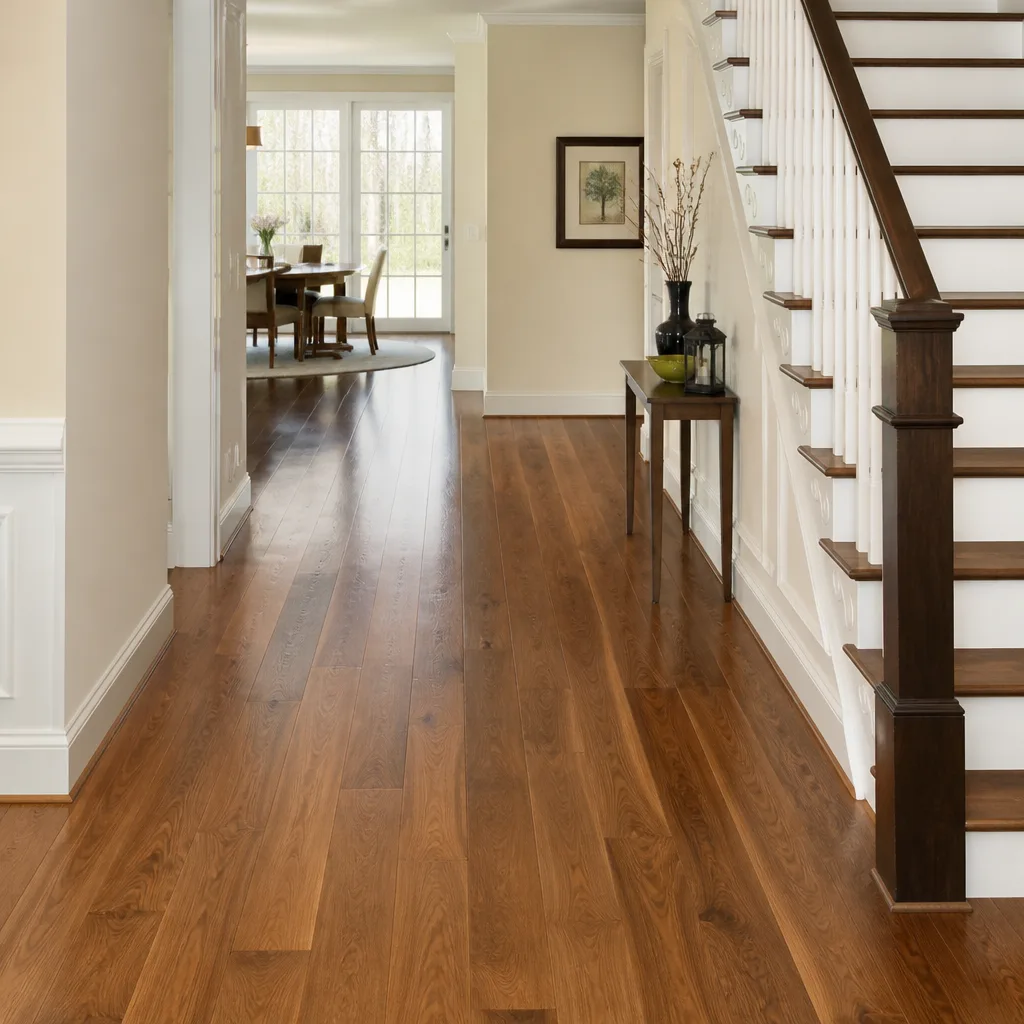 Hardwood
 Engineered hardwood
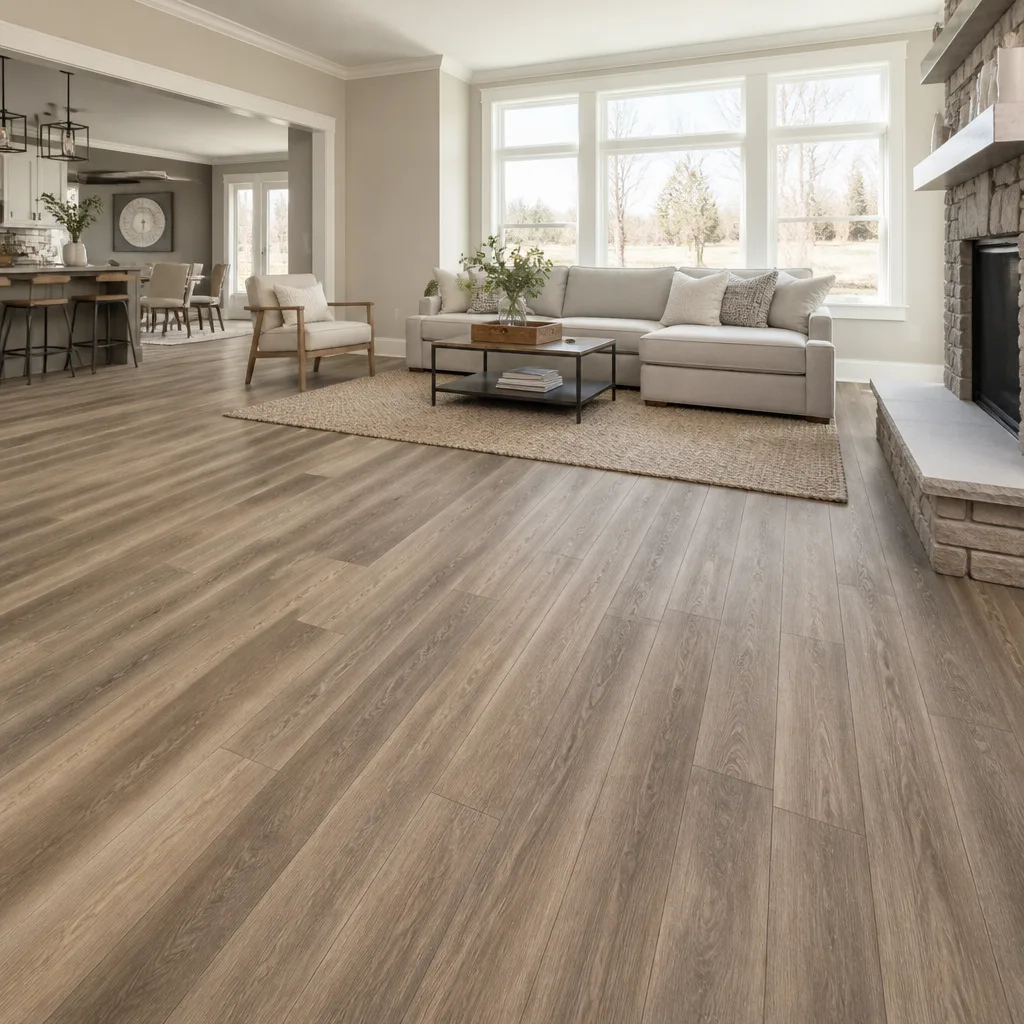 Luxury vinyl plank
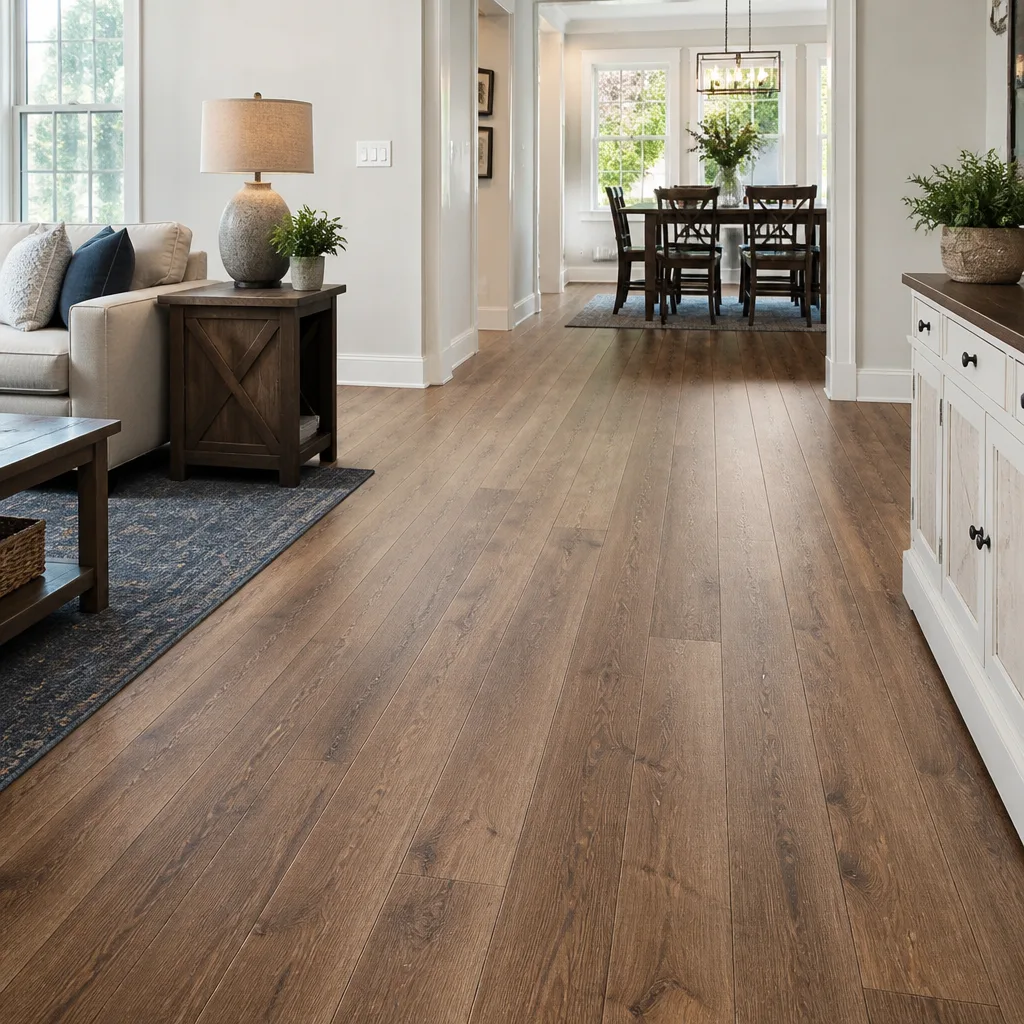 Laminate
 Porcelain tile
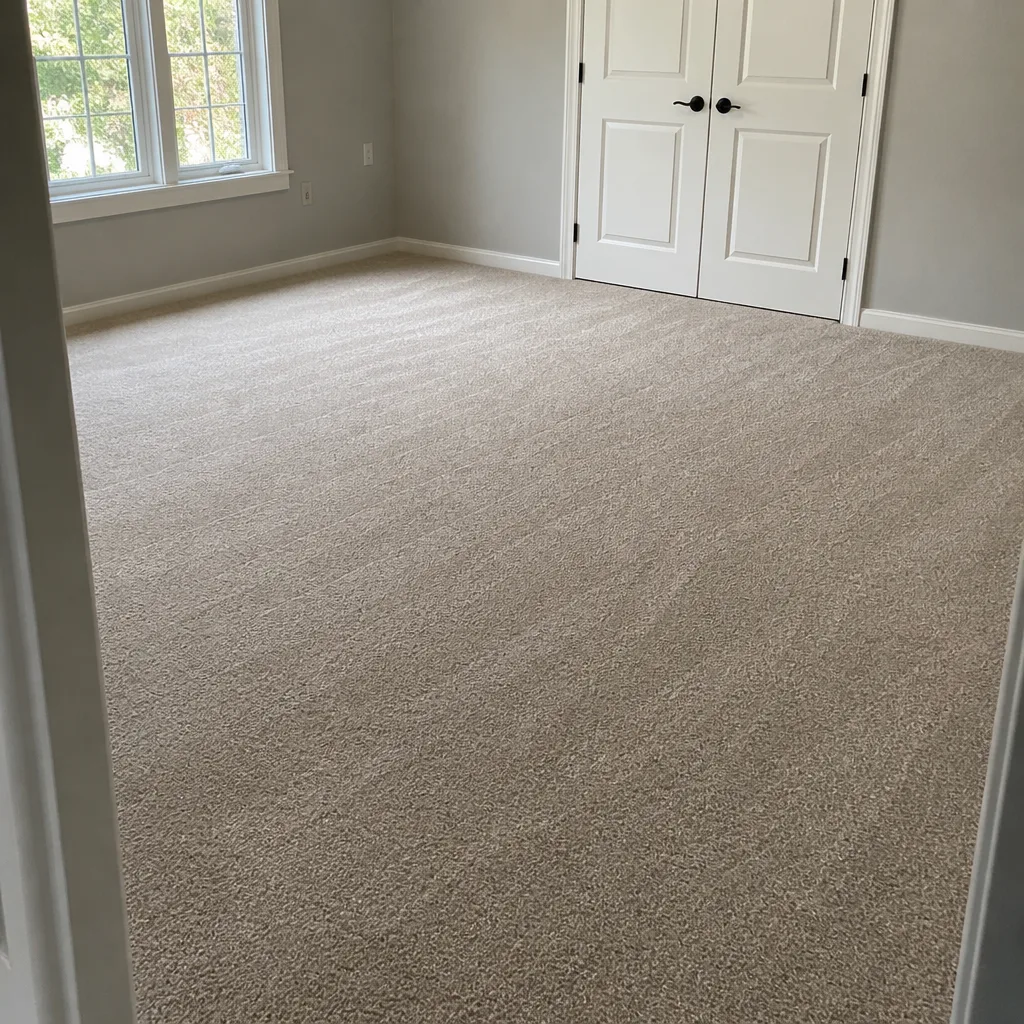 Carpet
 Shaw
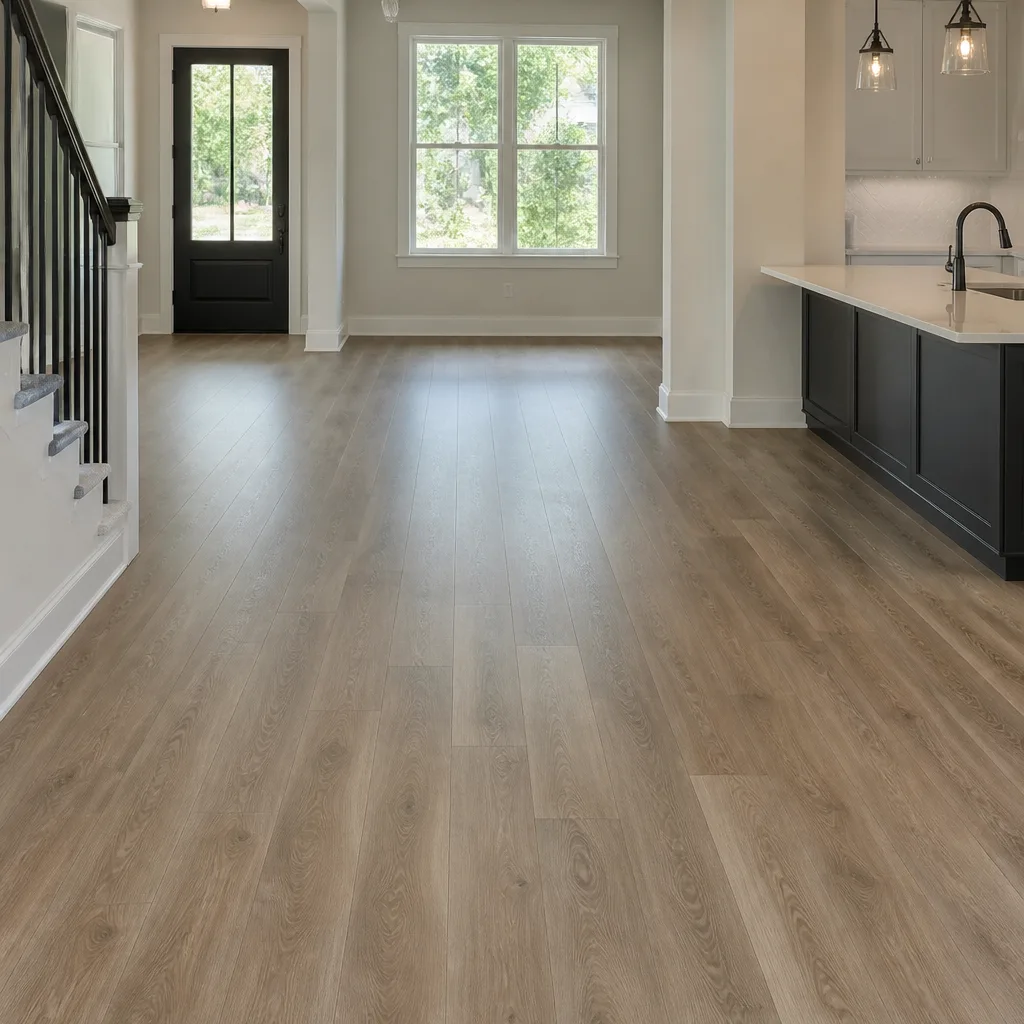 Mohawk
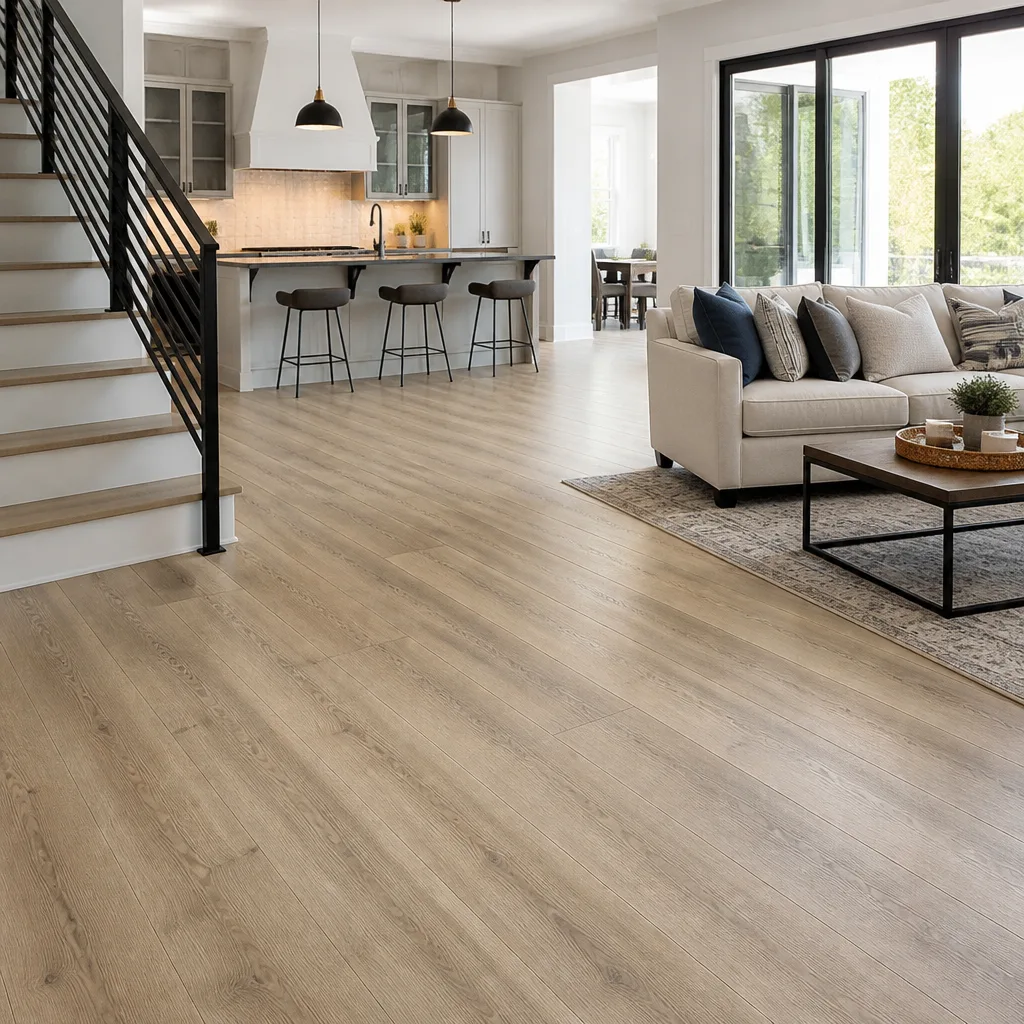 COREtec
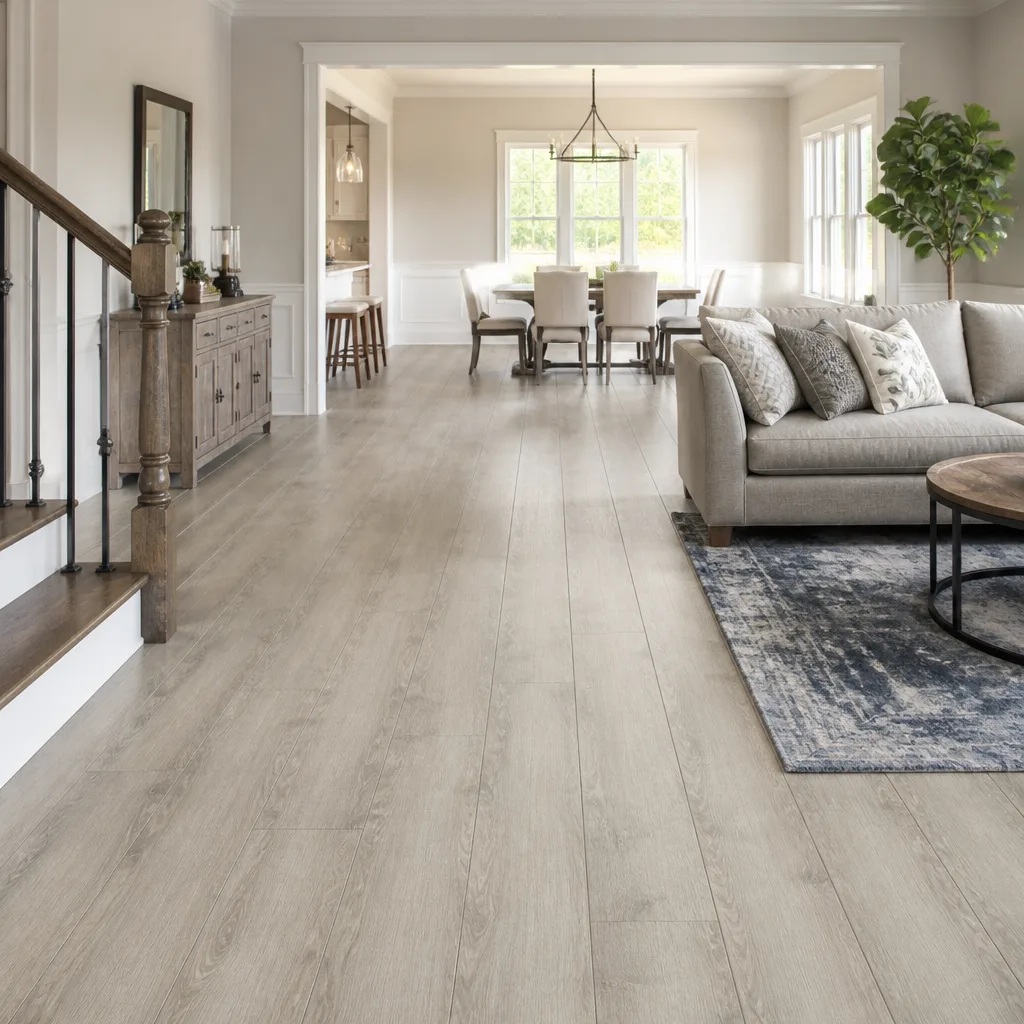 Pergo
Free in-home measure and written estimate: Shaw, Mohawk, COREtec and Pergo lines compared on your own rooms, with carpet, tile, vinyl plank, laminate and hardwood laid out side by side
Get your free estimateHow to Care for New Flooring: Hardwood, Vinyl, Laminate, Tile and Carpet
Most flooring care guides are written for a climate that doesn’t exist here. They assume soft water, moderate sun, and grit that rinses away. North Las Vegas gives you the opposite on all three counts: water hard enough to leave a film on everything it touches, caliche dust that acts like sandpaper under a shoe, and sun that bleaches a windowsill faster than almost anywhere in the country. The care routine that keeps a floor looking new here is not the one printed on the back of a cleaner bottle. This guide translates standard advice into what actually works in North Las Vegas, surface by surface, from the first month after install through years of use.
Quick Answer
Care for new flooring in North Las Vegas by matching the routine to the material and to the water: sweep or vacuum grit daily before it scratches, damp-mop tile and vinyl with a pH-neutral cleaner instead of a wet mop and tap water, protect hardwood and vinyl from UV with blinds, film, or rugs rotated on schedule, and vacuum carpet often in a dry climate where static and fiber crushing show up early. Every surface here needs grit control first and moisture control second.
Styles & brands we work with
- Hardwood
- Engineered hardwood
- Luxury vinyl plank
- Laminate
- Porcelain tile
- Carpet
- Shaw
- Mohawk
- COREtec
- Pergo
Table of Contents
- Quick Answer
- Why Hard Water Changes Everything Here
- Daily Grit Control for Every Surface
- Caring for Hardwood
- Caring for Vinyl Plank and Laminate
- Caring for Tile and Grout
- Caring for Carpet in a Dry Climate
- UV, Sun, and Fading
- A Simple Seasonal Routine
- Common Mistakes to Avoid
- When to Call a Professional
- Frequently Asked Questions
Why Hard Water Changes Everything Here
The Las Vegas Valley’s water runs hard, in the range of 250 to 300 parts per million of dissolved minerals. That’s roughly ten times what water utilities consider soft. Those minerals, mostly calcium and magnesium, are what you see as white spotting on a glass shower door and as a dull haze on a floor after mopping. They don’t rinse away with plain water. They dry onto the surface and bond to it a little more each time you mop.
This is the single biggest reason standard mopping makes a floor look worse over time. A wet mop pushes water around, then leaves it to evaporate. The water leaves, the minerals stay. After weeks of this, a tile floor that was glossy at install develops a cloudy film that looks like dirt but isn’t. On luxury vinyl plank, the same mineral film can dull the factory wear layer, which is the clear protective topcoat you paid for. The finish itself is fine; the film on top of it is the problem.
The fix is a pH-neutral floor cleaner, diluted per its label, applied with a damp mop rather than a soaking one. Damp means the floor is barely wet and dries within a minute or two. Neutral cleaners lift the mineral film without attacking the finish underneath. Acidic cleaners will etch grout and damage stone tile; harsh alkaline or bleach-based cleaners strip waxes and dull resilient flooring. If you’ve already got a haze, a neutral cleaner used once or twice at the label’s cleaning dilution will pull it back. In our experience across North Las Vegas homes, most of what homeowners describe as “the floor lost its shine” is mineral film, not a damaged surface.
One more local factor: if you have a water softener, tell whoever cleans the floor. Softened water can be used for mopping at a more generous dilution, but water from the hard side of the house (an unfiltered hose bib, for example) is the worst case for any damp-mop routine. Use water from inside the treated line, or mix the neutral cleaner with distilled water for small jobs. It sounds fussy; it saves you scrubbing mineral film out of grout lines later.
Daily Grit Control for Every Surface
North Las Vegas sits on desert soil, and a lot of it is caliche, a calcium carbonate hardpan that breaks into a fine, sharp grit. That grit is the enemy of every floor type in the house. It doesn’t dissolve; it grinds. Under a shoe, under a chair leg, under a pet’s nails, caliche dust acts like a fine abrasive that wears down the surface it’s dragged across. The single highest-value habit you can build in a new floor’s first year is keeping grit off it. It matters more than any cleaner you can buy.
Steps to build into your routine:
- Use two mats at every exterior door. A coarse scraper mat outside, a water-absorbing mat inside. Caliche grit is heavy and settles, so a textured scraper mat outside catches most of it before it comes in.
- Sweep or dust-mop high-traffic paths daily. The kitchen-to-living-room path, the front door threshold, the hallway between bedrooms. Two minutes with a microfiber dust mop is enough.
- Vacuum before you sweep on carpet edges and area rugs. A broom lifts grit into the air and drops some back. Vacuum hard-surface edges too; a good vacuum pulls grit out of the gap near baseboards where a mop can’t reach.
- Put a small mat at the base of the stairs and at the kitchen sink. Water splashes at the sink carry minerals too, and a mat catches them at the source.
- Take shoes off at the door, or at least at the transition between hard flooring and carpet. It’s the cheapest abrasion protection there is.
One caution about mats: standard rubber-backed mats trap grit against the floor underneath in a way that can scratch on a polished hardwood or a tile with a soft glaze. Shake them out weekly and lift them off the floor once a month. That small habit prevents the most common scratch pattern we see on North Las Vegas hardwood: a rectangle of fine surface scuffs where a mat has been sitting.
Caring for Hardwood
Hardwood is the surface most sensitive to local conditions, and a routine that keeps it looking new is mostly about moisture and grit. Wood moves with humidity. North Las Vegas is dry year-round, which is generally good for wood floors, but the gap between a dry summer and a humid monsoon spell is real. Two habits keep it stable: keep the indoor humidity roughly steady (a whole-home humidifier or even a well-placed room humidifier in the dry months), and never wet-mop.
Hardwood routine:
- Sweep or vacuum daily. Use a hard-floor attachment, not the beater bar. The beater bar on a vacuum can mark a smooth finish.
- Damp-mop only when needed, with a pH-neutral wood-safe cleaner and a mop that’s wrung nearly dry. If water beads on the surface, you’re too wet.
- Wipe spills immediately with a soft cloth. Standing water is the enemy of a wood floor, even on a finished surface.
- Use felt pads under every piece of furniture, and check them once a season. A worn-through felt pad on a chair leg leaves a scratch that’s much harder to fix than the pad is to replace.
- Avoid oil-based or wax cleaners unless the finish calls for them. Most modern hardwood is finished with a factory-applied polyurethane or a site-applied finish, and oiling it can cause uneven buildup. Match the cleaner to the finish; if you don’t know the finish, use a neutral damp-mop routine.
If your hardwood is showing scuffs, dull patches, or worn finish near traffic areas, there’s an option besides replacement. Hardwood refinishing restores the surface of the wood rather than covering it with a new floor. Whether a floor can be refinished depends on how thick the wood is and what condition it’s in, both of which are checked at the estimate visit. That’s a restoration service many flooring installers don’t offer, and it’s the difference between a repair and a full replacement. For a floor that’s structurally sound but cosmetically tired, it’s worth knowing before you tear anything out.
A quick note on finish care: on a site-finished hardwood, a quality finish (polyurethane, water-based or oil-modified, as specified at install) can take moderate foot traffic after a few days, but full cure can take a couple of weeks. Read the finish instructions and follow them; they set the timeline, not us.
Caring for Vinyl Plank and Laminate
Luxury vinyl plank and laminate are the most forgiving surfaces in a home, which makes them the most common choice for kitchens, baths, laundry rooms, and homes with pets. But forgiving doesn’t mean indestructible, and the local care issues are different from hardwood. Vinyl and laminate want the same grit control as hardwood, plus careful attention to what kind of cleaning product touches them.
Routine for vinyl plank and laminate:
- Sweep or dust-mop daily in high-traffic areas. Grit is harder on a laminate’s clear wear layer than on hardwood.
- Use a neutral, floor-safe cleaner made for vinyl or laminate. Avoid cleaners with wax, polish, bleach, or citrus solvents. Wax and polish can build up and cloud the finish, and citrus solvents can degrade the surface over time.
- Damp-mop with the mop squeezed dry. Never flood a vinyl or laminate floor. Water isn’t the friend of a finished floor edge even on a water-resistant plank; standing water and moisture from below still have to be dealt with on any surface.
- Lift furniture rather than sliding it. A soft-rubber furniture pad under a leg helps, but the bigger move is to pick it up.
- Wipe wet spills on laminate quickly. Laminate’s wear layer is tough, but the core beneath it doesn’t appreciate standing water, especially near seams.
On material choice: if you’re still choosing a vinyl plank, the waterproof-core lines (COREtec and LifeProof among them) are built for moisture-prone rooms in a way a standard plank isn’t. They’re a good match for North Las Vegas kitchens, bathrooms, and homes where a pet has accidents. Laminate’s role is more targeted: it goes on top of its own underlayment and behaves more like wood underfoot, which suits a living room or a hallway. The cleaner for either is the same, and neither surface wants an aggressive mop. If you’re unsure which you have, lift a floor register or look at the edge of a plank under a baseboard cut; a vinyl plank bends, a laminate layer is stiffer.
One local fact that catches people out: hard-water spotting on a dark vinyl plank is more visible than on a light one. A neutral cleaner at the right dilution is the answer, and a quick wipe after a kitchen spill does more than any specialty product. For a full surface swap in a problem room, our tile flooring installation work is a good alternative to vinyl in bathrooms where water exposure is the norm.
Caring for Tile and Grout
Tile itself is nearly maintenance-free. The grout between tiles is where the local work happens, and hard water is the reason. Grout is porous. In a hard-water region, the minerals in the water dry into the grout surface and slowly fill the pores. Over months, the grout goes from its original color to a milky, uneven grey. That’s mineral haze, not staining, and it’s the most common complaint we hear about tile floors in North Las Vegas.
What keeps tile and grout looking new:
- Sweep or vacuum the tile daily. Fine grit on tile acts like sanding paper on the grout lines.
- Damp-mop with a neutral tile cleaner. Skip the wet mop and the vinegar. Acidic cleaners etch grout and natural stone, and vinegar is acidic.
- Dry the floor after mopping with a microfiber cloth on a dry mop. This is the single move most people skip, and it’s the one that removes the mineral film instead of letting it dry onto the surface.
- Refresh grout protection on a schedule. A penetrating grout sealer, applied per the product’s label, protects the grout from moisture and mineral buildup. How often it needs reapplication depends on the sealer and traffic; the label sets the schedule.
- Clean grout with a soft brush, not an abrasive pad. A stiff brush plus a neutral cleaner is enough for routine maintenance. A scraper or steel wool will scratch tile glaze.
What looks like staining but isn’t: a haze across the tile that reappears after every mop is usually mineral film. It’s a cleaning problem, not a grout problem. A penetrating sealer and a neutral cleaner routine fix it. A dark, stubborn line or patch that doesn’t lift with routine cleaning is a real stain, and that’s a grout cleaning task, not routine care. Cosmetic resurfacing or re-grouting is an option when grout has cracked or come loose from the tile edge, but that’s a repair, not a cleaning fix. A professional flooring specialist can look at a grout line and tell you which you’re dealing with. Daltile porcelain is a common choice in North Las Vegas homes because the tile itself handles the climate well; the grout still needs the routine above.
One note on natural stone tile: if you have travertine or marble, use a stone-safe neutral cleaner and follow the installer’s instructions for sealing. Stone is more sensitive to acid than ceramic or porcelain, and hard water leaves a more visible haze on polished stone.
Caring for Carpet in a Dry Climate
Carpet in North Las Vegas lives in low-humidity air most of the year, and that changes the maintenance picture. In humid climates, carpet fibers soak up moisture and feel soft but can develop smells and mold. Here, the opposite: fibers dry out and build static, and the dry air means the pad and backing don’t absorb the same way. Static and fiber crushing are the two issues you’ll notice first. Both have simple routines.
Carpet maintenance routine:
- Vacuum the high-traffic paths at least twice a week. The path from the front door to the kitchen, the stairs, the bedroom doorway. Grit under a shoe grinds fiber faster than anything else.
- Vacuum the whole room weekly, with slow overlapping passes. A fast pass leaves grit at the base of the pile where it does the most damage.
- Blot, don’t rub, on spills. Press a clean white cloth into the spill and hold. Rubbing pushes the stain into the fiber. A neutral carpet spot cleaner, applied per its label, handles the rest.
- Rotate furniture and area rugs seasonally. Furniture dents in the same place each year; rotating gives the pile a chance to recover. Moving a rug slightly changes the wear footprint and evens the sun exposure.
- Manage static in the dry months. A humidifier in the room, or using a carpet-safe anti-static spray per its label, handles most of it. If static is severe in one room, check that the carpet isn’t on a synthetic pad known for static; that’s an install question, not a cleaning one.
On fiber crushing: heavy furniture, foot traffic, and even the sun can flatten the pile in a path. The fix is partly maintenance (regular vacuuming lifts the pile) and partly layout (furniture rotated, an area rug moved). On a new carpet, the first month is when the pile is most resilient. Keep the vacuum up and it stays that way longer. When a professional cleaning is due depends on traffic, pets, and the carpet’s fiber; the manufacturer’s care sheet sets the interval, and a carpet installation specialist will know the fiber and its care needs. Shaw and Mohawk both publish care guidance by product line, and it’s worth keeping the sheet that comes with the carpet.
UV, Sun, and Fading
Southern Nevada gets intense sun most of the year, and UV light fades flooring the way it fades upholstery. Some surfaces fade faster than others. Natural fibers, including bamboo, cork, and some wood species, are more prone to UV fading than others. Among luxury vinyl, some darker and more saturated colorways fade faster than lighter ones; the product’s own documentation will tell you what to expect. Tile and porcelain are generally the most UV-stable surfaces in a home. Carpet fiber varies; solution-dyed fibers (common in many Shaw and Mohawk product lines) are generally made to hold color under sun better than surface-dyed fibers.
What actually works:
- Window film on south- and west-facing glass. A UV-blocking film cuts the sun’s effect on the floor without darkening the room as much as heavy curtains would. It’s the highest-value single step in a room with a big window onto a wood or vinyl floor.
- Blinds or shades for the hours of strongest sun. A light-filtering shade that stays closed during the peak hours protects the floor and the furniture.
- Rotate rugs on a schedule. An area rug protects the floor underneath, but the edges of the rug can leave a sun-exposed border that fades differently. Rotating the rug changes which strip gets the sun. This is the protective-plus-fade problem: a rug protects the center and leaves a halo where the floor fades around it.
- Reapply protective finish as directed. On a wood floor, following the finish’s reapplication guidance helps the surface handle UV as well as traffic.
If a room is already showing visible fading lines near a window, the fix is a full refinish on hardwood (which resets the surface), or replacement on a faded vinyl plank or carpet. Neither is a same-day job; the estimate visit sets what’s needed and what’s available. A Karndean or Armstrong plank, which is a design-led product, will often fade more evenly than a cheaper one; if you’re choosing a floor for a sunny room, mention it to whoever quotes the job.
A Simple Seasonal Routine
A care routine doesn’t have to be complicated. Here’s a short list we recommend to North Las Vegas homeowners, and it holds up across every floor type:
- Daily: sweep or dust-mop the traffic paths. Wipe kitchen and bath spills as they happen.
- Weekly: vacuum carpet, dust-mop hard flooring, shake out mats.
- Monthly: lift area rugs and mats for a quick clean underneath; check felt pads on furniture legs; damp-mop with a neutral cleaner and dry-mop to finish.
- Seasonally: rotate rugs and furniture; clean window tracks and blinds; check the grout in bathrooms and kitchens for signs of haze or wear.
- As the product label directs: reseal grout, reapply finish on hardwood, and schedule professional carpet cleaning at the interval set by the carpet’s care guidance.
This routine fits any home, whether you’re starting fresh after Floors North Las Vegas installed a new floor or you’ve had the same floor for a while and want to extend its life. It’s written for the conditions in North Las Vegas, and it works with the products you already have.
Common Mistakes to Avoid
- Wet-mopping with plain tap water. This is the number one mistake here, and it leaves a mineral film that builds up. Use a neutral cleaner and a damp mop.
- Using vinegar or citrus cleaners on tile and stone. Both are acidic and etch grout and natural stone. Neutral is the answer.
- Fast, single-pass vacuuming on carpet. Slow passes lift the grit; fast passes leave it at the base of the pile. If you can’t slow down, vacuum more often.
- Leaving a standard rubber-backed mat flat on hardwood or tile. Grit trapped under a mat scratches the floor. Shake mats out weekly and lift them monthly.
- Skipping window film in a sunny room. Fading happens even with a comfortable temperature. Film on glass protects the floor under it.
- Letting a spill sit on laminate or vinyl. A water-resistant surface still doesn’t want standing water at the seams. Wipe it up when it happens.
- Assuming all “new flooring” needs the same cleaner. A hardwood, a vinyl plank, a tile, and a carpet all want different care. Match the cleaner to the floor, not to the room.
When to Call a Professional
Most of what’s in this guide is routine. A few situations are worth a call. If hardwood shows thinning finish, deep scratches, or a dull patch that won’t lift with cleaning, a refinishing assessment tells you whether the wood can be restored. If grout has cracked, come loose from the tile edge, or stains won’t lift with cleaning, a professional can tell you whether it’s a cleaning fix or a grout repair. If a vinyl plank or laminate has lifted, curled at a seam, or shows a soft spot, that’s an install or product question, not a cleaning one. If a tile has cracked, a flooring specialist should see the cause, because a cracked tile sometimes points to movement in the subfloor, and the fix is not just replacing the tile. If your carpet shows a crushed pile that vacuuming won’t lift, or a stain that’s set, a professional cleaning or replacement assessment is the next step.
Floors North Las Vegas offers free estimates in North Las Vegas for any of these. Our technicians have up to 11 years of experience, and we’ve seen all of these issues up close. We work with nine industry-leading brands across carpet, tile, and hardwood/resilient surfaces, and we provide hardwood refinishing as a restoration option rather than a full replacement. Call (888) 393-9180. We answer 24/7. Fast dispatch from 7am to 7pm, Sunday through Friday. Estimates are free, and the written estimate sets the final price.
Frequently Asked Questions
Use a pH-neutral floor cleaner and a damp mop, then dry the surface with a microfiber dry mop. Tap water here contains 250 to 300 ppm of minerals, and those minerals are what hazes a floor after a standard mop. Neutral cleaner lifts the film without damaging the finish, and drying removes it before it bonds. Call (888) 393-9180 for a free estimate if you suspect your floor needs refinishing rather than cleaning.
Yes, a penetrating grout sealer is worth using, and how often it needs reapplication depends on the sealer and the traffic. Grout is porous and hard water fills the pores; a sealer slows that down. The product label sets the reapplication schedule, and a professional can tell you whether haze on your grout is a cleaning issue or a stain. Call (888) 393-9180 for a free estimate on a grout refresh.
Window film on sun-facing glass, blinds during the strongest hours, and rotating area rugs on a schedule slow the fading. UV is intense in North Las Vegas and fades some surfaces faster than others; natural fibers and saturated vinyl colorways are more prone. A UV-blocking film is the most direct protection. If a floor is already faded, call (888) 393-9180 for a free estimate on refinishing or replacement.
Yes, with a damp mop and a neutral cleaner, and never with a soaking one. These surfaces are water-resistant, not waterproof, and standing water at the seams and edges still does damage over time. Wipe up spills quickly and mop sparingly. Call (888) 393-9180 for a free estimate if a plank has cupped or lifted.
The interval depends on the carpet’s fiber, the traffic, and pets; the manufacturer’s care guidance sets the schedule. Vacuum high-traffic paths at least twice a week and the whole room weekly in North Las Vegas, and blot spills rather than rubbing. Static and fiber crushing are the local issues to watch. For carpet installation or replacement, call (888) 393-9180 for a free estimate.
Often yes, but it depends on the wood’s thickness and condition, which are checked at the estimate visit. Hardwood refinishing restores the surface and avoids a full tear-out. Not every floor can be refinished, and a stain won’t always match a sample. Call (888) 393-9180 for a free estimate and a professional assessment.
The Bottom Line
Care for a new floor in North Las Vegas by putting grit control first and moisture control second. Sweep or vacuum daily, use a pH-neutral cleaner with a damp mop and a dry-mop finish, seal your grout, protect wood and vinyl from UV, and vacuum carpet more often than you think in the dry air. The materials differ from each other more than most care guides admit, and the local water and sun differ from the average the labels are written for. Nine brands, one specialist: if you’re choosing a floor or thinking about a change, Floors North Las Vegas handles carpet, tile, and hardwood/resilient surfaces with a single specialist, and Daltile, Karndean, Armstrong, and Shaw are part of the roster. Call (888) 393-9180 for a free estimate.
If you live elsewhere in the area and want to know which surfaces suit your home, our local guide to North Las Vegas has the details the care labels won’t cover.
Written by the team at Floors North Las Vegas.
See the difference
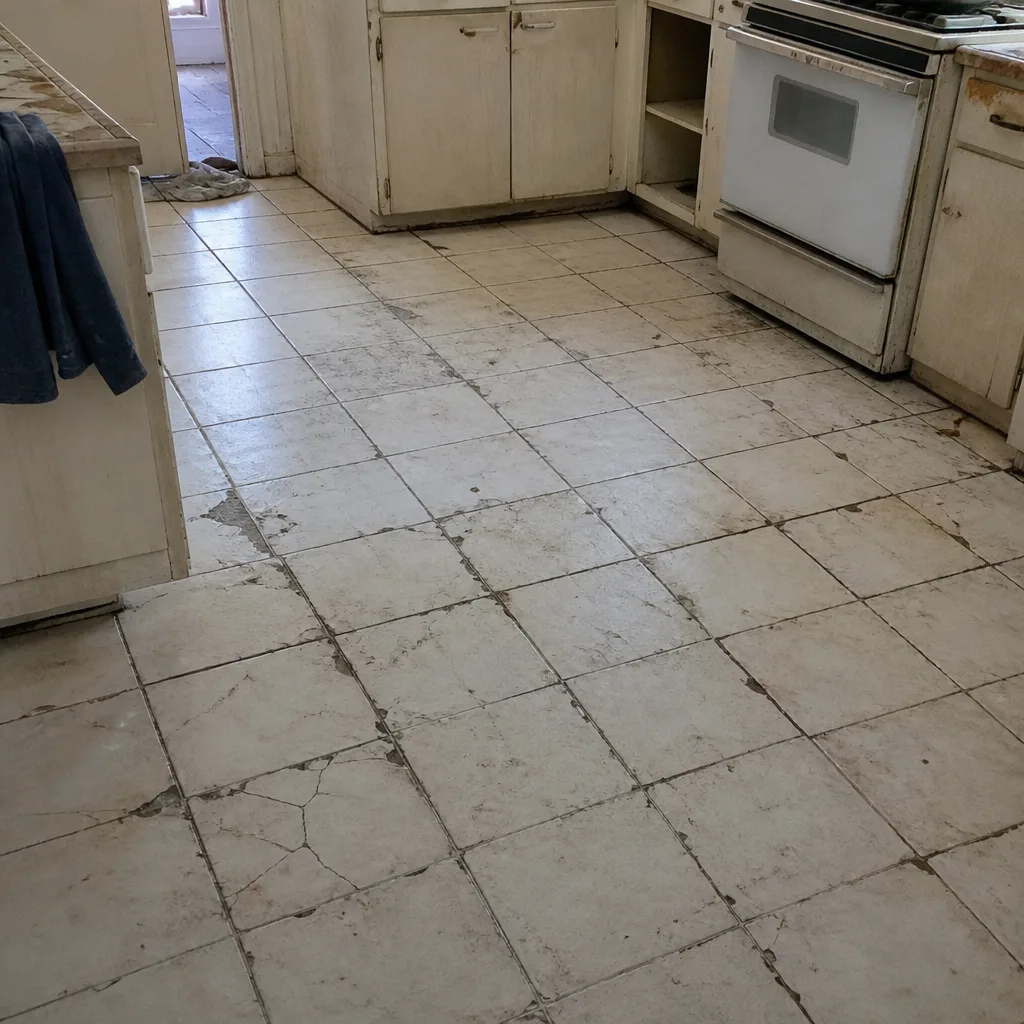 Before
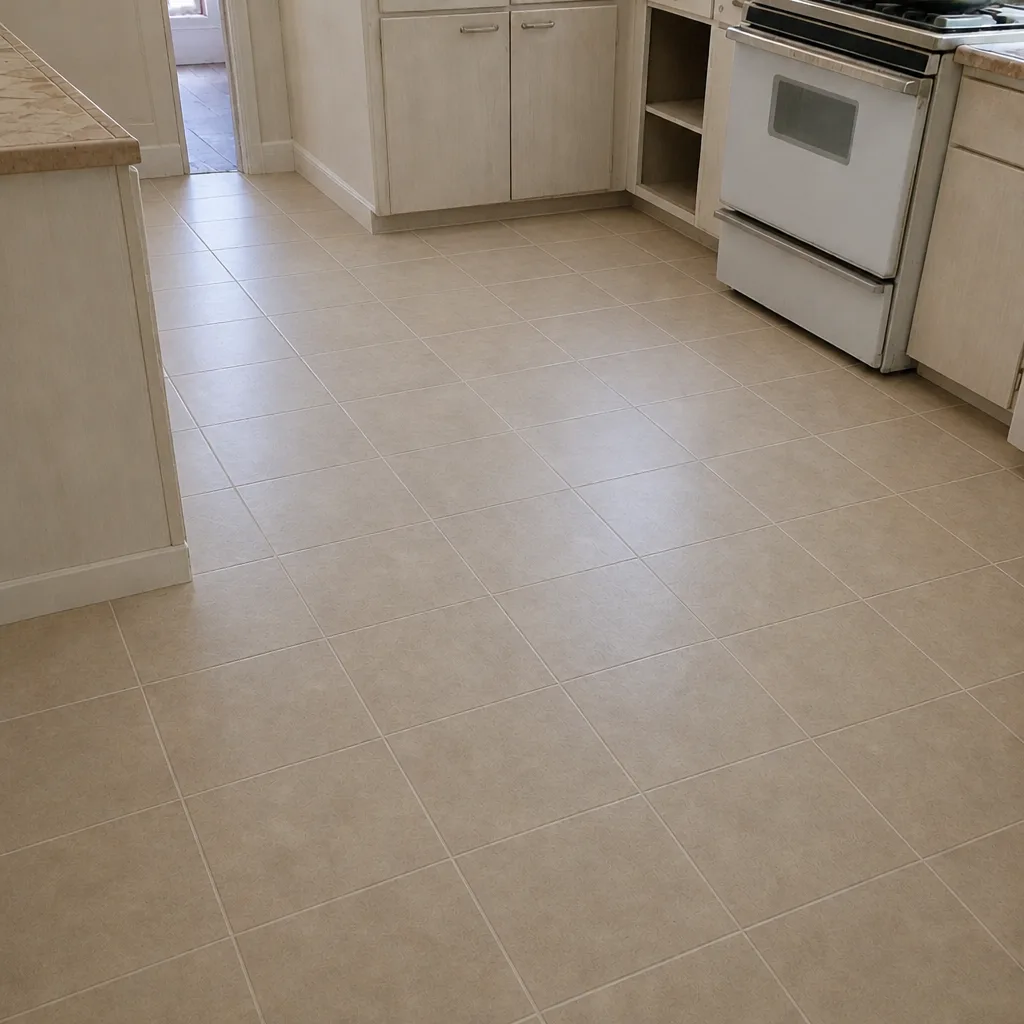 After
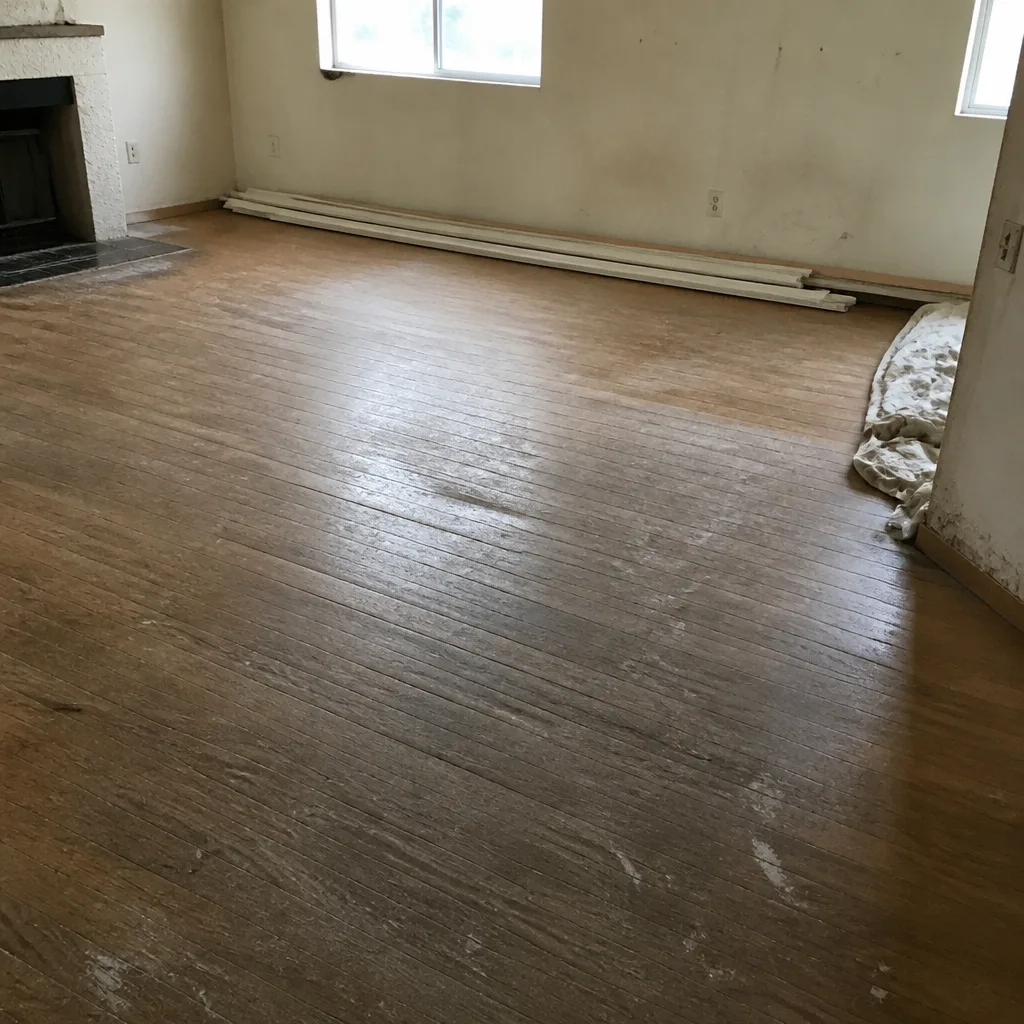 Before
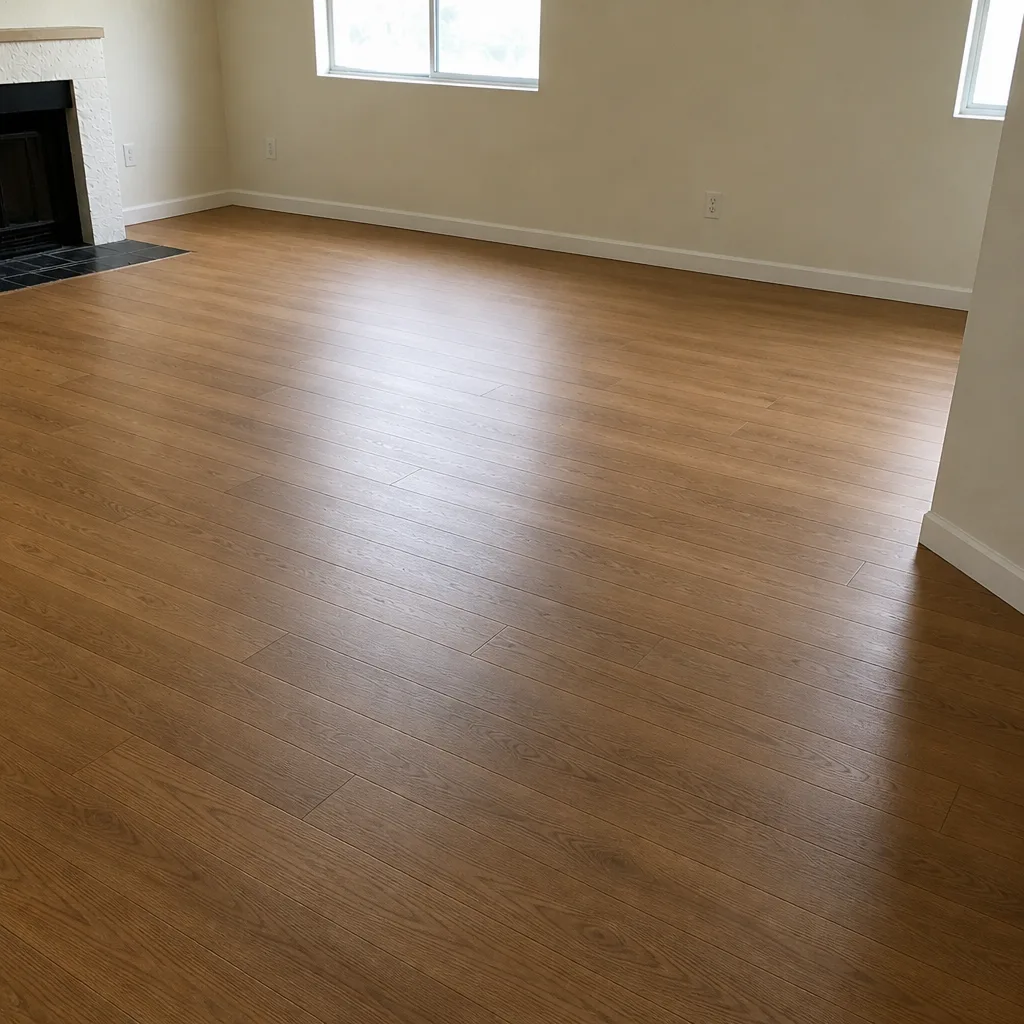 After
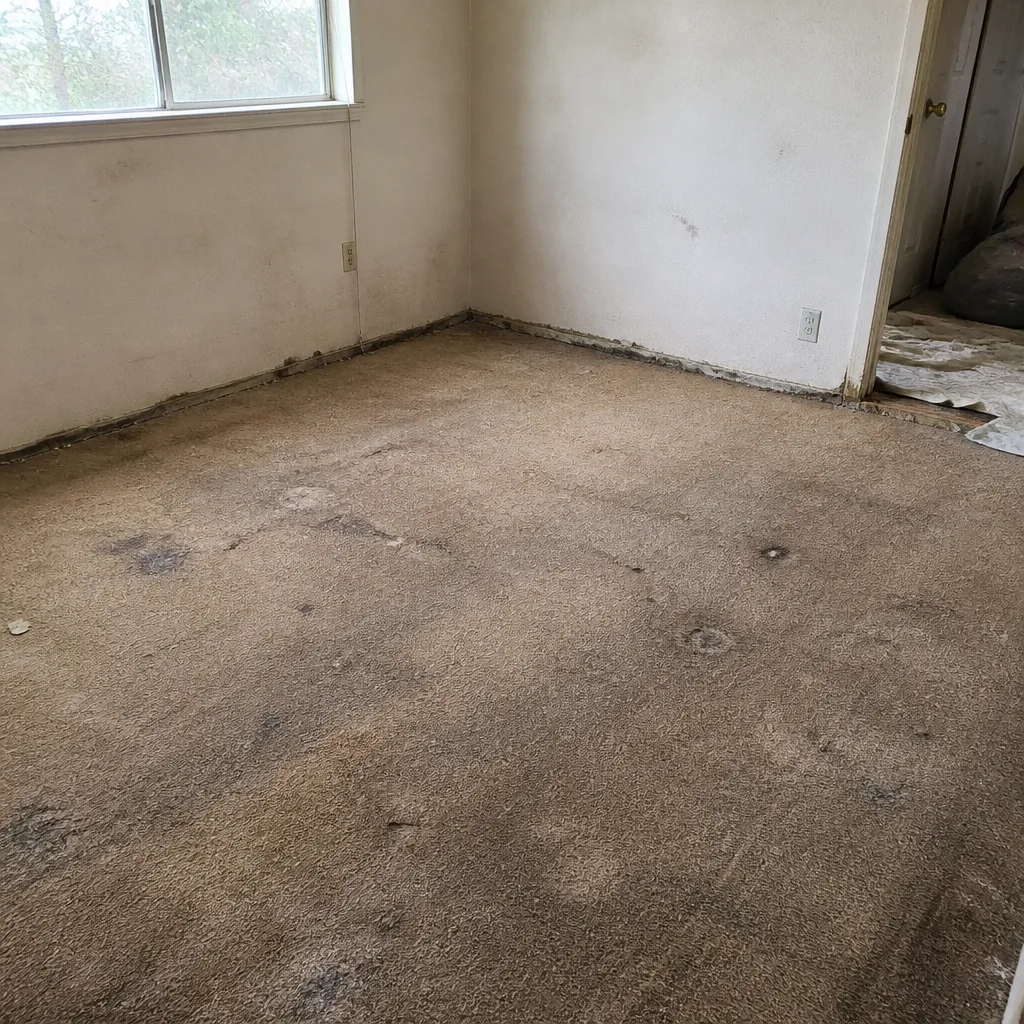 Before
 After