
Last updated November 18, 2026
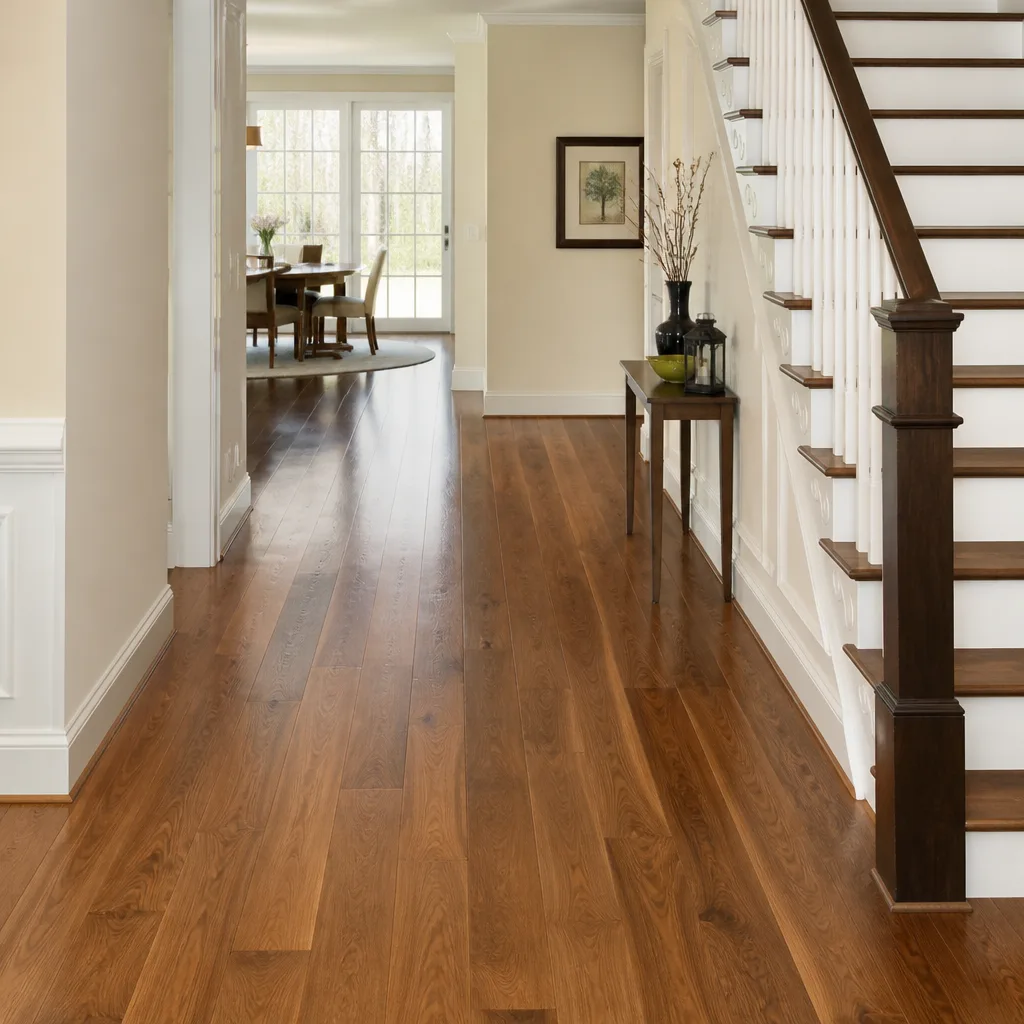 Hardwood
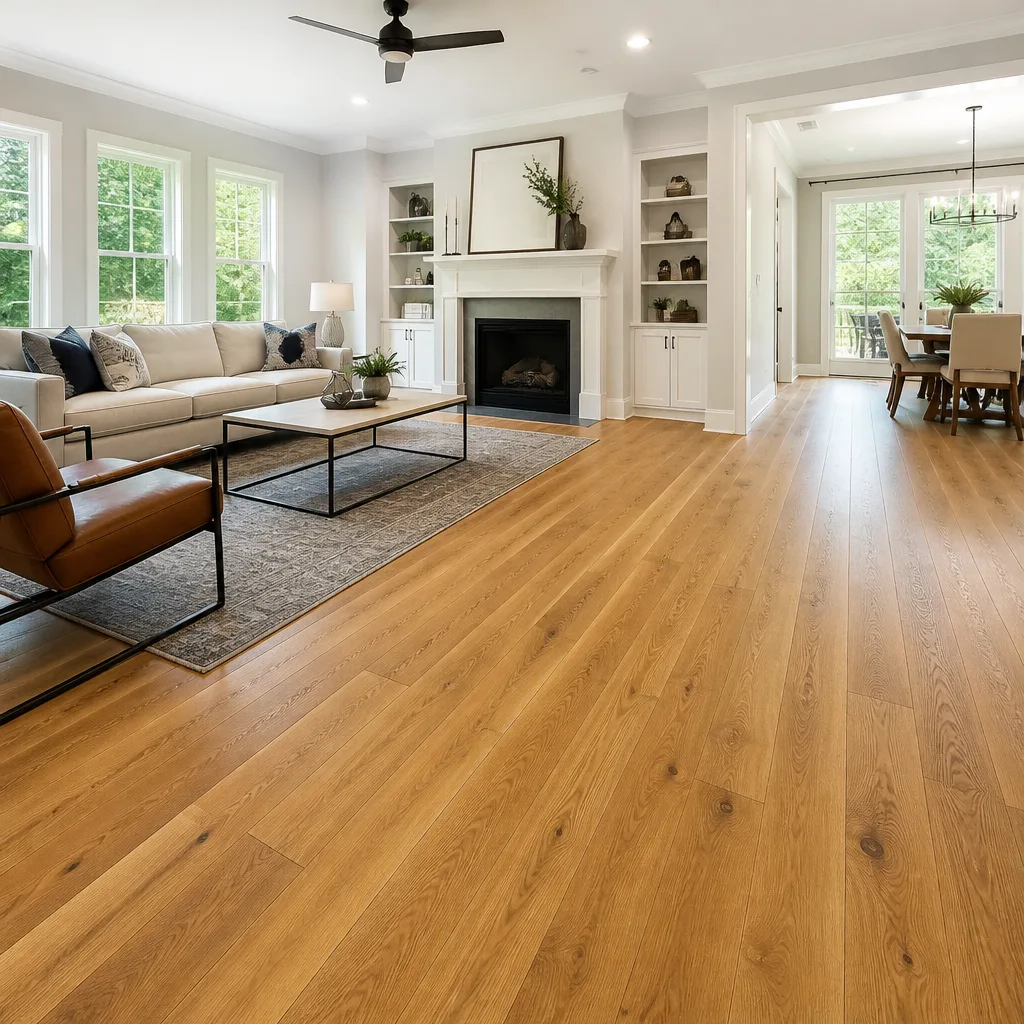 Engineered hardwood
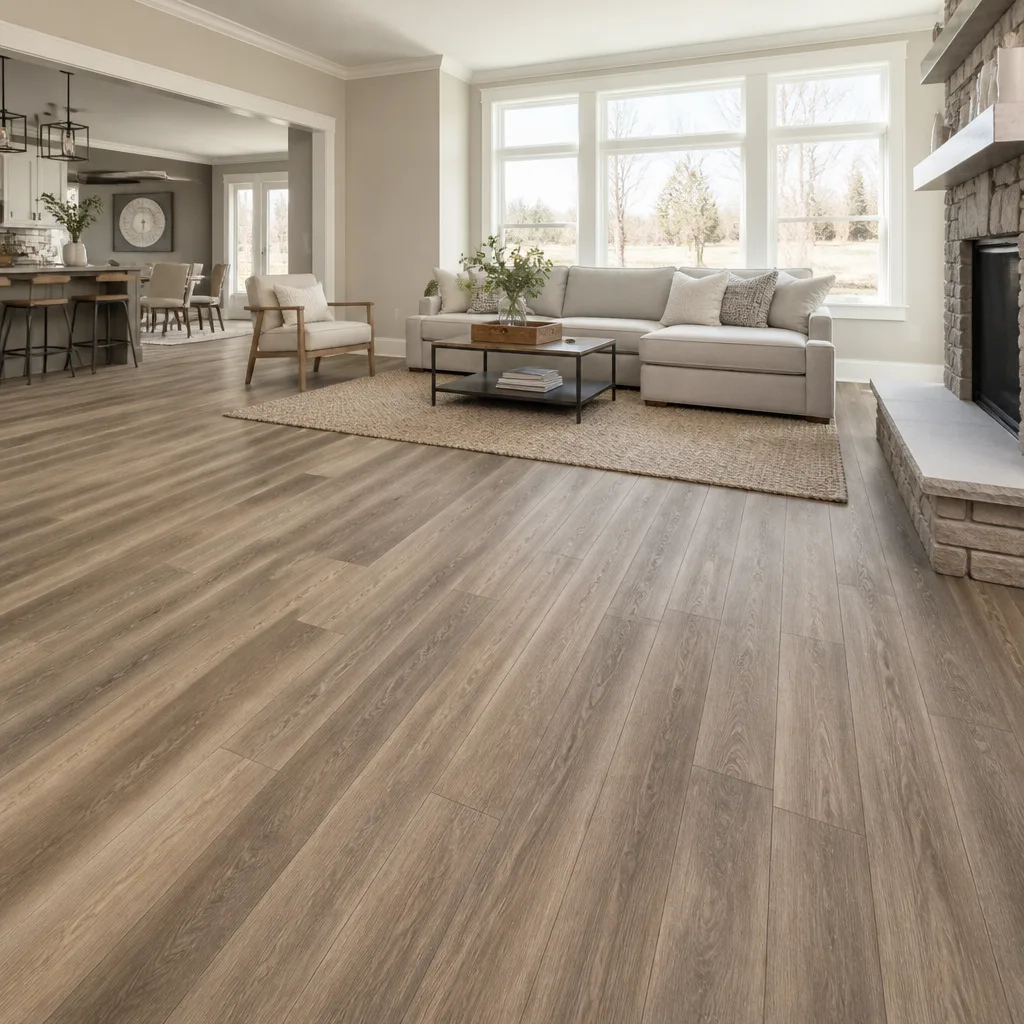 Luxury vinyl plank
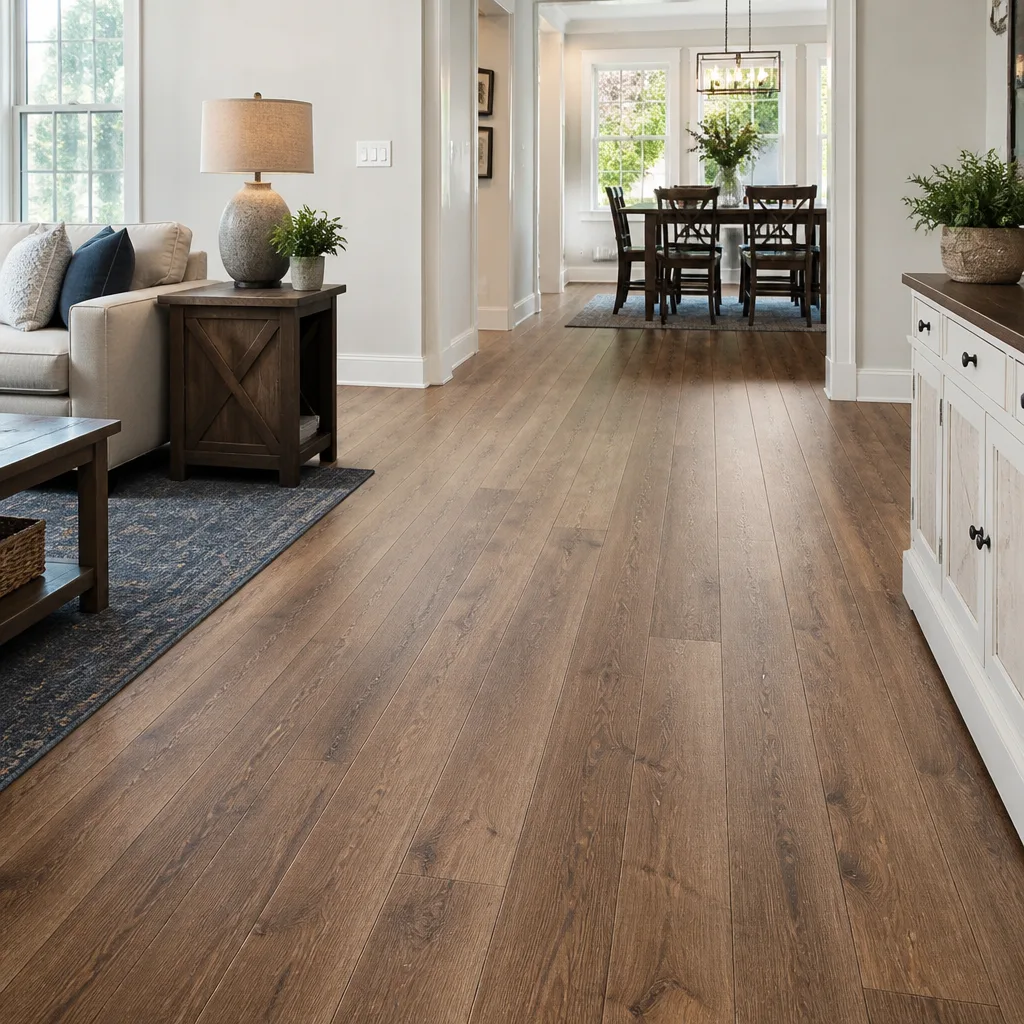 Laminate
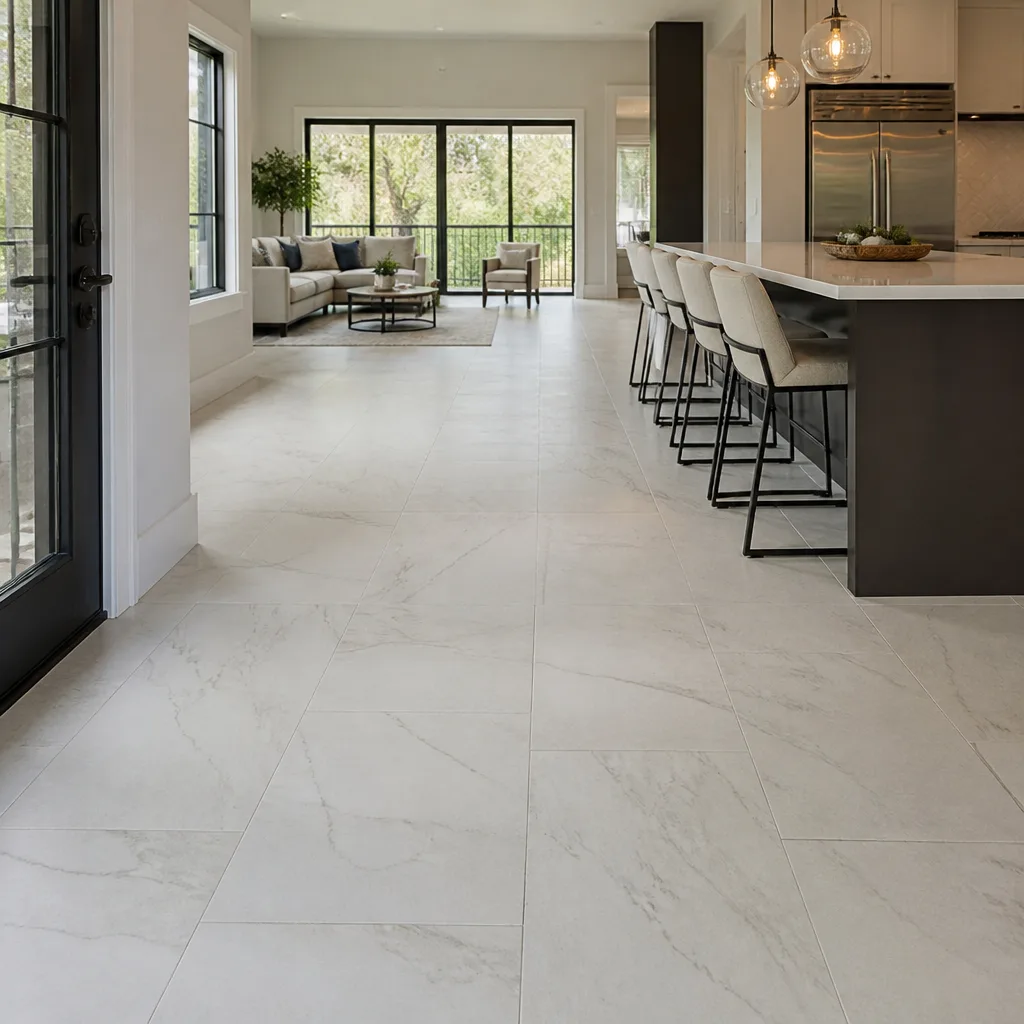 Porcelain tile
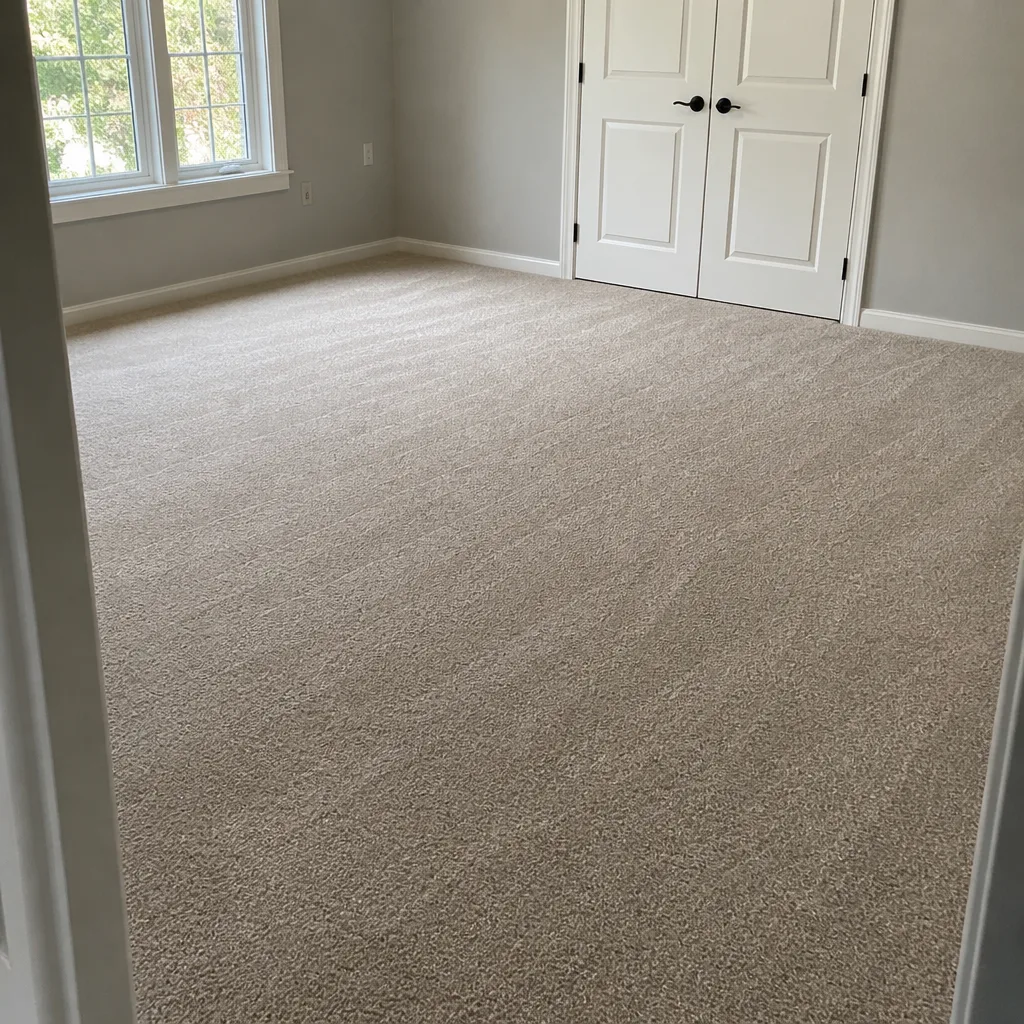 Carpet
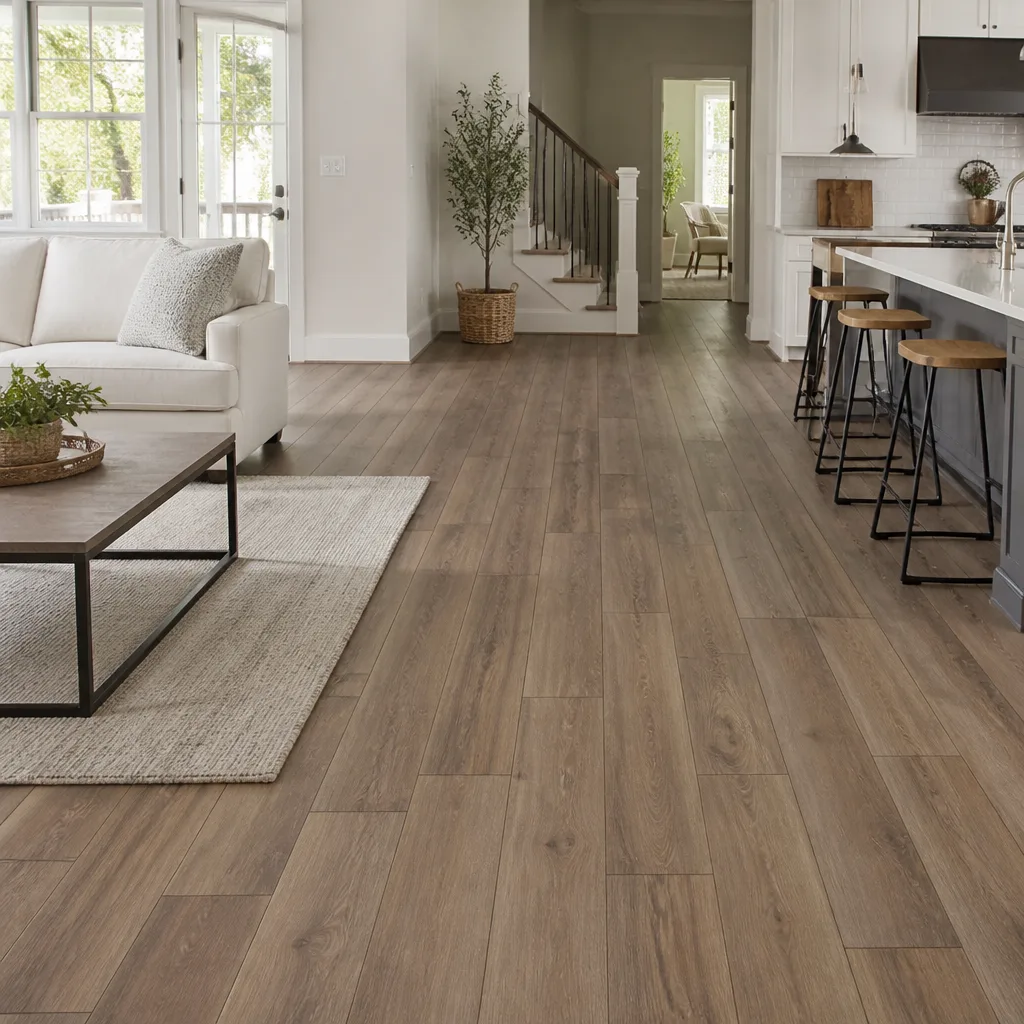 Shaw
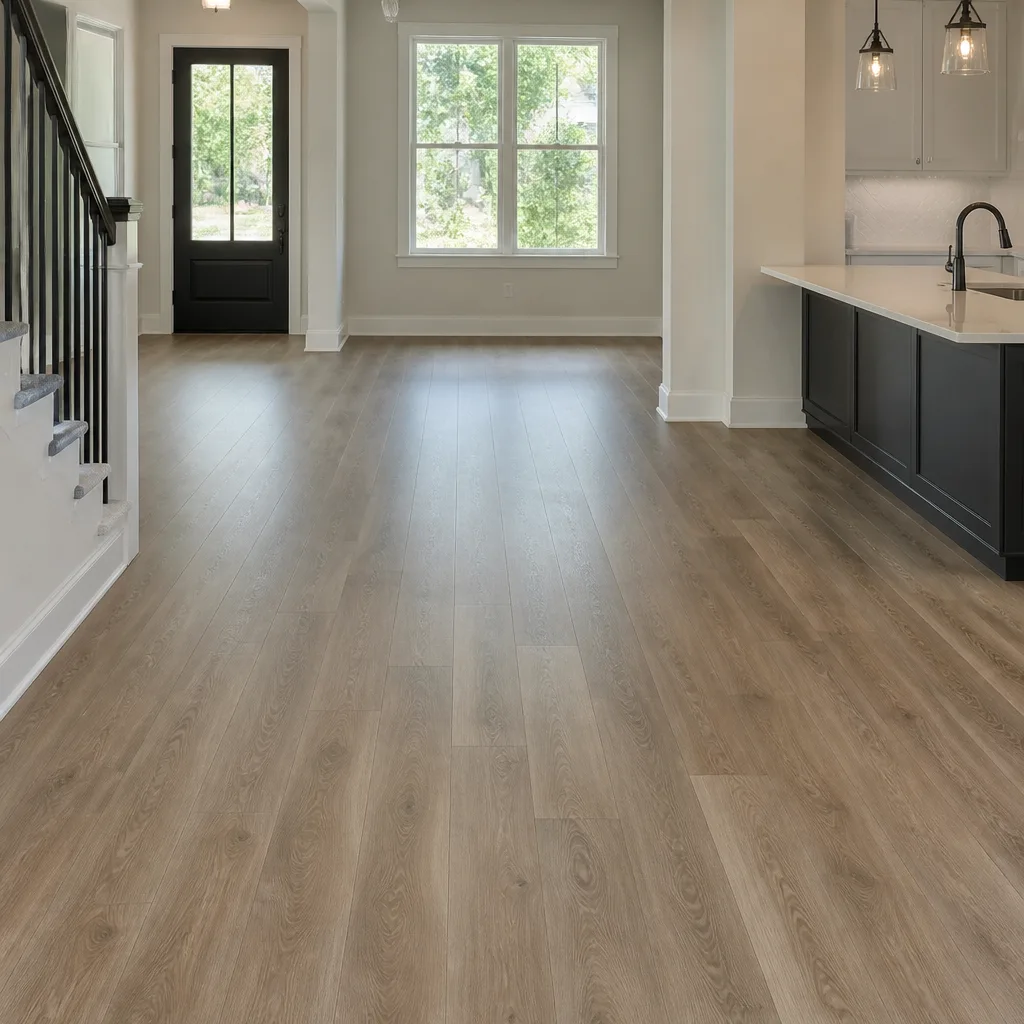 Mohawk
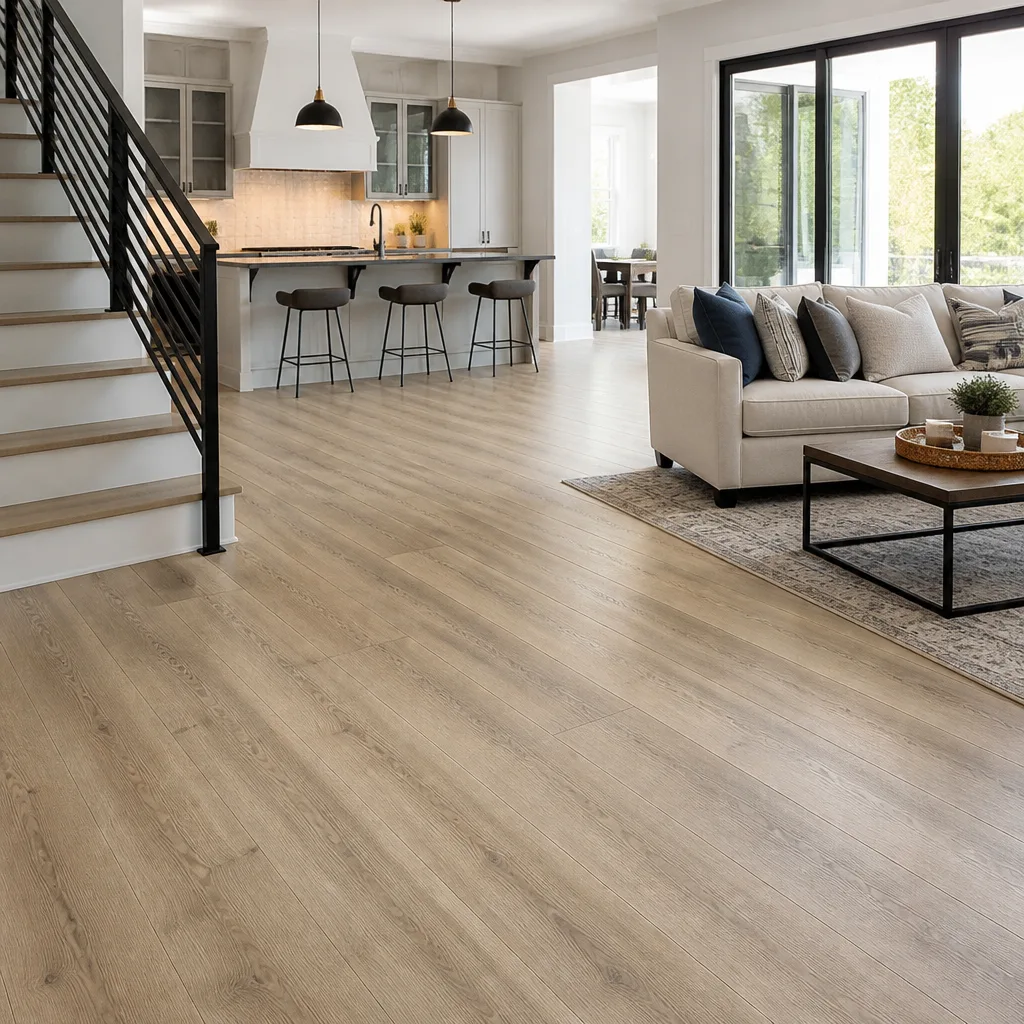 COREtec
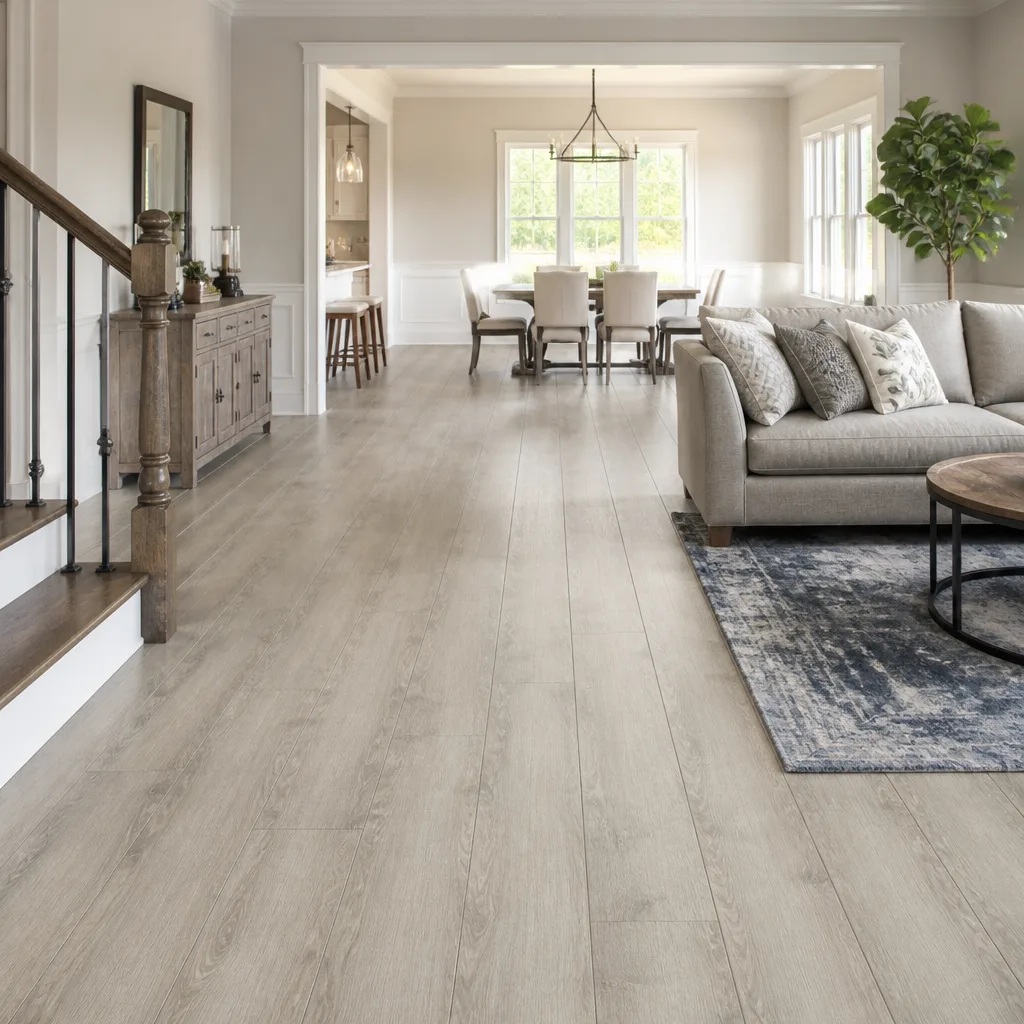 Pergo
Free in-home measure and written estimate: Shaw, Mohawk, COREtec and Pergo lines compared on your own rooms, with carpet, tile, vinyl plank, laminate and hardwood laid out side by side
Get your free estimateHow North Las Vegas’s Climate Can Affect Your Flooring Choice
Most flooring advice is written for a climate that doesn’t exist here. North Las Vegas gets less than five inches of rain a year, which sounds like the easiest environment a floor could ask for. But rain totals tell you almost nothing about what a floor actually lives through. It’s the daily humidity swing, the summer afternoons near 10% and the winter mornings above 50%, that puts real stress on wood, vinyl, tile and carpet alike. In this guide we’ll walk through that swing, explain which materials handle it and which don’t, and cover the installation details, especially on concrete slabs, where the difference between a floor that lasts and one that fails gets decided.
Quick Answer
The best flooring for the North Las Vegas climate is porcelain or rectified tile in kitchens, baths and sun-exposed rooms, engineered hardwood where you want real wood, and luxury vinyl plank with a waterproof core in moisture-prone areas, provided it’s installed over a proper moisture barrier. The heat itself isn’t the problem. It’s the seasonal and daily humidity cycling that expands and contracts floors, and the concrete slab underneath most North Las Vegas homes that feeds ground moisture upward year-round. Installation details matter more here than the material choice itself.
Styles & brands we work with
- Hardwood
- Engineered hardwood
- Luxury vinyl plank
- Laminate
- Porcelain tile
- Carpet
- Shaw
- Mohawk
- COREtec
- Pergo
Table of Contents
- Why humidity cycling beats ambient heat
- What actually fails in North Las Vegas conditions
- The slab-on-grade reality in most North Las Vegas homes
- Why acclimation takes longer here than the manual says
- Material-by-material verdict for North Las Vegas
- Glue-down vs. float: which install method holds up
- Room-by-room climate strategy
Why Humidity Cycling Beats Ambient Heat
A 115°F afternoon in North Las Vegas is hard on people, but flooring handles dry heat well. Dry air pulls a small amount of moisture out of wood and lets it stabilize. The material isn’t the same from one season to the next, though, because humidity moves far more than the thermometer does. Winter mornings push relative humidity past 50%, and summer afternoons drop it toward 10%. Every time a wood floor absorbs that moisture it swells. Every time the air dries out again it shrinks. A single season is harmless. A decade of it is not.
That’s the core point that separates a North Las Vegas flooring decision from a national buying guide. The guides assume a climate with modest humidity variation. Here the swing is wide enough that floor edges cup, plank joints separate, and seams open along the longest dimension of a room. The heat quickly becomes a secondary factor. The cycling is what actually moves the material.
Three things drive the swing inside a home:
- Summer air conditioning dries interior air aggressively during the hottest months.
- Winter evaporative cooling and a cool interior push humidity in the opposite direction.
- West-facing room exposure adds a second cycle, warming floors and walls in an afternoon and cooling them every night.
What makes this actionable is that you can control most of it. We’ll come back to moisture control when we talk about slabs, acclimation and installation. The point to carry forward is that a floor’s worst enemy in North Las Vegas is not the heat. It’s the swing.
What Actually Fails in North Las Vegas Conditions
After enough installations across the valley, the same failure patterns show up again and again. Understanding these three will help you avoid the mistakes.
Floating LVP over an unprotected slab
Luxury vinyl plank is a strong choice for this climate, but it can’t manage standing moisture from beneath. When a floating LVP floor is laid directly on an unsealed concrete slab with no moisture barrier, ground moisture can wick upward and cause bubbling, cupping and plank separation. The fix is straightforward: a proper moisture barrier and slab sealing before installation. Get that right and LVP performs very well through the North Las Vegas seasons. Skip it and the floor fails within a season or two.
Solid hardwood in poorly insulated rooms
Solid hardwood moves a lot with humidity. In a room with weak insulation and west-facing glass, you get the full temperature and moisture swing twice, once through the exterior envelope and once through the room itself. That’s a hostile environment for a material that will permanently deform over time. Engineered hardwood and a qualified install in the right conditions are the safer route for exposed rooms.
Carpet in sun-blasted west-facing rooms
Carpet itself is comfortable and forgiving, but long-term direct sun exposure on a west-facing room degrades carpet construction and fades dyes. If you want carpet in a room like that, we discuss UV exposure and steps to reduce sun exposure as part of the layout. North Las Vegas sun hours add up. If the room holds heat all afternoon, that affects comfort long before the carpet needs replacing.
None of these problems are specific to any one brand. Every manufacturer has good product. The same material performs differently depending on the install underneath it. Our Floors North Las Vegas team talks through these failure types at the estimate so you can see what your room is likely to do across a full year, not just a single afternoon.
The Slab-on-Grade Reality in Most North Las Vegas Homes
The biggest underappreciated fact about flooring in the valley is that most homes sit on a concrete slab. Slabs stay cool, and that coolness draws moisture from the soil beneath and condenses it near the surface. The slab is not a dry, passive floor. It’s a moisture reservoir that acts slowly, and the flooring you lay on top of it either tolerates that movement or fails.
A few practical rules follow from that:
- Test the slab before installation. Moisture measurement and a proper moisture barrier are not optional steps here.
- Use a vapor barrier where the product requires it. Wood, LVP and carpet all benefit. Tile behaves differently because it doesn’t swell.
- Don’t assume “dry to the touch” means dry. A slab can pass a hand test and still hold enough moisture to delaminate a glue-down floor over time.
- Consider the whole room, not just the floor. Slab moisture, wall moisture and interior humidity work together.
Glue-down installations need special attention here. Adhesive performance depends on slab moisture, so we specify the correct adhesive and surface preparation. A float installation has more room to move and handles the slab differently, which is part of why the installation method decision matters as much as the material choice. If you’re replacing flooring across one room or several, this is the piece people miss because it’s invisible until something starts to lift. Our tile flooring installation service handles slab preparation as part of the job, and it’s the first thing we look at on any estimate.
Why Acclimation Takes Longer Here Than the Manual Says
Every product manual includes an acclimation period. Those numbers assume normal interior conditions, and North Las Vegas is not normal interior conditions during most of the year. A wood floor delivered in July is coming from a warehouse and getting dropped into dry, cool indoor air. A floor delivered in January is coming from mild outdoor temperatures into a warm house. Each scenario needs more time than the standard guidance suggests, and the correct approach depends on the season.
Here’s how we think about acclimation and what happens when installers skip it:
- Check the indoor environment first. Temperature and humidity at the time of installation set the schedule, not a fixed calendar day.
- Unpack and stage materials in the room. Wood and resilient products need to settle to room conditions before installation.
- Match the interior moisture environment to the most likely seasonal state. If the installation happens in the transition between dry and humid, plan for both sides of the swing.
- Keep the interior conditions stable after installation. Sudden changes during the first weeks of a floor settling in cause more damage than a slow, gradual shift.
Skip that staging and you’ll see problems within a single season. Plank gaps open, seams lift, and wood edges cup. The installer usually gets blamed for a problem that’s completely environmental. This is also where carpet installation is different from wood. Carpet isn’t going to swell, but the room’s dry season can still affect backing and seams, so the indoor conditions during install still matter.
We mention acclimation as a serious installation step at every estimate because it’s the easiest step to rush and one of the most expensive to fix. If you’re doing a whole-home floor replacement, that timing compounds, which is why our North Las Vegas service approach plans installations around it.
Material-by-Material Verdict for North Las Vegas Climate
Here’s how the four main flooring categories stack up given what we’ve covered. None of these is universally correct. Each comes with a climate caveat specific to the valley.
Tile: The most climate-forgiving option
Porcelain and rectified tile are the closest thing to a climate-proof floor for this region. Tile doesn’t swell with humidity, splinters when it dries, or change shape with the seasons. In kitchens, bathrooms and south- or west-facing rooms, tile is usually the right answer. The one climate caveat: tile over a slab needs proper substrate preparation, because slab movement can crack grout or loosen tile if the base isn’t right. Daltile gives you a solid range of colors and finishes without any of the moisture concerns wood presents.
Engineered hardwood: Real wood feel, better stability
Engineered hardwood carries a real wood face over a plywood or composite core. The construction resists the seasonal movement far better than solid hardwood, which makes it a solid option for a climate with this much humidity cycling. The caveat: engineered hardwood in a poorly insulated room with direct sun still faces stress. Mannington and Armstrong both offer engineered constructions, and we’ll specify plank dimensions and installation methods around your room’s exposure. Hardwood refinishing is available if an existing floor is sound and the wood layer is thick enough, so you don’t always have to start over.
Luxury vinyl plank: Excellent if installed correctly
LVP handles interior humidity swings well, and waterproof-core products make sense for kitchens, baths and pet households. LifeProof is one of the waterproof-core categories we work with, and it fits right into the climate strategy in the right rooms. The caveat: LVP’s performance on a slab depends entirely on moisture management beneath it. Floating plank over a bare slab is the exact installation where it fails. Get the barrier right and LVP performs beautifully across all seasons here.
Carpet: Comfort with some sun care
Carpet is comfortable, quiet and easy on a household, and it works well in bedrooms and living areas that aren’t receiving direct afternoon sun. The climate caveat: a west-facing room that bakes for hours in the afternoon will wear carpet differently over the long term. Shaw and Mohawk both give you material options that perform well through the normal interior climate when install and maintenance are handled with the room’s sun exposure in mind.
Glue-Down vs. Float: Which Install Method Holds Up
The installation method decision matters as much as the material. On a slab in North Las Vegas, the choice between glue-down and float comes down to what each method does with the moisture and movement of the concrete underneath.
- Glue-down. The adhesive bonds the floor to the slab. It needs a verified moisture condition, correct adhesive and proper slab prep. Done right, glue-down is stable and quiet. Done wrong on a moist slab, it’s the worst failure mode in the whole category.
- Float. The floor sits on an underlayment and moves as a single piece. It’s more forgiving of slab moisture if a barrier is used and can be the safer choice for certain products and rooms.
Neither method is universally better. Which one fits depends on the product, the room and the slab’s moisture state. What matters is that the method is chosen deliberately as part of the job, not assumed from what the installer prefers to do. A good flooring decision for a North Las Vegas home starts with the slab and works upward.
Room-by-Room Climate Strategy
One flooring strategy for a whole house often doesn’t work in this climate. Different rooms in a North Las Vegas home operate in very different microclimates, so it helps to plan by room:
- Kitchen and bathrooms. Tile is the clear winner. Water resistance and no seasonal movement concern. If you prefer LVP, a waterproof-core product with a properly sealed slab is the way to go.
- Living and family rooms. Engineered hardwood and LVP both work. If there’s heavy afternoon sun on the room’s west side, discuss UV exposure and window coverings before choosing.
- Bedrooms. Carpet is comfortable and forgiving. For rooms with direct sun, consider moderate window coverings during peak hours.
- Hallways and transitional spaces. These have the highest traffic and get the same climate. Tile and hard-surface wood or LVP are usually better choices than carpet.
- Sunroom or enclosed patio. These rooms swing across the widest range. Tile is usually the safest choice.
One of the advantages of working with a flooring specialist that covers all major categories is that you can plan the whole house in a single conversation. From carpet to tile to hardwood, one specialist handles the whole floor strategy across the climate zones of a single home. If you’re comparing carpet installation, tile or hardwood refinishing in Floors North Las Vegas, our team will build the plan room by room so you don’t end up with a material that fails in your worst-exposure room.
Common Mistakes to Avoid
- Skipping the slab moisture barrier. On a North Las Vegas home, floating LVP or engineered wood over a bare concrete slab without a barrier is the single most common failure. Ask about it at the estimate and confirm it’s in the installation plan.
- Assuming “dry to the touch” means dry. Concrete can hold moisture even when the surface looks fine. Only proper testing confirms the slab is ready for the material you want.
- Acclimating flooring for the calendar rather than the room. A standard acclimation period assumes standard conditions. Here the indoor environment varies by season. Let the room conditions drive the schedule, not the manual alone.
- Choosing the floor before checking sun exposure. West-facing rooms in North Las Vegas bake in the afternoon. Match the material to the amount of direct sun the room actually gets.
- Ignoring the indoor climate after installation. A home that swings between very dry and very humid interior air will stress a floor regardless of material. Steady interior conditions extend the life of any flooring.
- Hiring a generalist for a climate-sensitive install. A contractor who mostly does kitchen remodels may not recognize a slab moisture problem. A flooring specialist looks for it because it’s the core of the job.
- Refinishing without checking the floor first. Hardwood refinishing is a great option to restore rather than replace, but it depends on the wood’s thickness and condition and on the floor’s exposure and stability through the seasons. Check it at the estimate visit, not after.
See the difference
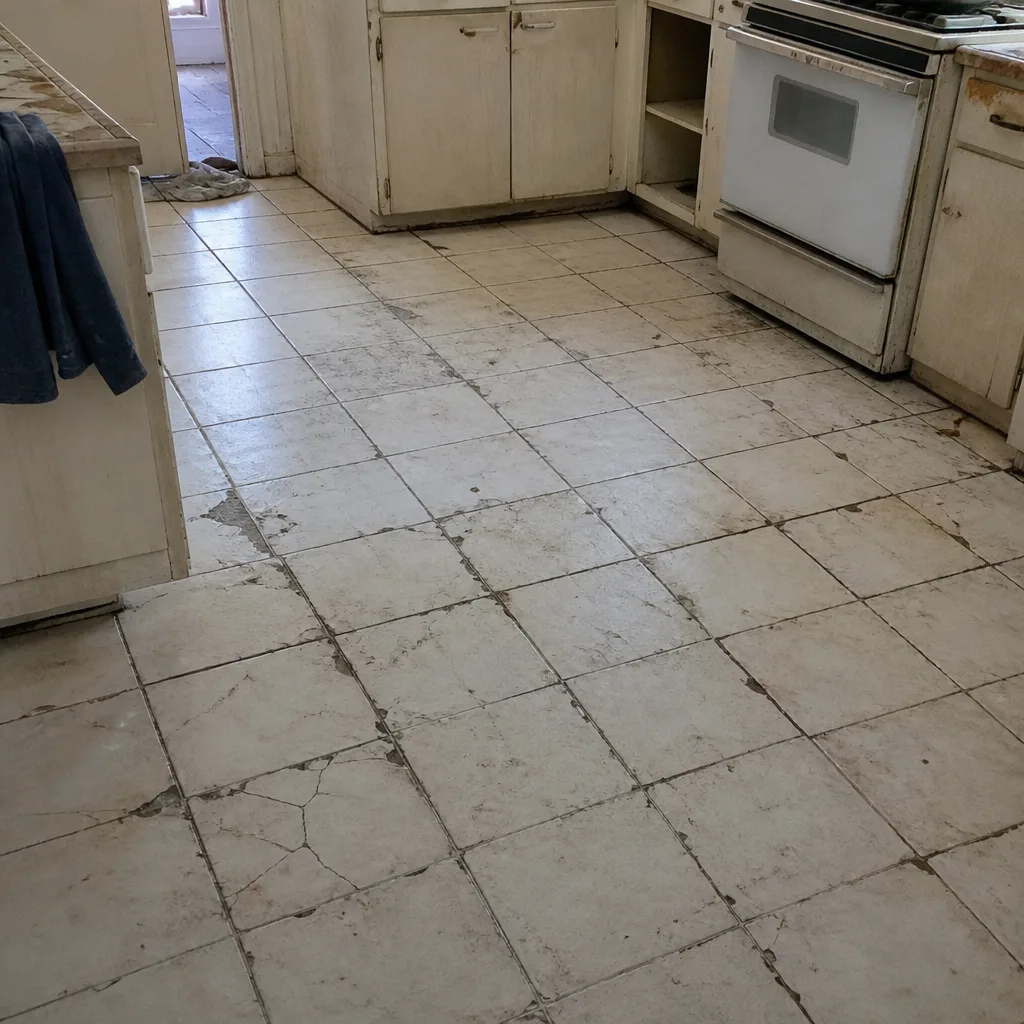 Before
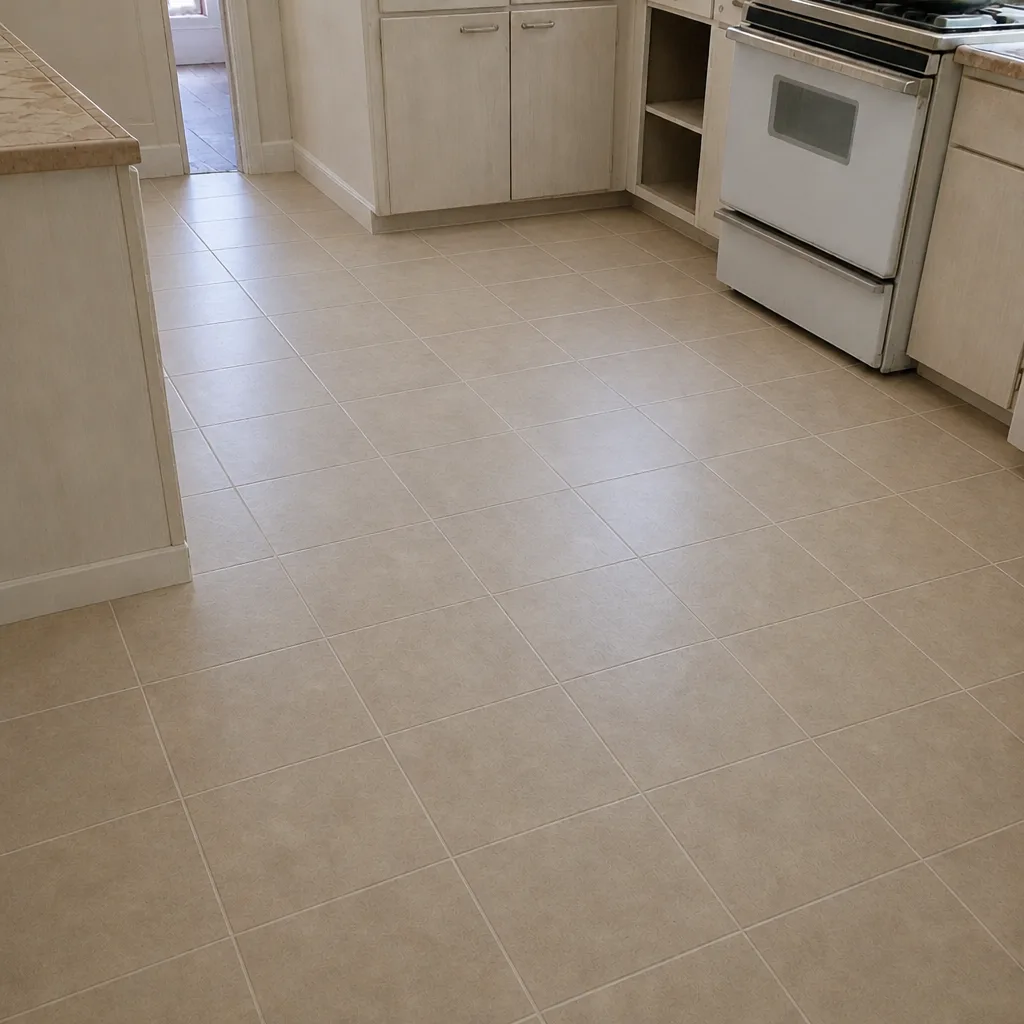 After
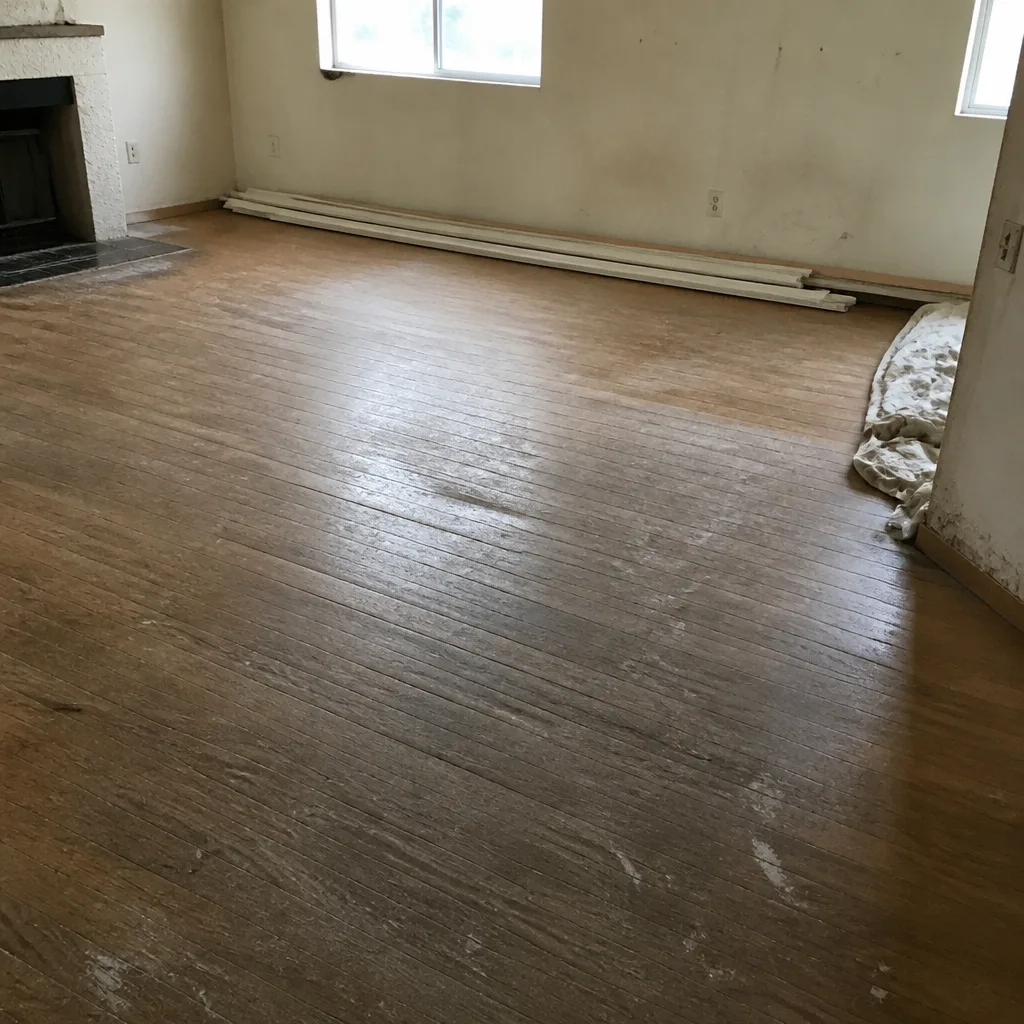 Before
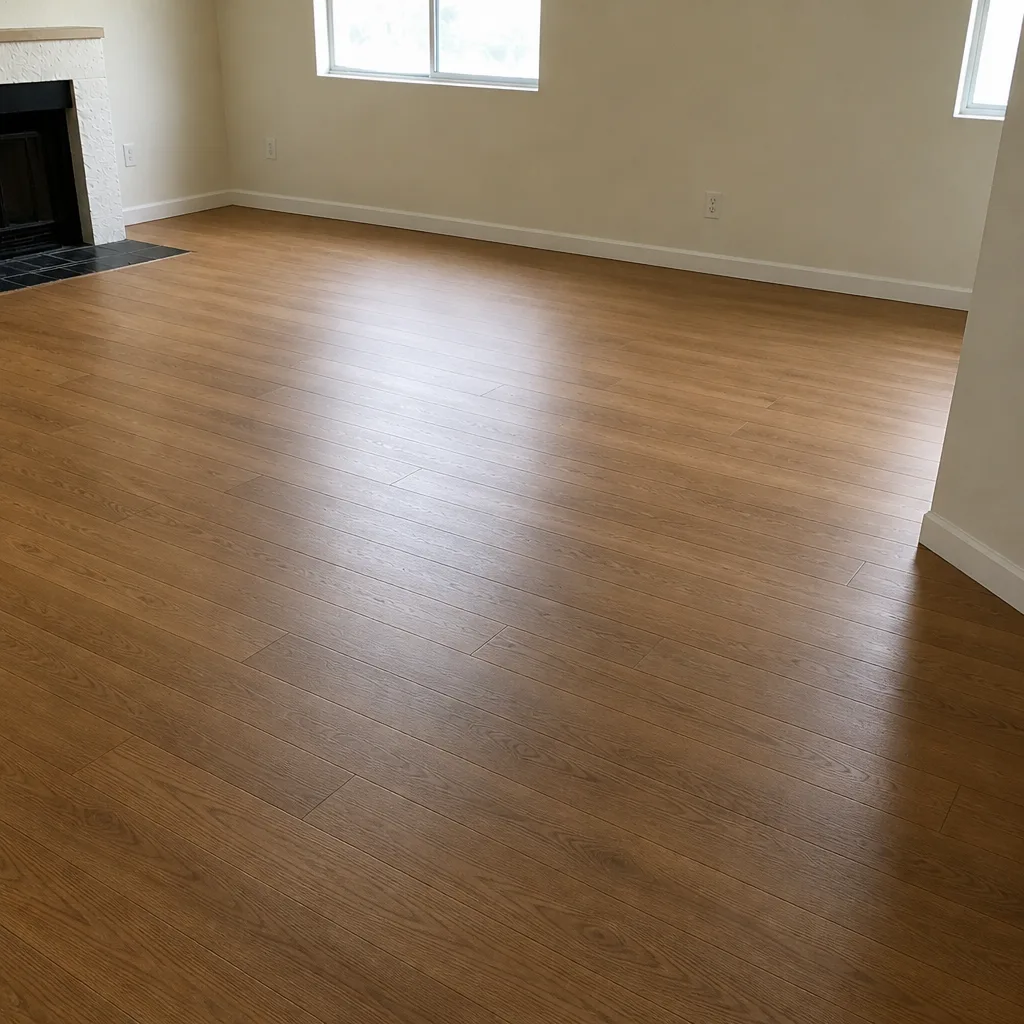 After
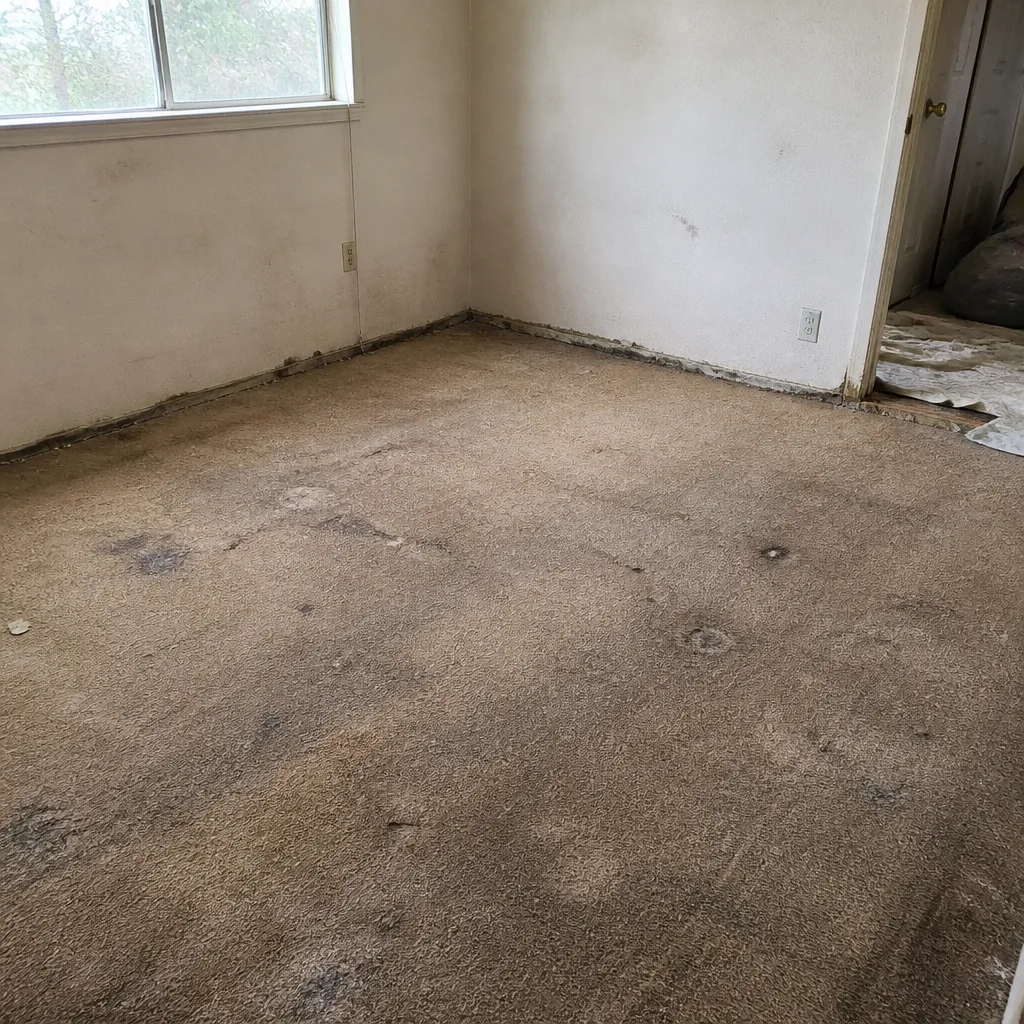 Before
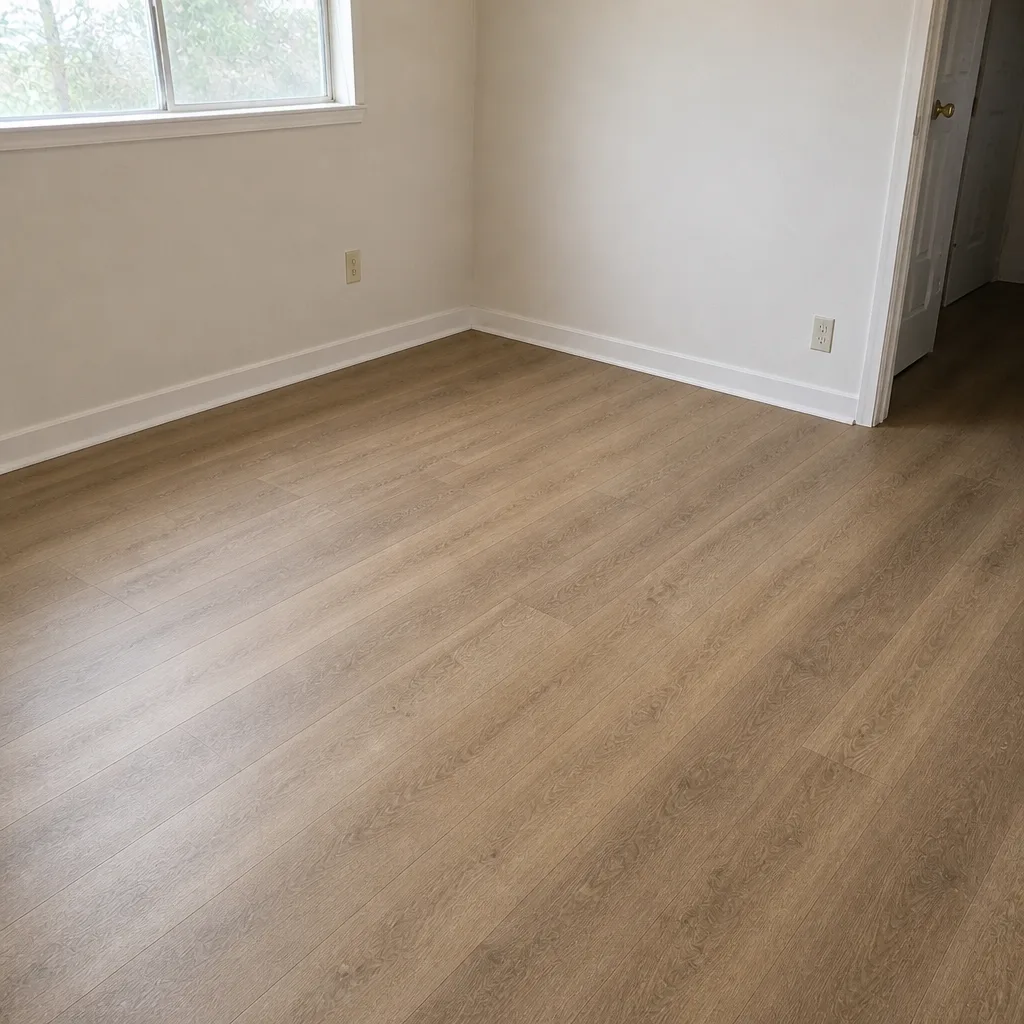 After
When to Call a Professional
If you’re weighing more than one material, have a room that behaves differently from the rest of the house, or your slab hasn’t been checked in a while, the estimate visit is the right first step. This is especially true if a floor has already failed once, or if you have a west-facing room that bakes in the afternoon and you’re trying to figure out what will survive there. It also makes sense if you’re planning a floor in a room you’ve never floored before, because the climate behavior depends entirely on that room’s exposure and slab condition.
Floors North Las Vegas offers free estimates in North Las Vegas. Our technicians have up to 11 years of experience. Call (888) 393-9180 to schedule your free estimate. A written estimate sets the final price and the install schedule, and we walk through acclimation, barriers and moisture conditions before a price is set.
Frequently Asked Questions
Porcelain or rectified tile in kitchens, baths and sun-heavy rooms, engineered hardwood where you want real wood, and luxury vinyl plank with a waterproof core in moisture-prone areas, provided the slab underneath is properly managed. Carpet works well in bedrooms that don’t take a full afternoon west-facing sun load. The best material is always the one matched to the room’s specific exposure and the slab condition, which is what we work through at the free estimate. Call (888) 393-9180 for an exact quote, estimates are free.
Solid hardwood can deform over time in a climate with this much humdity cycling, especially in poorly insulated or sun-exposed rooms. The dry-to-humid seasonal swing causes wood to expand and contract continuously, which leads to cupping, gapping and joint separation. Engineered hardwood handles that swing much better, and steady interior conditions through both seasons extend the life of either. We check the floor’s stability and exposure as part of the estimate.
Floating LVP laid directly on a concrete slab with no moisture barrier is the leading cause of failure here. Ground moisture wicks upward through the slab and gets trapped under the floor, causing bubbling, cupping and plank separation. With a proper vapor barrier and slab preparation, LVP handles the climate very well. Water-resistant and waterproof-core LVP still requires that barrier and doesn’t stop standing water from causing damage.
The correct acclimation period depends on the season and the room’s interior conditions, not on a fixed number of days. North Las Vegas homes swing from very dry summer interiors to more humid winter interiors, and materials need to settle to the room’s actual conditions before installation. We plan the schedule around the room and confirm it as part of the install estimate. Call (888) 393-9180 for an exact quote, estimates are free.
For kitchens, bathrooms and rooms with heavy sun and heat exposure, tile is more forgiving because it doesn’t respond to humidity swings. For other rooms, LVP is warmer underfoot and easier on the budget. Both work in this climate when the slab is prepared properly and the installation method is chosen deliberately. Mannington, LifeProof and Daltile each give solid options across those categories, and we’ll help you compare materials for your specific rooms.
Sometimes, yes. Hardwood refinishing restores an existing floor and saves the cost and waste of tearing it out, which is why we offer it alongside installation. It depends on the thickness of the wood and its condition, checked at the estimate visit. If the wood layer is thick enough and stable through the seasons, refinishing is a strong choice. If the floor has severe moisture damage, replacement may be the better route, and we’ll be straightforward about which is realistic.
The Bottom Line
The North Las Vegas climate has more to do with the longevity of your floors than any single product feature. It’s the humidity cycling, not the heat, that expands, contracts and eventually damages flooring, and the concrete slab under most homes is the hidden variable that determines whether a floor settles in or fails. Tile is the most forgiving option, engineered hardwood performs well when the room and slab are stable, and luxury vinyl with a proper moisture barrier works beautifully in moisture-prone rooms. Carpet is still a strong option where sun exposure allows. The material matters, but get the installation right first: slab testing, the right barrier and a deliberate install method. Our technicians have up to 11 years of experience working through exactly these details. Call (888) 393-9180 to schedule your free estimate in North Las Vegas. We answer 24/7.
Written by the team at Floors North Las Vegas.