
Last updated November 18, 2026
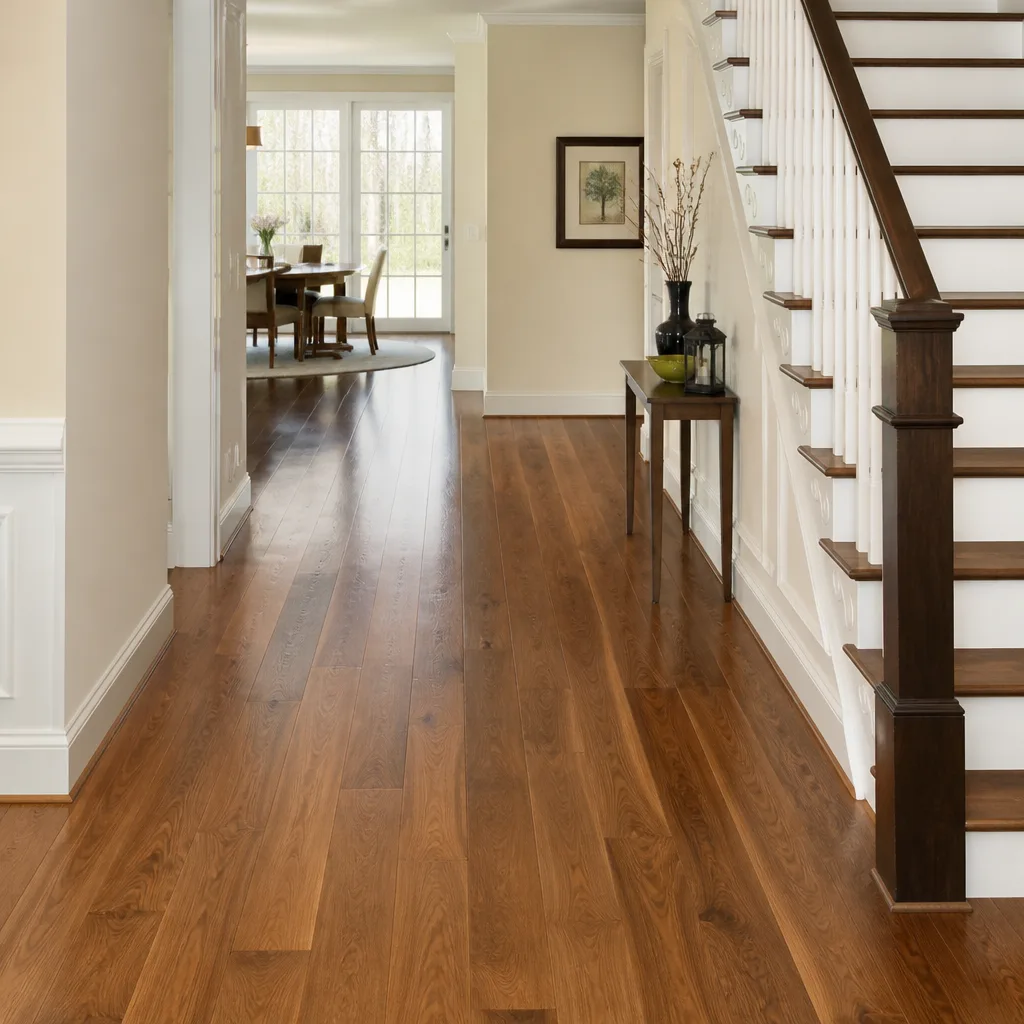 Hardwood
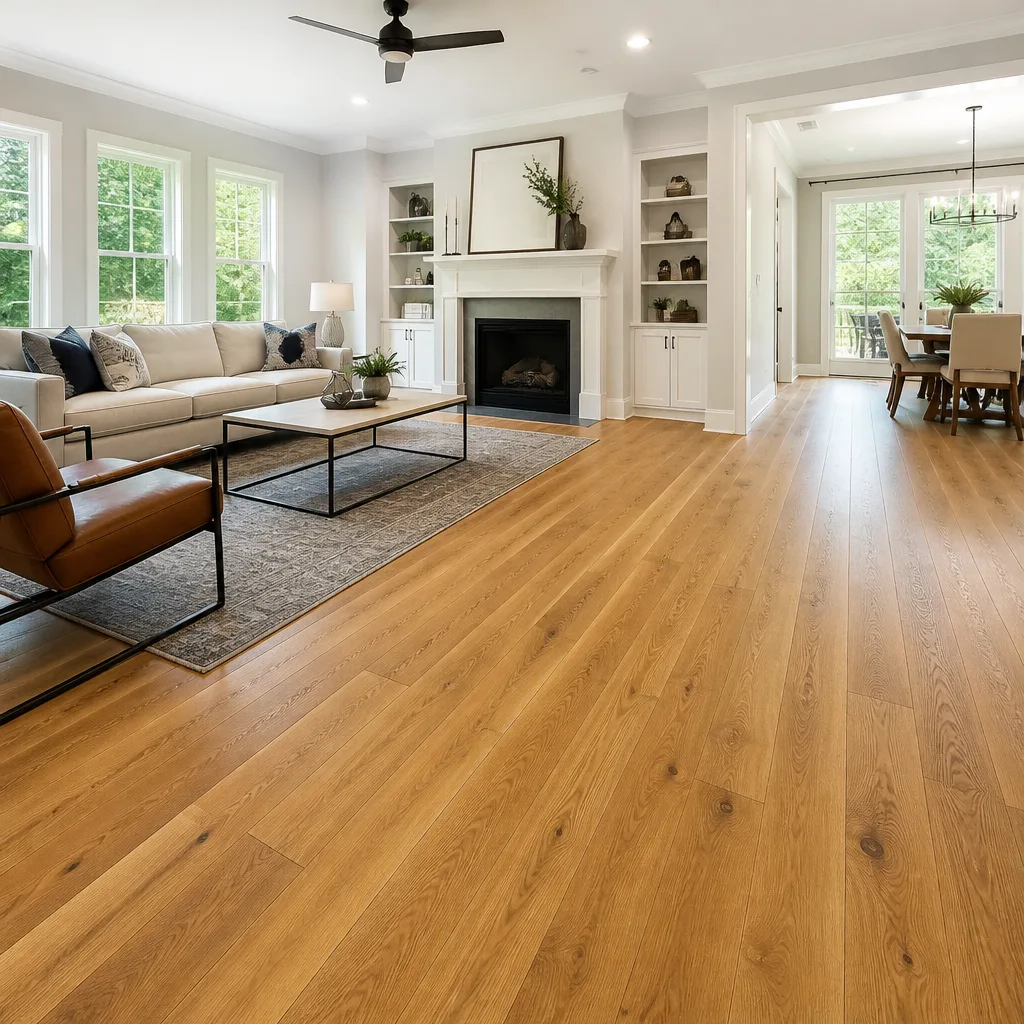 Engineered hardwood
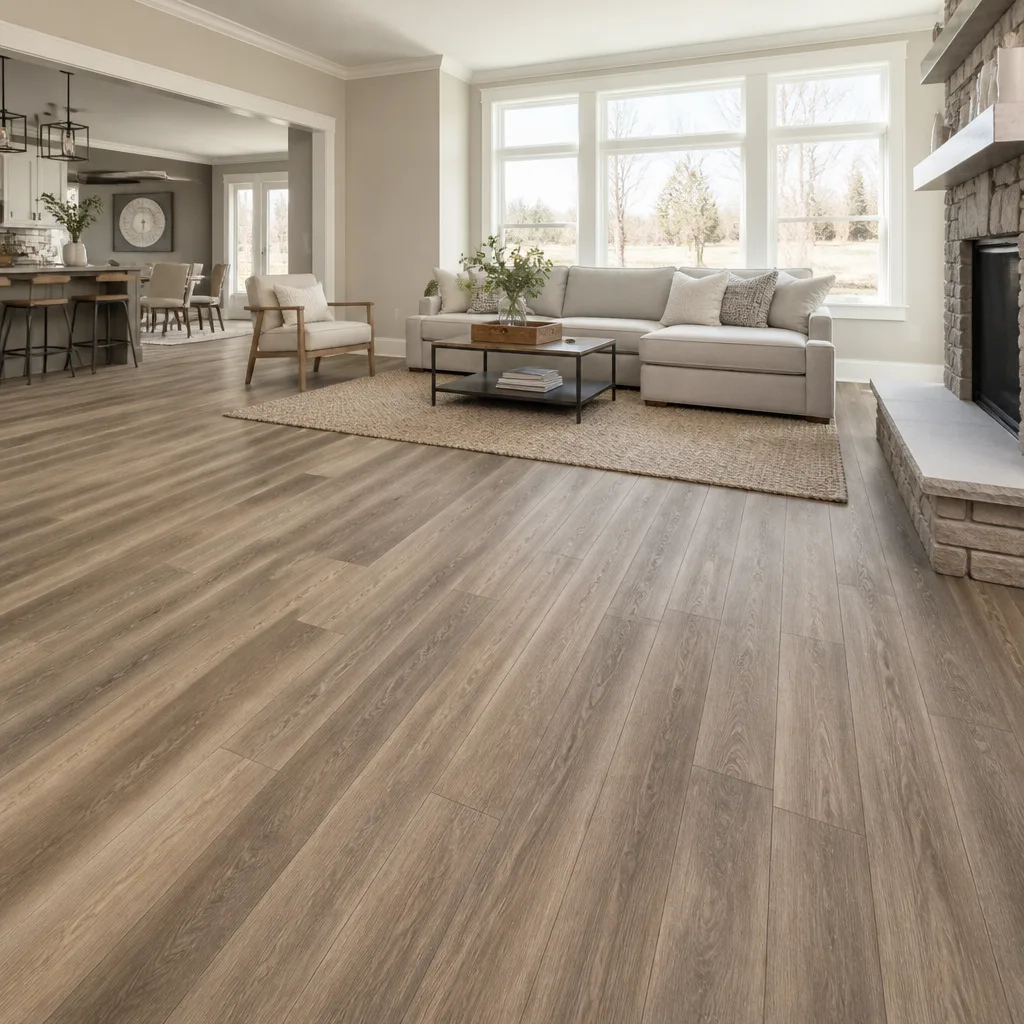 Luxury vinyl plank
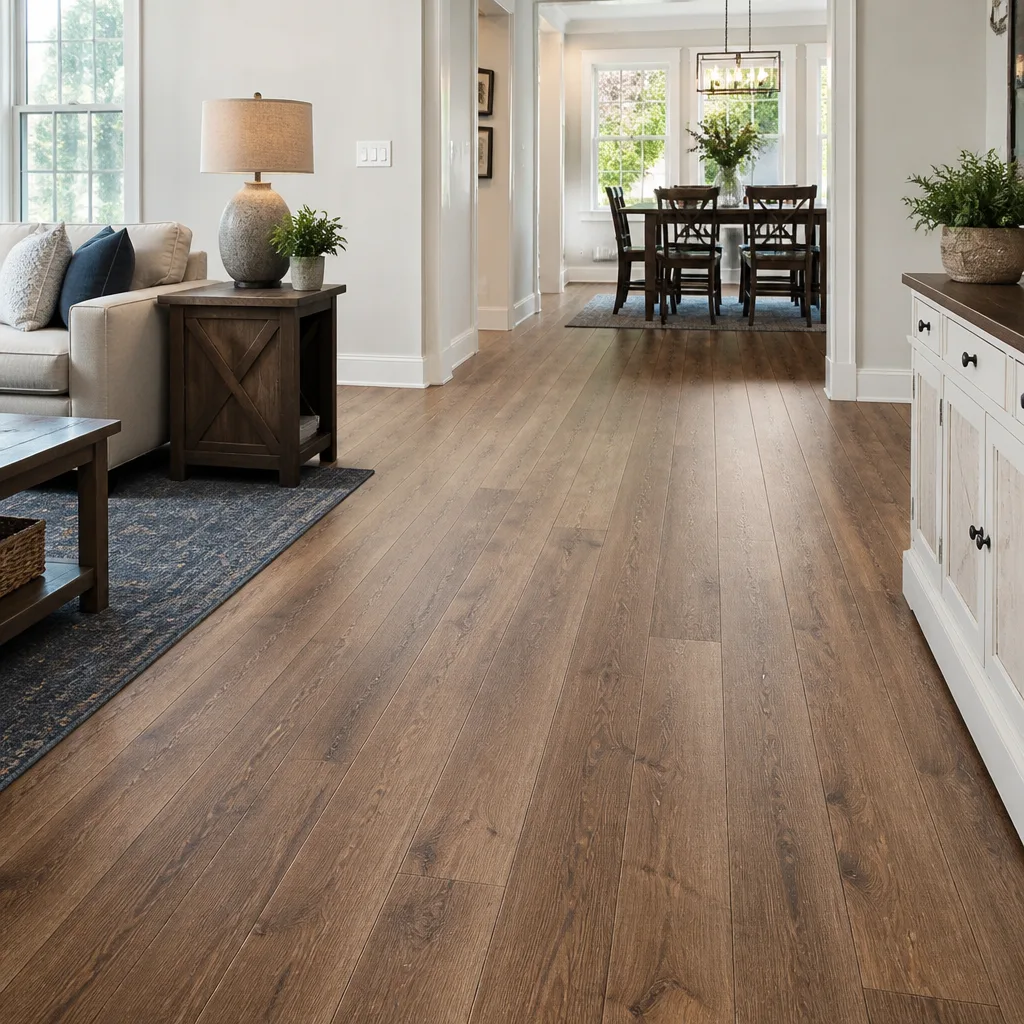 Laminate
 Porcelain tile
 Carpet
 Shaw
 Mohawk
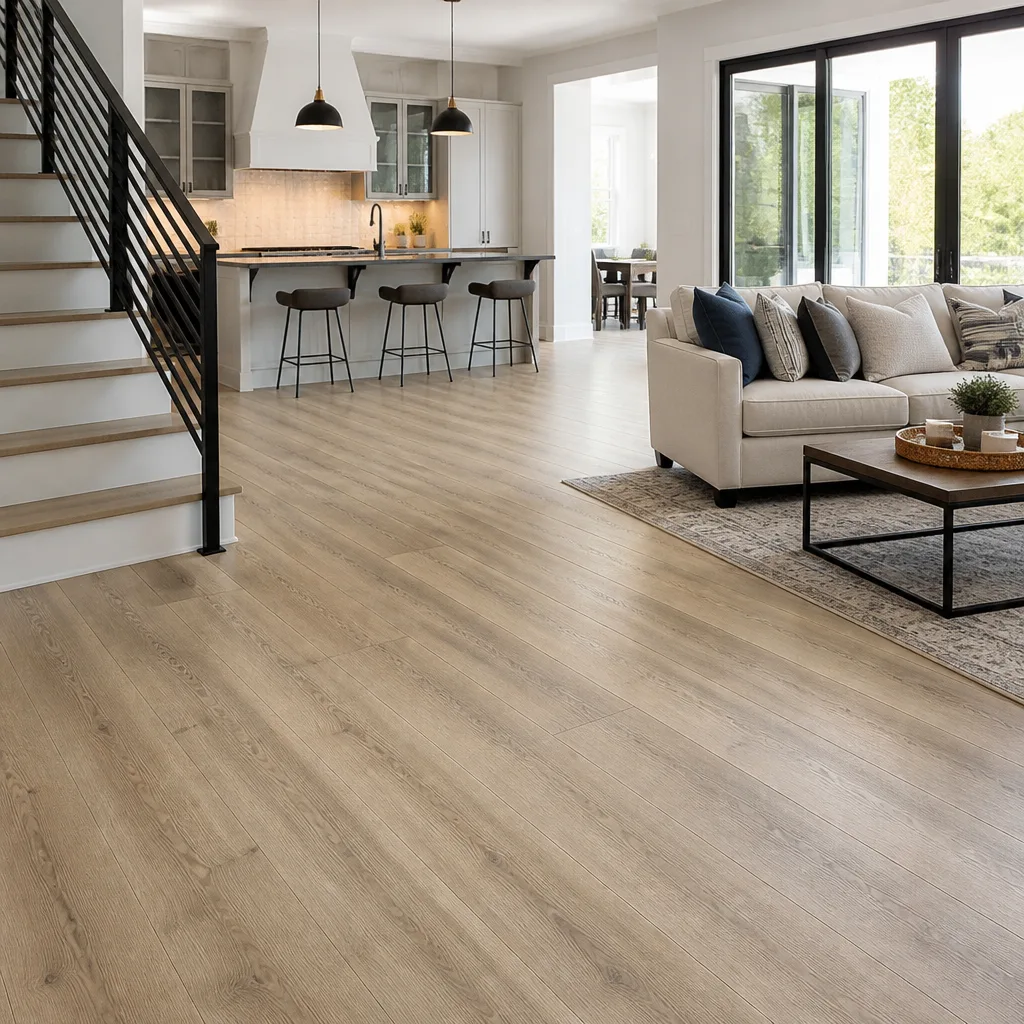 COREtec
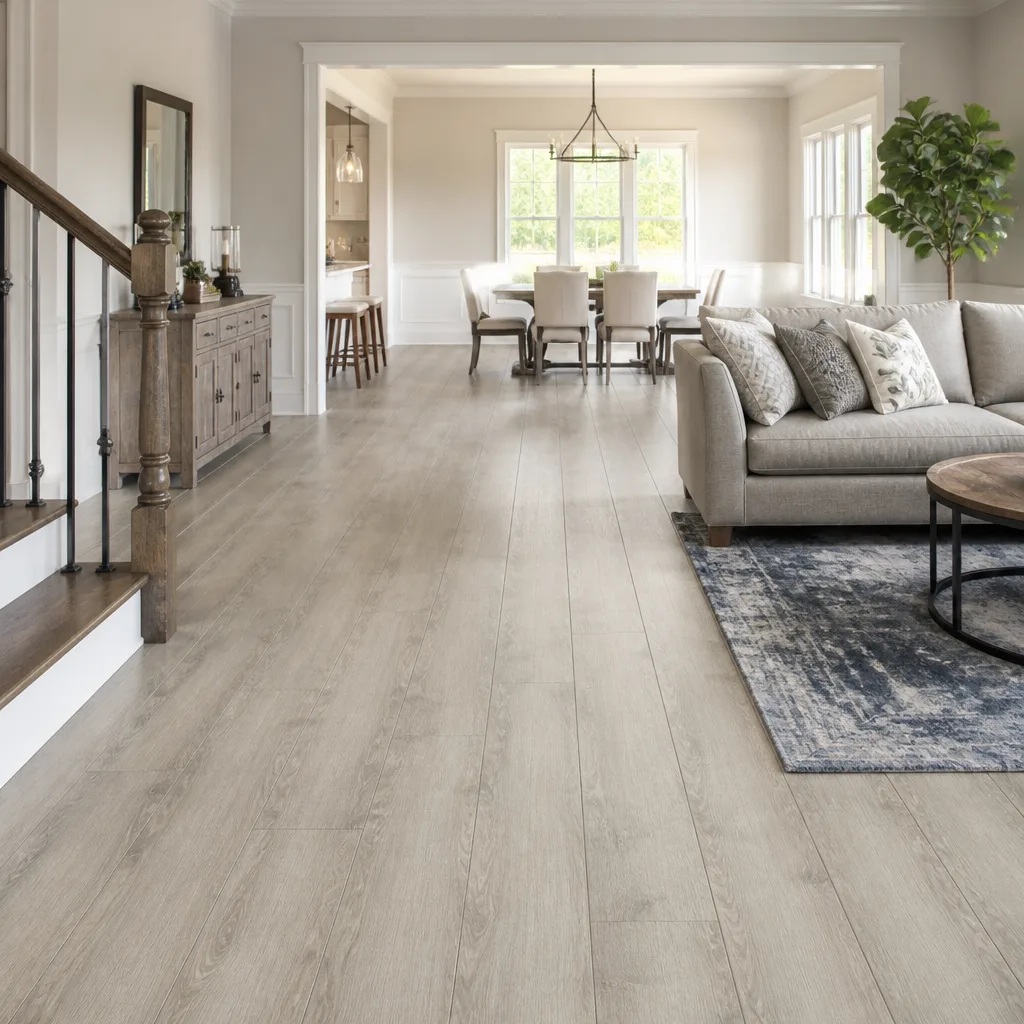 Pergo
Free in-home measure and written estimate: Shaw, Mohawk, COREtec and Pergo lines compared on your own rooms, with carpet, tile, vinyl plank, laminate and hardwood laid out side by side
Get your free estimateChoosing the Right Flooring for Every Room in North Las Vegas Homes
Here’s the part most flooring guides skip: the same luxury vinyl plank that performs perfectly in a North Las Vegas living room can cup and gap in a south-facing sunroom with weak window tinting. Same house. Same product. Different room, different outcome. Desert homes create wildly different microclimates from one wall to the next, and a floor that ignores that reality will show it within a season or two. Picking flooring here isn’t a single decision – it’s a room-by-room calculation based on how each space actually gets used. This guide walks through every major room in a North Las Vegas home and explains which surfaces hold up, which ones fight the climate, and why.
Quick Answer
The best flooring for each room in a North Las Vegas home comes down to that room’s abuse profile: carpet in bedrooms for comfort and sound, large-format porcelain tile in kitchens and bathrooms to handle UV, pet traffic and hard-water cleanup, and luxury vinyl plank in offices and bonus rooms where temperature swings and rolling chairs do the most damage. Entryways and patio-connected rooms benefit most from low-grout, micro-scratch-resistant surfaces. Match the material to the room’s job and it’ll outlast a prettier floor installed in the wrong place.
Styles & brands we work with
- Hardwood
- Engineered hardwood
- Luxury vinyl plank
- Laminate
- Porcelain tile
- Carpet
- Shaw
- Mohawk
- COREtec
- Pergo
Table of Contents
- Why North Las Vegas Rooms Are Not All the Same
- Bedrooms: Where Carpet Still Wins
- Kitchens and Open-Plan Living: The Case for Large-Format Porcelain
- Bathrooms: Beating Hard Water at the Grout Line
- Home Offices and Bonus Rooms: LVP vs. Laminate
- Entryways and Patio Doors: The Desert Grit Problem
- How to Choose in Three Decisions
- Common Mistakes to Avoid
Why North Las Vegas Rooms Are Not All the Same
Walk through a typical North Las Vegas home and you’ll pass through several microclimates. A west-facing primary bedroom absorbs hours of afternoon sun and holds that heat into the evening. A kitchen that opens onto a covered patio pulls in dust and temperature swings every time the door slides. A north-facing hallway sits cool and shaded all day. The desert doesn’t treat these rooms equally, and neither should the flooring.
Two forces drive most of the wear in North Las Vegas homes. The first is sun exposure – strong, direct, and relentless through uncovered windows, which fades some finishes and bakes others. The second is the combination of dry air and tracked-in desert grit: fine dust, sand, and caliche that acts like sandpaper underfoot. Add in hard water from the tap, and you have a climate that punishes the wrong material choice in specific, predictable ways.
UV exposure behaves differently room to room. The same windows that make a room pleasant to sit in can discolor a product with weak UV resistance. That’s why a south- or west-facing room needs a material selected for light stability, while a shaded interior room gives you far more flexibility. Our technicians have up to 11 years of experience reading these room-by-room conditions, and it’s the first thing we look at during a free estimate in North Las Vegas.
Temperature inconsistency is the third variable. Vents that open and close with the season, or a bonus room over the garage that swings more than the rest of the house, put stress on any floor that expands and contracts with heat. The takeaway is simple: don’t buy one floor for the whole house without thinking about how each room performs. You don’t need a different material in every doorway, but you do need to match the material to the abuse.
Bedrooms: Where Carpet Still Wins
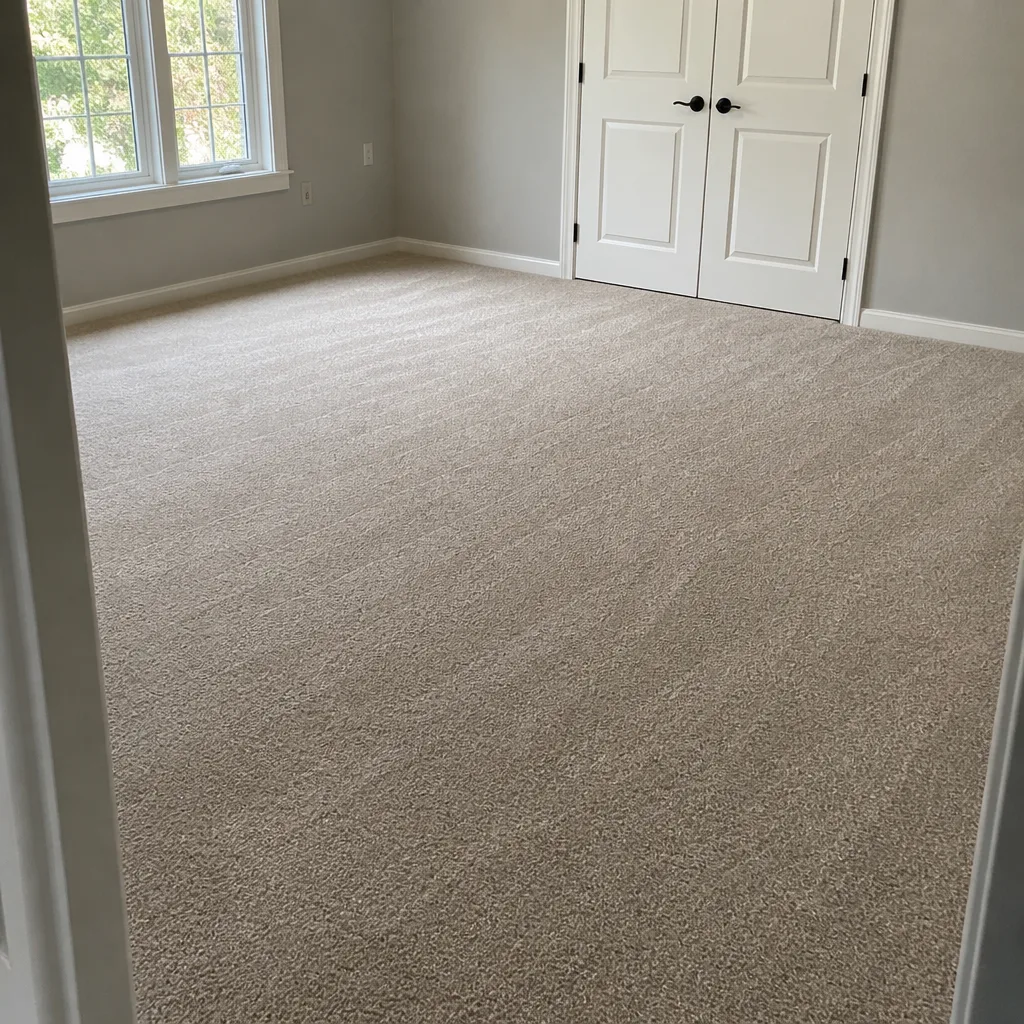
In a room-by-room flooring conversation, bedrooms are where soft flooring still makes the strongest case. Primary and guest bedrooms face less spill risk, less foot traffic, and less exposure to outdoor grit than kitchens or entries. What they need is comfort underfoot, quiet, and warmth – and that’s exactly what carpet delivers. In a North Las Vegas home where hard surfaces dominate the main living areas, bedrooms are where you get to feel the difference.
Acoustics matter more than most people expect. Hard flooring through an entire home lets sound bounce from room to room, and a bedroom directly above a living area or adjacent to a hallway transmits footsteps and voices easily. Carpet absorbs that sound. For a primary suite or guest room, that dampening effect is a real quality-of-life upgrade, not a small detail.
Durability concerns in bedrooms are modest, which opens up the fiber choices. Shaw and Mohawk both cover a wide spread of carpet styles, from plush piles to tighter, more resilient constructions. A tighter, denser pile generally handles furniture marks and daily traffic better than a deep, loose one, and a good pad underneath does a lot of the heavy lifting on both comfort and longevity. Talk through fiber, pile, and pad together rather than picking a color and calling it done.
West-facing primary bedrooms deserve a mention. Afternoon sun through an untreated window can fade some carpet dyes over time, so consider window coverings or a UV-blocking film if the carpet sits in direct light. Quick tip: bedrooms are also the easiest place to phase a remodel. If you’re replacing the floor in stages, do the bedrooms first and live with the result before committing to the rest of the house. Carpet installation in North Las Vegas is often the anchor of a whole-home plan for exactly this reason.
Kitchens and Open-Plan Living: The Case for Large-Format Porcelain
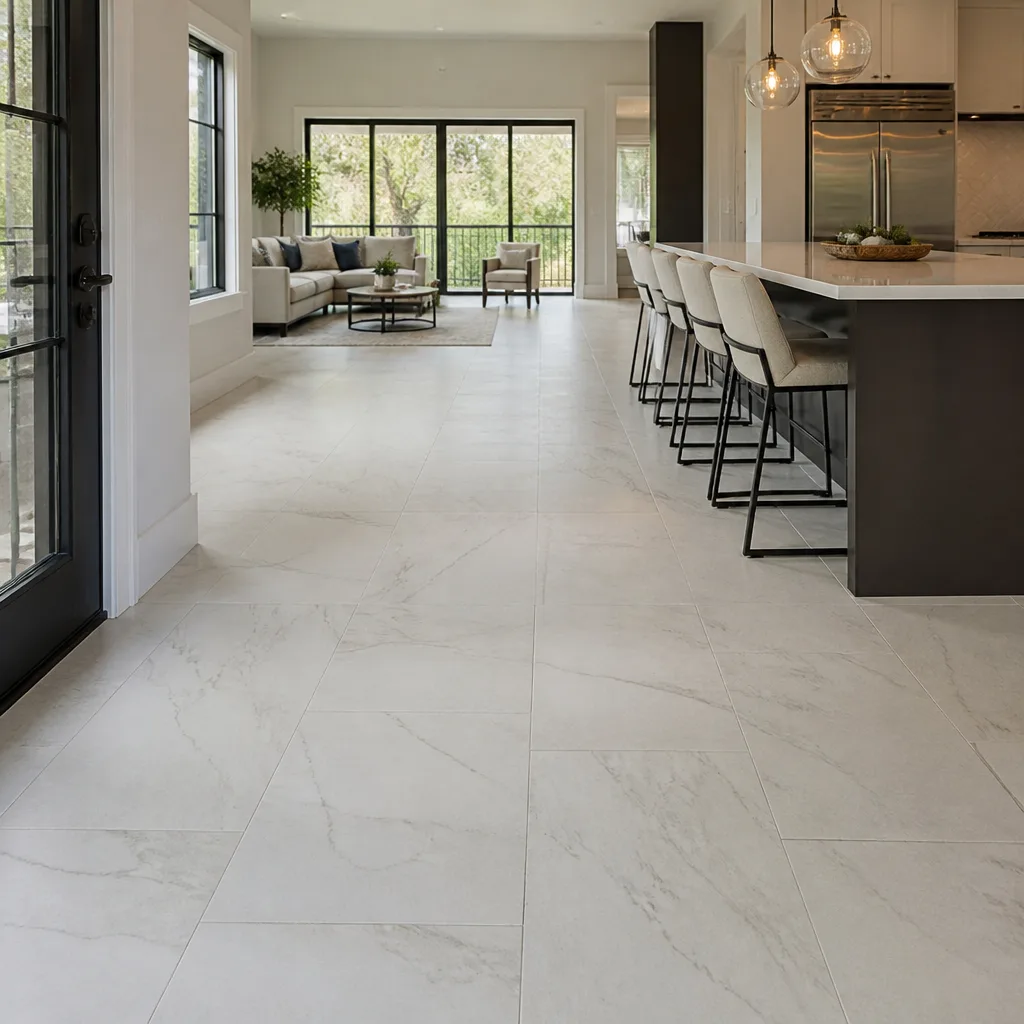
If there’s one room in a North Las Vegas home where the material choice has the biggest consequences, it’s the kitchen. Kitchens here deal with UV coming through patio doors, pet bowls and water drips, dropped pans, and the constant cleanup of hard-water spots. Large-format porcelain tile handles all of it better than most surfaces. It’s dense, it resists water, it shrugs off most stains, and its near-seamless look gives an open-plan kitchen a clean line into the living space.
Here’s why large-format matters specifically. Grout lines are the weak point of any tile floor – they collect dirt, they need sealing, and they show hard-water haze. A large-format porcelain tile reduces the number of grout lines dramatically compared with a small mosaic or a busy 12-inch layout. Fewer lines mean less maintenance and a floor that reads as one continuous surface across an open kitchen and dining area. Rectified tile goes a step further, with squared edges that allow very tight joints for an even tighter look.
Porcelain also tolerates sunlight and heat well, which matters when a kitchen opens to a patio and catches strong afternoon light. Set against a pet that pads in from the yard, porcelain holds up without the wear patterns softer surfaces pick up.
Open-plan living changes the calculation too. When the kitchen flows into the family room, the floor has to work as one surface under a single design. A large-format porcelain carries that line and makes the whole space feel bigger. If you want the details on layout, grout selection, and pattern, our tile flooring installation page walks through the process. And for the surrounding rooms in the house, review the choices with Floors North Las Vegas so the materials flow together.
Bathrooms: Beating Hard Water at the Grout Line
Bathrooms are small rooms with outsized maintenance demands, and in North Las Vegas the leading culprit is hard water. Mineral-heavy tap water leaves spots, haze, and crusty deposits on tile and grout, and standard cement-based grout is the first thing to look tired. The fix isn’t a different cleaner – it’s a smarter material and grout choice from the start.
Standard ceramic tile with fine, cement-based grout lines gives hard-water minerals plenty of textured surface to cling to. Over time you get the familiar cloudy white buildup that no amount of scrubbing fully removes. Two approaches reduce that problem:
- Epoxy grout. Epoxy grout is denser and far less porous than cement grout, so it resists absorbing the mineral-laden water that causes staining and haze. It’s a strong choice for shower floors, tub surrounds, and any bathroom that sees daily use.
- Large-format tile. Fewer, wider grout joints mean less area for minerals to accumulate. A large-format porcelain or rectified tile wall and floor reads cleaner and is easier to wipe down.
Porcelain is a sound pick for bathroom floors because its density resists water absorption and it handles the wet conditions of a shower area well. Pair it with a slip-resistant finish on the floor, especially in a bathroom where wet feet are routine. The grout line is where most hard-water complaints begin, so spend your attention there – a good grout specification at install saves hours of scrubbing later.
North Las Vegas bathrooms also tend to run warm in summer, and cool tile underfoot is a genuine comfort bonus in that season. The key is matching the tile and grout to the room’s wet, hard-water reality rather than choosing purely on looks.
Home Offices and Bonus Rooms: LVP vs. Laminate
Home offices and bonus rooms are the rooms that get under-designed. They’re often over the garage, off a hallway, or in a converted space where the HVAC vent opens and closes with the season. That temperature inconsistency is a real stress on flooring, and it’s the main reason the LVP-versus-laminate decision here is worth thinking through.
Rolling desk chairs are the other factor. Chair wheels and casters concentrate weight on a small point and grind dust into the surface below. On softer or scratch-prone floors, that shows up as wear rings and dull patches around the desk. A flooring with a durable wear layer and a hard, resilient surface resists that better.
Luxury vinyl plank has an edge in these rooms for several reasons:
- Moisture tolerance. LVP’s core is built water-resistant, which matters in a converted space where moisture from below or a slow leak is a risk. Laminate is more sensitive to standing water and swelling at the edges. COREtec and Pergo both give you strong resilient options in this category.
- Temperature stability. A bonus room that swings with the season puts expansion stress on any floor. LVP generally handles that variability with less risk of gapping than laminate.
- Chair-wheel durability. Hard, wear-layer-protected LVP resists the caster grind better than softer surfaces, and it won’t show scuffs the way some finishes do.
Laminate still has a place. It’s dimensionally stable and often has a convincing wood look at a lower price point. But in a room with a rolling chair and inconsistent temperatures, LVP is the safer bet. Add a chair mat over any hard floor with casters regardless of the material – it’s a cheap way to protect a good floor.
Entryways and Patio Doors: The Desert Grit Problem
Entryways and the rooms that open onto patios take more abuse than any other floor in a North Las Vegas home, and it comes in through the door on your shoes. Desert grit – fine sand, dust, and bits of caliche – acts like a low-grade abrasive under a shoe. Every step grinds it across the floor. Over years, that micro-abrasion dulls finishes, wears color off grout, and scuffs the most-trodden path from the front door to the kitchen.
The right surface here is hard, tight, and low-maintenance. Large-format porcelain is one strong choice – few grout lines, dense surface, easy to sweep. A durable resilient plank is another, especially near patio doors where you want a surface that wipes clean easily. What you want to avoid is any material with a soft finish or generous grout lines right in the traffic zone.
The caliche issue deserves its own note. That’s the hard, calcium-cemented desert soil common in the area, and small chunks of it break off, get tracked inside, and abrade a floor more aggressively than ordinary sand. A few practices go a long way:
- Put a textured mat inside every exterior door to catch grit before it spreads.
- Sweep or dust-mop entries more often than the rest of the house – back-and-forth grit is the real enemy.
- Choose a floor with a durable wear surface and, in tile, use a grout that resists staining and abrasion.
If your entry opens straight onto a patio, the same tiled or plank surface can run from inside to the threshold for one continuous floor. That transition is worth planning at the estimate stage, not after the floor is in.
How to Choose in Three Decisions
Strip away the showroom options and choosing flooring for a North Las Vegas home comes down to three decisions per room. Work through them in order and the shortlist writes itself.
- What does this room actually endure? Sun, wet, grit, and foot traffic land in different amounts room to room. A bedroom endures little of each; a patio-connected kitchen endures all four. That profile tells you whether you want a soft, hard, or resilient surface.
- How much maintenance can you live with? More grout lines mean more scrubbing. A plush carpet means more vacuuming but a softer feel. Match the material to the upkeep you’ll realistically do.
- How does the room relate to the rest of the house? Open-plan spaces want one continuous surface. Separated rooms give you the freedom to change materials. Plan the transitions now so the whole home reads as one design.
Run those three questions through every room and you’ll have a material list in hand. Bring that list to a free estimate and you can price the whole plan at once rather than piecemeal. If you’re redoing several rooms or several floor types, working with one specialist for carpet installation alongside tile and hardwood avoids the coordination headache of juggling contractors. It’s also a smart idea to browse the North Las Vegas overview so you know exactly what’s in scope for your project.
Common Mistakes to Avoid
- Using one material for the whole house without thinking room to room. A floor chosen for a sunny kitchen may be the wrong pick for a shaded bedroom. Match the material to each room’s abuse profile.
- Skipping window treatment in sun-facing rooms. Direct afternoon sun through untinted glass can fade finishes and carpet dyes. A covering or UV film protects the floor you just bought.
- Ignoring grout choice in bathrooms. Standard cement grout in a hard-water bathroom means constant scrubbing. Choose epoxy grout or large-format tile to keep minerals off the joints.
- Putting soft flooring in entryways. Desert grit and caliche tracked in on shoes will abrade a soft finish fast. Keep entries hard and low-grout.
- Forgetting a chair mat in a home office. Caster wheels grind grit into any floor. A mat under the desk protects the surface regardless of material.
- Putting laminate in a moisture-prone or temperature-swinging room. LVP handles a bonus room over the garage far better than a material that swells at the edges.
- Buying on look alone and skipping the measurement. A free in-home measure catches the transition issues, sun exposure, and room conditions that decide how a floor actually performs in North Las Vegas.
See the difference
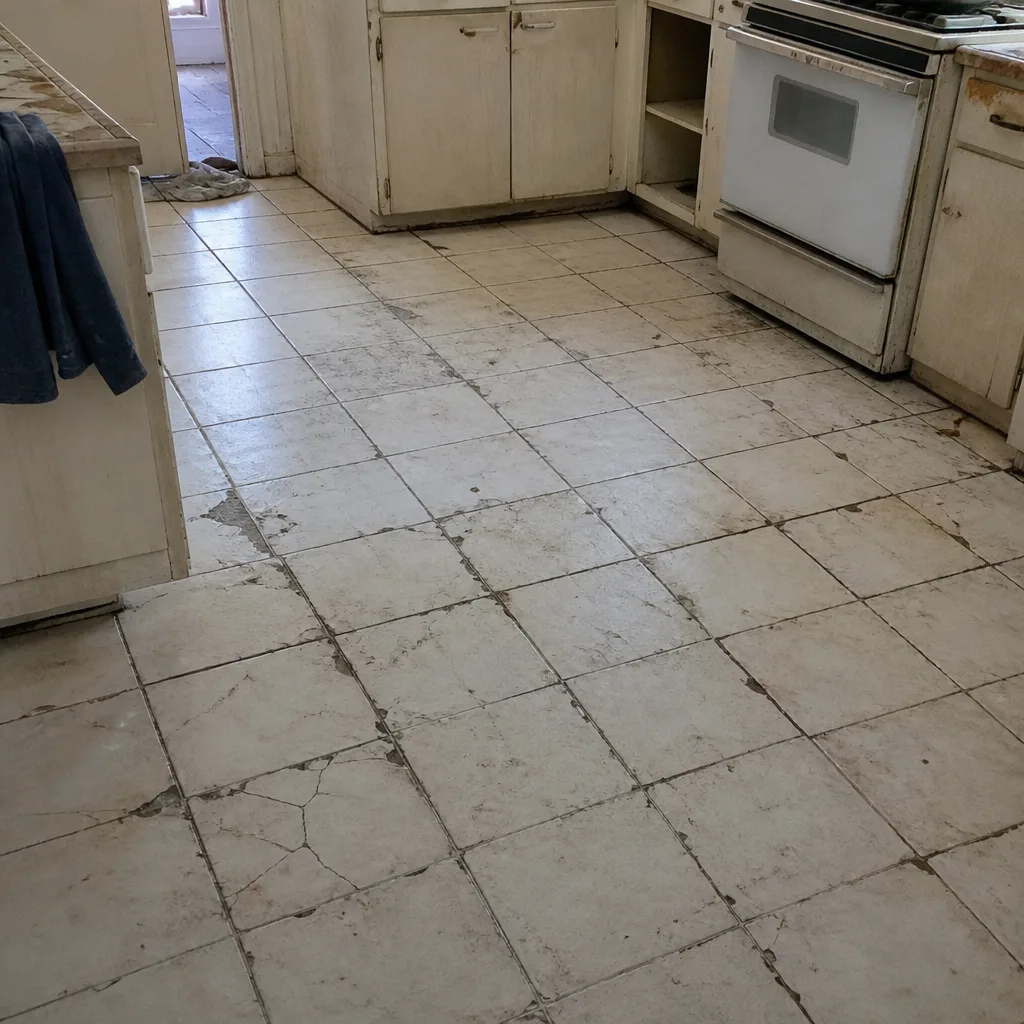 Before
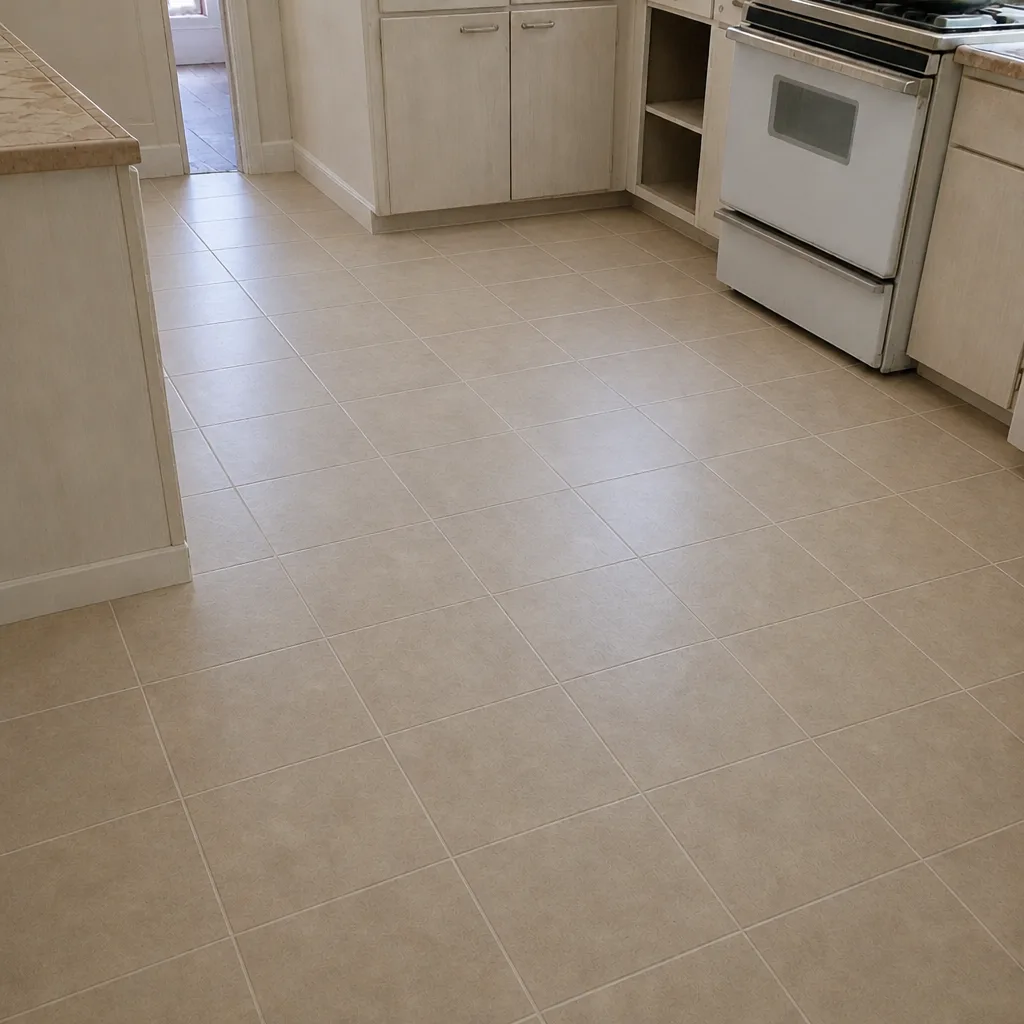 After
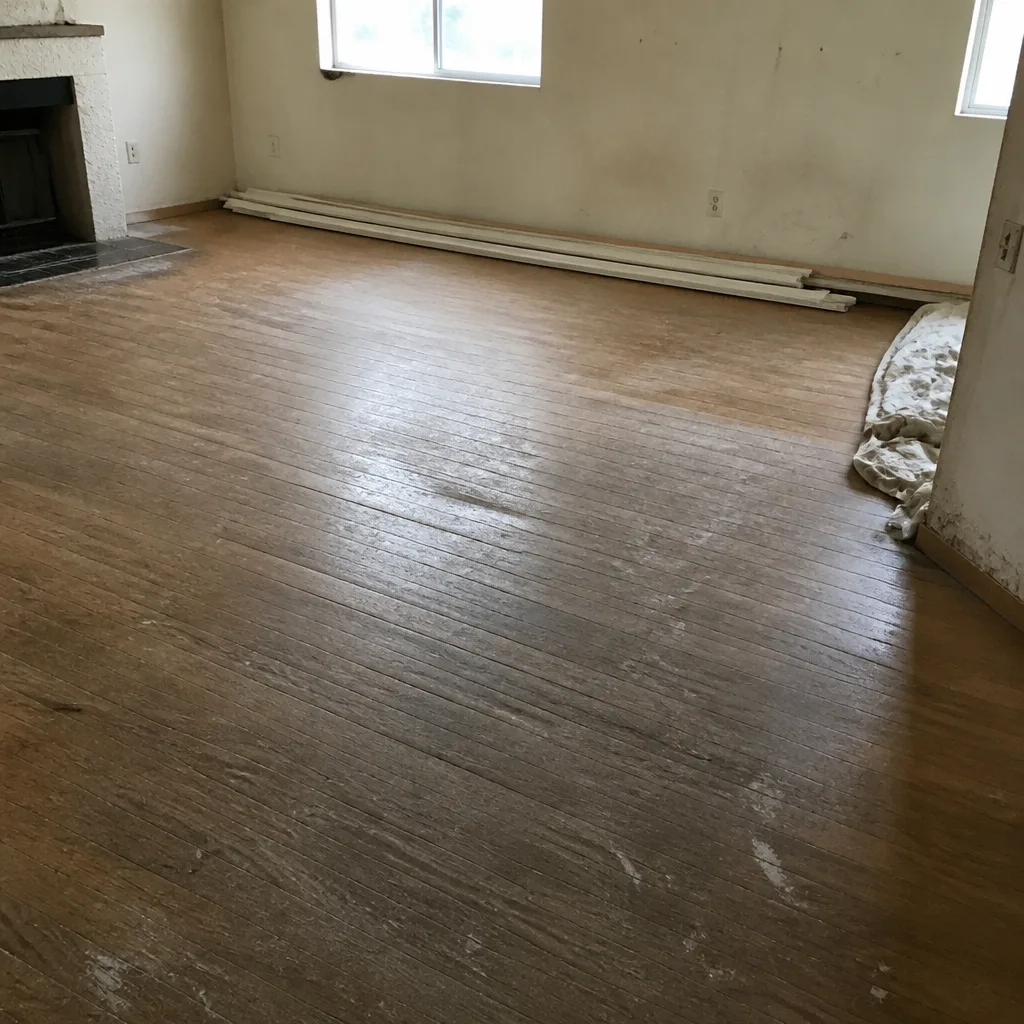 Before
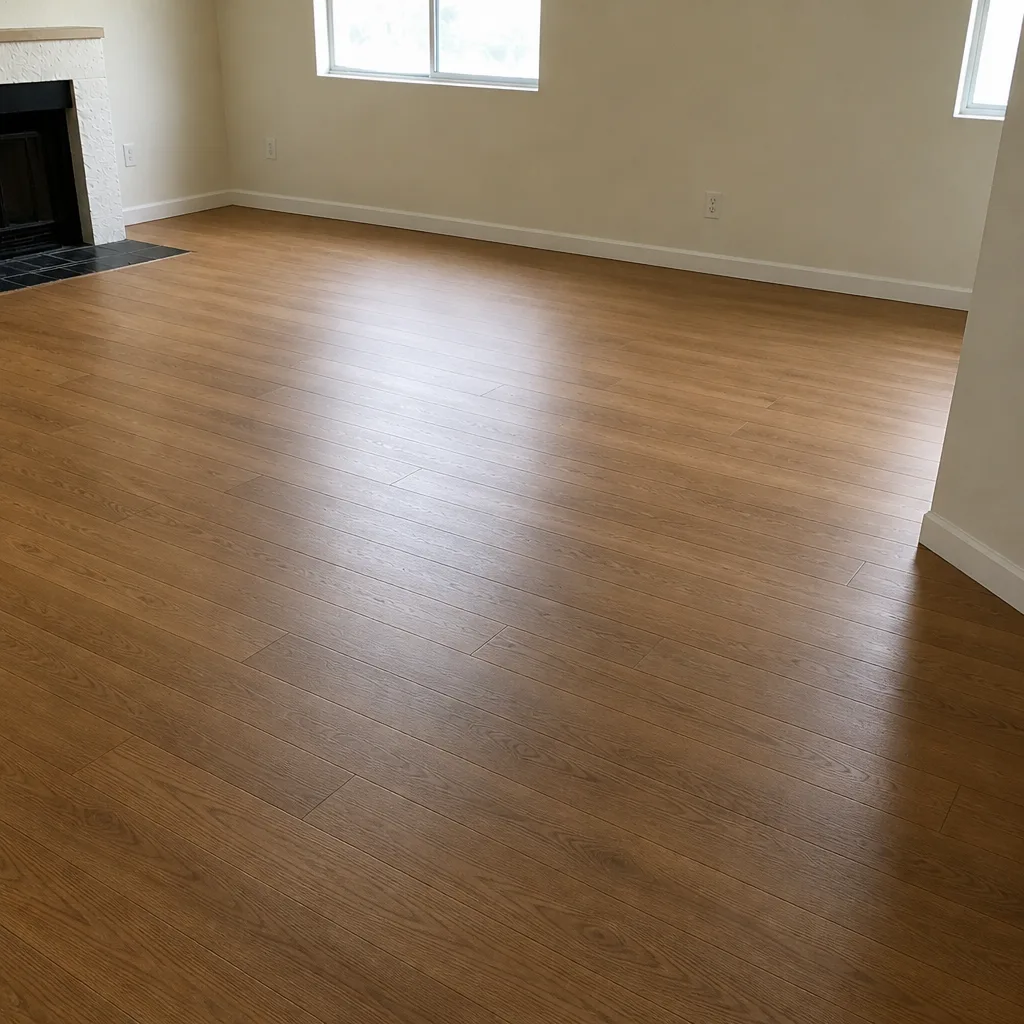 After
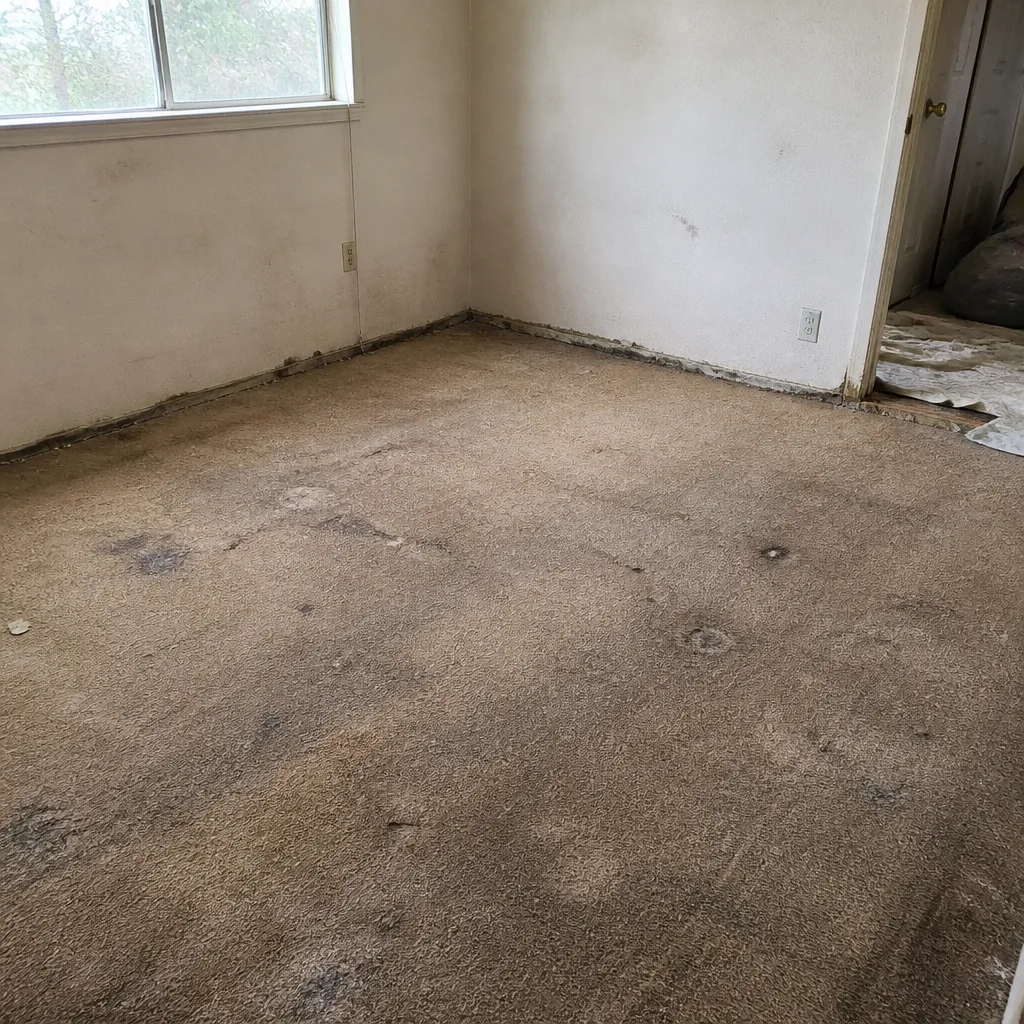 Before
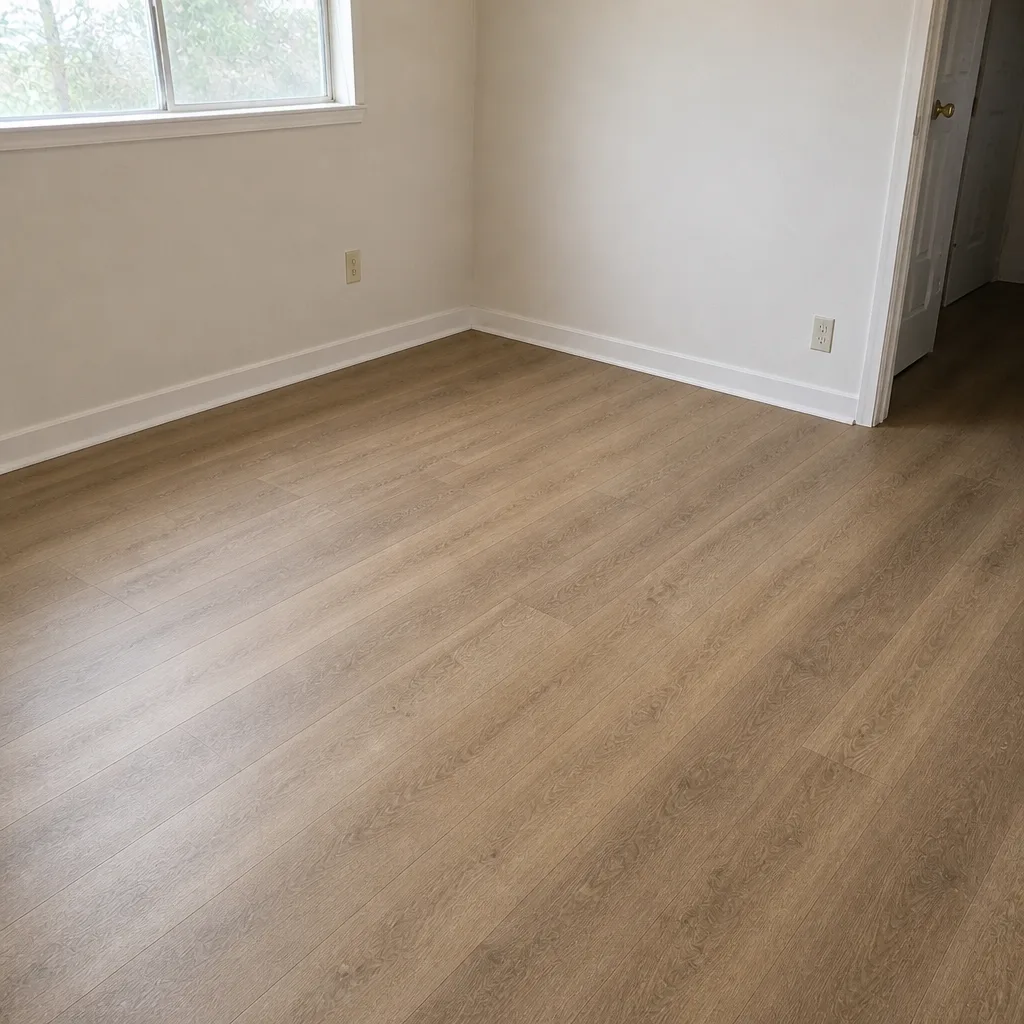 After
When to Call a Professional
Some decisions are best made with a tape measure and a trained eye in the room. Call a professional when you’re choosing between materials for a sun-baked or moisture-prone space, when you’re redoing more than one room and want the transitions to line up, or when you’re unsure whether an existing hardwood floor can be restored instead of replaced. Hardwood refinishing depends on the thickness of the wood and its condition, and that’s checked at the estimate. Large-format tile layout, epoxy grout work, and carpet transitions all benefit from a proper measure and a written estimate before anything is ordered.
Floors North Las Vegas offers free estimates in North Las Vegas – call (888) 393-9180. We answer 24/7, with fast dispatch from 7am to 7pm, Sunday through Friday. A free in-home measure comes first, then a written price, then a scheduled install day. Estimates are always free, and the written estimate sets the final price.
Frequently Asked Questions
Carpet is the standout for bedrooms because it adds comfort and sound dampening where durability demands are low; large-format porcelain tile is the strongest pick for kitchens and bathrooms thanks to UV and water resistance plus fewer grout lines; and LVP suits home offices and bonus rooms where rolling chairs and temperature swings do the most damage. Entryways do best with a hard, low-grout surface that resists tracked-in desert grit. The through-line is matching the material to what each room actually endures. Call (888) 393-9180 for an exact quote – estimates are free.
Microclimates: a south-facing sunroom with weak window tinting gets far more heat and UV than an interior living room, and that exposure can make some plank floors cup or gap. Temperature swings from vents that open and close, plus direct sun, put stress on any flooring. Choosing a UV-stable, temperature-tolerant plank and managing window exposure protects the floor. Call (888) 393-9180 and we’ll help you pick the right product for each room – estimates are free.
Yes. Bedrooms see little grit, spill risk, or heavy traffic, so comfort and acoustics matter more than raw durability there – and carpet delivers both. Shaw and Mohawk both cover a range of piles and fibers so you can match softness to use. Use window coverings in sun-facing bedrooms to protect dyes. Call (888) 393-9180 to talk pile and pad – estimates are free.
Choose epoxy grout and large-format tile so there’s less porous surface and fewer grout lines for minerals to cling to. Hard water leaves spotting and haze that standard cement grout absorbs; a denser grout and wider joints are far easier to keep clean. Wipe down wet areas regularly rather than letting deposits set. Call (888) 393-9180 for a bathroom flooring estimate – it’s free.
LVP is generally the better fit for a bonus room, because its water-resistant core and stronger temperature tolerance handle the swings and moisture risk of a converted space better than laminate, which can swell at the edges. Both are solid options, but in a room with a rolling chair and inconsistent HVAC, LVP is the safer choice. Call (888) 393-9180 to compare products – estimates are free.
Solid hardwood can often be refinished instead of replaced, which saves the material and the cost of a full tear-out. Whether yours qualifies depends on the thickness of the wood and its condition, which we check at the estimate visit. It’s worth asking before you assume replacement. Call (888) 393-9180 to book a free estimate – the written price sets the final cost.
The Bottom Line
Good flooring in a North Las Vegas home is a room-by-room calculation, not a single purchase. Bedrooms reward carpet’s comfort and quiet. Kitchens and bathrooms reward large-format porcelain and smart grout choices that stand up to UV and hard water. Offices and bonus rooms reward LVP’s stability under rolling chairs and temperature swings. Entries reward hard, low-grout surfaces that shrug off desert grit and caliche. Match the material to each room’s real job and the floor performs for the long run. Start with a free in-home measure and a written price, and let the written estimate set the final cost.
Floors North Las Vegas works with nine named brands across carpet, tile, and hardwood, including Shaw, Mohawk, COREtec, and Pergo, so you’re choosing from real range rather than a limited house line. For a whole-home plan – carpet, tile, and hardwood handled by one specialist instead of three contractors – call (888) 393-9180 to schedule your free estimate. We answer 24/7. Fast dispatch from 7am to 7pm, Sunday through Friday.
Written by the team at Floors North Las Vegas.