
Last updated November 18, 2026
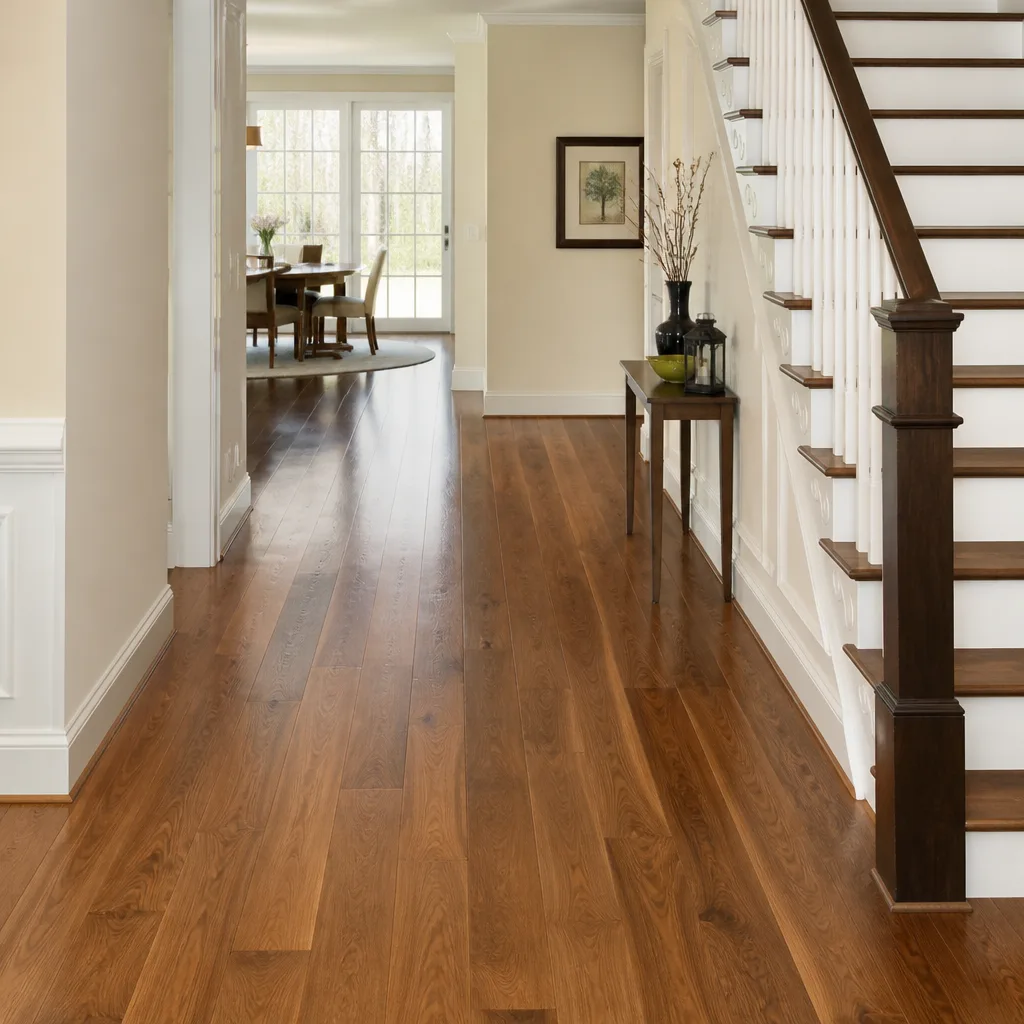 Hardwood
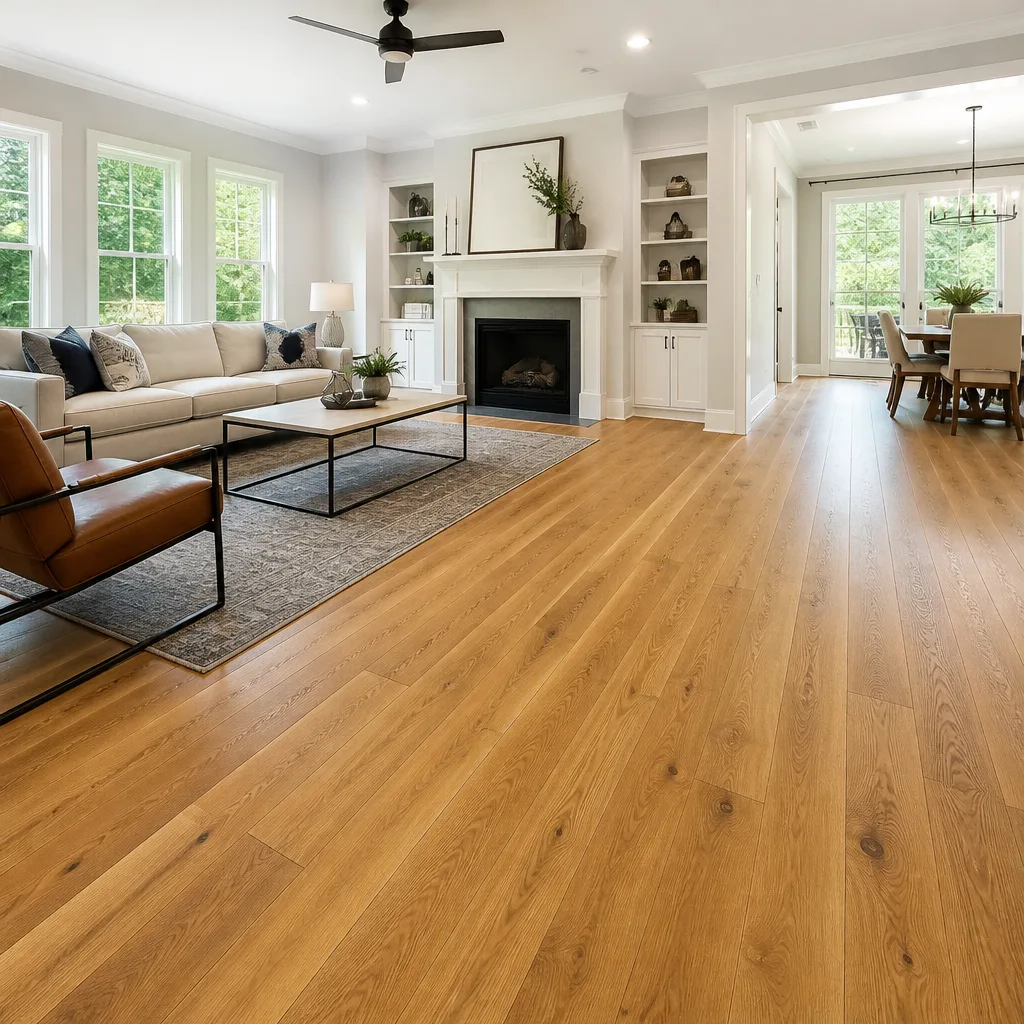 Engineered hardwood
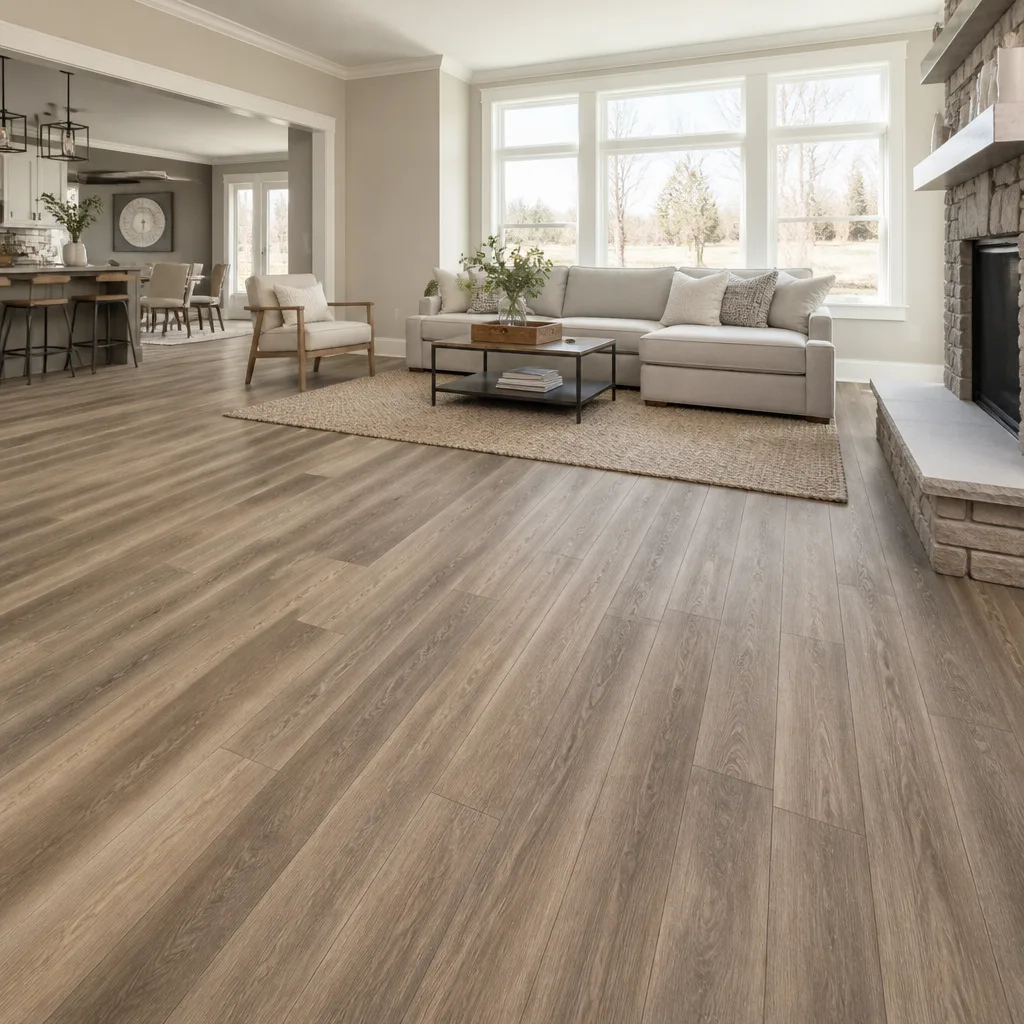 Luxury vinyl plank
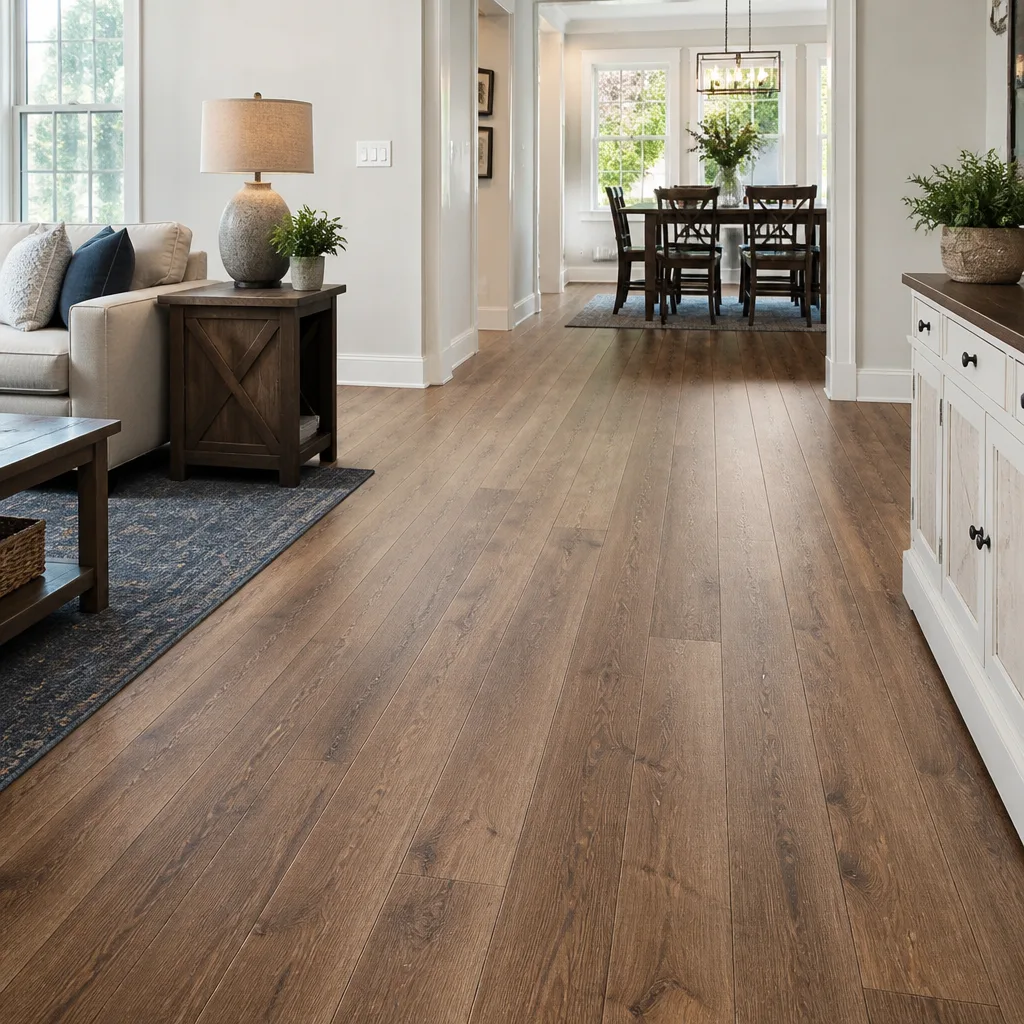 Laminate
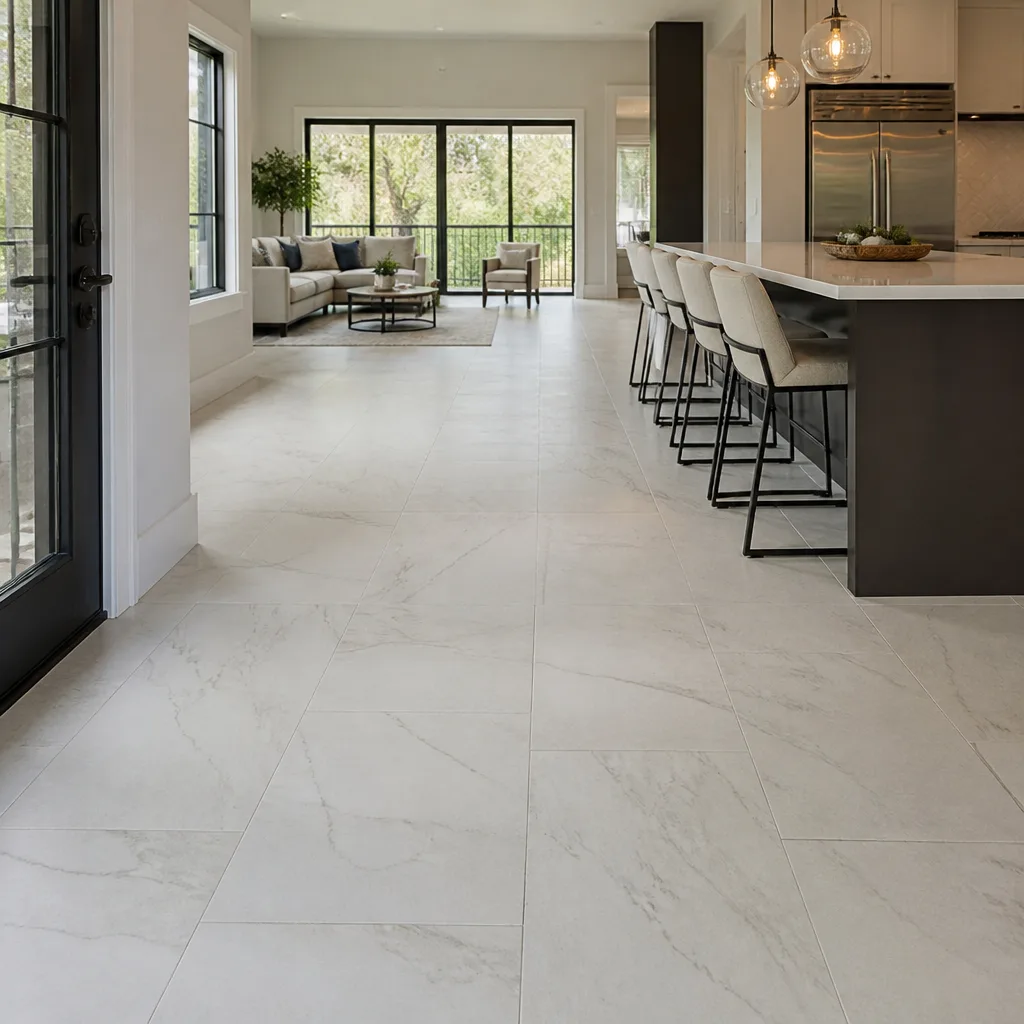 Porcelain tile
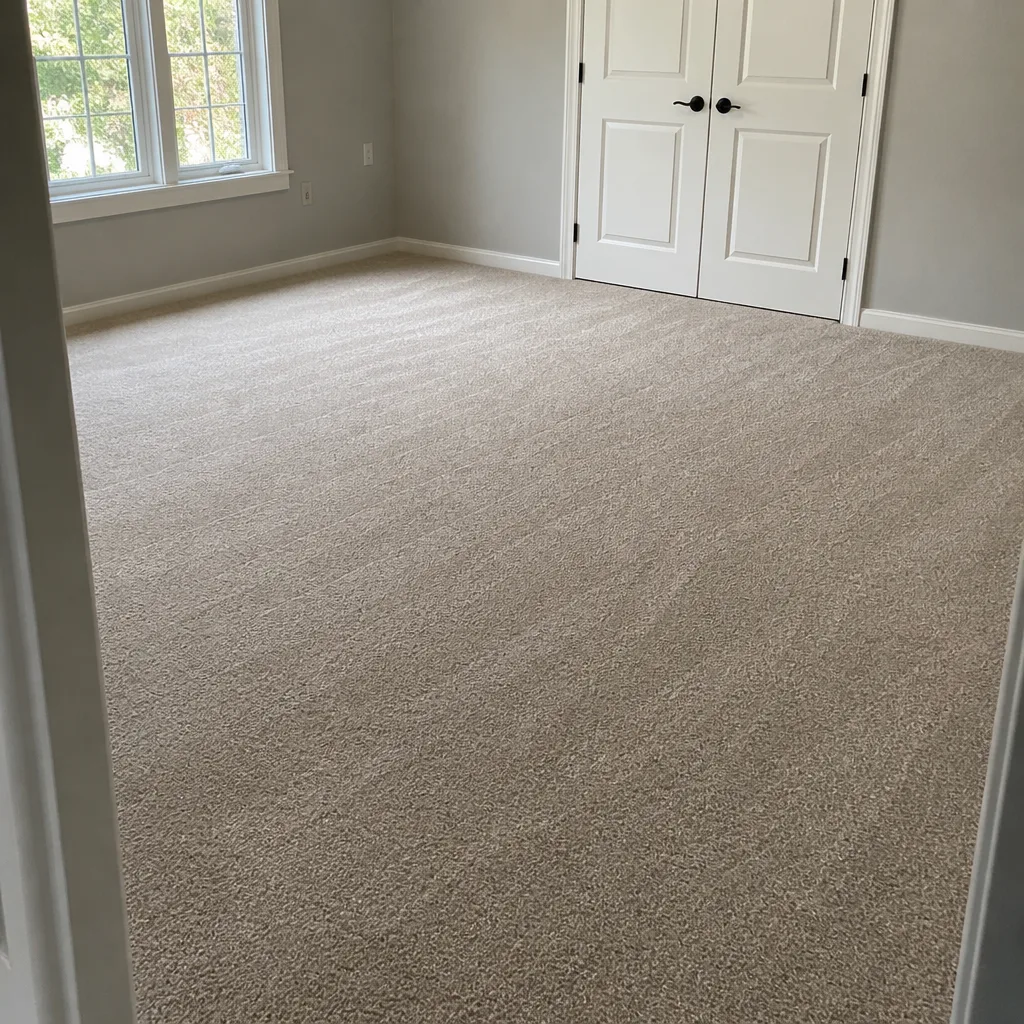 Carpet
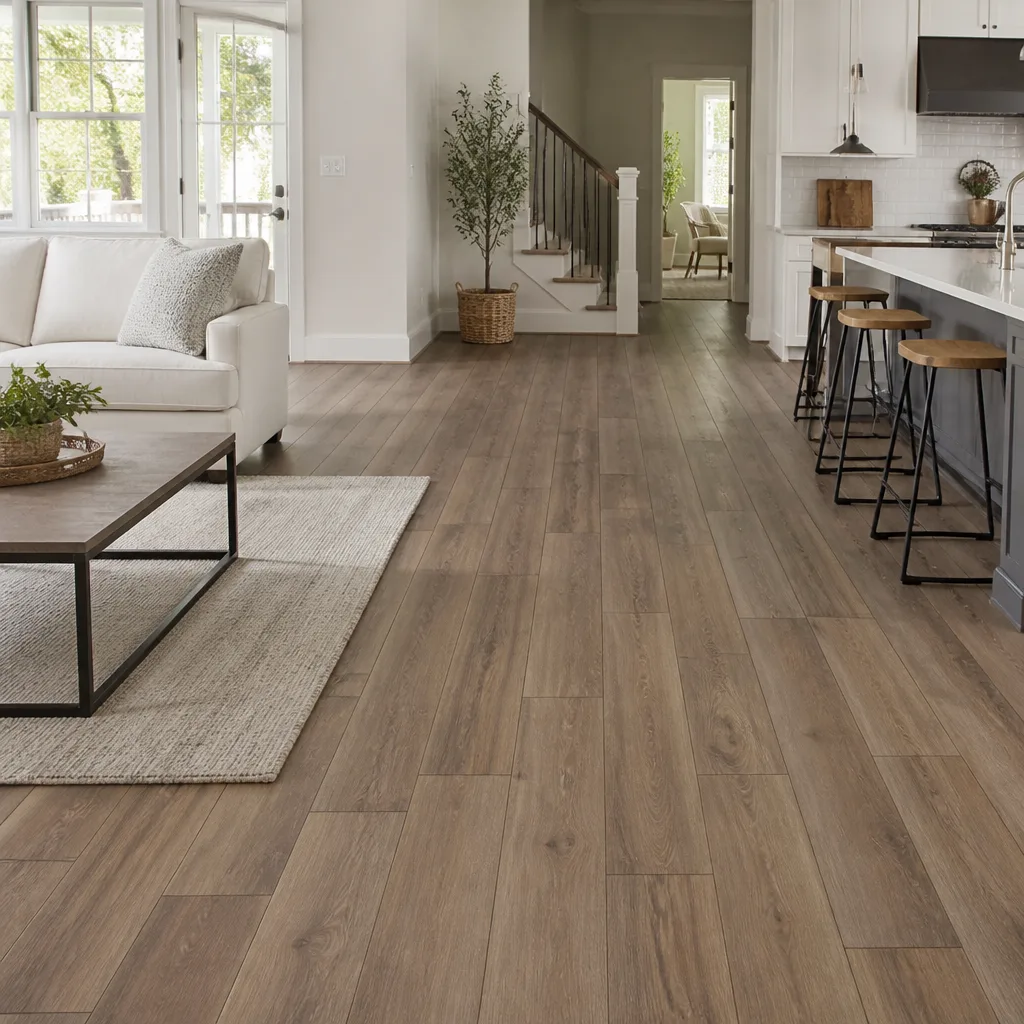 Shaw
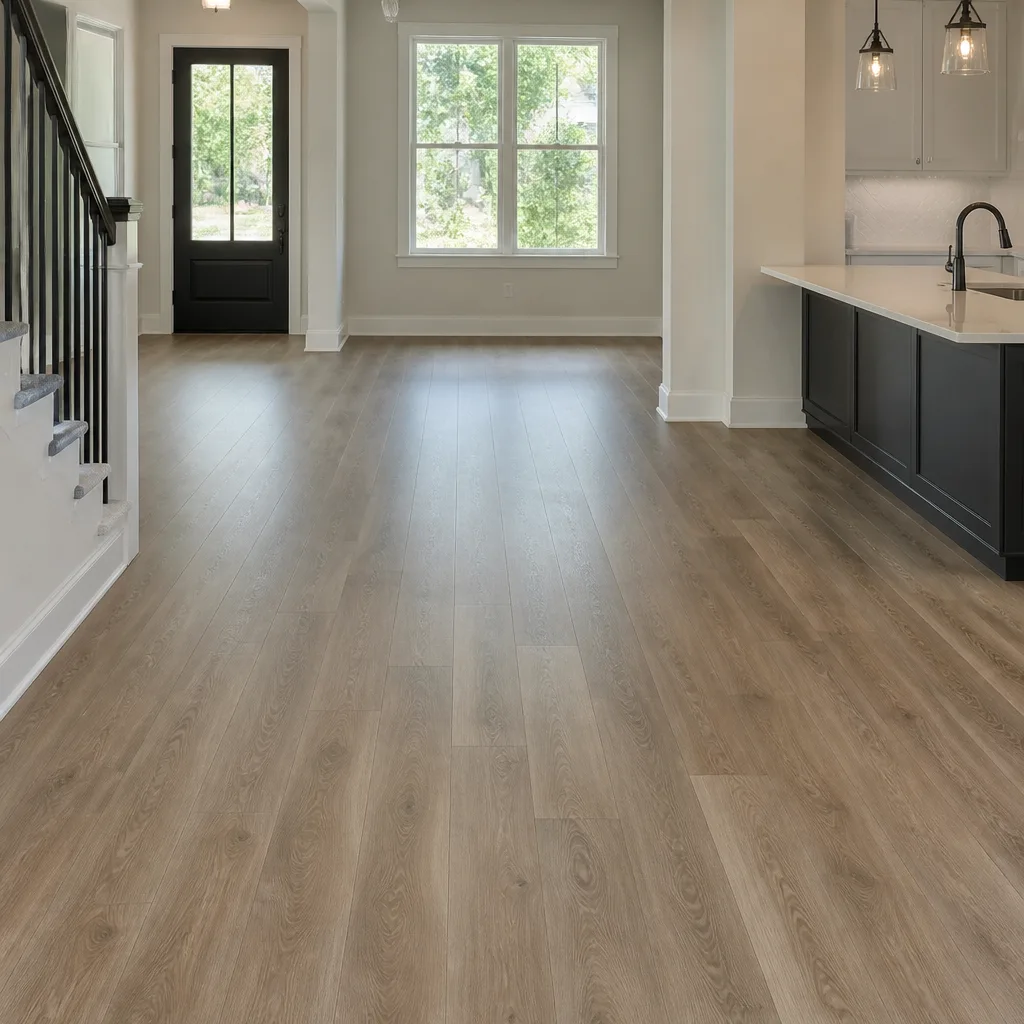 Mohawk
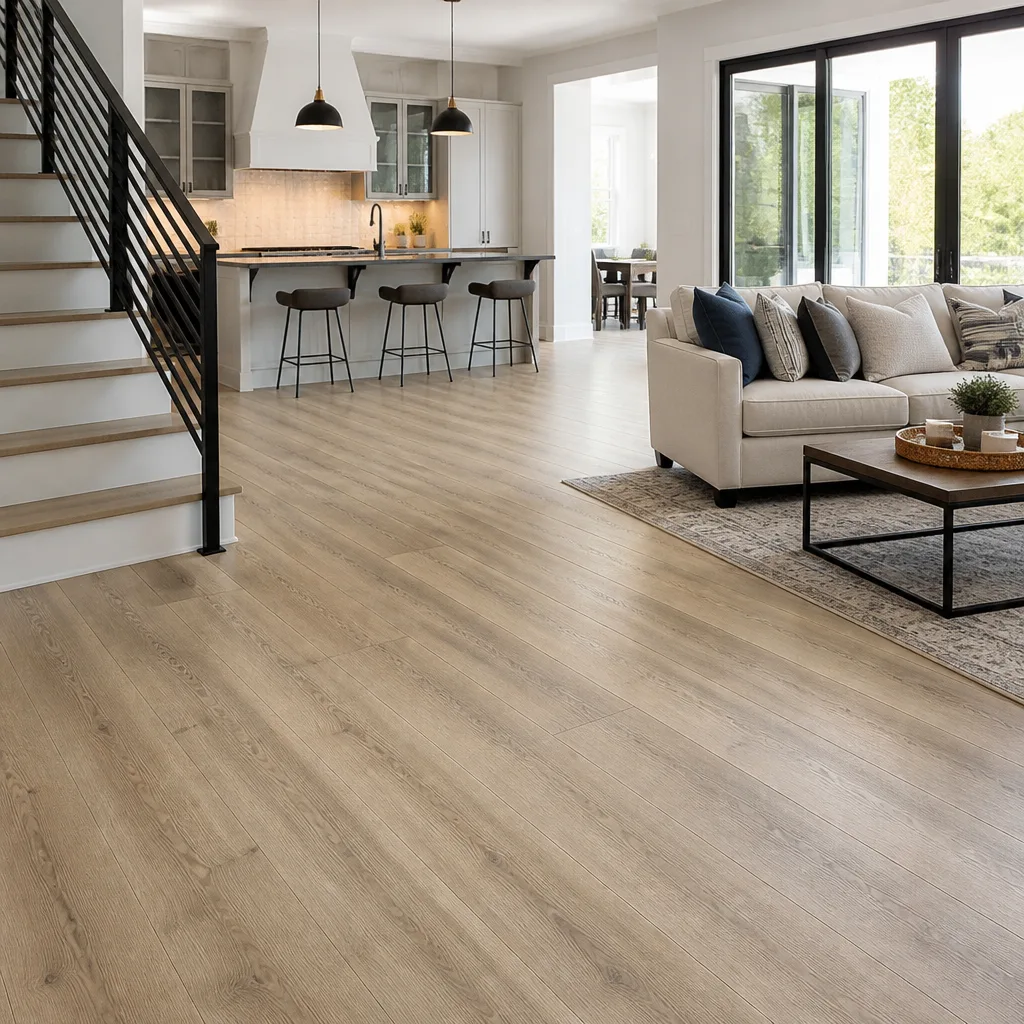 COREtec
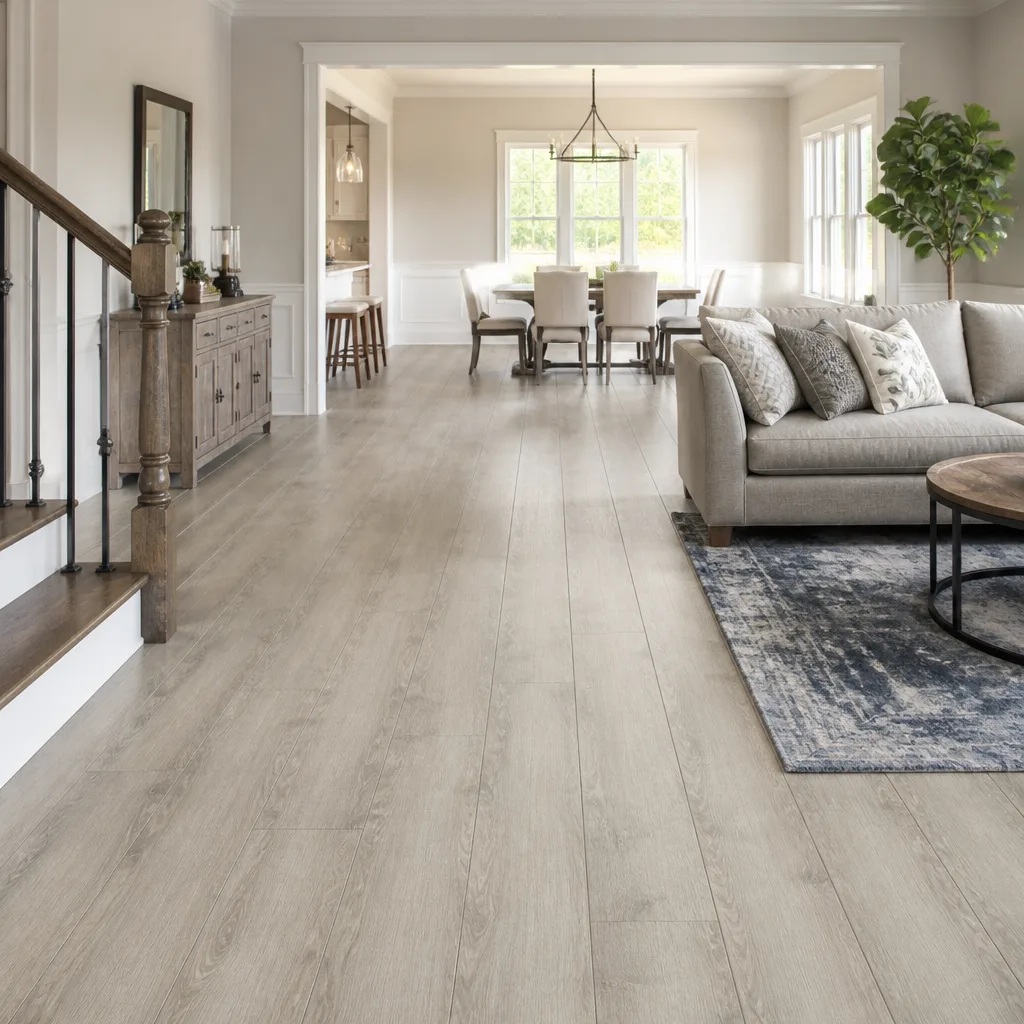 Pergo
Free in-home measure and written estimate: Shaw, Mohawk, COREtec and Pergo lines compared on your own rooms, with carpet, tile, vinyl plank, laminate and hardwood laid out side by side
Get your free estimateThe Complete Guide to Flooring in North Las Vegas
Most flooring guides are written for a generic American homeowner. North Las Vegas sits on one of the most thermally aggressive slabs in the country, a fact that rules out entire product categories before you ever pick a color. Down here, the floor under your feet moves, dries, and takes a beating that a floor in a milder climate never sees, and the choices that make sense in a magazine photo don’t always make sense on a slab off Craig Road in July. This guide builds your decision around those realities first, materials second. You’ll learn why construction type matters more than color, which categories actually hold up, and how to match a floor to the decade your house was built.
Quick Answer
For most North Las Vegas homes, the flooring that performs best long-term is engineered or luxury vinyl over a properly prepared slab, tile with a modern grout system, and carpet in bedrooms where the slab stays covered. Solid nail-down hardwood is usually impractical on slab-on-grade construction, and laminate needs careful attention to expansion gaps given the temperature swing between the desert exterior and air-conditioned rooms. The right answer depends on your build year, your rooms, and how you live. A free in-home measure and estimate is where that gets settled.
Styles & brands we work with
- Hardwood
- Engineered hardwood
- Luxury vinyl plank
- Laminate
- Porcelain tile
- Carpet
- Shaw
- Mohawk
- COREtec
- Pergo
Table of Contents
- Why North Las Vegas Flooring Is a Different Problem
- Slab-on-Grade Construction and What It Rules Out
- Heat, Temperature Swing, and Expansion-Sensitive Floors
- Hard Water, Alkaline Dust, and Grout Degradation
- Which Flooring Categories Actually Perform in North Las Vegas
- Matching Flooring to Your Home’s Decade of Construction
- How a Flooring Project Actually Goes
- Common Mistakes to Avoid
- When to Call a Professional
Why North Las Vegas Flooring Is a Different Problem
North Las Vegas isn’t just “hot and dry.” It’s a specific combination of soil, sun, and construction that changes what a floor has to survive. The valley sits on caliche, a calcium-carbonate soil that hardens like concrete and drains poorly, so moisture under a slab tends to sit rather than wick away. Summer temperatures push past 115°F at the exterior while an air-conditioned interior holds steady in the 70s, and that differential works on every expansion-sensitive material in the house. Add hard water, alkaline dust that settles on every surface, and west-facing windows that pour UV onto the floor for hours, and you have a set of stressors most generic flooring advice never mentions.
That matters because flooring decisions are usually made in a showroom far from the house. People choose a color, then deal with the consequences. We think it should work the other way. Start with what the North Las Vegas slab and climate will tolerate, narrow the field, then choose a finish you love from the options that remain. Nine brands, one specialist, means the narrowed field is still wide. You’re not stuck with a single house brand when the construction facts eliminate a category.
The three surfaces that matter most here are soft (carpet), hard (tile), and wood or resilient (hardwood and luxury vinyl plank). Each answers a different part of the climate problem, and most whole-home projects use more than one. A bedroom wants soft underfoot; a kitchen wants something a dropped pan and a puddle can’t ruin. Knowing which surface belongs in which room, and why, is the core of this guide. Everything else is finish and price.
Slab-on-Grade Construction and What It Rules Out
Most tract homes in North Las Vegas are built slab-on-grade: a concrete foundation poured directly on the ground, with the finished floor laid over it. That single fact eliminates nail-down solid hardwood as a practical option for most residents. Solid hardwood is installed by nailing it to a wood subfloor, and there’s no wood subfloor to nail to on a slab. You can glue solid hardwood down, but solid wood moves too much across a wide slab in this climate for most installations to stay put, and the thickness that makes it refinishable is the same thickness that makes it fight the concrete. For most North Las Vegas homes, it’s the wrong tool.
That doesn’t mean you can’t have the look of wood. It means choosing a product engineered for a slab. Engineered hardwood, luxury vinyl plank, and tile all install over concrete when the slab is prepped correctly. The prep is the part people skip, and it’s the part that determines whether the floor lasts. A slab has to be clean, flat within the product’s tolerance, and dry. Any moisture coming up through the concrete has to be dealt with before a floor goes down, and that’s measured at the estimate, not guessed at from across the room.
What a slab prep involves, in general terms:
- Check the slab for flatness against the product’s requirement and grind or patch high and low spots.
- Test for moisture vapor coming through the concrete, since caliche soil drains poorly and traps water beneath.
- Fill cracks and control joints so they don’t telegraph through the new floor.
- Install the specified underlayment or moisture barrier for the product chosen.
- Acclimate the material as the product instructions require before installation begins.
Step two is the one that catches people. On a slab over slow-draining valley soil, moisture is real even in dry heat, and a floor laid over a damp slab will fail no matter how good the material is. If you’re rethinking a room, our Floors North Las Vegas team can walk the slab and tell you what it needs before you commit to a product.
Heat, Temperature Swing, and Expansion-Sensitive Floors
Every material expands when it’s warm and contracts when it’s cool. The question in North Las Vegas is how big that swing is and whether the product can absorb it. With an exterior past 115°F in summer and an air-conditioned interior in the 70s, the differential across a west wall is large enough to matter. Expansion-sensitive materials like laminate and some engineered products need room to move. If they’re pinned tight against a wall or a cabinet, they buckle at the seams. If they’re given the gap the manufacturer specifies, they ride the swing without complaint.
This is why “install it like they did back home” gets people into trouble in North Las Vegas. A floor that worked in a mild climate with a small summer-to-winter difference can fail here when the same installation leaves no expansion room. The fix is boring and effective: follow the product’s expansion requirement at every wall, doorway, and fixed object, and keep interior humidity from swinging wildly. The desert air is dry, and running the air conditioner hard dries it further.
UV exposure is the other half of the heat problem. West-facing windows pour direct sun onto the same few square feet of floor for hours every afternoon. Over time that sun fades and shifts color in wood, laminate, and resilient products. You can’t stop the sun, but you can plan around it with area rugs in the hottest spots, window coverings during peak hours, and a conversation at the estimate about which products hold their color better under direct light. What a product will do under UV is set by the product, and we’ll tell you what the manufacturer says rather than guess. The point is to choose with your eyes open, not to discover the fade two summers later.
Hard Water, Alkaline Dust, and Grout Degradation
The Las Vegas Valley has hard water and alkaline dust, and both go after tile and carpet in ways that don’t show up in a milder climate. Hard water leaves mineral deposits. Every time a spill is wiped up, a mop is wrung out, or a bathroom floor gets wet, some of that mineral load stays behind. Over months and years it builds in grout lines, dulls the surface, and, if it sits, works at the grout itself. Alkaline dust does something similar from the other direction: it settles into grout and carpet fiber, it’s abrasive, and it’s tracked in daily by anyone who walks outside and back in.
Tile grout is the vulnerable part, not the tile. A modern grout system that resists water and staining holds up far better than an old porous cement grout, and sealed grout lines shed both the hard water and the dust more readily. That’s a material choice made at installation, not a cleaning trick applied afterward. If your current grout has gone chalky, stained, or started to crumble, the fix may be re-grouting rather than replacing the floor, and that’s worth pricing before you tear anything out.
Carpet takes the dust differently. Alkaline grit works into the fiber and abrades it every time someone walks across it, so carpet in a high-traffic room wears faster here than the same carpet would in a soft-water climate. Good matting at every door catches a lot of it before it reaches the room, regular vacuuming lifts the rest, and a carpet that resists soiling at the fiber level lasts longer than one that doesn’t. In our experience, the homes that keep carpet looking new longest are the ones with a good mat at the door and a vacuum that actually gets used. If you want to compare fiber options for a bedroom or a family room, carpet installation is where we start that conversation.
Which Flooring Categories Actually Perform in North Las Vegas
Once you account for slab construction, heat swing, UV, and hard water, some categories pull ahead. Here’s how the field looks in a North Las Vegas home:
- Luxury vinyl plank: The strongest all-around performer on a slab. Rigid-core products with a waterproof core handle moisture-prone rooms and the occasional puddle, and they’re comfortable underfoot in a way tile isn’t. COREtec and LifeProof are the lines we work with most for kitchens, bathrooms, and homes with pets, because the core is built to tolerate what a slab and a busy household throw at it.
- Tile: The most durable surface for kitchens, entries, bathrooms, and any room where water and dropped objects are a fact of life. Modern grout systems are what make tile last here. Daltile gives you the range to match a color and a slip profile to the room.
- Carpet: Still the right choice for bedrooms and any room where soft and quiet matter. The key is a fiber and construction matched to traffic, plus matting at the doors to keep alkaline dust out of it. Shaw and Mohawk both make lines built for exactly this.
- Engineered hardwood: Real wood, built to install over a slab with far more stability than solid. Refinishable depending on the thickness of the wear layer and the condition of the floor, which we check at the estimate.
- Laminate: A budget-friendly option that looks like wood or stone, but the expansion gap has to be right given the temperature swing. Pergo is the laminate line we install, and the gap matters.
Notice what’s missing: solid nail-down hardwood, for the slab reason above. That’s not a knock on solid wood. It’s a climate-and-construction fact, and it saves you from a purchase that would fight your house. If you want the look of wood without the solid-wood problems, engineered hardwood, laminate, and LVP all get you there. For a deeper look at tile as a category, our tile flooring installation page covers the surface in detail.
Matching Flooring to Your Home’s Decade of Construction
North Las Vegas has whole neighborhoods built in different eras, and each era left behind a different house. Matching your floor to the build matters more than matching it to a trend.
1990s stucco ranches and older tract homes
These homes often have a slab that’s seen more settling, more cracks, and more moisture cycles over the years. The subfloor prep is where the money goes here. Budget for a proper moisture test and crack treatment before any product goes down, and lean toward resilient or tile over a slab with a history. Carpet in bedrooms still makes sense, but get the pad and the fiber right for a floor that may have a little movement in it.
2010s planned communities
Newer builds in planned communities usually have a flatter, better-cured slab and construction that’s more predictable. That opens up more of the field, including engineered hardwood over the main living areas if that’s the look you want. It’s still a slab, so the same moisture test applies, but the odds of a smooth install are better. This is where whole-home continuity pays off: tile in the entry and kitchen, LVP or engineered hardwood through the main rooms, carpet in the bedrooms, all planned at once so the transitions line up and the doorways match.
Newer builds with updated subfloor standards
The most recent construction often specifies a subfloor tolerance the product manufacturer set, which makes product selection easier and reduces prep. Don’t assume a new build is ready for any floor, though. Measure, don’t assume. A new slab can still hold moisture, and it still has a construction temperature history to account for. The floor still has to acclimate as the product requires, and the written estimate still sets the schedule.
Whichever decade your home dates from, the process is the same: check the slab, choose the product to fit it, then choose the finish. When you’re ready to talk through your neighborhood and your build, our North Las Vegas page has more on how we approach local projects.
How a Flooring Project Actually Goes
A flooring install is a scheduled job, not a same-day fix. It starts with a free in-home measure and estimate, moves to a written price, and ends on a booked install day. Here’s what to expect at each step:
- The measure. We measure every room, walk the slab, and check for moisture, flatness, cracks, and control joints. This is where the product discussion gets real.
- The material choice. With the slab facts in hand, you choose from the categories that fit: LVP, tile, carpet, engineered hardwood, or laminate, in the brand and finish you want.
- The written estimate. You get a written price for the product and the installation, including any prep the slab needs. The written estimate sets the final price.
- The install day. We arrive as scheduled, prep the slab as specified, lay the floor to the product’s requirements, and clean up. The schedule is set at the estimate.
- Hardwood refinishing, if that’s the job. For existing hardwood worth saving, we screen and refinish rather than replace. Whether a floor can be refinished depends on the thickness of the wood and its condition, checked at the estimate visit.
The refinishing step is one most installation-only shops can’t offer, and it’s worth asking about before you tear out a wood floor. Solid or engineered wood with enough thickness left can often be restored, which saves the material and keeps what’s already in the house. Restore before you replace is a rule worth applying to any floor that still has life in it. For carpet, tile, or wood, one visit covers the whole home, so a multi-room project stays with one specialist instead of three.
Common Mistakes to Avoid
- Buying solid hardwood for a slab home. It’s the most common wrong turn in North Las Vegas. On slab-on-grade construction, solid nail-down hardwood has nowhere to be nailed and will fight the concrete. Choose engineered instead if you want real wood.
- Skipping the moisture test. Caliche soil holds water, and a slab can carry moisture even in dry heat. A floor laid over an untested damp slab will fail. Test first, every time.
- Ignoring the expansion gap. The temperature swing here is large enough that a laminate or engineered floor pinned tight will buckle at the seams. Follow the product’s gap requirement at every wall and fixed object.
- Choosing grout as an afterthought. Hard water and alkaline dust go after porous grout lines. A grout system built to resist water and staining is a material decision made at installation, not a cleaning fix applied later.
- Skipping the door mat. Alkaline dust tracked in from outside wears carpet fiber and grinds into grout. Matting at every door is the cheapest wear protection you can buy.
- Letting sun fade go unplanned. West-facing windows pour UV onto the same few square feet every afternoon. Plan rugs and window coverings for the hottest spots, and ask which products hold color under direct light.
- Tearing out a wood floor that could be refinished. If your floor has thickness left and is in decent condition, refinishing can save it. Get it checked before you replace.
When to Call a Professional
Some flooring work is genuinely a professional job in North Las Vegas. Any install over a slab needs a moisture test and flatness check that most homeowners can’t do accurately at home. Tile work with a modern grout system, whole-home projects that need transitions to line up across rooms, and hardwood refinishing all belong with a specialist. Refinishing in particular is a skill that separates a true flooring specialist from an install-only operation, and it’s the kind of job where a bad pass is hard to undo. If you’re weighing a tear-out against a refinish, that question is best answered by looking at the floor in person.
There’s also the coordination problem. A whole-home project with carpet in the bedrooms, tile in the kitchen, and LVP in the living room involves three product types and a dozen transitions. Handling that with one specialist keeps the schedule and the doorways consistent. Floors North Las Vegas offers free estimates in North Las Vegas. Call (888) 393-9180 to schedule yours. We answer 24/7, and fast dispatch runs from 7am to 7pm, Sunday through Friday.
See the difference
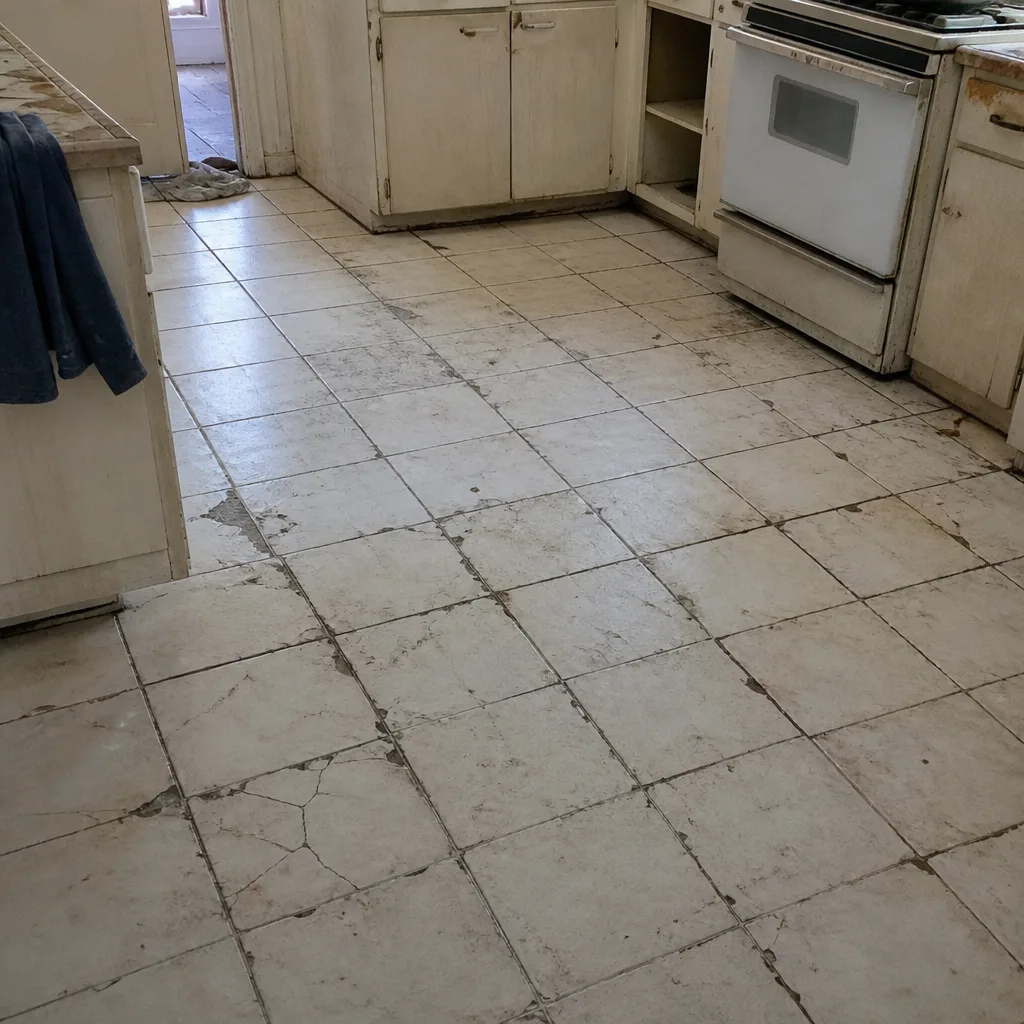 Before
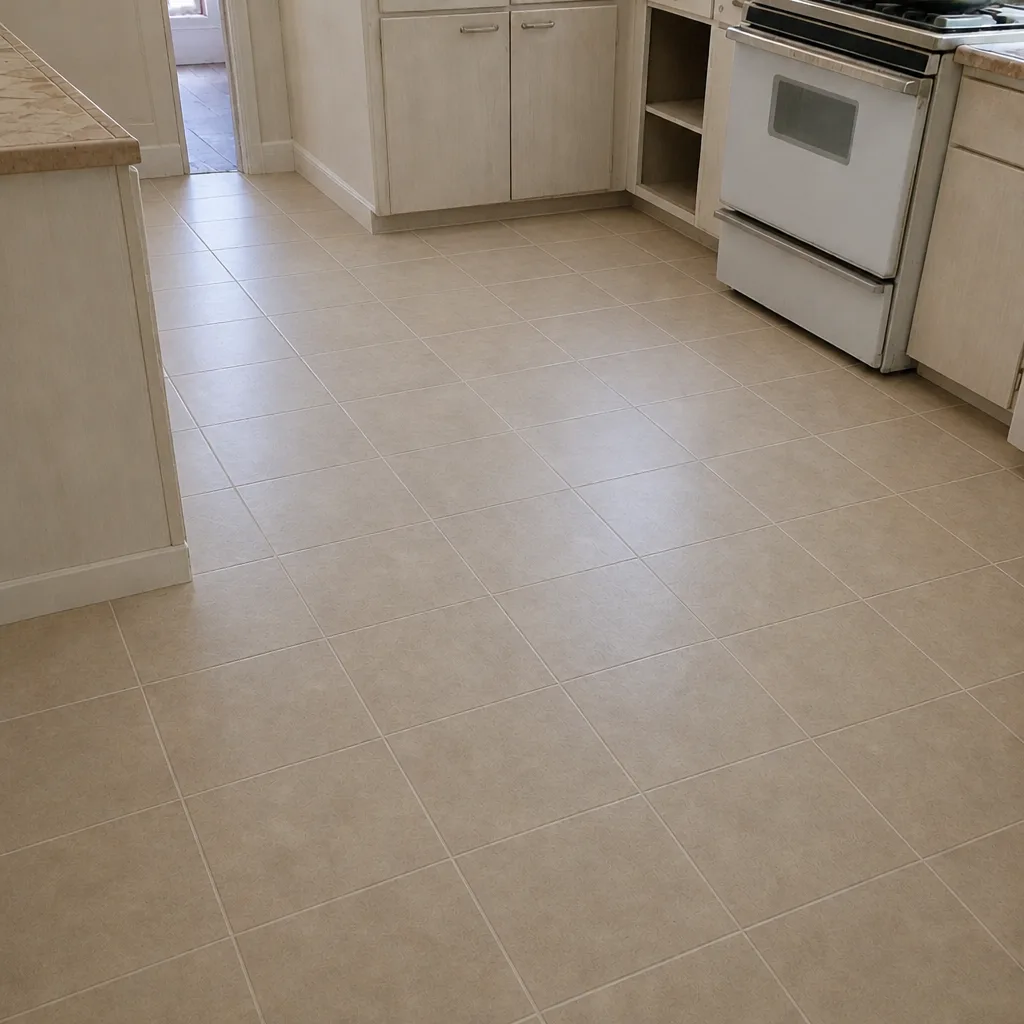 After
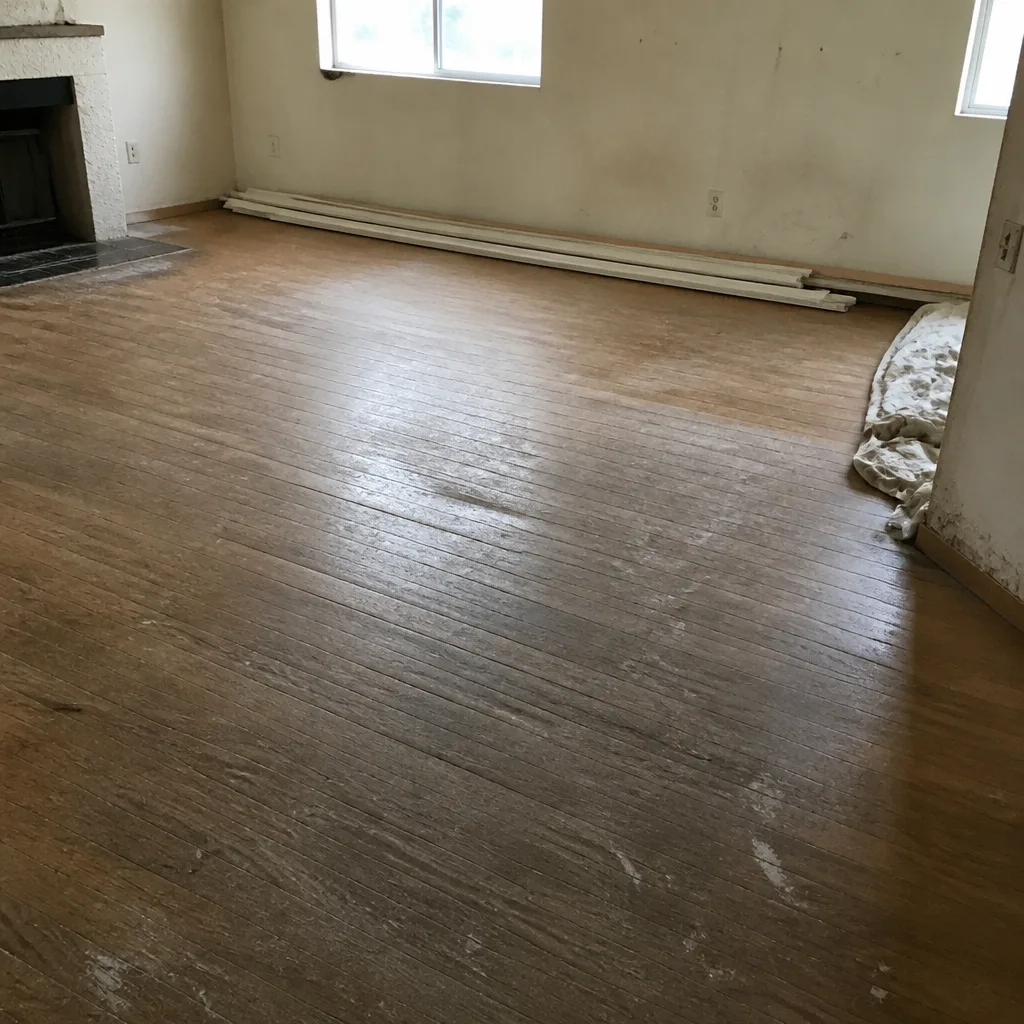 Before
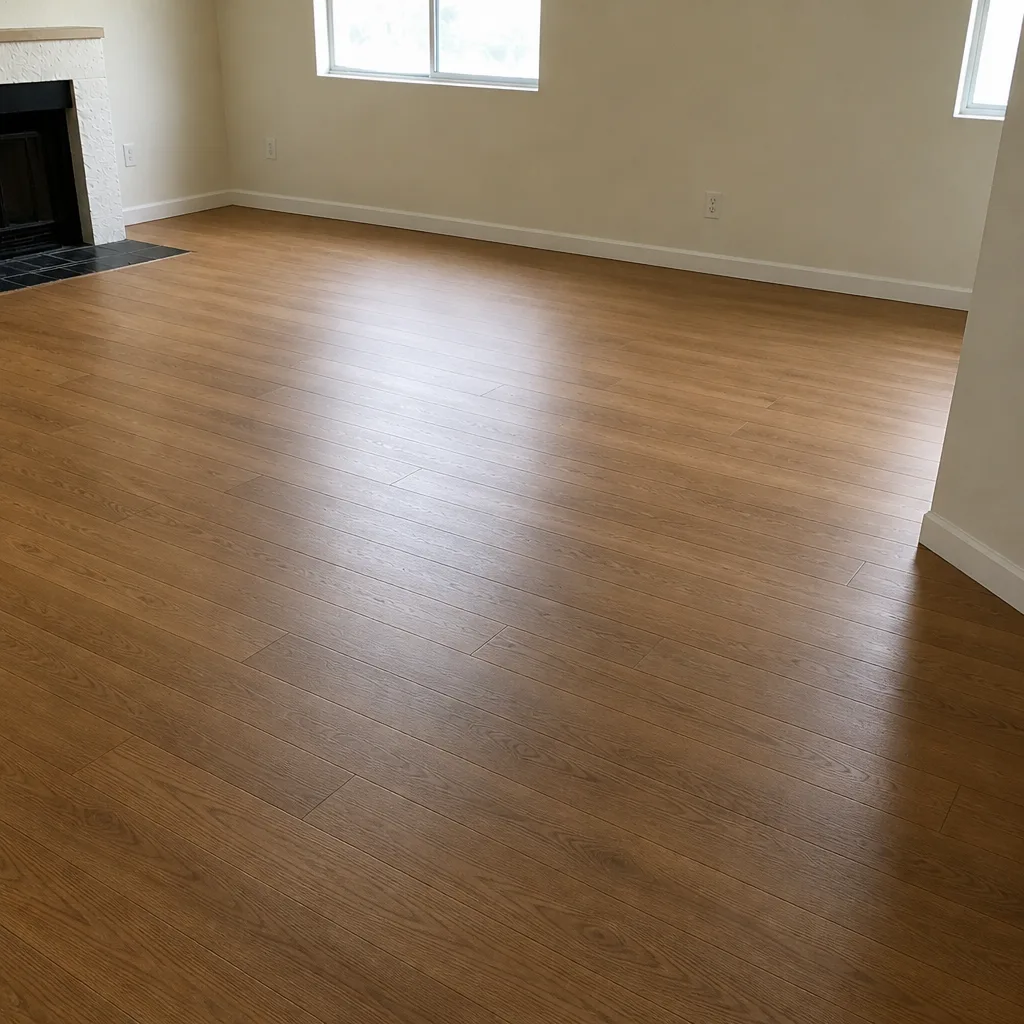 After
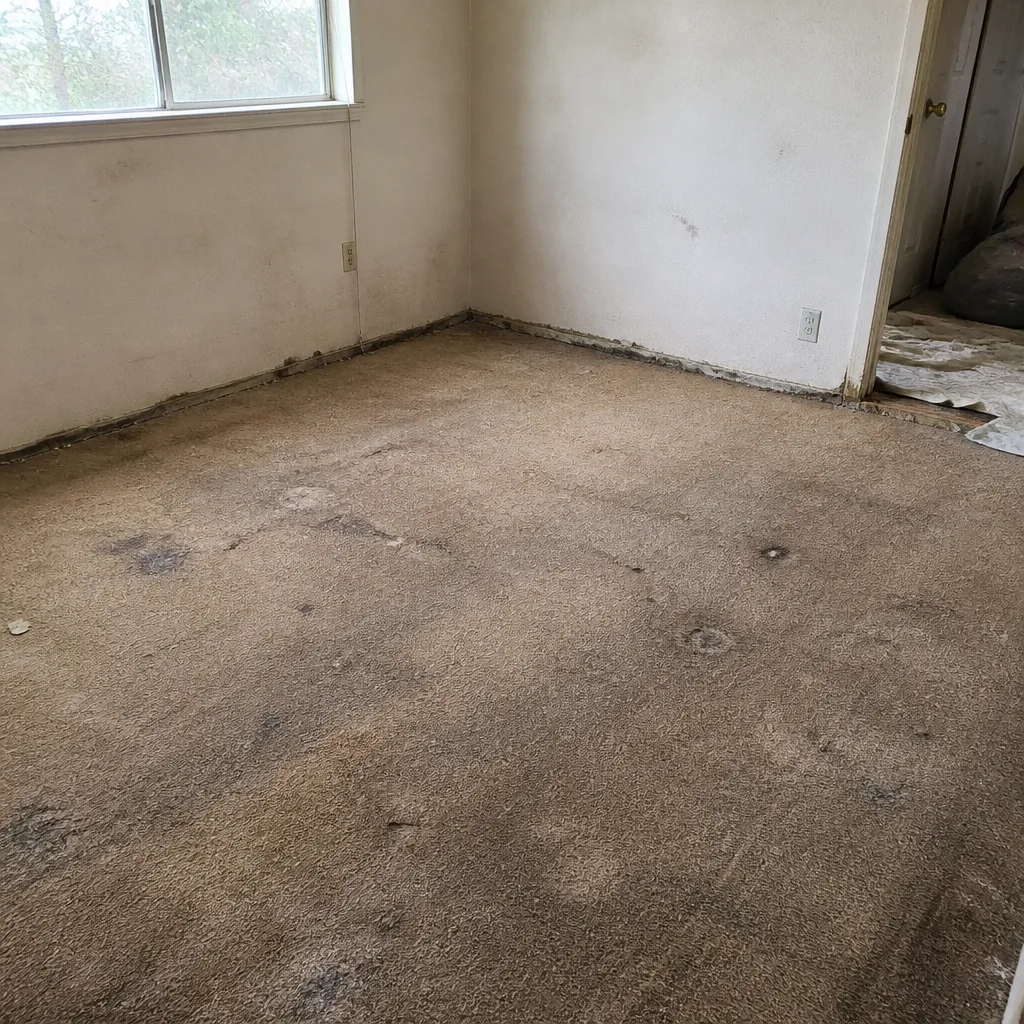 Before
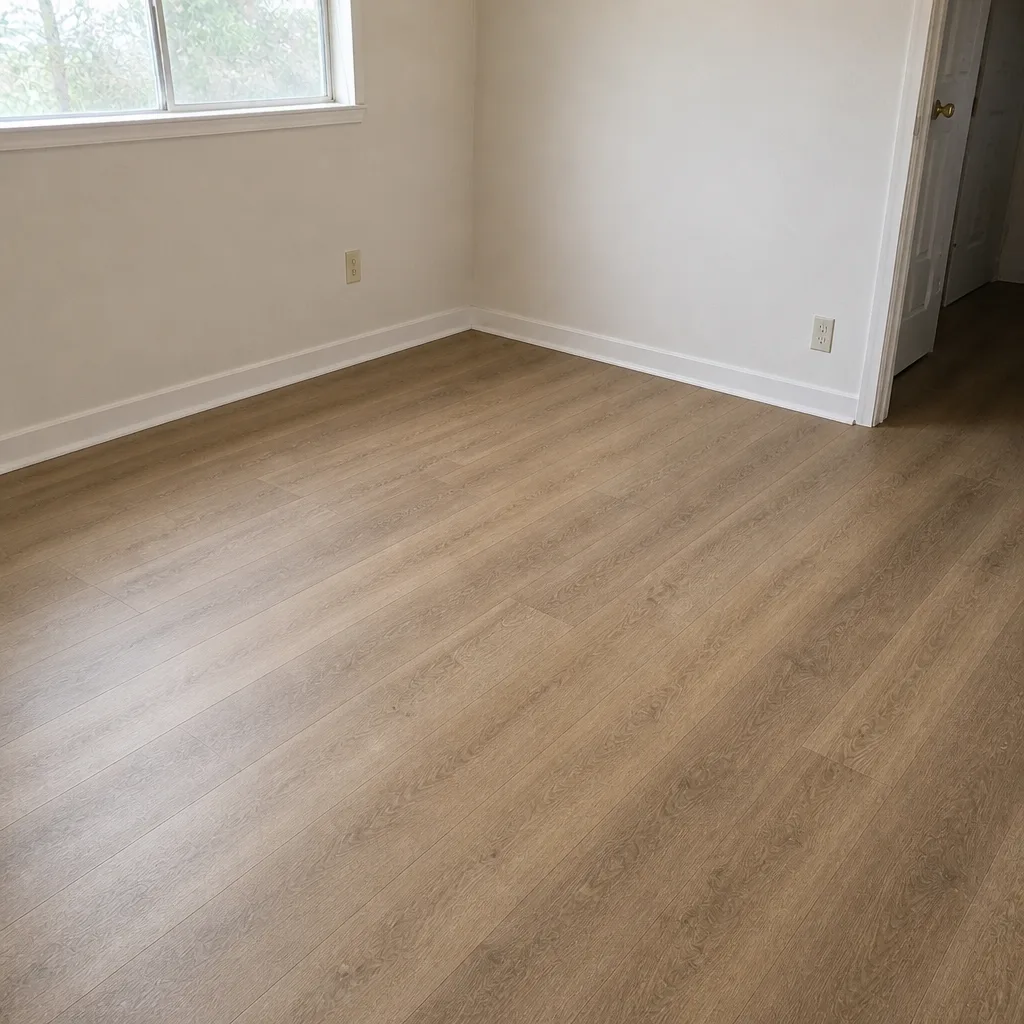 After
Frequently Asked Questions
It’s usually not practical. Most North Las Vegas homes are slab-on-grade, which means there’s no wood subfloor to nail solid hardwood to, and solid wood moves too much across a wide slab in this climate to stay put. Engineered hardwood gives you the look of wood and is built to install over concrete when the slab is prepped correctly. That prep, including a moisture test, is set at the estimate.
It depends on the product, the square footage, and the slab prep the room needs. A rigid-core LVP kitchen costs less per square foot than a tile floor with a modern grout system, and a slab that needs moisture treatment or crack repair adds to the install side of the estimate. We don’t quote from a table over the phone because the slab facts drive the number. Call (888) 393-9180 to schedule a free estimate, and the written price sets the final cost.
Yes. The in-home measure and estimate is free, and you get a written price for the product and the installation, including any prep the slab needs. There’s no charge to have us walk the rooms and check the slab. Call (888) 393-9180 to book yours. We answer 24/7, with fast dispatch from 7am to 7pm, Sunday through Friday.
It varies by product, square footage, and how much slab prep the room needs, so we set the schedule at the estimate rather than promise a number now. A single bedroom is a different job from a whole-home project across three product types. What we can tell you is that the install is a booked job, and the written estimate lays out the plan. Call (888) 393-9180 for a free estimate and a real schedule.
Rigid-core luxury vinyl plank and tile are the two most forgiving categories on a North Las Vegas slab. LVP handles moisture-prone rooms and the occasional puddle, and tile with a modern grout system shrugs off dropped objects and hard-water wear. Carpet still belongs in bedrooms where soft and quiet matter. In every case, the slab prep and the expansion requirement matter as much as the material. Call (888) 393-9180 to talk through your rooms and get a free estimate.
Often, yes, if the floor has enough thickness left and is in reasonable condition. Whether a specific floor can be refinished is checked at the estimate visit, because it depends on the thickness of the wood and its condition. Refinishing is the restore-before-you-replace option most install-only shops can’t offer. To find out if your floor can be saved, call (888) 393-9180 and we’ll take a look.
The Bottom Line
North Las Vegas flooring decisions start with the slab and the climate, not the color. Slab-on-grade construction rules out solid nail-down hardwood for most homes. The temperature swing past 115°F means expansion-sensitive products need room to move. Hard water and alkaline dust go after grout and carpet fiber. And UV through west-facing windows fades anything that sits in the direct sun. The categories that perform here, rigid-core LVP, tile with a modern grout system, carpet with the right fiber and matting, and engineered hardwood, each answer a different room. Match the product to your build’s decade, test the slab, and choose the finish last. For an expert look at your home, call (888) 393-9180.
Written by the team at Floors North Las Vegas.